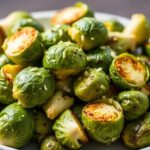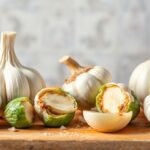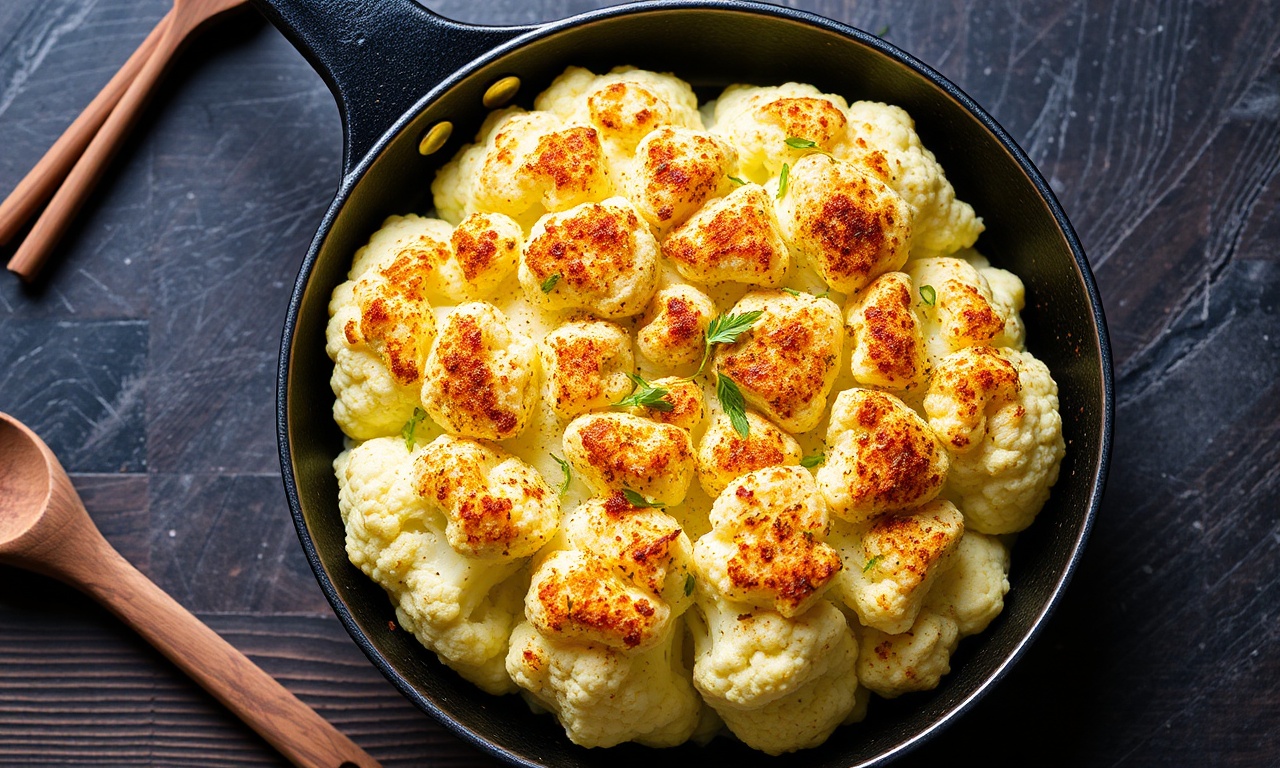

- The Genesis of an Elevated Parmesan Cauliflower Side Dish
- Key Takeaways:
- A Culinary Journey of Cauliflower and Cheese
- The Right Tools for the Job: The Skillet’s Role
- Ingredient Spotlight: Quality Matters
- The Method to the Magic: Step-by-Step Mastery
- Step 1: Prepare the Cauliflower
- Step 2: Heat the Skillet
- Step 3: Sear the Cauliflower
- Step 4: Introduce Aromatics and Seasoning
- Step 5: Incorporate the Parmesan
- Step 6: Finish and Serve
- Nutritional Profile: A Wholesome Choice
- Expert Tips for Parmesan Cauliflower Perfection
- Adaptations and Variations: A World of Flavor
- Pairing Perfection: What to Serve With Your Parmesan Cauliflower
- The Science Behind the Sizzle: Flavor and Texture
- Troubleshooting Common Concerns
- A Healthy Addition to Your Diet
The Genesis of an Elevated Parmesan Cauliflower Side Dish
Parmesan Cauliflower is more than just a side dish; it’s a culinary revelation that transforms a humble cruciferous vegetable into an irresistible delicacy. Have you ever found yourself staring at a head of cauliflower, wondering how to elevate it beyond mere steaming or roasting, to a point where it becomes the star of the plate? This skillet recipe, honed by countless chefs and home cooks alike, offers precisely that – a method to unlock the cauliflower’s nutty, tender potential, enhanced by the salty, umami punch of Parmesan cheese. It’s proof of how simple ingredients, when treated with respect and a touch of culinary artistry, can yield profoundly satisfying results. The journey to this perfect Parmesan Cauliflower begins with understanding the simple yet effective techniques that bring out the best in this versatile vegetable.
Key Takeaways:
- Mastering the skillet technique is crucial for achieving tender yet slightly crisp Parmesan Cauliflower.
- The quality of Parmesan cheese significantly impacts the final flavor profile.
- Balancing seasonings and incorporating fresh herbs elevates the dish from good to exceptional.
- This recipe is a versatile foundation, adaptable to various dietary preferences and flavor additions.
The allure of Parmesan Cauliflower lies in its deceptive simplicity. It’s a dish that requires minimal fuss but delivers maximum flavor. The key lies in the Maillard reaction, that magical browning process that occurs when vegetables are cooked at high heat, creating complex, savory notes. When combined with the melting, slightly sharp, and nutty character of grated Parmesan, the cauliflower undergoes a remarkable transformation. This isn’t just about cooking; it’s about coaxing out the best of each component, creating a harmonious blend that appeals to even the most discerning palates. The history of cauliflower itself is fascinating, tracing back to ancient Mediterranean cultures.
A Culinary Journey of Cauliflower and Cheese
Cauliflower itself has a rich history, believed to have originated in the Mediterranean region, possibly Cyprus, as far back as the 6th century BC. Its journey through culinary history has seen it prepared in myriad ways, from simple boiled preparations to more elaborate gratins and purees. However, the advent of pan-searing and the generous application of cheese, particularly hard, aged cheeses like Parmesan, truly propelled cauliflower into a new realm of popular appeal. The skillet method, in particular, allows for direct heat contact, fostering that desirable char and caramelization that a simple roast might not achieve as readily. This specific recipe focuses on harnessing that power, creating a dish that is both comforting and sophisticated. Research published in the Journal of Food Science highlights how cooking methods significantly alter the flavor compounds and perceived sweetness in vegetables, underscoring the importance of techniques like pan-searing for developing desirable taste profiles.
The Right Tools for the Job: The Skillet’s Role
The choice of skillet is paramount. A well-seasoned cast-iron skillet is the undisputed champion for this recipe. Its ability to retain and distribute heat evenly is unparalleled, ensuring consistent browning and preventing hot spots that can lead to uneven cooking. The heavy base also provides a stable surface for the cauliflower to sear properly. When the cauliflower florets make contact with the hot surface, they begin to soften and caramelize, forming a delightful crust. This process is crucial for developing the dish’s signature texture and deep, nutty flavors.
The interaction between the cauliflower and the cheese is another critical element. As the Parmesan melts, it coats the florets, creating a savory, slightly crispy exterior. This isn’t a passive melting; it’s an active fusion, where the cheese’s fats and proteins caramelize alongside the cauliflower, adding layers of complexity. The goal is to achieve a balance where the cauliflower is tender on the inside, with a delightful crispness on the outside, all bound together by the rich, savory embrace of the cheese.
Ingredient Spotlight: Quality Matters
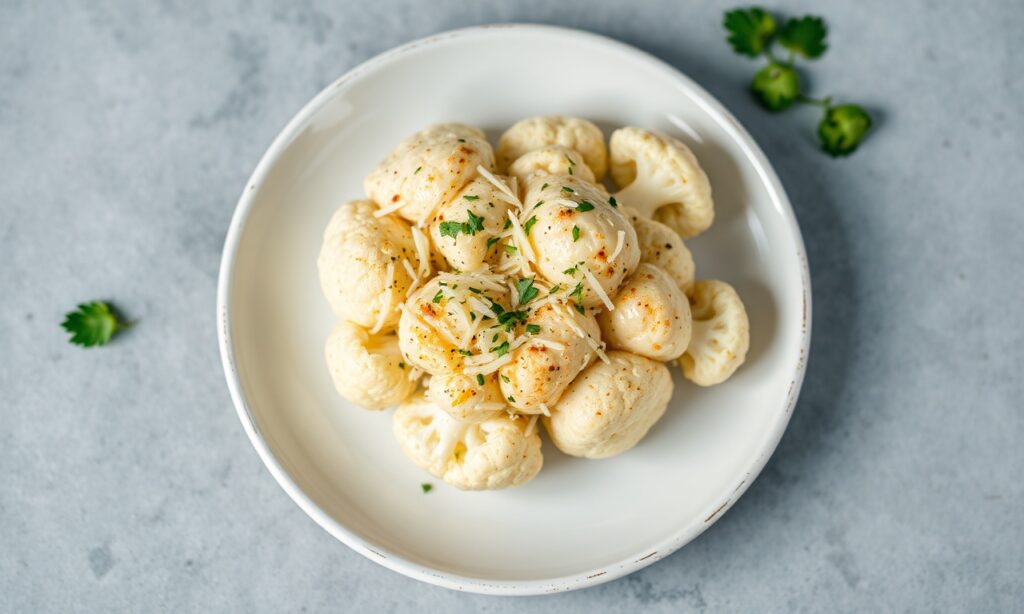
To achieve the perfect Parmesan Cauliflower, the quality and freshness of your ingredients are non-negotiable. Opt for firm, white cauliflower heads with tightly packed florets and no brown spots. The Parmesan cheese should ideally be a good quality Parmigiano-Reggiano, grated fresh just before use; pre-shredded cheeses often contain anti-caking agents that can hinder melting and affect the final texture.
Essential Ingredients:
- Cauliflower: 1 large head (approximately 2-2.5 lbs / 900-1100g), cut into bite-sized florets
- Olive Oil: 3-4 tablespoons, plus more for drizzling
- Garlic: 3-4 cloves, minced
- Parmesan Cheese: 1 cup (about 100g), freshly grated, plus extra for serving
- Butter: 2 tablespoons (optional, for added richness)
- Fresh Parsley: 2 tablespoons, finely chopped, for garnish
- Salt: To taste
- Black Pepper: Freshly ground, to taste
- Red Pepper Flakes: ¼ teaspoon (optional, for a hint of heat)
The subtle inclusion of butter, while optional, can add a luxurious mouthfeel and a richer flavor profile to the finished dish, complementing the savory Parmesan beautifully. The minced garlic is crucial for infusing aromatic depth, and its sautéing time must be carefully managed to avoid bitterness.
The Method to the Magic: Step-by-Step Mastery
This recipe is designed for simplicity and efficacy, ensuring that even novice cooks can achieve professional-quality results. The process is sequential, building layers of flavor and texture with each carefully executed step. Precision in timing and temperature is key to transforming the humble cauliflower into a culinary masterpiece.
Step 1: Prepare the Cauliflower
Wash the cauliflower thoroughly and pat it completely dry. This is a critical step; excess moisture will steam the cauliflower rather than allowing it to sear, hindering the development of that desirable golden-brown crust. Trim away the core and then cut the cauliflower into uniform, bite-sized florets. Aim for pieces that are roughly the same size to ensure even cooking. You can also utilize the cauliflower stem, peeled and diced, as it’s perfectly edible and adds another textural dimension.
Step 2: Heat the Skillet
Place a large, heavy-bottomed skillet (preferably cast iron) over medium-high heat. Add 3-4 tablespoons of olive oil. Allow the oil to heat until it shimmers, but do not let it smoke. A properly heated skillet is essential for achieving a good sear. If you’re using butter, you can add it now along with the olive oil. The butter will add richness and help with browning, but it can burn more quickly than olive oil, so monitor it closely.
Step 3: Sear the Cauliflower
Carefully add the cauliflower florets to the hot skillet in a single layer. Do not overcrowd the pan; this will cause the cauliflower to steam instead of sear. If necessary, cook in batches. Let the cauliflower cook undisturbed for 4-5 minutes, or until the undersides are deeply golden brown and slightly crispy. This initial searing is where the majority of the flavor development begins.
Step 4: Introduce Aromatics and Seasoning
Flip the cauliflower florets using tongs. Add the minced garlic to the skillet, scattering it around the cauliflower. If using, add the red pepper flakes at this stage as well. Sauté for about 1-2 minutes, stirring the garlic gently, until fragrant. Be careful not to burn the garlic, as it can turn bitter quickly. Season the cauliflower generously with salt and freshly ground black pepper.
Step 5: Incorporate the Parmesan
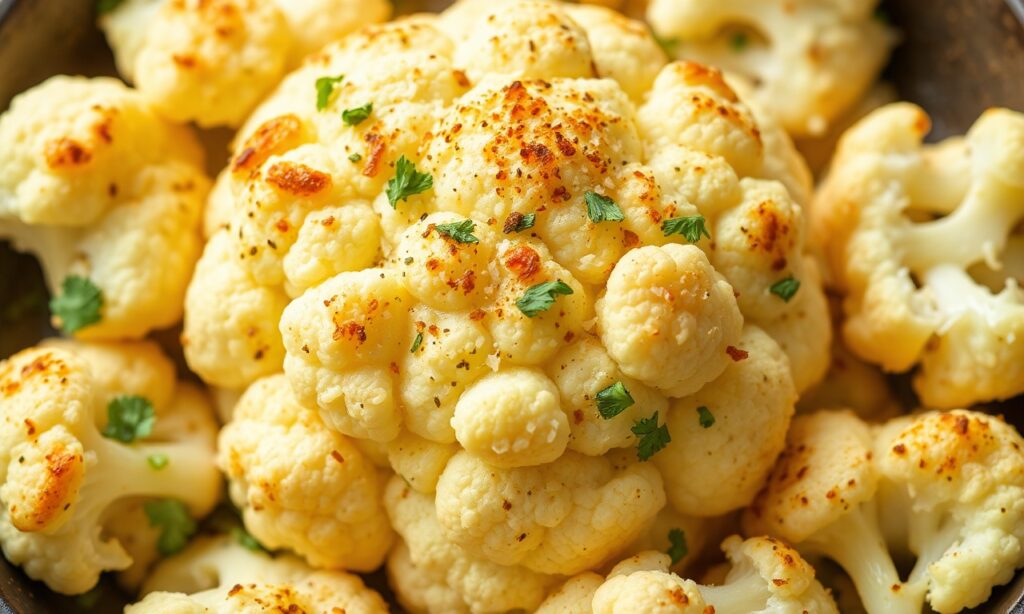
Reduce the heat to medium-low. Sprinkle the freshly grated Parmesan cheese evenly over the cauliflower. Continue to cook, stirring occasionally, for another 3-5 minutes, or until the Parmesan cheese has melted and coated the florets, forming a delicious, slightly crispy layer. The residual heat of the pan will melt the cheese, and the gentle stirring will help it adhere to the cauliflower.
Step 6: Finish and Serve
Once the cheese is melted and the cauliflower is tender-crisp, remove the skillet from the heat. Stir in the fresh parsley. Taste and adjust seasoning if necessary. Drizzle with a little extra olive oil if desired for added sheen and flavor. Serve immediately, garnished with extra grated Parmesan cheese.
The key to success in step 4 is to ensure the garlic is toasted but not burnt. Its aromatic oils will infuse the cooking fat, creating a foundation of flavor that complements the cauliflower and cheese. When adding the Parmesan in step 5, the lower heat prevents the cheese from burning, allowing it to melt into a cohesive, delicious coating.
Nutritional Profile: A Wholesome Choice
While Parmesan Cauliflower is undeniably delicious, it also offers a commendable nutritional profile, making it a guilt-free addition to any meal. Cauliflower is a member of the cruciferous vegetable family, renowned for its health benefits. It’s an excellent source of Vitamin C, Vitamin K, and fiber. The fiber content aids in digestion and promotes satiety, which can be beneficial for weight management. A study by the USDA found that a cup of raw cauliflower contains about 2 grams of fiber and only around 25 calories.
When prepared as this skillet dish, the nutritional values will naturally increase due to the addition of olive oil, Parmesan cheese, and butter. However, it remains a relatively low-calorie and nutrient-dense option, especially when compared to heavier side dishes.
Approximate Nutritional Information Per Serving (based on 4 servings):
- Calories: 200-250 kcal
- Protein: 8-10g
- Fat: 15-20g (of which saturated fat is approximately 5-7g)
- Carbohydrates: 10-12g
- Fiber: 4-5g
- Sugars: 4-5g
- Sodium: Varies greatly depending on added salt and Parmesan quality.
Keep in mind that these are estimates. The actual nutritional content can vary based on the exact quantities of ingredients used, the specific brand of Parmesan cheese (which can differ significantly in sodium content), and whether butter is included. For those monitoring sodium intake, using a lower-sodium Parmesan or reducing the amount of added salt can be a beneficial adjustment.
Expert Tips for Parmesan Cauliflower Perfection
Achieving restaurant-quality Parmesan Cauliflower is within reach with a few expert insights. These tips focus on enhancing flavor, texture, and presentation, transforming this simple dish into something truly extraordinary.
💡 Expert Insight
Expert Insight: The secret to ultra-crispy Parmesan coating lies not just in the heat, but in the final moments of cooking. Once the Parmesan is melted, let it sizzle for an extra minute without stirring. This allows the cheese to crisp up slightly, creating little pockets of savory delight that adhere to the cauliflower. Don’t be afraid of a little browning – that’s where the depth of flavor truly resides.
- Embrace the Char: Don’t shy away from slightly burnt edges on the cauliflower. This charring, a result of the high-heat searing, is where the complex, nutty, and slightly smoky flavors develop. It’s a crucial component of what makes this dish so appealing.
- Freshness is Key for Parmesan: Always grate your Parmesan cheese just before you need it. Pre-grated cheeses often contain cellulose or other anti-caking agents that prevent them from melting smoothly and can impart a slightly gritty texture. The difference in flavor and meltability between freshly grated and pre-grated Parmesan is significant.
- The Power of Herbs: While parsley is classic, consider experimenting with other fresh herbs. Thyme, chives, or even a touch of fresh rosemary (used sparingly) can add new dimensions of flavor. Add them at the very end to preserve their vibrant taste and color.
- A Splash of Acidity: For a brighter, more balanced flavor, consider a tiny squeeze of fresh lemon juice over the finished dish. The acidity cuts through the richness of the cheese and brightens up the earthy notes of the cauliflower.
Adaptations and Variations: A World of Flavor
The beauty of this Parmesan Cauliflower recipe lies in its versatility. It serves as an excellent base that can be easily adapted to suit various dietary needs and flavor preferences, making it a truly inclusive dish.
- Dairy-Free/Vegan Adaptation: For a dairy-free or vegan version, omit the Parmesan cheese and butter. Instead, toss the seared cauliflower with nutritional yeast (for a cheesy flavor), a tablespoon or two of vegan butter or olive oil, and a sprinkle of smoked paprika for depth. Toasted breadcrumbs or chopped nuts can also provide a delightful textural contrast.
- Spicy Kick: For those who enjoy a bit of heat, increase the red pepper flakes or add a finely minced jalapeño or serrano pepper along with the garlic.
- Lemon-Garlic Infusion: Enhance the garlic flavor by roasting whole garlic cloves alongside the cauliflower, then mashing them into a paste to incorporate into the dish. A generous squeeze of lemon juice at the end will add a refreshing zest.
- Herbal Medley: Experiment with a mix of fresh herbs like chives, dill, or even a hint of tarragon for a sophisticated twist.
The process of adapting this recipe highlights the fundamental principles of flavor building. By understanding how different ingredients interact, you can create a dish that is not only delicious but also perfectly tailored to your needs. The substitution of Parmesan with nutritional yeast, for instance, mimics the savory, umami notes that Parmesan provides, while the addition of lemon juice acts as a flavor enhancer, balancing the richness.
Pairing Perfection: What to Serve With Your Parmesan Cauliflower
Parmesan Cauliflower is a remarkably adaptable side dish that pairs beautifully with a wide array of main courses. Its robust flavor profile means it can stand up to, and even enhance, a variety of proteins and other accompaniments.
- With Roasted Meats: It’s an ideal companion to roasted chicken, pork loin, or a hearty beef roast. The rich, savory notes of the cauliflower complement the often-robust flavors of these meats.
- Alongside Grilled Fish: For a lighter meal, serve it with grilled salmon, sea bass, or cod. The char on the cauliflower echoes the grill marks on the fish, creating a cohesive flavor profile.
- As Part of a Vegetarian Spread: It fits perfectly into a vegetarian or vegan meal, alongside dishes like lentil shepherd’s pie, stuffed bell peppers, or a flavorful quinoa salad.
- With Pasta Dishes: While it can be a side, it can also be incorporated into pasta dishes. Toss it with your favorite pasta, a light cream sauce, or pesto for an added layer of texture and flavor.
- In Bowls: It’s a fantastic addition to grain bowls, adding a satisfying textural element and a burst of savory flavor.
The versatility of this dish is one of its strongest selling points. It’s not confined to a single culinary context but can be integrated into numerous meal structures, proving its worth as a staple in any repertoire.
The Science Behind the Sizzle: Flavor and Texture
At its core, the success of Parmesan Cauliflower lies in the synergy of specific culinary principles. The Maillard reaction, as mentioned earlier, is a complex chemical process that occurs when amino acids and reducing sugars are heated. It’s responsible for the browning of food and the development of a vast array of flavor compounds, contributing to what we perceive as savory, roasted, and nutty notes. Cauliflower, with its natural sugars, is an excellent candidate for this reaction.
Parmesan cheese, particularly Parmigiano-Reggiano, is a powerhouse of flavor. It’s rich in glutamates, which are responsible for the umami taste, often described as savory or brothy. These glutamates interact with the other flavor compounds developed in the cauliflower, creating a deeply satisfying and complex taste experience. A study published in Food Chemistry found that Parmigiano-Reggiano contains over 400 different flavor compounds, contributing to its renowned depth and richness. This complexity is what elevates simple cauliflower into a dish that is genuinely craveable.
Troubleshooting Common Concerns
Even with the best recipes, questions can arise. Here are answers to common concerns:
- How to avoid mushy cauliflower? The key to avoiding mushy cauliflower is to ensure it’s dry before cooking and to use high enough heat to achieve a good sear. Overcrowding the pan will lead to steaming, so cook in batches if necessary. Also, avoid overcooking; the cauliflower should be tender-crisp, not soft.
- Can I make this ahead of time? While it’s best enjoyed fresh, you can partially prepare it ahead. Sear the cauliflower and set it aside. Reheat it in a hot skillet, then add the garlic and cheese at the end. The texture might not be as perfectly crisp as when made fresh, but it will still be delicious.
- What’s the best type of Parmesan to use? For the best flavor and melting properties, always use freshly grated Parmigiano-Reggiano. Its nutty, complex flavor and optimal fat content are superior to other cheeses for this dish. If Parmigiano-Reggiano is unavailable, a good quality Grana Padano or Pecorino Romano can be substituted, though the flavor profile will be slightly different.
- How to achieve maximum crispness? To achieve maximum crispness, ensure your skillet is very hot before adding the cauliflower. Don’t stir it too often during the initial searing process. After adding the Parmesan, let it cook undisturbed for a minute or two to allow it to crisp up slightly. You can also finish the dish under the broiler for a minute to enhance crispiness, but watch it very carefully to prevent burning.
A Healthy Addition to Your Diet
Parmesan Cauliflower can be a healthy addition to your diet, especially when prepared with olive oil and lean proteins. Cauliflower is rich in vitamins, minerals, and fiber. However, the Parmesan cheese and added fats contribute to its calorie and fat content, so moderation is key, as with any dish.
See also: Parmesan Cauliflower