
“The essence of good cooking is to take the finest ingredients and prepare them in a way that enhances their natural flavor.” – Julia Child
- The Foundation of Flavor: Selecting Your Meats
- Beyond Breadcrumbs: The Binding Secrets of Carnivore Cooking
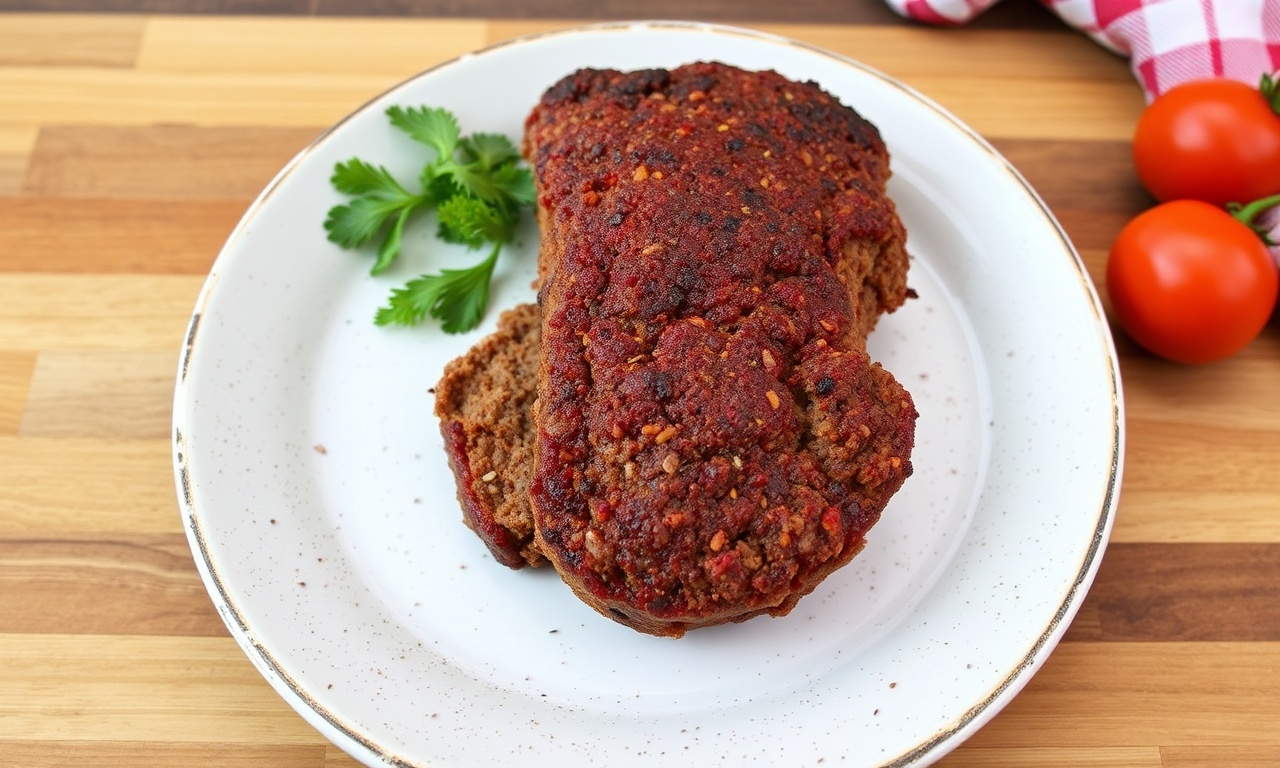
- The Essential Recipe: Easy Carnivore Meatloaf Perfection
- Elevating Your Easy Carnivore Meatloaf: Pro-Tips and Variations
- The Power of Resting: A Carnivore’s Secret
- Glazing for Flavor and Appeal
- Texture Enhancements
- Ingredient Quality Matters
- Nutritional close look: The Carnivore Advantage
- Serving Suggestions for Your Easy Carnivore Masterpiece
- Frequently Asked Questions about Easy Carnivore Meatloaf
The humble meatloaf, a staple of comfort food across many cultures, often relies on breadcrumbs for texture and binding. However, for those embracing a carnivore lifestyle, or simply seeking a more nutrient-dense, grain-free alternative, the traditional approach presents a culinary conundrum. Enter the Easy Carnivore Meatloaf, a revelation in simple, robust flavor that shatters the myth that meatloaf needs fillers to be delicious. This isn’t just a recipe; it’s a gateway to understanding how to build incredible taste and texture using the inherent qualities of meat itself. We’ll explore the science of emulsification, the power of fat, and the magic of patient cooking to create a loaf that’s moist, tender, and profoundly satisfying, all without a single crumb of bread.
Key Takeaways:
- Carnivore meatloaf leverages the natural binding properties of meat proteins and fats, eliminating the need for breadcrumbs or other binders.
- The quality and fat content of the ground meat are paramount to achieving a moist and flavorful result.
- Proper mixing and resting of the meat mixture are crucial for texture and preventing a dense, dry loaf.
- Oven temperature and cooking time must be carefully managed to ensure the meatloaf is cooked through without drying out.
The journey to a perfect Easy Carnivore meatloaf begins with a deep appreciation for the core ingredients. Unlike its breadcrumb-laden cousin, this iteration is a celebration of pure meat. The challenge, and indeed the art, lies in replicating the desirable textural qualities—moisture, tenderness, and a pleasing cohesion—that breadcrumbs typically provide. This requires a nuanced understanding of meat science and cooking techniques. We’re not just mixing ingredients; we’re orchestrating a symphony of flavors and textures derived solely from animal products. This approach aligns with the principles of whole-foods eating, emphasizing nutrient density and minimizing processed components. The goal is a dish that is both deeply satisfying and remarkably simple to prepare, proving that healthy eating can indeed be incredibly delicious.
The Foundation of Flavor: Selecting Your Meats
The cornerstone of any exceptional meatloaf, especially an Easy Carnivore version, is the judicious selection of ground meats. The interplay of different fat contents and flavor profiles is what will elevate your loaf from merely edible to truly spectacular. A common misconception is that leaner is always better, but in the context of meatloaf, fat is not just a flavor enhancer; it’s a critical component for moisture and binding.
For a truly outstanding Easy Carnivore meatloaf, a blend is almost always superior to a single type of meat. A good starting point is often a combination of ground beef and ground pork. Ground beef provides a robust, beefy flavor, and its fat content (ideally 80/20 or 70/30) is crucial. Ground pork adds a distinct richness and a slightly sweeter note, contributing to a more complex flavor profile and excellent moisture. The higher fat content in pork is particularly beneficial in a breadcrumb-free recipe.
Consider incorporating other ground meats for added depth. Ground lamb, for instance, brings a unique, earthy flavor that pairs beautifully with herbs and spices (if you choose to use them in a more liberal carnivore approach). Ground veal can add tenderness and a delicate flavor. For a truly decadent experience, a small percentage of ground bacon or even finely diced pancetta can be incorporated, adding a salty, smoky dimension that is incredibly addictive. The key is to achieve a balanced fat-to-lean ratio, typically aiming for around 20-30% fat content in your overall meat mixture. This ensures the meatloaf remains moist and tender throughout the cooking process, preventing the dreaded dry, crumbly outcome.
Beyond Breadcrumbs: The Binding Secrets of Carnivore Cooking
The absence of breadcrumbs in an Easy Carnivore meatloaf might seem like a significant hurdle, but the truth is, meat itself possesses remarkable binding capabilities. This relies on two primary factors: protein coagulation and fat emulsification. When meat is mixed and gently worked, the proteins begin to break down and become more pliable. Upon cooking, these proteins coagulate, essentially “sticking” together and trapping moisture.
The fat content plays an equally vital role. As the meatloaf heats in the oven, the fat melts, lubricating the protein strands and preventing them from becoming dry and tough. This rendered fat also helps to bind the mixture together, creating a cohesive loaf. Think of it like a very rudimentary emulsion, where fat droplets are suspended within the protein matrix. The more effectively the fat is distributed and integrated, the more moist and cohesive your meatloaf will be.
Eggs are a traditional binder in many meatloaf recipes, and they remain highly effective in a carnivore context. The proteins in egg whites and yolks coagulate readily when heated, providing significant binding power. They also add richness and moisture. For a strictly carnivore diet, whole eggs are typically included. The number of eggs needed can vary depending on the amount of meat and the fat content, but generally, one to two large eggs per pound of meat is a good starting point.
Beyond eggs, the natural stickiness of rendered fat and the protein structure of the meat are the primary binding agents. The technique of gently mixing and allowing the mixture to rest can also enhance this binding. Allowing the meat mixture to sit in the refrigerator for 30 minutes to an hour before shaping and baking gives the proteins and fats time to meld and begin the binding process, resulting in a loaf that holds together beautifully.
The Essential Recipe: Easy Carnivore Meatloaf Perfection
This recipe is designed to be straightforward yet yield exceptional results. It focuses on high-quality ingredients and fundamental techniques to create a flavorful, moist, and perfectly bound Easy Carnivore meatloaf.
Ingredients:
- 1.5 lbs (680g) Ground Beef (80/20 or 70/30 fat ratio recommended)
- 0.5 lb (225g) Ground Pork (higher fat content is beneficial)
- 1 large Egg, lightly beaten
- 1 tsp Salt (or to taste)
- 0.5 tsp Black Pepper (or to taste)
- Optional additions for enhanced flavor (depending on your carnivore approach):
- 1-2 cloves Garlic, minced (if including alliums)
- 1 tbsp Worcestershire sauce (check ingredients for compliance)
- 1 tsp Onion powder (if including alliums)
Preparation Method:
1. Preheat Oven & Prepare Pan: Preheat your oven to 350°F (175°C). Line a baking sheet with parchment paper or a silicone baking mat for easy cleanup. Alternatively, you can shape the loaf directly on the baking sheet. 2. Combine Meats: In a large mixing bowl, gently combine the ground beef and ground pork. Avoid overmixing at this stage; you want to keep the meat tender. 3. Incorporate Binders and Seasonings: Add the lightly beaten egg, salt, pepper, and any optional flavorings (garlic, Worcestershire sauce, onion powder) to the bowl. 4. Mix Gently: Using your hands (the best tool for this), gently mix all the ingredients together until just combined. Be careful not to overwork the mixture, as this can lead to a tough meatloaf. The goal is to evenly distribute the seasonings and egg without compacting the meat too much. 5.
Shape the Loaf: Transfer the meat mixture to the prepared baking sheet. Gently shape it into a free-form loaf, about 8-9 inches long and 3-4 inches high. You can also use a loaf pan, but a free-form loaf tends to cook more evenly and develop a better crust. If using a loaf pan, ensure it’s not packed too tightly. 6. Rest (Optional but Recommended): For optimal binding and texture, cover the shaped loaf loosely with plastic wrap and refrigerate for at least 30 minutes. This allows the flavors to meld and the proteins to set slightly. 7. Bake: Place the meatloaf in the preheated oven. Bake for 45-60 minutes, or until the internal temperature reaches 160°F (71°C) when measured with a meat thermometer inserted into the thickest part of the loaf. The cooking time will vary depending on the thickness of your loaf and your oven. 8.
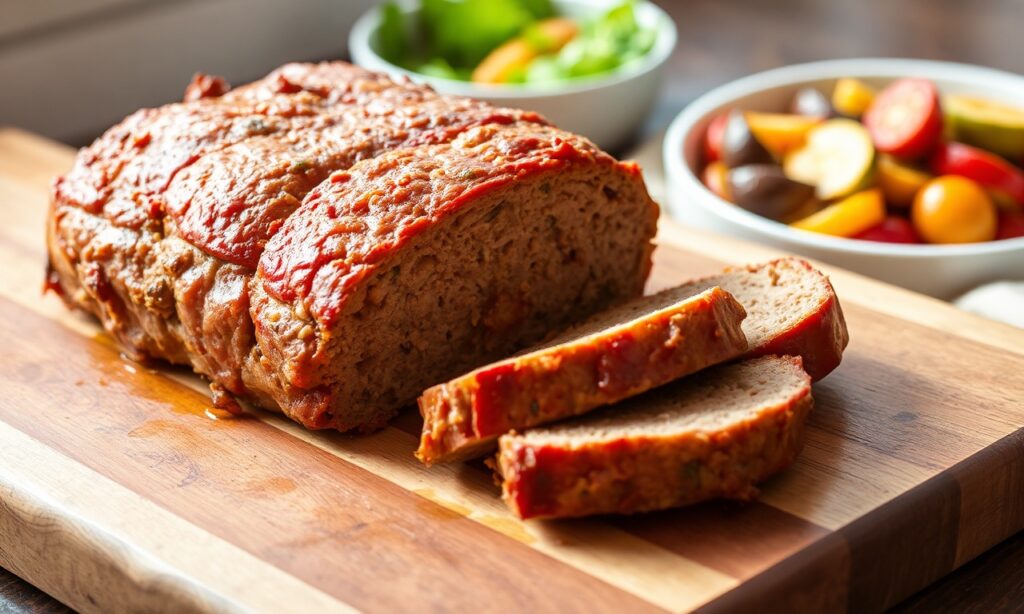
Rest After Baking: Once cooked, remove the meatloaf from the oven. Let it rest on the baking sheet for 10-15 minutes before slicing. This crucial step allows the juices to redistribute throughout the meatloaf, ensuring a moist and tender final product. If you cut it too soon, the juices will run out, leaving the meatloaf dry. 9. Slice and Serve: Slice the Easy Carnivore meatloaf into thick portions and serve hot.
Elevating Your Easy Carnivore Meatloaf: Pro-Tips and Variations
While the basic recipe for Easy Carnivore meatloaf is robust on its own, several expert techniques and variations can transform it into a culinary masterpiece. These tips focus on maximizing flavor, moisture, and texture, ensuring every bite is a delight.
The Power of Resting: A Carnivore’s Secret
As mentioned in the preparation steps, allowing the meat mixture to rest in the refrigerator for at least 30 minutes before baking is a significant advantage. This step is often overlooked but is critical for developing the binding properties of the meat. During this resting period, the salt begins to break down the meat proteins, making them more pliable and better able to absorb moisture and bind together. Research in food science has demonstrated that resting meat mixtures can significantly improve their cohesiveness and tenderness. For instance, studies have explored how salt affects meat protein structure, leading to enhanced water-holding capacity and improved texture. This simple step is a cornerstone of achieving that perfect, non-crumbly texture in your Easy Carnivore meatloaf.
Glazing for Flavor and Appeal
While many carnivores stick to unadorned meat, a simple glaze can add an incredible layer of flavor and visual appeal without compromising the diet. For a strict carnivore approach, a glaze made from rendered bacon fat or a reduction of beef broth can be brushed onto the meatloaf during the last 15-20 minutes of baking. For those who include dairy, a simple mix of melted butter and a touch of Worcestershire sauce (ensuring it’s compliant) can create a delicious, savory crust. Even a simple basting with the pan juices during the final stages of cooking can imbue the meatloaf with extra moisture and a richer flavor profile.
Texture Enhancements
To further enhance the texture without breadcrumbs, consider incorporating finely ground pork rinds (if your carnivore approach allows) or even a small amount of finely grated Parmesan cheese (again, depending on your specific dietary guidelines). These can add a subtle crispness and depth of flavor. Another technique is to add a small amount of finely diced and sautéed mushrooms (if permitted) or even some finely chopped cooked bacon into the meat mixture itself. These additions can provide pockets of moisture and flavor, breaking up the uniformity of the loaf.
Ingredient Quality Matters
Never underestimate the impact of the quality of your meat. Sourcing high-quality, grass-fed beef and pasture-raised pork can make a noticeable difference in the flavor and nutritional profile of your Easy Carnivore meatloaf. These meats often have a richer taste and a better fat composition, contributing to a superior end product.
Nutritional close look: The Carnivore Advantage
The Easy Carnivore meatloaf offers a compelling nutritional profile, particularly for those focusing on nutrient density and minimizing carbohydrates. By eliminating breadcrumbs and other grain-based fillers, this recipe maximizes the intake of essential macronutrients and micronutrients naturally present in meat.
A typical serving (approximately 1/6th of the recipe, assuming 2 lbs total meat) of this Easy Carnivore Meatloaf would provide substantial amounts of:
- Protein: Meat is an excellent source of complete protein, containing all nine essential amino acids necessary for muscle repair, immune function, and overall bodily processes. Protein also contributes significantly to satiety, helping you feel full and satisfied for longer periods.
- Healthy Fats: The fat content in the ground meats provides energy and is crucial for the absorption of fat-soluble vitamins (A, D, E, and K). For individuals adhering to ketogenic or low-carb diets, the healthy fats in meatloaf are a primary energy source. Research indicates that dietary fat matter significantly in hormone production and cellular function. According to nutritional data, a 4-ounce serving of 80/20 ground beef contains approximately 18 grams of fat and 22 grams of protein, with negligible carbohydrates.
- Vitamins and Minerals: Meat is a rich source of B vitamins, particularly B12, niacin, and riboflavin, which are essential for energy metabolism and neurological function. It also provides vital minerals such as iron (especially heme iron, which is highly bioavailable), zinc, and selenium. Iron is critical for oxygen transport in the blood, while zinc is important for immune function and wound healing. Selenium acts as a powerful antioxidant.
The absence of carbohydrates makes this dish particularly appealing for individuals managing blood sugar levels or following ketogenic diets. The focus on whole, unprocessed animal products aligns with the principles of nutrient-dense eating, ensuring that calories consumed are packed with beneficial compounds.
Serving Suggestions for Your Easy Carnivore Masterpiece
The beauty of Easy Carnivore meatloaf lies in its versatility. It pairs exceptionally well with a variety of side dishes that complement its rich, savory flavor.
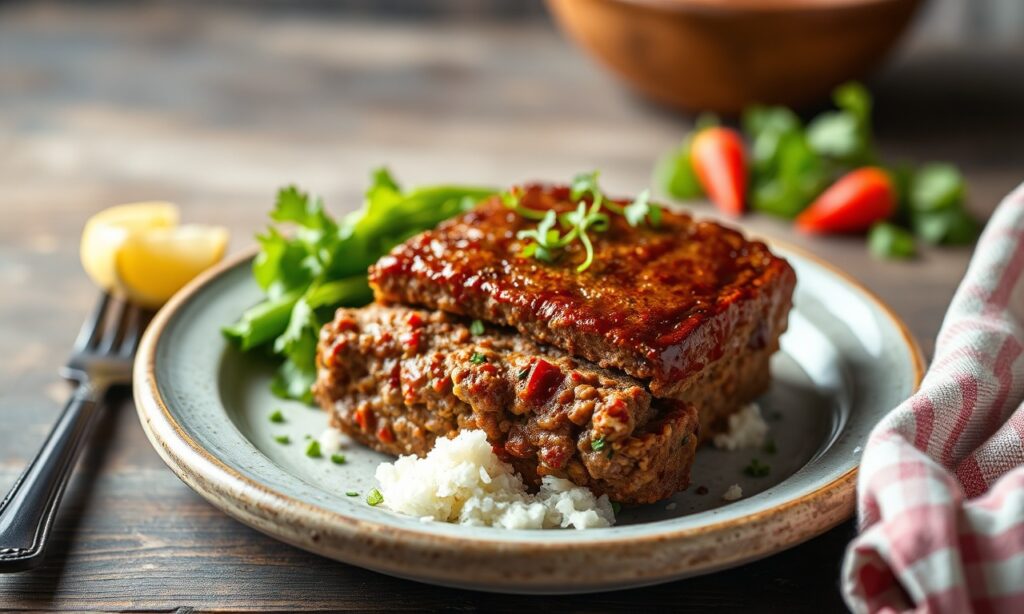
For a truly carnivore-aligned meal, consider serving it with a side of crispy bacon, pan-fried liver (if you’re adventurous and it aligns with your diet), or a simple side salad with a homemade dressing made from olive oil and vinegar. Roasted bone marrow is another decadent and compliant option.
If your carnivore approach is more flexible, consider pairing it with mashed cauliflower or Brussels sprouts. A dollop of sour cream or a rich mushroom gravy (made with compliant ingredients) can also add another layer of indulgence.
The meatloaf itself is hearty enough to be the star of the plate, making it an ideal option for weeknight dinners or weekend gatherings. Its comforting nature and robust flavor ensure it will be a crowd-pleaser, even among those who don’t strictly adhere to a carnivore diet.
Frequently Asked Questions about Easy Carnivore Meatloaf
How do I prevent my Easy Carnivore meatloaf from drying out?
The key to a moist Easy Carnivore meatloaf lies in using meat with an adequate fat content (ideally 20-30%), not overmixing the meat, and allowing the loaf to rest after baking. Using an egg as a binder also contributes to moisture. Ensure you cook it to the correct internal temperature (160°F/71°C) and avoid overcooking.
Can I add vegetables to my Easy Carnivore meatloaf?
While a strict carnivore diet typically excludes vegetables, some individuals on modified carnivore or ketogenic diets may include them. If you choose to add vegetables, finely grate or mince them (like onions, bell peppers, or mushrooms) and consider sautéing them first to reduce moisture content. However, be mindful that this deviates from a strict carnivore approach and will introduce carbohydrates.
What is the best way to store leftover Easy Carnivore meatloaf?
Leftover Easy Carnivore meatloaf can be stored in an airtight container in the refrigerator for up to 3-4 days. It reheats well in a skillet over medium heat or in a moderate oven. It can also be enjoyed cold, sliced thinly.
Why is my Easy Carnivore meatloaf falling apart?
If your Easy Carnivore meatloaf is falling apart, it likely lacks sufficient binding. This can be due to using meat that is too lean, not enough egg, or insufficient mixing. Ensure your meat mixture has at least 20% fat, use a whole egg, and gently mix until just combined. Allowing the mixture to rest in the refrigerator before baking can also significantly improve its structural integrity.
Can I freeze Easy Carnivore meatloaf?
Yes, Easy Carnivore meatloaf freezes very well. Once cooled, wrap it tightly in plastic wrap, then in aluminum foil or place it in a freezer-safe container. It can be frozen for up to 2-3 months. Thaw it in the refrigerator overnight before reheating. Cooked, frozen meatloaf can also be reheated directly from frozen, though it may take longer.
The Easy Carnivore meatloaf is more than just a recipe; it’s proof of the power of simple, whole ingredients prepared with mindful technique. By understanding the science of meat and embracing the inherent qualities of animal products, you can create a dish that is both deeply satisfying and remarkably healthy. This no-breadcrumb perfection offers a flavorful, nutrient-dense option for anyone looking to simplify their diet without sacrificing taste or texture.
See also: Easy Carnivore