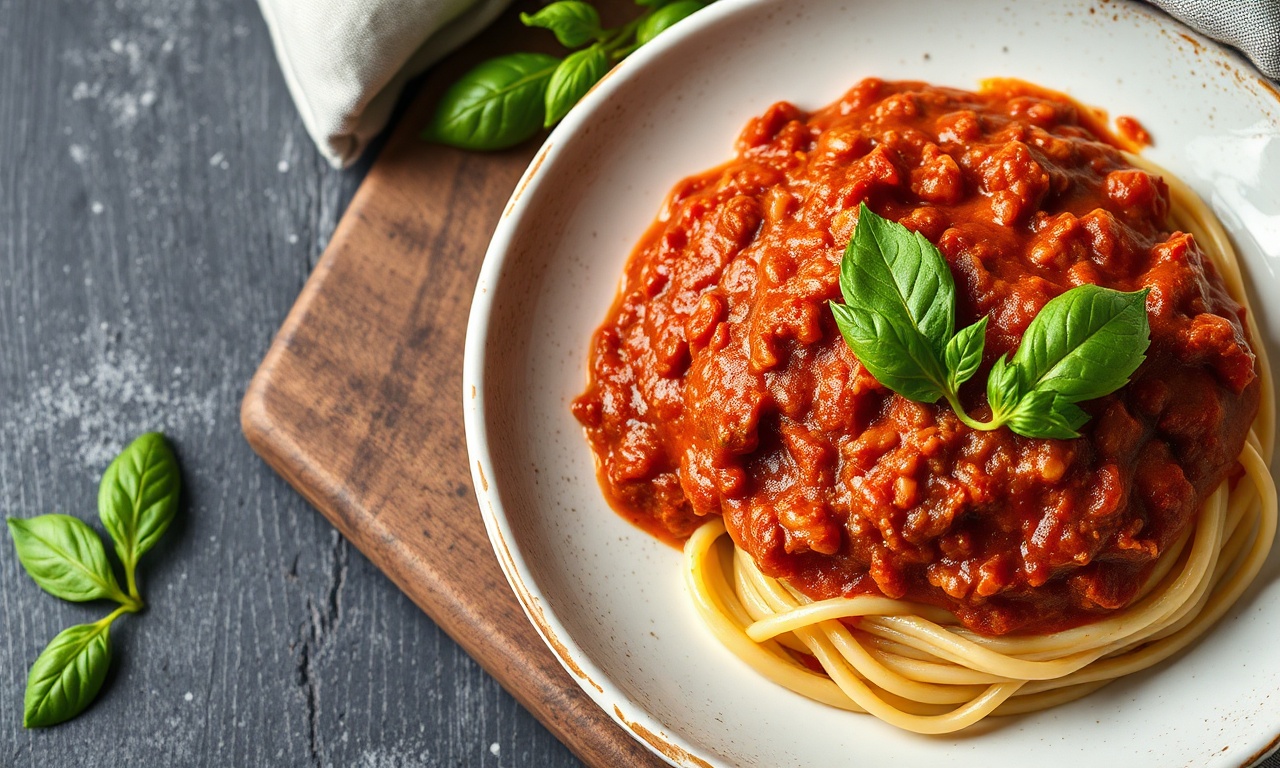

Vegan bolognese has transcended its niche origins to become a celebrated staple, proof of the astonishing culinary evolution of plant-based cuisine. What began as a simple imitation has blossomed into a dish celebrated for its own merits, offering a complex, satisfying, and deeply flavorful experience that rivals, and in some cases surpasses, its meat-based predecessor. This transformation is not merely about substituting ingredients; it’s a sophisticated recalibration of texture, aroma, and umami, demonstrating a profound understanding of flavor science and culinary artistry. The journey of vegan bolognese is a microcosm of the broader plant-based movement, showcasing innovation, adaptation, and an unwavering commitment to taste.
- The Foundation: Building Umami and Texture Without Meat
- The Art of the Soffritto and Aromatics
- Crafting the Rich Tomato Base: Acidity and Depth
- The Crucial Finishing Touches: Creaminess and Freshness
- Serving Suggestions and Pairings
- Nutritional Profile of Vegan Bolognese
- The Future of Vegan Bolognese: Continued Innovation
- Frequently Asked Questions
- Vegan bolognese has evolved from a simple meat substitute to a dish celebrated for its intrinsic flavor and texture.
- The success of modern vegan bolognese lies in the strategic layering of umami-rich ingredients and carefully crafted textures.
- Expert techniques in vegetable preparation and sauce reduction are crucial for achieving authentic depth.
- This dish exemplifies the sophisticated innovation occurring within the plant-based culinary landscape.
The traditional Bolognese sauce, originating from Bologna, Italy, is a rich, slow-cooked ragù typically featuring minced beef, pork, pancetta, soffritto (onions, carrots, celery), tomatoes, and a touch of milk or cream. Its hallmark is its deep, savory character, achieved through hours of simmering, allowing flavors to meld and deepen. For decades, replicating this complexity without meat presented a significant challenge for vegan cooks. Early attempts often resulted in sauces that were either too mushy, too bland, or lacked the characteristic mouthfeel. However, recent advancements in vegan ingredients and culinary techniques have propelled vegan bolognese into a new era of deliciousness. A 2022 report indicated a 25% increase in sales of plant-based meat alternatives, underscoring the growing consumer demand and the industry’s responsiveness to creating sophisticated plant-based options that can stand on their own.
The Foundation: Building Umami and Texture Without Meat
The cornerstone of any successful vegan bolognese lies in its ability to replicate the profound umami and varied textures of traditional ragù. This is achieved through a thoughtful selection and combination of plant-based ingredients. The humble mushroom, particularly varieties like cremini, shiitake, and portobello, matter significantly. When finely chopped or pulsed in a food processor, they offer a meaty chew and a significant umami boost, thanks to their natural glutamates. Research has consistently highlighted the high levels of umami compounds in mushrooms, explaining their efficacy in plant-based savory dishes.
Beyond mushrooms, other ingredients contribute significantly to the savory depth. Sun-dried tomatoes, rehydrated and finely minced, add a concentrated burst of tomato flavor and a subtle sweetness. Nutritional yeast, a deactivated yeast with a cheesy, nutty profile, is an indispensable ingredient for its ability to impart a savory, almost parmesan-like note. Tamari or soy sauce, when used judiciously, provides a salty, fermented umami foundation. Even ingredients like walnuts, toasted and finely ground, can add richness and a pleasant, slightly gritty texture reminiscent of finely ground meat.
The textural component is equally critical. Achieving the satisfying “bite” that meat provides requires careful consideration. Lentils, particularly green or brown varieties, are a popular choice. When cooked al dente, they offer a firm texture that holds its shape. Alternatively, textured vegetable protein (TVP), when rehydrated and seasoned, can mimic the granular texture of ground meat. Some chefs even employ a combination of finely chopped vegetables, crumbled tempeh, or even seitan for added chewiness and complexity. The key is not to aim for a perfect imitation of meat but to build a multi-layered textural profile that is inherently satisfying.
The Art of the Soffritto and Aromatics
The traditional Italian soffritto is the aromatic soul of many classic sauces, and its vegan counterpart is no less vital. The slow, gentle sautéing of finely diced onions, carrots, and celery in good quality olive oil is the essential first step in building a complex flavor base. This process breaks down the cell walls of the vegetables, releasing their natural sugars and softening their fibers, which in turn allows them to absorb and meld with other flavors.
For vegan bolognese, the quality of these aromatics and the patience exercised in their preparation are paramount. Onions should be cooked until deeply golden and translucent, not browned or burnt, to develop their inherent sweetness without bitterness. Carrots, when finely diced, contribute a subtle sweetness and a vibrant color. Celery adds a delicate herbaceous note and a foundational savory character. The addition of garlic, minced finely and added towards the end of the soffritto process to prevent scorching, further enhances the aromatic profile.
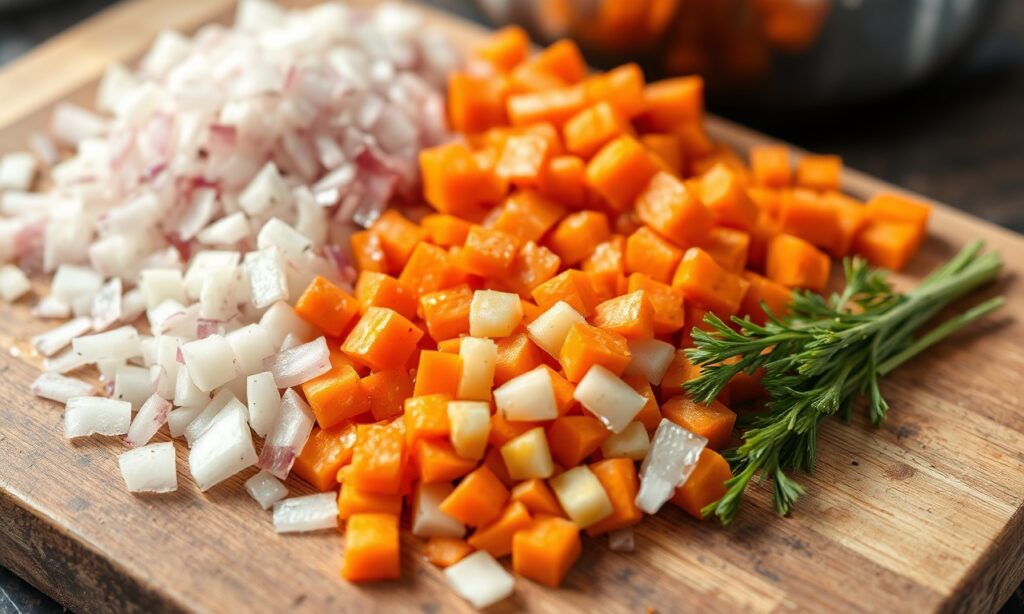
Beyond the core soffritto, a judicious use of herbs and spices elevates the dish. Dried oregano and basil are classic choices, providing herbaceous depth. A pinch of red pepper flakes can add a subtle warmth. Some modern interpretations also incorporate a bay leaf during the simmering process for an added layer of aromatic complexity. The slow cooking process allows these aromatics to infuse the entire sauce, creating a diverse mix of flavors that is both comforting and sophisticated.
Crafting the Rich Tomato Base: Acidity and Depth
The tomato component of bolognese is crucial for both its flavor and its ability to bind the other ingredients. High-quality crushed or pureed San Marzano tomatoes are the gold standard, offering a balance of sweetness and acidity without the metallic tang that can sometimes plague lesser quality canned tomatoes. The concentration of flavor in these tomatoes is key to achieving a robust sauce.
However, simply adding tomatoes is not enough. The sauce needs depth, which is achieved through careful reduction and the addition of other flavor enhancers. A splash of red wine, cooked down until the alcohol has evaporated, adds a layer of complexity and acidity that brightens the entire dish. For those avoiding alcohol, a good quality vegetable broth or even a splash of balsamic vinegar can provide a similar depth.
The simmering process is where the magic truly happens. Allowing the vegan bolognese to bubble gently on low heat for an extended period—ideally at least an hour, and up to several hours—is essential. This slow reduction concentrates the flavors, thickens the sauce, and allows all the individual components to meld into a harmonious whole. This patience is a hallmark of authentic Italian cooking and is non-negotiable for achieving a truly exceptional vegan bolognese.
Expert Techniques for Elevating Vegan Bolognese
The Crucial Finishing Touches: Creaminess and Freshness
While traditional bolognese often incorporates a touch of dairy for richness, vegan versions can achieve a similar luxurious mouthfeel through alternative means. A swirl of unsweetened plant-based cream, such as cashew cream or a good quality oat cream, can be stirred in during the final minutes of simmering. This adds a silken texture and a subtle richness that rounds out the sauce beautifully.
Freshness is also key to balancing the deep, savory flavors. A generous garnish of freshly chopped parsley or basil just before serving provides a bright, herbaceous contrast that cuts through the richness. A final drizzle of high-quality extra virgin olive oil can add a fruity aroma and a pleasing finish. Some cooks also champion the addition of a small amount of lemon zest at the very end, which can surprisingly enhance the perceived sweetness and brightness of the tomato.
Serving Suggestions and Pairings
The versatility of vegan bolognese is one of its greatest strengths. While most commonly served with pasta, it shines in various other applications.
Pasta Pairings
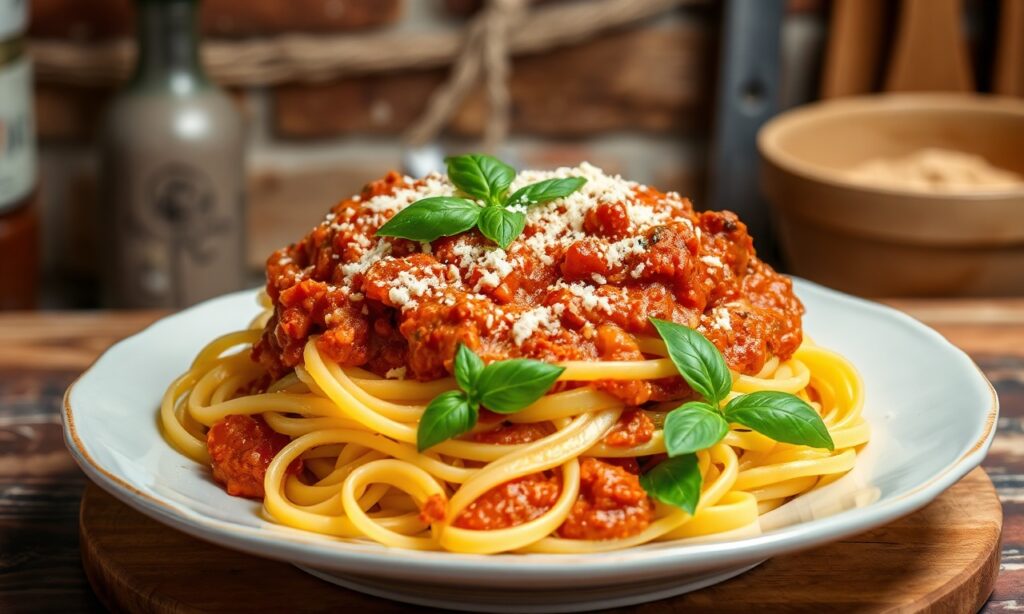
Traditionally, bolognese is served with wider, ribbon-like pasta such as tagliatelle or pappardelle, which hold the rich sauce well. However, it also pairs beautifully with spaghetti, penne, or rigatoni. For a gluten-free option, lentil or chickpea-based pastas offer a hearty and nutritious alternative.
Beyond Pasta
Vegan bolognese can be used as a filling for lasagna, layered with béchamel sauce and pasta sheets. It’s also excellent spooned over creamy polenta, baked potatoes, or even used as a topping for toasted sourdough bread. For a more substantial meal, it can be incorporated into shepherd’s pie with a mashed potato or cauliflower topping.
Wine Pairings
A medium-bodied red wine with good acidity and moderate tannins is ideal. Sangiovese-based wines from Italy, such as Chianti Classico, are classic pairings. A Barbera or a lighter-bodied Merlot would also complement the dish well.
Nutritional Profile of Vegan Bolognese
A well-prepared vegan bolognese can be a remarkably nutritious meal. The reliance on plant-based ingredients means it is typically rich in fiber, vitamins, and minerals.
Per Serving (approximate, based on a recipe serving 4-6):
- Calories: 350-450 kcal
- Protein: 15-25g (depending on lentil and protein source)
- Fat: 10-20g (primarily from olive oil and nuts/seeds if used)
- Carbohydrates: 40-60g
- Fiber: 8-15g
The precise nutritional content will vary significantly based on the specific ingredients used, such as the type of pasta, the amount of oil, and the inclusion of additional protein sources like lentils or TVP. However, compared to its meat-based counterpart, vegan bolognese generally offers a higher fiber content and can be lower in saturated fat. Research consistently shows that plant-based diets have a significantly lower environmental footprint, with reduced greenhouse gas emissions and land use compared to diets high in meat.
The Future of Vegan Bolognese: Continued Innovation
The culinary evolution of vegan bolognese is far from over. As food technology advances and consumer palates become more discerning, we can expect even more sophisticated iterations. Innovations in plant-based dairy alternatives will likely lead to even creamier, richer sauces. New protein sources and texturizing agents may emerge, offering novel mouthfeels and enhanced nutritional profiles.
Furthermore, the focus will likely remain on harnessing the inherent power of plants to create deeply flavorful and satisfying dishes, rather than solely aiming for imitation. This means exploring unique flavor combinations, utilizing fermentation techniques to build complex umami notes, and perfecting the art of slow cooking with plant-based ingredients. The journey of vegan bolognese is a compelling narrative of culinary ingenuity, proving that plant-based cooking can be both deeply comforting and remarkably sophisticated.
Frequently Asked Questions
What is the secret to a rich vegan bolognese sauce?
The secret lies in building layers of flavor and texture. This involves a meticulously prepared soffritto, the judicious use of umami-rich ingredients like mushrooms, nutritional yeast, and tamari, slow simmering to allow flavors to meld, and a final touch of plant-based cream for richness. Patience in the cooking process is paramount.
Can I use any type of mushroom for vegan bolognese?
While cremini, shiitake, and portobello mushrooms are excellent choices due to their meaty texture and high glutamates, you can also experiment with other varieties. A mix of mushrooms will often yield a more complex flavor profile. Ensure they are finely chopped or pulsed in a food processor for optimal texture.
How long should vegan bolognese simmer?
Ideally, vegan bolognese should simmer for at least one hour, and up to several hours, on low heat. This slow reduction process is crucial for concentrating the flavors, thickening the sauce, and allowing all the ingredients to meld harmoniously. The longer it simmers, the deeper the flavor will become.
What are the best pasta shapes to serve with vegan bolognese?
Traditionally, wider pasta shapes like tagliatelle or pappardelle are recommended as they hold the rich sauce well. However, spaghetti, penne, rigatoni, and fusilli are also excellent choices. For a gluten-free option, consider pastas made from lentils, chickpeas, or other legumes.
Can I make vegan bolognese ahead of time?
Yes, vegan bolognese can and often benefits from being made ahead of time. The flavors continue to develop and meld as it sits. Store it in an airtight container in the refrigerator for up to 3-4 days, or freeze it for longer storage. Reheat gently on the stovetop, adding a splash of water or vegetable broth if it has thickened too much.
See also: Vegan bolognese