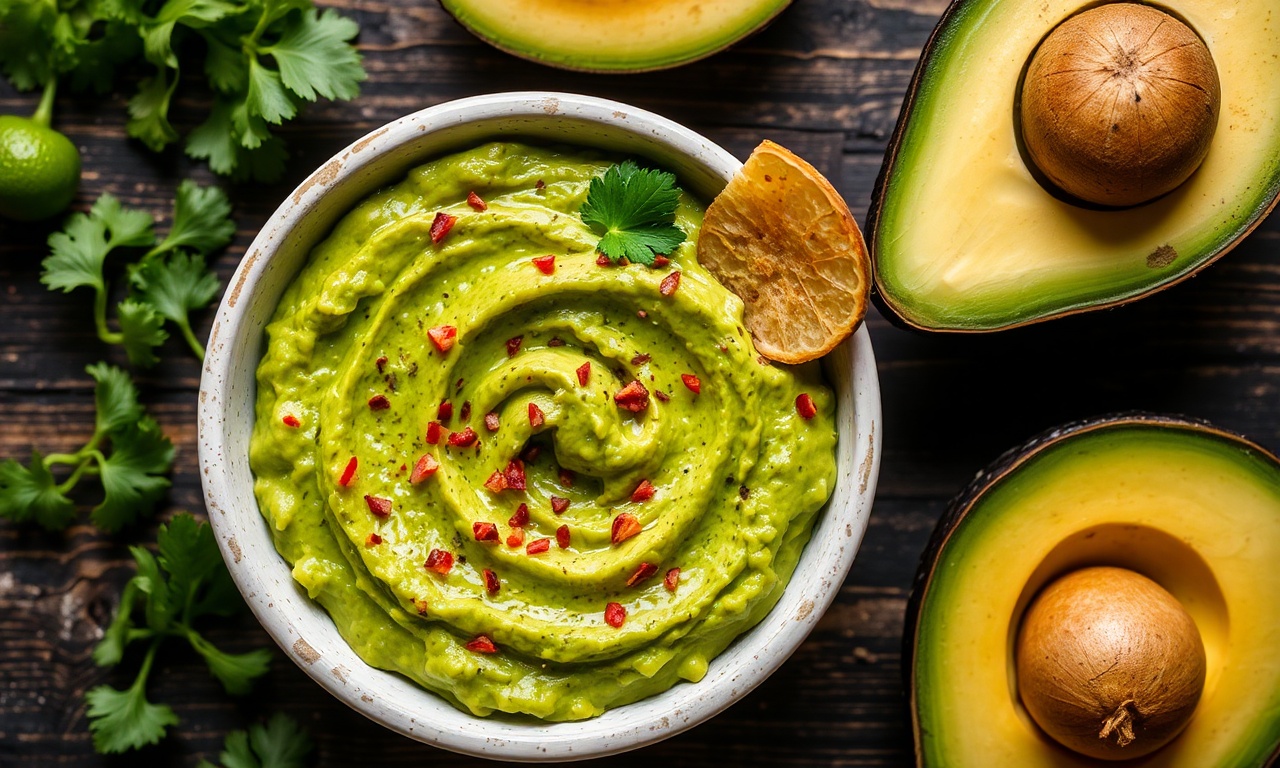

Has the quest for truly exceptional guacamole become a culinary Everest for you? Do you find yourself staring at a bowl of something merely *adequate*, yearning for that vibrant, complex flavor that transports you to a sun-drenched Mexican plaza? The truth is, crafting perfect guacamole isn’t about a secret ingredient or a mystical incantation; it’s about understanding the subtle alchemy of fresh components, precise technique, and a discerning palate. Forget the store-bought pastes and the overly complicated recipes that promise the moon but deliver mediocrity. This is about harnessing the straightforward brilliance of a dish that, in its purest form, is proof of the power of simplicity.
- The Foundation: Selecting and Preparing Your Avocados
- The Essential Trio: Onion, Cilantro, and Lime
- Crafting the Perfect Texture and Heat
- The Professional’s Secrets to Elevated Guacamole
- The Role of Salt: More Than Just Seasoning
- The Garlic Conundrum: To Add or Not To Add?
- Beyond the Basics: Optional Enhancements
- The Art of Presentation and Serving
- The Science of Avocado Browning
- Nutritional Profile of Guacamole
- Frequently Asked Questions about Guacamole
- Mastering guacamole hinges on the quality and ripeness of your avocados.
- The balance of acidity and heat is paramount, achieved through lime juice and chili peppers.
- Texture is as crucial as flavor; a slightly chunky consistency is preferred by most connoisseurs.
- Freshness is non-negotiable; prepare guacamole just before serving for optimal taste and color.
The cultural bedrock of guacamole is as rich as its flavor profile. Originating with the Aztecs in the 15th century, the name “guacamole” itself is derived from the Nahuatl words “ahuacatl” (avocado) and “molli” (sauce or mixture). It was a staple, celebrated for its nutritional value and versatility. Today, this ancient delight has transcended borders, becoming a beloved appetizer and accompaniment worldwide. Its enduring appeal lies in its ability to be both comforting and sophisticated, a dish that can grace a casual taco Tuesday or a refined cocktail party with equal aplomb.
The Foundation: Selecting and Preparing Your Avocados
The journey to sublime guacamole begins long before you reach for a knife. It starts in the produce aisle, with the humble avocado. This is where many home cooks falter, treating all avocados equally. The reality is that the *type* and *ripeness* of your avocado will dictate the texture and flavor of your final dish. For guacamole, the Hass avocado reigns supreme. Its bumpy, dark skin signals a creamy, rich flesh with a high oil content, which translates to a luxurious mouthfeel and a depth of flavor that other varieties simply cannot match.
When selecting Hass avocados, avoid those that are too hard or too soft. A perfectly ripe avocado will yield gently to firm, but not mushy, pressure. If you can easily indent it with your thumb, it’s likely overripe, and the flesh may be bruised or stringy. Conversely, if it feels like a rock, it needs more time. A subtle trick is to check the stem. Gently peel back the small nub at the top. If it comes off easily and reveals a vibrant green underneath, the avocado is ripe. If it’s brown or black, the fruit is likely bruised or past its prime.
Once you have your perfectly ripe avocados, the preparation is straightforward, but technique matters. Slice the avocado lengthwise, working your knife around the large central pit. Gently twist the two halves to separate them. To remove the pit, never strike it with your knife directly, as this is a common cause of injury. Instead, firmly but carefully lodge the tip of your knife into the pit, twist slightly, and lift it out. You can then scoop the flesh directly into your mixing bowl using a spoon, or score the flesh within the skin in a grid pattern and scoop it out.
The Essential Trio: Onion, Cilantro, and Lime
With your avocados prepped, the supporting cast of characters enters the stage, each playing a critical role in building complexity and balance. The triumvirate of finely diced red onion, fresh cilantro, and freshly squeezed lime juice is non-negotiable for authentic guacamole.
Red onion, when finely minced, provides a subtle, sharp bite that cuts through the richness of the avocado. Some chefs prefer white or yellow onion for a milder flavor, but red onion offers a visually appealing hue and a punchier taste that many find indispensable. The key is to mince it as finely as possible. You can even rinse the diced onion under cold water for a minute and then drain it thoroughly to mellow its intensity if you prefer a less assertive onion flavor.
Cilantro, the herbaceous soul of guacamole, adds a bright, zesty counterpoint. Use only the leaves and tender stems; the tougher, thicker stems can impart a bitter note. Chop it fresh and just before adding it to the bowl. The aroma alone is enough to awaken the senses.
And then, there is lime. Fresh lime juice is the indispensable acid that brightens all the other flavors, preventing the guacamole from tasting flat or greasy. Bottled lime juice, with its often metallic aftertaste, is a culinary sin in this context. Always, always use fresh limes. Squeeze them just before you need them, and strain out any stray seeds. The acidity from the lime not only enhances flavor but also helps to slow down the browning process of the avocado, according to some culinary experts.
Crafting the Perfect Texture and Heat
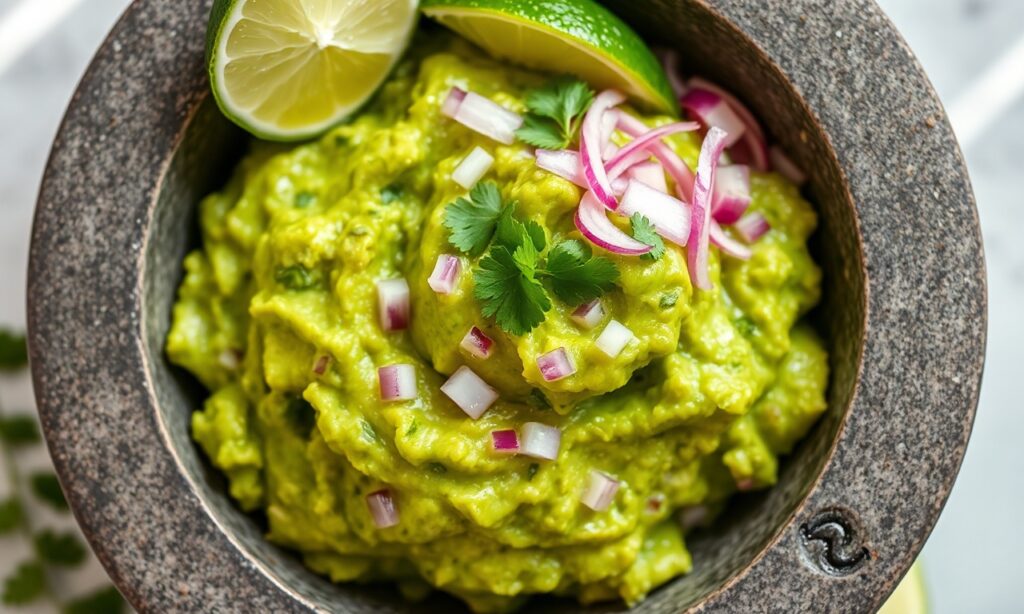
The debate over guacamole texture is as old as the dish itself. Some purists advocate for a completely mashed, smooth consistency, while others champion a chunkier, more rustic approach. The truth is, both can be delicious, but the most revered guacamoles often strike a balance – creamy enough to hold together, yet with discernible pieces of avocado that provide an engaging mouthfeel. To achieve this, use a fork or a potato masher to gently break down the avocados. Avoid over-mashing; you want to leave some texture.
The element of heat is another crucial, and often debated, component. The classic choice is a jalapeño pepper, finely minced. For a milder heat, you can remove the seeds and membranes before dicing. For a more intense kick, consider serrano peppers. The key is to dice them very finely. Some chefs even recommend removing the seeds and membranes from the jalapeño and then soaking the diced pepper in cold water for 10-15 minutes to further mellow its heat while retaining its flavor.
The Professional’s Secrets to Elevated Guacamole
Beyond the foundational ingredients and techniques, several nuanced approaches can elevate your guacamole from merely good to truly extraordinary. These are the subtle refinements that distinguish a home cook’s effort from a chef’s masterpiece.
“The greatest guacamole is born not from complexity, but from the perfect marriage of impeccable ingredients and a respect for their natural flavors.”
The Role of Salt: More Than Just Seasoning
Salt is perhaps the most overlooked yet critical ingredient in guacamole. It doesn’t just add saltiness; it amplifies all the other flavors. Use a good quality sea salt or kosher salt. Start with a small amount, taste, and adjust. You’ll likely need more than you anticipate. The salt helps to meld the creamy avocado, the sharp onion, the bright lime, and the spicy pepper into a harmonious whole.
The Garlic Conundrum: To Add or Not To Add?
This is where opinions diverge wildly. Some chefs insist on adding a small amount of finely minced or grated garlic for an added aromatic punch. Others believe garlic can easily overpower the delicate avocado and prefer to omit it. If you choose to add garlic, use it sparingly. A single small clove, minced incredibly fine, is usually sufficient. Grating it on a microplane can help distribute its flavor more evenly without leaving large, pungent bits.
Beyond the Basics: Optional Enhancements
While a classic guacamole is sublime on its own, a few optional additions can introduce intriguing dimensions. A small amount of finely diced tomato can add a burst of sweetness and moisture, but be mindful not to make your guacamole watery. Some recipes call for a whisper of ground cumin, which can add a subtle earthiness. A tiny dash of hot sauce, like a good quality Cholula or Tapatío, can provide a different kind of heat and complexity. However, remember the golden rule: less is often more. These additions should complement, not dominate, the avocado.
The Art of Presentation and Serving
Guacamole is a dish best served fresh. The vibrant green hue can begin to oxidize and turn brown within an hour or two of preparation, especially if exposed to air. To minimize browning, ensure you press plastic wrap directly onto the surface of the guacamole, creating an airtight seal. This is the most effective method to prevent oxygen from reaching the surface.
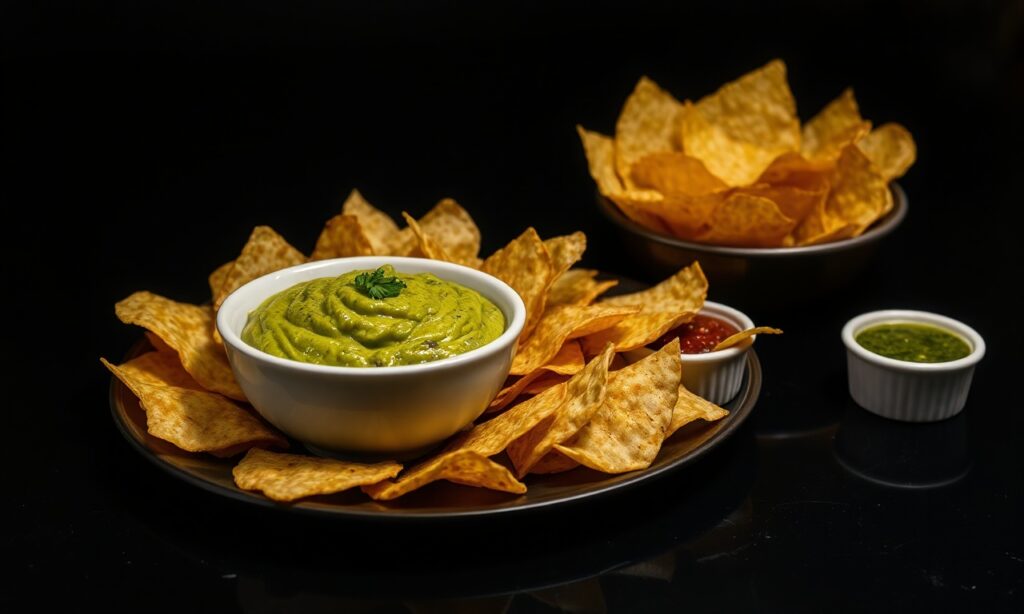
Serve your guacamole with high-quality tortilla chips. Thick, sturdy chips are ideal for scooping. For a more authentic experience, consider serving it with totopos (traditional Mexican fried tortilla chips). It also pairs beautifully with fresh crudités like jicama, bell peppers, and cucumber sticks.
The Science of Avocado Browning
The browning of guacamole is a natural chemical process called oxidation. When the avocado flesh is exposed to oxygen in the air, enzymes called polyphenol oxidases react with phenolic compounds in the avocado, leading to the formation of brown pigments. This is similar to how an apple turns brown when cut. While it’s a cosmetic change and doesn’t necessarily mean the guacamole has spoiled, it can be unappealing.
Research has explored various methods to slow down this oxidation process. While lime juice’s acidity plays a role, its primary function is flavor. The physical barrier of plastic wrap pressed directly onto the surface is often cited as the most effective household method for limiting air exposure and thus, browning. Some professional kitchens may use specialized vacuum sealing techniques, but for home preparation, the direct plastic wrap method is highly recommended.
Nutritional Profile of Guacamole
Guacamole, when made with fresh ingredients, is surprisingly nutritious. Avocados are a powerhouse of healthy monounsaturated fats, which are beneficial for heart health. They are also rich in dietary fiber, potassium, and various vitamins, including K, C, E, and several B vitamins.
A typical serving of guacamole (approximately 2 tablespoons or 30 grams, assuming a standard recipe without excessive additions) contains:
- Calories: Around 50-70 kcal
- Fat: 5-7 grams (mostly monounsaturated)
- Carbohydrates: 3-5 grams
- Fiber: 2-3 grams
- Protein: Less than 1 gram
- Potassium: A significant percentage of the daily recommended intake.
Keep in mind that these figures can vary based on the size of the avocados used, the amount of lime juice, onion, cilantro, and any other ingredients added. For instance, adding tomatoes increases the carbohydrate and fiber content, while the amount of oil used in serving (if any) will impact the overall fat and calorie count.
Frequently Asked Questions about Guacamole
What is the best type of avocado for guacamole?
The Hass avocado is widely considered the best for guacamole due to its creamy texture, high oil content, and rich flavor. Look for avocados that yield gently to pressure when ripe.
How do I prevent guacamole from turning brown?
The most effective method is to press plastic wrap directly onto the surface of the guacamole, ensuring there are no air pockets. This creates an airtight seal, minimizing oxidation. Storing it in an airtight container in the refrigerator is also essential.
Can I make guacamole ahead of time?
It’s best to prepare guacamole as close to serving time as possible, ideally within a few hours. While methods exist to slow browning, the fresh flavor and vibrant color are at their peak when made just before serving.
What are the essential ingredients for authentic guacamole?
The core ingredients for authentic guacamole are ripe avocados, finely diced red onion, fresh cilantro, freshly squeezed lime juice, and salt. Adjusting the amount of jalapeño or serrano pepper controls the heat.
Is guacamole healthy?
Yes, guacamole is generally considered healthy. Avocados are rich in monounsaturated fats, fiber, and essential vitamins and minerals. However, like any dish, moderation is key, and be mindful of the salt and any added ingredients.
See also: Guacamole Recipe