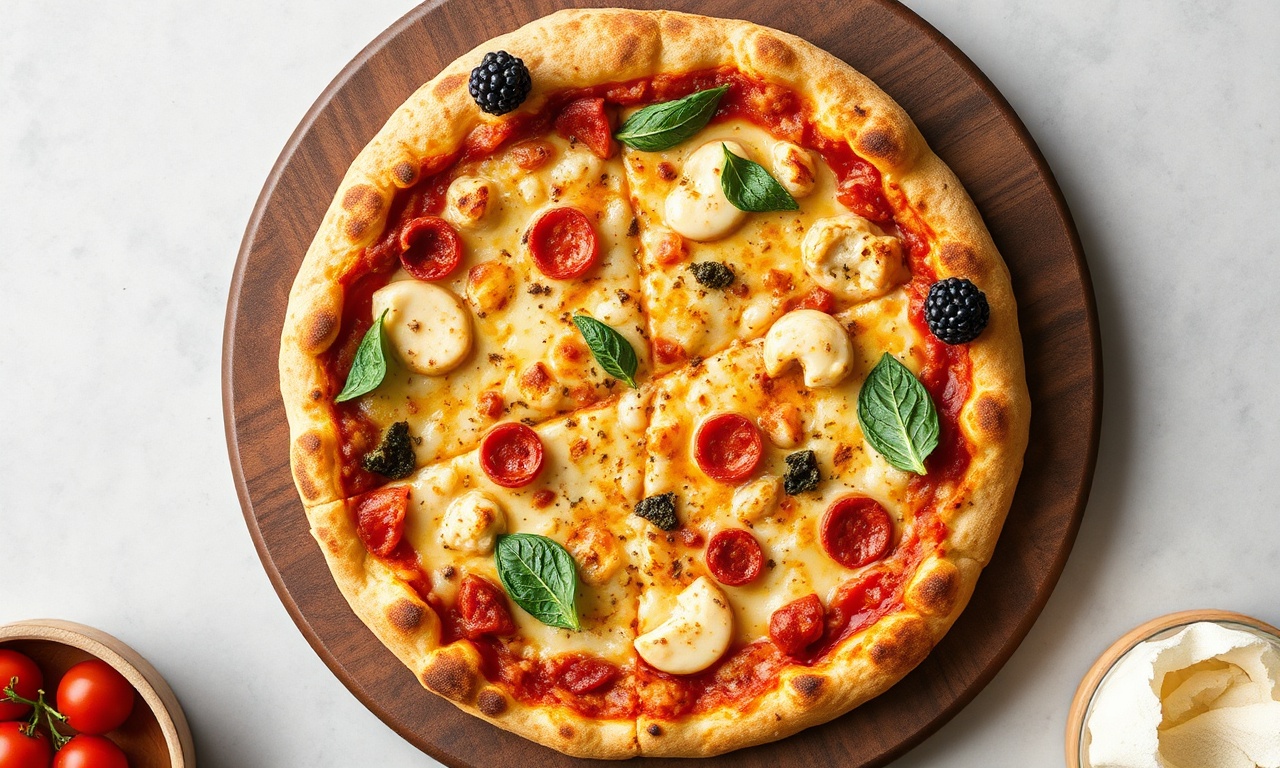

“The kitchen is a laboratory where you can discover the most amazing things.” – Unknown
- The Science Behind the Cauliflower Advantage
- Mastering the Keto Cauliflower Pizza Crust: A Step-by-Step Culinary Journey
- Nutritional Information: A Guilt-Free Indulgence
- Elevating Your Keto Cauliflower Pizza: Pro Tips for Restaurant-Quality Results
- The Keto Cauliflower Pizza: A Versatile Culinary Canvas
- Frequently Asked Questions
For legions of pizza enthusiasts, the dream of indulging in a cheesy, saucy slice without derailing their dietary goals often felt like a distant fantasy. The high carbohydrate content of traditional pizza crust has historically been a major obstacle for those adhering to ketogenic, low-carb, or gluten-free lifestyles. However, the culinary landscape has been dramatically reshaped by the emergence of a humble yet revolutionary ingredient: cauliflower. Keto cauliflower pizza crust has rapidly ascended from a niche trend to a staple in kitchens worldwide, offering a truly reliable and delicious solution that doesn’t compromise on flavor or satisfaction. This isn’t merely a substitute; it’s an upgrade, proof of how innovation can transform our relationship with beloved comfort foods.
- Keto cauliflower crust provides a significantly lower carbohydrate and calorie profile compared to traditional wheat-based crusts, making it ideal for ketogenic and low-carb diets.
- The versatility of cauliflower allows for a surprisingly sturdy and flavorful crust that can hold up to generous toppings.
- Mastering the technique of preparing the cauliflower is crucial for achieving the best texture and avoiding a soggy outcome.
- This crust is a fantastic way to increase vegetable intake without sacrificing the joy of pizza night.
The genesis of cauliflower pizza crust can be traced back to the burgeoning popularity of low-carb and ketogenic diets. As individuals sought ways to reduce their carbohydrate intake while still enjoying familiar meals, culinary innovators began experimenting with vegetables as bases for traditionally carb-heavy dishes. Cauliflower, with its mild flavor and pliable texture when cooked, emerged as a prime candidate. Its ability to absorb flavors and bind together with binders like eggs and cheese made it a natural fit for replicating the comforting chew of a pizza crust. Early iterations often struggled with moisture content, leading to less-than-ideal results. However, through persistent experimentation and the sharing of techniques within online communities, the method for creating a consistently excellent keto cauliflower crust has been refined and perfected. Today, it stands as proof of culinary ingenuity, proving that dietary restrictions do not have to mean deprivation.
The Science Behind the Cauliflower Advantage
The appeal of keto cauliflower crust extends far beyond its novelty; it’s grounded in significant nutritional advantages. For individuals following a ketogenic diet, the primary goal is to induce ketosis, a metabolic state where the body burns fat for fuel instead of carbohydrates. Traditional pizza crust, typically made from refined flour, is a carbohydrate powerhouse, often containing 20-30 grams of net carbs per slice. A well-prepared keto cauliflower crust, conversely, can reduce this number to as little as 3-5 grams of net carbs per serving. This dramatic reduction is fundamental to maintaining ketosis. Furthermore, cauliflower itself is a nutritional dynamo. It’s an excellent source of fiber, vitamin C, vitamin K, and several other essential micronutrients. Studies show that increased vegetable consumption, including cruciferous vegetables like cauliflower, is associated with a lower risk of chronic diseases.
By substituting traditional crust with cauliflower, you’re not only cutting carbs but also boosting your intake of beneficial vitamins, minerals, and antioxidants.
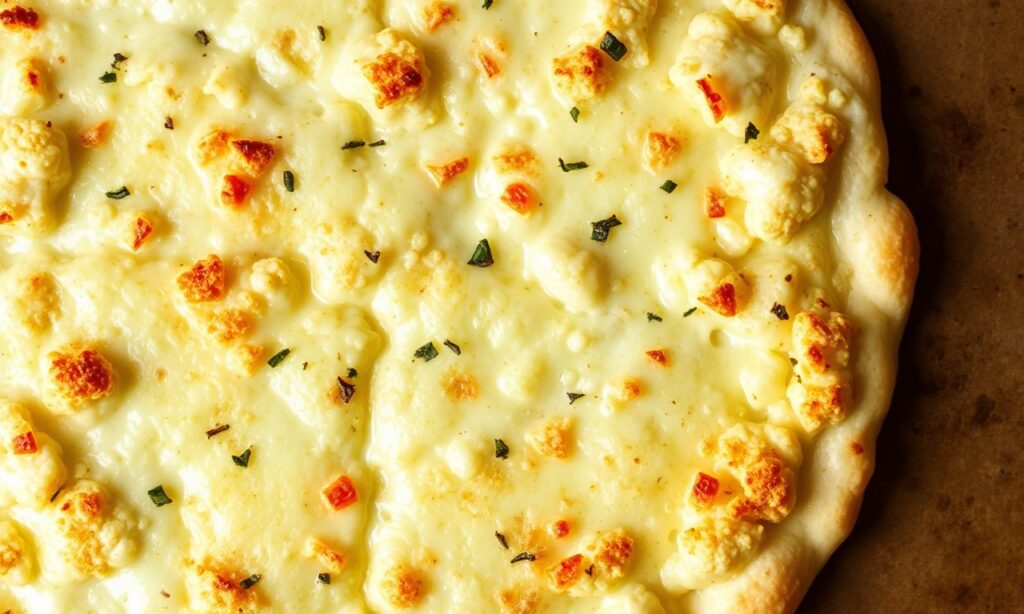
Carbohydrate Content: A Stark Contrast
The numbers speak for themselves. A standard slice of traditional pizza, depending on the crust thickness and toppings, can easily pack upwards of 40 grams of carbohydrates. In contrast, a comparable serving of keto cauliflower pizza crust typically contains between 5-10 grams of total carbohydrates, with net carbs often falling between 3-5 grams after fiber is subtracted. This significant difference is what makes it a cornerstone for ketogenic diets and a viable option for anyone looking to reduce their overall carbohydrate intake. For instance, individuals managing blood sugar levels can find immense relief in a pizza option that doesn’t trigger glycemic spikes. According to data from the U.S. Department of Agriculture (USDA) FoodData Central, 100 grams of raw cauliflower contains approximately 5 grams of carbohydrates, of which 2.4 grams are fiber, resulting in 2.6 grams of net carbs. This inherent low-carb profile is what makes cauliflower such a remarkable base.
Nutritional Powerhouse: More Than Just Low Carb
Beyond its carbohydrate profile, cauliflower offers a wealth of nutrients. Research suggests it may have anti-cancer properties due to compounds like sulforaphane. Additionally, cauliflower provides glucosinolates, which are beneficial plant compounds linked to reduced inflammation. The vitamin C content aids in immune function and skin health, while vitamin K is crucial for blood clotting and bone health. By choosing a keto cauliflower crust, you are not only making a dietary choice but also incorporating a nutrient-dense vegetable into a meal that is often perceived as less healthy. This conscious substitution aligns with principles of healthy eating that prioritize whole foods and nutrient density.
Mastering the Keto Cauliflower Pizza Crust: A Step-by-Step Culinary Journey
Achieving the perfect keto cauliflower crust is an art, but one that is entirely within reach with the right technique. The common pitfalls—a soggy center or a crumbly texture—can be entirely avoided by understanding and implementing a few key steps. The process begins with transforming raw cauliflower into a manageable “riced” form, followed by meticulous moisture removal, binding, and finally, baking.
Ingredients: The Foundation of Flavor
To create a reliably delicious and sturdy keto cauliflower crust, you will need:
- 1 medium head of cauliflower (about 4 cups of florets, yielding approximately 2-3 cups of riced cauliflower)
- 1 large egg, lightly beaten
- 1/2 cup shredded mozzarella cheese (or a blend of mozzarella and cheddar for added flavor)
- 1/4 cup grated Parmesan cheese
- 1 teaspoon dried oregano (or Italian seasoning)
- 1/2 teaspoon garlic powder
- 1/4 teaspoon salt
- Pinch of black pepper
Preparation Method: The Expert’s Touch
Follow these detailed steps to ensure a superior crust:
- Prepare the Cauliflower Rice: Wash and dry the cauliflower thoroughly. Remove the leaves and core, then chop the florets into manageable pieces. You can pulse these in a food processor until they resemble rice grains, or finely grate them using a box grater. Be careful not to over-process into a mush.
- Cook and Dry the Cauliflower: This is arguably the MOST critical step. You need to reduce the moisture content significantly. The most effective methods are:
- Microwave Method: Place the riced cauliflower in a microwave-safe bowl, cover, and microwave on high for 4-5 minutes, or until tender.
- Stovetop Method: Sauté the riced cauliflower in a dry non-stick skillet over medium heat for 5-7 minutes, stirring frequently, until it softens and some moisture evaporates.
- Remove Excess Moisture: Once cooked, transfer the riced cauliflower to a clean kitchen towel or cheesecloth. Allow it to cool slightly until it’s comfortable to handle. Then, squeeze out as much liquid as humanly possible. This step cannot be overstated; the drier the cauliflower, the crisper your crust will be. You’ll be surprised by how much water you can extract.
- Mix the Dough: In a medium bowl, combine the thoroughly squeezed cauliflower with the beaten egg, shredded mozzarella, grated Parmesan, oregano, garlic powder, salt, and pepper. Mix until everything is well incorporated and a cohesive “dough” forms. It will be sticky but should hold together.
- Form the Crust: Preheat your oven to 400°F (200°C). Line a baking sheet with parchment paper. Transfer the cauliflower mixture to the parchment paper. Using your hands or a spatula, press and spread the mixture into a round or rectangular pizza shape, about 1/4 to 1/2 inch thick. Ensure the edges are slightly thicker to prevent toppings from sliding off.
- Pre-bake the Crust: Place the baking sheet in the preheated oven and bake for 15-20 minutes, or until the crust is golden brown and firm to the touch. This pre-baking step is crucial for developing a crispier texture and preventing a soggy bottom once toppings are added.
- Add Toppings and Bake Again: Remove the pre-baked crust from the oven. Add your favorite low-carb pizza sauce, cheese, and toppings. Return the pizza to the oven and bake for another 8-12 minutes, or until the cheese is melted and bubbly and the toppings are heated through.
Nutritional Information: A Guilt-Free Indulgence
The exact nutritional profile will vary based on the size of your pizza and the toppings you choose, but a standard serving (approximately 1/4 of the crust) of the keto cauliflower pizza crust, before toppings, typically offers:
- Calories: 100-150 kcal
- Total Carbohydrates: 5-8g
- Fiber: 2-3g
- Net Carbohydrates: 3-5g
- Protein: 6-10g
- Fat: 5-8g
This makes it an excellent choice for maintaining a low-carb or ketogenic lifestyle while still enjoying the pleasure of pizza. When you factor in low-carb toppings like vegetables, lean proteins, and moderate amounts of cheese, the nutritional benefits are further amplified. For instance, adding mushrooms, bell peppers, and grilled chicken can enhance the fiber and protein content without significantly increasing the carb count.
Portion Control and Topping Choices
While the crust itself is a nutritional marvel, mindful topping choices are essential for staying true to your dietary goals. Opt for sugar-free pizza sauces, and be generous with non-starchy vegetables like spinach, broccoli, zucchini, and onions. Lean proteins such as grilled chicken, turkey pepperoni, or shrimp are excellent additions. If you’re a cheese lover, enjoy in moderation, as cheese adds fat and calories. Avoiding processed meats high in nitrates and sugar, as well as excessive amounts of high-sugar sauces, will keep your pizza firmly within the keto-friendly zone.
Elevating Your Keto Cauliflower Pizza: Pro Tips for Restaurant-Quality Results
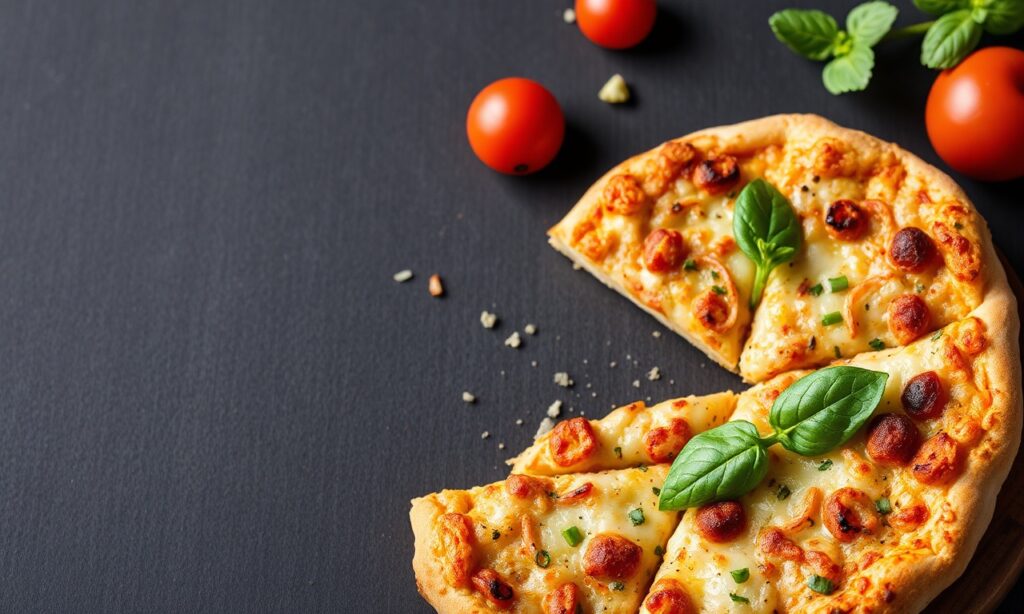
Achieving a truly exceptional keto cauliflower pizza crust goes beyond the basic recipe. A few expert touches can transform it from merely “good” to “unforgettable.” These subtle adjustments focus on enhancing texture, flavor, and overall appeal, ensuring that your homemade pizza rivals anything you’d find at a specialty restaurant.
One of the most common complaints about homemade cauliflower crust is its tendency to become soggy if not handled correctly. The key lies in the thoroughness of moisture removal after cooking the cauliflower rice and the pre-baking stage. Some chefs swear by a second pre-bake or even baking the crust directly on the oven rack (with parchment paper) for maximum air circulation and crisping. Another advanced technique involves adding a tablespoon or two of psyllium husk powder to the cauliflower mixture. Psyllium husk acts as a binder and absorbs moisture, contributing to a firmer, more bread-like texture. Experiment with this addition if you find your crust is still too soft. For enhanced flavor, consider adding a pinch of onion powder or smoked paprika to the dry ingredients, or even a finely minced clove of garlic.
When it comes to baking, a very hot oven and a preheated baking surface are your best friends. These elements contribute significantly to achieving that desirable crispy exterior.
Texture Enhancement Techniques
Beyond simply squeezing out water, consider methods to further dry the cauliflower. After squeezing, spread the riced cauliflower thinly on a baking sheet and bake it in a low oven (around 200°F / 95°C) for 10-15 minutes, stirring occasionally. This additional drying step can yield a noticeably crispier final crust. Another texture enhancer is ensuring the cheese is well-distributed throughout the mixture. This not only adds flavor but also acts as a binder, contributing to a more cohesive crust. When forming the crust, aim for an even thickness, as this promotes uniform cooking. Avoid making it too thick, as this can lead to a dense, doughy center.
Flavor Infusion Strategies
The base flavor of cauliflower is mild, making it an excellent canvas for herbs and spices. Don’t shy away from experimenting with your favorite pizza seasonings. A touch of red pepper flakes can add a pleasant warmth, while fresh herbs like basil or parsley, chopped finely and mixed into the dough, can provide a burst of freshness. For those who enjoy a more robust flavor profile, consider adding a small amount of nutritional yeast to the mixture for a cheesy, umami boost, especially if you’re aiming for a dairy-free option by omitting the cheese. When building your pizza, a thin layer of pesto as a base sauce, instead of traditional tomato sauce, can also introduce a delightful depth of flavor.
The Keto Cauliflower Pizza: A Versatile Culinary Canvas
The beauty of the keto cauliflower pizza crust lies in its adaptability. It’s not just a pizza base; it’s a versatile canvas that can be reimagined in numerous ways, catering to a wide array of tastes and dietary needs. Whether you’re craving a classic Margherita, a loaded meat lover’s, or even a breakfast pizza, this crust can accommodate your culinary aspirations.
One of the most appealing aspects is its ability to serve as a vehicle for a multitude of toppings. From the simplest garlic and herb combinations to gourmet concoctions featuring artichoke hearts, sun-dried tomatoes, and prosciutto, the possibilities are virtually endless. This adaptability makes it an ideal choice for family gatherings, where diverse preferences can be easily satisfied by offering a variety of topping options. Furthermore, for those who are gluten-intolerant or sensitive to wheat, this crust provides a much-needed alternative that doesn’t sacrifice the joy of a homemade pizza. Research has consistently shown the benefits of reducing gluten intake for individuals with celiac disease or non-celiac gluten sensitivity, and keto cauliflower crust offers a delicious way to achieve this.
Beyond Traditional Pizza: Creative Applications
Think outside the traditional pizza box. This versatile crust can be cut into smaller rounds and used as bases for mini quiches or savory tarts. It can also be shaped into breadsticks, perfect for dipping into marinara or cheese sauce. For a breakfast twist, top it with scrambled eggs, bacon, and cheese. The possibilities are limited only by your imagination. This adaptability is a key reason why keto cauliflower crust has become such a reliable staple for health-conscious individuals and families alike.
Catering to Different Dietary Needs
For individuals following a vegan lifestyle, the recipe can be adapted by using a flax egg (1 tablespoon flaxseed meal mixed with 3 tablespoons water, let sit for 5 minutes) and a dairy-free cheese alternative. The core benefits of a low-carb, vegetable-based crust remain, making it a suitable option for a broader audience. Always ensure any added ingredients are compliant with your specific dietary requirements.
Frequently Asked Questions
Is keto cauliflower pizza crust truly healthy?
Yes, keto cauliflower pizza crust is considered a healthy alternative to traditional pizza crust, especially for those managing carbohydrate intake. It is significantly lower in calories and carbohydrates, while being a good source of fiber, vitamins, and minerals. However, the overall healthiness of your pizza will also depend on your topping choices. Opting for nutrient-dense toppings like vegetables and lean proteins will further enhance its health benefits.
What is the best way to avoid a soggy keto cauliflower crust?
The most crucial step to avoid a soggy crust is to thoroughly remove as much moisture as possible from the cooked cauliflower rice. Squeezing it dry using a clean kitchen towel or cheesecloth is essential. Additionally, ensuring a proper pre-bake of the crust until it is golden brown and firm will create a sturdier base that can hold up to toppings. Baking on a preheated pizza stone or steel can also significantly improve crispiness.
Can I make keto cauliflower pizza crust ahead of time?
Yes, you can prepare the cauliflower rice and even pre-bake the crust ahead of time. Once the cauliflower is riced and squeezed dry, you can store it in an airtight container in the refrigerator for up to 2-3 days. The pre-baked crust can also be stored similarly and then topped and baked when you are ready to serve. This makes it a convenient option for quick weeknight meals.
What are some good low-carb topping ideas for keto cauliflower pizza?
Excellent low-carb topping ideas include sugar-free tomato sauce, mozzarella cheese, pesto, spinach, mushrooms, bell peppers, onions, jalapeños, olives, grilled chicken, turkey pepperoni, shrimp, and avocado. Avoid high-carbohydrate toppings like pineapple, sweet corn, and excessive amounts of sugary sauces.
Does keto cauliflower pizza crust taste like cauliflower?
When prepared correctly, the flavor of cauliflower is very mild and is largely masked by the other ingredients, such as cheese, herbs, and pizza sauce. The texture is more akin to a hearty flatbread or a thin crust, rather than the spongy texture that some might associate with plain steamed cauliflower. Many people find it to be a surprisingly delicious and satisfying pizza crust.
See also: Keto Cauliflower