
The Humble Rise of the Parmesan Crisp
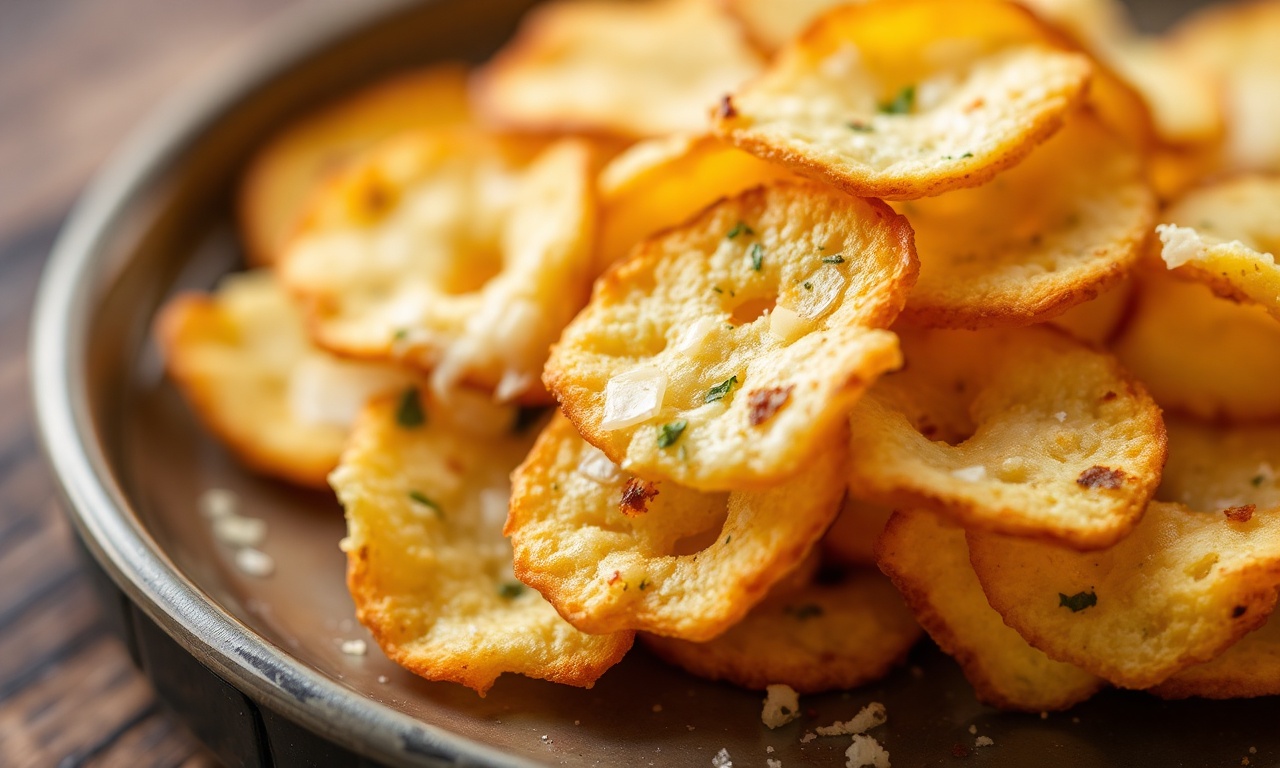
Imagine a culinary landscape often dominated by elaborate preparations and a multitude of exotic ingredients. Then, amidst this complexity, a deceptively simple creation emerges, one that hinges on a single, glorious ingredient and a touch of culinary alchemy. This is the realm of the Parmesan crisp, a snack that transcends mere appetizer status to become a versatile, sophisticated addition to any meal or occasion. These aren’t just cheese crackers; they are delicate, savory lace, offering a profound depth of flavor and a satisfying crunch that belies their effortless preparation. The beauty of the easy ingredient Parmesan crisp lies in its pure essence – the transformative power of cheese itself, coaxed into an elegant form with minimal intervention.
- The Humble Rise of the Parmesan Crisp
- The Magic of Cheese: Understanding Parmesan’s Transformation
- The Essential Recipe: Easy Ingredient Parmesan Crisps
- Nutritional Insights: A Savory, Low-Carb Delight
- Elevating Your Culinary Creations: Versatile Applications
- Tips for Achieving Crispy Perfection Every Time
- The Easy Ingredient Parmesan Crisp: A Culinary Revelation
- Frequently Asked Questions
For those seeking a sophisticated crunch without the fuss, the easy ingredient Parmesan crisp offers a revelation. Its simplicity is its genius, proving that culinary excellence often resides in mastering the fundamentals.
This culinary marvel has seen a resurgence, not just in home kitchens but also gracing the plates of fine dining establishments. Its appeal is multi-faceted: it’s keto-friendly, gluten-free, and incredibly adaptable. Whether you’re looking to elevate a salad, add texture to a soup, or simply indulge in a guilt-free, flavorful snack, the Parmesan crisp delivers. Its polished appearance and exquisite taste make it feel like a special occasion treat, yet its preparation is so straightforward that it can be whipped up in minutes, proving that impressive results don’t always require a complex ingredient list or advanced techniques.
The Magic of Cheese: Understanding Parmesan’s Transformation
At its core, the Parmesan crisp is proof of the Maillard reaction and the unique properties of aged hard cheeses. When subjected to heat, the proteins and sugars within the Parmesan cheese undergo a chemical transformation, resulting in browning and the development of those characteristic nutty, savory notes. The fat content in Parmesan also matter significantly, melting and then re-solidifying as it cools, creating that signature brittle, airy texture. This process is incredibly sensitive to temperature and time, which is where a bit of technique comes into play, but the fundamental ingredient remains the star.
Parmesan Reggiano, in particular, is revered for its complex flavor profile, a result of a minimum 12-month aging process. This extended aging breaks down fats and proteins, intensifying the umami and creating those salty, crystalline flecks you find in authentic Parmigiano Reggiano. According to reports on traditional cheesemaking, the cheese’s distinctive granular texture is due to the formation of tyrosine crystals, amino acids that contribute to its rich, savory taste and contribute to its crisping ability. This depth of flavor is precisely what makes it so perfect for this simple preparation.
Choosing the Right Parmesan
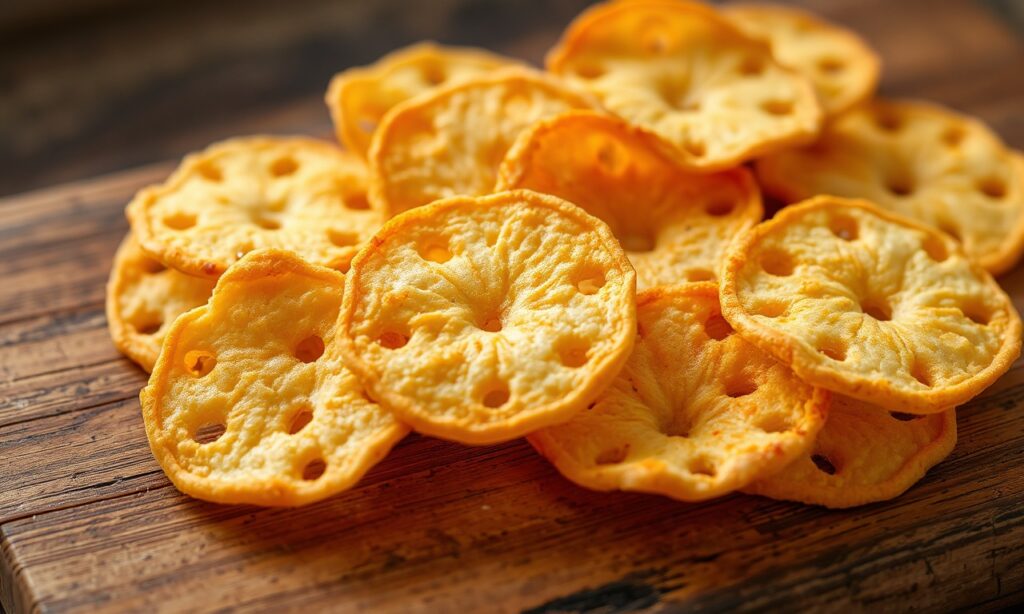
While the recipe is simple, the quality of your Parmesan will significantly impact the final outcome. For the best results, opt for authentic Parmigiano Reggiano or Grana Padano. These hard, aged cheeses have a lower moisture content and a higher fat content, which are ideal for achieving that perfect crisp. Pre-shredded cheeses, often treated with anti-caking agents, can sometimes lead to a less desirable, greasy texture. Therefore, grating your own Parmesan from a wedge is highly recommended.
The Essential Recipe: Easy Ingredient Parmesan Crisps
This recipe is designed for maximum impact with minimum fuss. The “easy ingredient” here is, of course, the Parmesan cheese itself. The magic happens with just a few simple steps, making this an accessible yet impressive culinary achievement.
Ingredients:
- 8 ounces (approx. 225g) authentic Parmigiano Reggiano or Grana Padano cheese, finely grated
- Optional: A pinch of black pepper or a sprinkle of dried herbs (rosemary, thyme)
Equipment:
- Baking sheets
- Parchment paper or silicone baking mats
- Small offset spatula or the back of a spoon
Preparation Method:
1. Preheat Your Oven: Preheat your oven to 375°F (190°C). This moderate heat is crucial for allowing the cheese to melt and crisp without burning too quickly. 2. Prepare Baking Sheets: Line baking sheets with parchment paper or silicone baking mats. This prevents sticking and makes cleanup a breeze. 3. Portion the Cheese: Spoon about 1 to 2 tablespoons of the grated Parmesan onto the prepared baking sheet. Create small, thin mounds, leaving ample space between them. The thinner and more spread out you make them, the crispier they will become. For a more uniform shape, you can gently spread each mound into a thin, even circle or oval using the back of a spoon or an offset spatula. Aim for a diameter of about 3-4 inches (7-10 cm). 4.
Add Optional Flavorings: If using, lightly sprinkle a pinch of freshly ground black pepper or your chosen dried herbs over the cheese mounds. Be sparing; the Parmesan’s flavor is potent. 5. Bake to Perfection: Place the baking sheets in the preheated oven. Bake for 5-8 minutes, or until the edges are deeply golden brown and the centers are bubbly and starting to turn golden. The exact time will depend on your oven and the thickness of your crisps. Keep a close eye on them, as they can go from perfectly crisp to burnt very quickly. 6. Cooling and Shaping: Once golden and bubbly, carefully remove the baking sheets from the oven. Let the crisps cool on the baking sheet for about 1-2 minutes. This allows them to firm up slightly. Then, using a thin spatula, gently lift each crisp from the parchment paper.
At this stage, they are still pliable enough to be draped over a rolling pin, a wooden spoon, or the edge of a bowl to create elegant curved shapes, or they can be left flat. If you want them flat, simply let them cool completely on the baking sheet or transfer them to a wire rack. 7. Complete Cooling: Allow the crisps to cool completely on a wire rack. They will become wonderfully crisp as they reach room temperature.
Nutritional Insights: A Savory, Low-Carb Delight
The appeal of the easy ingredient Parmesan crisp extends significantly to its nutritional profile, particularly for those following a low-carbohydrate or ketogenic lifestyle. Being primarily cheese, they are naturally very low in carbohydrates and high in protein and fat. This makes them an excellent option for snacking or as a component of meals without derailing specific dietary goals.
A typical serving of 2-3 Parmesan crisps (depending on size) contains approximately:
- Calories: 100-150 kcal
- Protein: 8-12g
- Fat: 7-10g
- Carbohydrates: <1g
- Sodium: Varies based on cheese, but generally moderate.
Keep in mind that the exact nutritional values will vary depending on the specific brand and type of Parmesan used, as well as the size and thickness of the crisps. The low carbohydrate count is particularly noteworthy, as confirmed by analyses from reputable sources like the USDA FoodData Central, which indicates that hard cheeses like Parmesan are almost entirely carbohydrate-free. This makes them a fantastic substitute for traditional crackers or bread-based accompaniments.
Elevating Your Culinary Creations: Versatile Applications
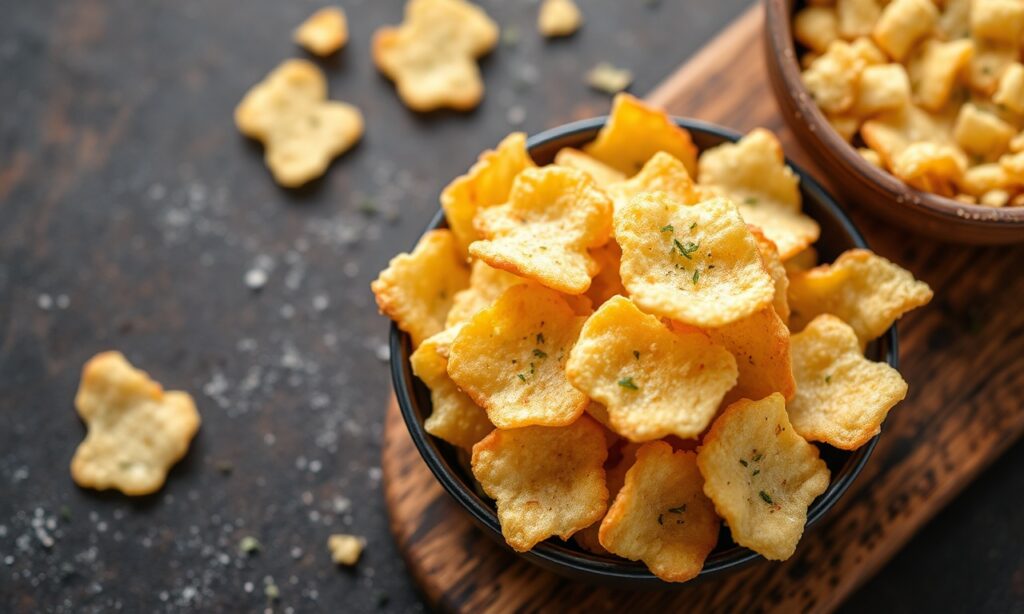
The true genius of the easy ingredient Parmesan crisp lies in its sheer versatility. It’s not just a standalone snack; it’s a textural and flavorful enhancer that can transform a multitude of dishes. Its delicate crunch and savory depth add a sophisticated touch without overpowering other ingredients.
Salad Superstar:
Forget croutons. Parmesan crisps offer a far more elegant and flavorful crunch to any salad. Imagine a vibrant Caesar salad, a fresh Caprese salad, or a hearty lentil salad, all adorned with shards of these savory delights. They provide a satisfying textural contrast that is both delightful and visually appealing. Research in the *Journal of Food Science* has highlighted how textural diversity in food can enhance sensory perception and overall palatability, a principle perfectly embodied by adding Parmesan crisps to a salad.
Soup’s Best Friend:
A rich tomato bisque, a creamy mushroom soup, or a hearty minestrone can be instantly elevated with the addition of a Parmesan crisp. It provides a delicate crunch that softens slightly in the warm liquid, releasing its cheesy essence. It’s a far more refined garnish than traditional bread.
Appetizer Artistry:
Serve them alongside dips, as a base for canapés, or simply arranged on a cheese board. Their natural elegance makes them a sophisticated addition to any gathering. They pair beautifully with a dollop of fig jam, a smear of pesto, or even a small piece of cured meat.
Keto/Low-Carb Meal Component:
For those adhering to specific diets, these crisps are invaluable. Use them as a base for mini pizzas, a topping for avocado toast (Keto-style), or as a side for dishes that would typically call for bread. Their ability to mimic the function of bread without the carb load is a significant advantage.
Tips for Achieving Crispy Perfection Every Time
While the recipe is straightforward, a few expert tips can ensure you achieve consistently perfect Parmesan crisps. Mastering these nuances will elevate your creations from good to absolutely stunning.
Temperature is Key:
Ensure your oven is accurately preheated. Too low a temperature will result in a chewy, oily crisp, while too high a temperature will burn them before they properly crisp. The 375°F (190°C) range is ideal because it allows sufficient time for the moisture to evaporate and the cheese to caramelize.
Thin is In:
The thinner you spread the grated cheese, the crispier your final product will be. A thick mound will likely result in a softer, chewier center. Aim for an even, thin layer. If you find it difficult to spread thinly, a slightly coarser grate can sometimes help with clumping, but a fine grate will yield a more delicate lace.
Watchful Eye:
Parmesan crisps can transition from golden perfection to burnt in mere moments. Keep a very close eye on them during the last few minutes of baking. The edges will brown first, and the bubbling will subside as they cook. They should be a rich golden-brown, not dark brown or black.
Cooling Surface Matters:
Allowing the crisps to cool completely on a wire rack is essential for achieving maximum crispness. Cooling them on a solid surface can trap moisture, leading to a softer texture.
Storage Savvy:
Once completely cooled, store Parmesan crisps in an airtight container at room temperature. They are best enjoyed within a few days, as they can lose some of their crispness over time. If they do soften slightly, a few minutes in a warm oven (around 300°F / 150°C) can often help restore their crunch.
The Easy Ingredient Parmesan Crisp: A Culinary Revelation
In a world often seeking the next complicated culinary trend, the easy ingredient Parmesan crisp stands as a beautiful reminder of the power of simplicity and quality. It’s proof of how a single, well-chosen ingredient, treated with a little care and attention, can yield spectacular results. This polished snack is more than just a recipe; it’s an invitation to experience the profound satisfaction that comes from creating something elegant and delicious with minimal effort. Whether you’re a seasoned home cook or a beginner, mastering this simple technique will undoubtedly add a touch of gourmet flair to your repertoire, proving that sometimes, the most extraordinary experiences come from the most uncomplicated ingredients.
Frequently Asked Questions
H3: What is the best type of Parmesan cheese to use for crisps?
For optimal results, authentic Parmigiano Reggiano or Grana Padano is highly recommended. These aged, hard cheeses have a lower moisture content and a higher fat percentage, which are crucial for achieving a crisp, brittle texture. Avoid pre-shredded cheeses, as they often contain anti-caking agents that can interfere with melting and crisping.
H3: Can I make Parmesan crisps ahead of time?
Yes, Parmesan crisps can be made ahead of time. Once completely cooled, store them in an airtight container at room temperature. They are best enjoyed within 2-3 days for maximum crispness. If they lose some of their crunch, they can often be revived by a brief period in a warm oven.
H3: How can I make my Parmesan crisps extra lacy and delicate?
To achieve a lacy, delicate texture, ensure the grated Parmesan is spread very thinly and evenly on the baking sheet. Using a fine grate for the cheese and leaving ample space between each portion will also contribute to a more intricate, lace-like appearance as the cheese melts and spreads.
H3: Are Parmesan crisps suitable for a keto or low-carb diet?
Absolutely. Parmesan crisps are an excellent choice for keto and low-carb diets. They are naturally very low in carbohydrates and high in protein and fat, making them a satisfying and guilt-free snack or meal accompaniment that fits within these dietary frameworks.
See also: Easy Ingredient