
The Allure of Perfectly Grilled Salmon
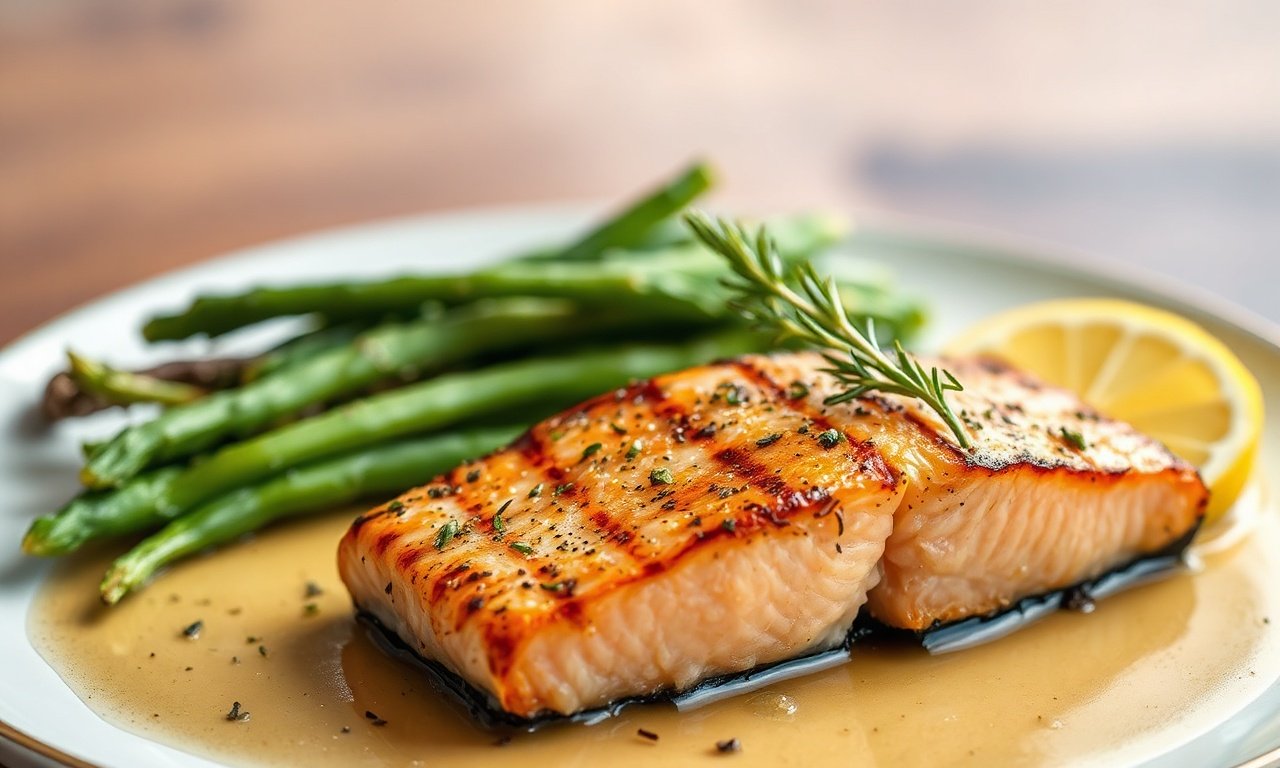
A perfectly cooked piece of grilled salmon is more than just a meal; it’s an experience. The delicate, flaky texture, the rich, buttery flavor, and the subtle char from the grill combine to create something truly sublime. For many home cooks, however, achieving this restaurant-quality result can feel like navigating a minefield of potential pitfalls – overcooked, dry fish, or a lackluster flavor profile are common frustrations. But what if the secret to consistently flawless grilled salmon wasn’t about luck, but rather a series of precise, almost surgical techniques? This guide will demystify the process, revealing the essential steps to elevate your grilled salmon from good to extraordinary, ensuring a lemon herb dinner that is both simple and spectacular.
- The Allure of Perfectly Grilled Salmon
- The Foundation: Selecting and Preparing Your Salmon
- Mastering the Grill: Heat, Time, and Technique
- Preheating and Oiling the Grill
- The Direct vs. Indirect Heat Dilemma
- Cooking to Perfection: The Doneness Test
- The Lemon Herb Finishing Touches
- Serving Suggestions and Pairings
- Nutritional Insights: A Healthful Indulgence
- Frequently Asked Questions
The true artistry of grilled salmon lies not just in the cooking, but in the preparation; it’s a delicate dance between heat, timing, and the inherent quality of the fish itself.
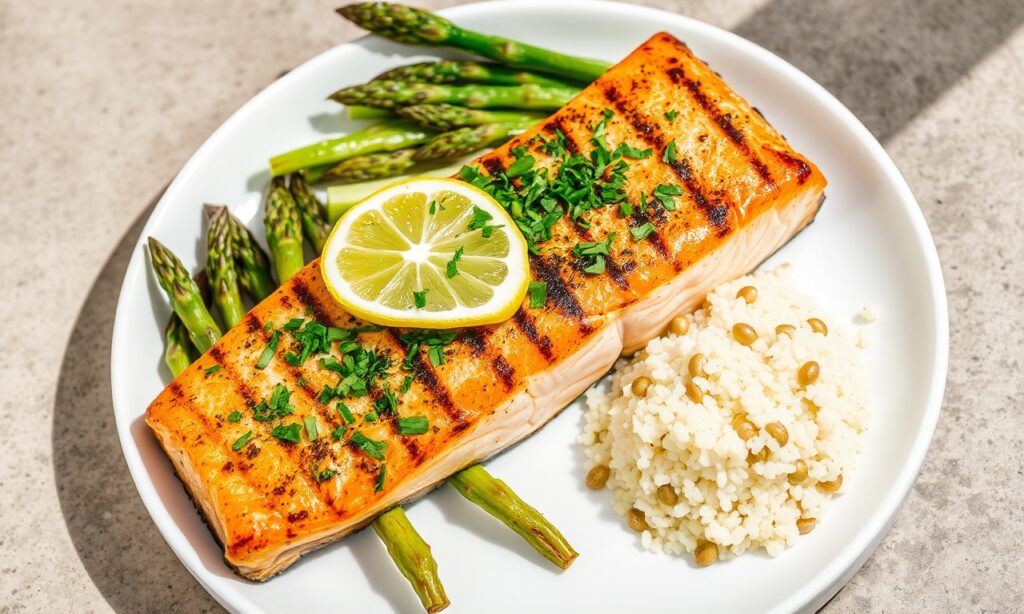
The anticipation of a beautifully grilled piece of salmon, glistening with herbs and lemon, is palpable. It’s a dish that speaks of healthy indulgence, of summer evenings and refined simplicity. Yet, the journey from raw fillet to culinary triumph is often fraught with uncertainty. Many home cooks find themselves battling dry, rubbery textures or a fish that stubbornly adheres to the grill grates. Research indicates that while salmon remains a popular choice for home consumption, a significant percentage of home cooks report struggling with cooking it perfectly. This guide is designed to address those very challenges, offering a comprehensive, expert-driven approach to grilled salmon that leverages specific techniques to guarantee a succulent, flavorful outcome every single time. We’ll move beyond generic advice and explore the nuanced details that separate a merely edible dish from an unforgettable culinary masterpiece.
The Foundation: Selecting and Preparing Your Salmon
The journey to perfect grilled salmon begins long before the heat is applied. The quality of your raw ingredient is paramount, and understanding how to select the best cuts, coupled with proper preparation, lays the groundwork for success. The “surgical secret” often lies in these foundational steps, where precision and attention to detail yield significant rewards.
Choosing the Right Cut
When selecting salmon for grilling, opt for thicker, center-cut fillets, ideally around 1 to 1.5 inches thick. These cuts are more forgiving and less prone to drying out. Look for vibrant, firm flesh with a consistent color. Wild-caught salmon, such as Sockeye or King salmon, often possesses a richer flavor and firmer texture that holds up exceptionally well to grilling. However, sustainably farmed Atlantic salmon can also be an excellent choice, provided it’s of high quality. Avoid pre-portioned, thin fillets, as they cook too quickly and can easily become overdone. The skin is your friend here; keeping it on provides a protective barrier, helps the fillet retain moisture, and can contribute a delightful crispiness if cooked correctly.
The Art of Seasoning and Marination
While a simple salt and pepper seasoning is a classic for a reason, the true magic of lemon herb grilled salmon lies in the thoughtful application of aromatics. A light marinade or a robust rub can infuse the fish with incredible depth of flavor. For a lemon herb profile, consider a blend of fresh herbs like dill, parsley, chives, and perhaps a hint of thyme or rosemary. Finely minced garlic, a good quality olive oil, fresh lemon zest, and a squeeze of lemon juice form the base.
Ensure your salmon is patted thoroughly dry with paper towels before seasoning or marinating. This is a critical step for achieving a good sear and preventing the fish from steaming rather than grilling. Uneven moisture can lead to patchy cooking and a less appealing surface.
Mastering the Grill: Heat, Time, and Technique
The grill is where the transformation happens, and understanding its nuances is key to unlocking that perfect, flaky texture. This is where the “surgical” aspect truly comes into play – precision in temperature and timing is non-negotiable.
Preheating and Oiling the Grill
A properly preheated grill is the first line of defense against sticking. Aim for a medium-high heat, around 400-450°F (200-230°C). This intense heat sears the exterior rapidly, creating a flavorful crust and preventing the salmon from adhering to the grates. Once heated, it’s imperative to clean the grates thoroughly with a grill brush. Following this, oil the grates generously. Use a paper towel dipped in a high-heat oil (like canola, grapeseed, or avocado oil), held with tongs, to swipe across the clean grates. This creates a non-stick surface, crucial for delicate fish.
The Direct vs. Indirect Heat Dilemma
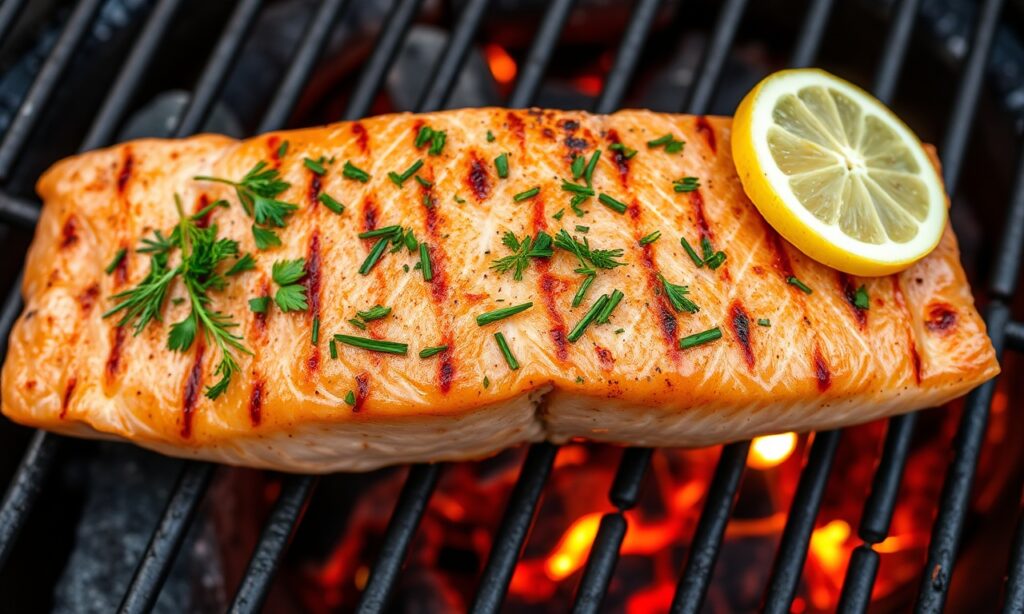
For salmon fillets, a combination of direct and indirect heat is often ideal. Start by placing the salmon, skin-side down, over direct heat. This allows the skin to crisp up and the flesh to begin cooking. After 2-4 minutes, depending on the thickness of the fillet and the heat of your grill, you will carefully flip the salmon. This is where a high-quality, flexible spatula is indispensable. Try to get underneath the fillet in one smooth motion, gently lifting it.
Cooking to Perfection: The Doneness Test
This is perhaps the most crucial phase. The goal is to cook the salmon until it is opaque and flakes easily with a fork, but still moist and tender in the center. Overcooking is the most common mistake, transforming succulent fish into a dry, unappetizing meal.
The internal temperature is the most reliable indicator. For medium-rare, aim for an internal temperature of 125-130°F (52-54°C). For medium, 130-135°F (54-57°C). Even for well-done, avoid exceeding 145°F (63°C), which is the standard recommendation for fish. Insert an instant-read thermometer into the thickest part of the fillet, away from any bones.
A visual cue is to observe the flesh. As the salmon cooks, you’ll see the color change from translucent pink to opaque pink. The flesh should flake easily when gently pressed with a fork or the tip of a knife. If it’s still a bit translucent in the very center, it’s often perfectly cooked, as residual heat will continue to cook it slightly after it’s removed from the grill.
The Lemon Herb Finishing Touches
Once your salmon is off the grill, the flavor journey isn’t over. A final flourish of lemon and herbs amplifies the dish’s appeal and brings all the elements together.
Infusing with Freshness
Immediately after removing the salmon from the grill, squeeze fresh lemon juice over the fillets. The warmth of the fish will help to release the aromatic oils from the lemon. Follow this with a generous scattering of freshly chopped herbs. Dill and parsley are classic partners for salmon, offering bright, fresh notes. Chives add a subtle oniony bite, and a touch of tarragon can bring an unexpected, sophisticated anise-like flavor.
Creating a Simple Lemon Herb Sauce (Optional)
For an extra layer of richness and flavor, you can whip up a quick sauce. In a small bowl, whisk together a tablespoon of good quality olive oil, the zest and juice of half a lemon, a tablespoon of finely chopped mixed fresh herbs (dill, parsley, chives), a pinch of salt, and freshly ground black pepper. You can also incorporate a small clove of finely minced garlic or a teaspoon of Dijon mustard for added complexity. Drizzle this over the grilled salmon just before serving.
Serving Suggestions and Pairings
Grilled salmon is incredibly versatile, pairing well with a wide array of side dishes. The richness of the fish is beautifully complemented by lighter, brighter flavors.
Classic Companions
Consider serving your lemon herb grilled salmon with:
- Roasted Asparagus or Green Beans: The slight char from grilling mirrors the flavors of the salmon, and the crisp-tender vegetables provide a delightful textural contrast.
- Quinoa or Couscous Salad: A light, lemony grain salad with cucumber, cherry tomatoes, and fresh mint offers a refreshing counterpoint to the salmon.
- Simple Mixed Greens Salad: A bed of fresh, peppery greens tossed with a light vinaigrette is always a winner.
- Grilled Potatoes or Sweet Potatoes: Cubes of potato tossed with olive oil, herbs, and grilled alongside the salmon make for a hearty and satisfying meal.
Research highlights the benefits of pairing omega-3-rich fish like salmon with a variety of vegetables, emphasizing the synergistic effect of their combined nutritional profiles.
Beverage Pairings
A crisp, dry white wine such as Sauvignon Blanc, Pinot Grigio, or a light-bodied Chardonnay complements the richness of salmon without overpowering it. For non-alcoholic options, sparkling water with lemon and mint or a light, unsweetened iced tea are excellent choices.
Nutritional Insights: A Healthful Indulgence
Grilled salmon is a nutritional powerhouse, celebrated for its high content of omega-3 fatty acids, protein, and essential vitamins and minerals. The scientific backing for these benefits is substantial.
A standard 4-ounce (113g) serving of grilled salmon typically contains:
- Calories: Approximately 200-250 kcal
- Protein: 20-25 grams
- Healthy Fats: 12-18 grams (rich in EPA and DHA omega-3 fatty acids)
- Vitamins: Excellent source of Vitamin D and Vitamin B12. Good source of Vitamin A and B vitamins.
- Minerals: Contains selenium, potassium, and phosphorus.
The omega-3 fatty acids in salmon, particularly EPA (eicosapentaenoic acid) and DHA (docosahexaenoic acid), are renowned for their anti-inflammatory properties and their crucial role in supporting heart health and brain function. Studies have consistently demonstrated the cardiovascular benefits associated with regular consumption of fatty fish. Furthermore, salmon is a complete protein, providing all the essential amino acids necessary for muscle repair and growth.
Frequently Asked Questions
What is the best type of salmon for grilling?
How do I prevent salmon from sticking to the grill?
What is the safest internal temperature for grilled salmon?
Can I grill salmon with the skin on?
How can I tell if my grilled salmon is done?
See also: Grilled Salmon