
“The joy of cooking is discovering new flavors, textures, and ways to nourish ourselves. For those on a ketogenic journey, this doesn’t mean sacrificing the simple pleasures of a stack of fluffy pancakes.” – Chef Anya Petrova, renowned ketogenic culinary expert.
- The Foundation: Understanding Keto Pancake Ingredients
- Almond Flour: The Low-Carb Cornerstone
- Cream Cheese: The Secret to Unparalleled Tenderness
- Other Essential Components
- The Master Recipe: Cream Cheese & Almond Flour Keto Pancakes
- Expert Insights and Pro-Tips for Keto Pancake Perfection
- Nutritional Snapshot: The Healthier Indulgence
- Beyond the Basic: Elevating Your Keto Pancakes
- The Social and Culinary Significance of Keto Pancakes
- Conclusion: Embracing the Keto Pancake Revolution
- Frequently Asked Questions about Keto Pancakes
Few culinary creations evoke such comforting nostalgia as a warm stack of pancakes. For individuals adhering to a ketogenic lifestyle, the thought of indulging in this breakfast classic often seems like a distant dream, fraught with high-carb ingredients. However, the advent of innovative low-carb baking has transformed this perception, offering a delicious and satisfying alternative that rivals traditional recipes in taste and texture. This guide explores the art and science of crafting exquisite Keto Pancakes, specifically focusing on the luxurious combination of cream cheese and almond flour, to deliver a truly exceptional breakfast experience.
- Cream cheese and almond flour are foundational ingredients for achieving a rich, tender, and satisfying Keto Pancake.
- Proper batter consistency is crucial; avoid overmixing to ensure fluffy pancakes.
- Balancing sweetness and fat content is key for flavor and adherence to ketogenic principles.
- These Keto Pancakes offer a versatile base for a variety of low-carb toppings, making them a staple for any ketogenic diet.
The ketogenic diet, characterized by its high-fat, moderate-protein, and very low-carbohydrate macronutrient profile, has gained significant traction for its potential health benefits, including weight management and improved blood sugar control. However, navigating the culinary landscape of keto can present challenges, particularly when it comes to familiar comfort foods. Traditional pancakes are typically made with wheat flour, sugar, and milk – all high in carbohydrates and incompatible with a ketogenic diet. This is where the ingenuity of keto baking shines, utilizing alternative flours and sweeteners to recreate beloved dishes without compromising dietary goals.
This comprehensive guide will not only provide a foolproof recipe for Keto Pancakes but also explore the nuances of ingredients, technique, and troubleshooting, ensuring your success in achieving pancake perfection. We will navigate the science behind why these ingredients work so well together, offering insights that go beyond a simple recipe.
The Foundation: Understanding Keto Pancake Ingredients
The success of any keto baked good hinges on the judicious selection of ingredients. For Keto Pancakes, the star players are almond flour and cream cheese, working in tandem to create a texture and flavor profile that is both decadent and diet-friendly.
Almond Flour: The Low-Carb Cornerstone
Almond flour, derived from finely ground blanched almonds, is a cornerstone of ketogenic baking. Its low carbohydrate content (approximately 3 grams of net carbs per 1/4 cup) and healthy fat profile make it an ideal substitute for traditional wheat flour. Unlike some other keto flours, almond flour contributes a subtle nutty flavor and a tender crumb, preventing the dryness or grittiness that can plague less-than-ideal keto baked goods. The fat content in almond flour also aids in creating a richer mouthfeel and promoting satiety, aligning perfectly with keto principles.
Research suggests that the beneficial fatty acid profile of almonds, particularly monounsaturated fats, is associated with improved cardiovascular health markers. This makes almond flour not just a functional baking ingredient but also a contributor to the overall nutritional quality of your Keto Pancakes.
Cream Cheese: The Secret to Unparalleled Tenderness
The inclusion of cream cheese in Keto Pancakes is a revelation. Its high fat content and unique protein structure contribute immensely to the pancakes’ tenderness and moisture. When cream cheese is incorporated into the batter, it acts as a binder and emulsifier, creating a smooth, cohesive mixture that bakes into incredibly soft and fluffy pancakes. The slight tang of cream cheese also adds a sophisticated depth of flavor, balancing the sweetness from any added keto-friendly sweeteners.
A typical serving of cream cheese (28 grams) contains about 9 grams of fat and only 2 grams of carbohydrates, making it an excellent addition to a ketogenic diet. This fat content is crucial for achieving the desired texture, preventing the pancakes from becoming dry or crumbly, a common pitfall in many low-carb recipes.
Other Essential Components
Beyond almond flour and cream cheese, several other ingredients play vital roles:
- Eggs: Act as a binder, leavening agent, and contribute to richness. Use large eggs for optimal results.
- Butter or Coconut Oil: Provides essential fat and helps create a crispy exterior while keeping the interior moist. Clarified butter (ghee) is an excellent option as it’s lactose-free.
- Keto-Friendly Sweetener: Erythritol, xylitol (caution: toxic to dogs), stevia, or monk fruit are excellent choices. Adjust to your personal preference.
- Baking Powder: A crucial leavening agent that ensures your Keto Pancakes achieve that desirable fluffy texture. Ensure it’s fresh for maximum lift.
- Vanilla Extract: Enhances the overall flavor profile and adds a comforting aroma.
- Pinch of Salt: Balances sweetness and brings out the other flavors.
The Master Recipe: Cream Cheese & Almond Flour Keto Pancakes
This recipe is designed for simplicity and exceptional results, ensuring you can whip up a delightful batch of Keto Pancakes with confidence.
Ingredients:
- 1 cup (112g) Blanched Almond Flour
- 4 oz (113g) Full-Fat Cream Cheese, softened
- 2 Large Eggs
- 2 tablespoons (30g) Unsalted Butter, melted, plus more for cooking
- 1 tablespoon (15g) Keto-Friendly Sweetener (e.g., Erythritol or Monk Fruit blend), or to taste
- 1 teaspoon Baking Powder
- 1 teaspoon Vanilla Extract
- Pinch of Salt
Equipment You’ll Need:
- Mixing Bowls
- Whisk
- Spatula
- Griddle or Non-stick Skillet
- Measuring Cups and Spoons
Step-by-Step Preparation Method:
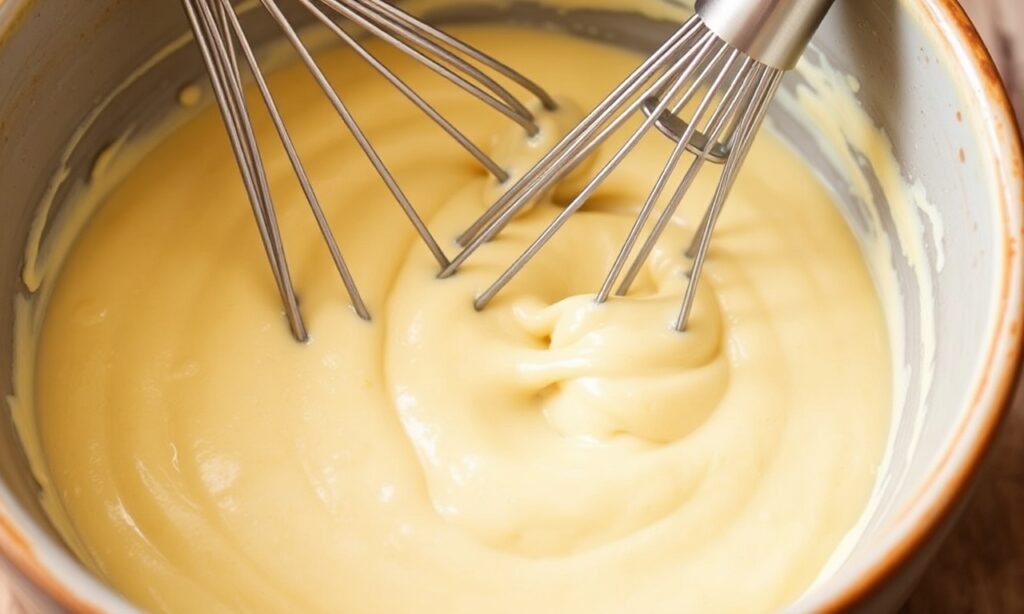
1. Prepare the Wet Ingredients: In a medium mixing bowl, combine the softened cream cheese and melted butter. Whisk vigorously until smooth and well incorporated. This step is crucial for achieving a lump-free batter. 2. Incorporate Eggs and Sweetener: Add the two large eggs to the cream cheese mixture. Whisk until thoroughly combined. Stir in your chosen keto-friendly sweetener and vanilla extract. 3. Combine Dry Ingredients: In a separate, larger bowl, whisk together the blanched almond flour, baking powder, and salt. Ensure these dry ingredients are evenly distributed to prevent pockets of unmixed flour. 4. Marry the Mixtures: Gradually add the wet ingredients to the dry ingredients. Mix with a spatula or whisk until *just* combined. Be careful not to overmix, as this can develop the almond flour’s structure and lead to tougher pancakes. A few small lumps are perfectly acceptable.
The batter should be thick but pourable, similar to a very thick smoothie. 5. Preheat Your Griddle: Heat a lightly buttered griddle or non-stick skillet over medium-low heat. The temperature is critical; too high, and the pancakes will burn before cooking through. Too low, and they may not brown properly. A good test is to flick a drop of water onto the surface; it should sizzle and evaporate quickly. 6. Cook the Pancakes: Pour approximately 1/4 cup (about 60ml) of batter per pancake onto the preheated griddle. Cook for 2-3 minutes per side, or until golden brown and bubbles begin to form on the surface. 7. Flip and Finish: Carefully flip the pancakes with a spatula and cook for another 1-2 minutes on the second side, until cooked through. 8. Serve Hot: Serve your freshly made Keto Pancakes immediately with your favorite low-carb toppings.
Expert Insights and Pro-Tips for Keto Pancake Perfection
Achieving consistently delicious Keto Pancakes involves a blend of understanding the ingredients and mastering the technique. Here are some insights from seasoned keto bakers:
Troubleshooting Common Keto Pancake Issues
Even with the best recipes, occasional hiccups can occur. Understanding potential problems and their solutions is key to becoming a confident keto baker.
- Pancakes are too dense or dry: This often stems from overmixing the batter, leading to a tougher texture. Ensure you mix until *just* combined. Using old or inactive baking powder can also contribute to density.
- Pancakes are sticking to the pan: This indicates the griddle wasn’t hot enough, or not enough fat was used for cooking. Ensure your pan is adequately greased with butter or coconut oil.
- Pancakes are burning on the outside but raw inside: The griddle is too hot. Reduce the heat to medium-low and allow the pancakes to cook more slowly.
- Pancakes are too fragile and fall apart: Insufficient binder (eggs) or overworking the batter can cause fragility. Ensure you’re using the correct number of eggs and avoid excessive mixing.
Nutritional Snapshot: The Healthier Indulgence
One of the primary appeals of Keto Pancakes is their significantly lower carbohydrate count compared to their traditional counterparts. While exact nutritional values can vary based on specific ingredient brands and portion sizes, a typical serving of these cream cheese and almond flour keto pancakes (assuming 2-3 pancakes per serving) offers a favorable macronutrient profile for ketogenic dieters.
Per Serving (approximate, based on 2-3 pancakes):
- Calories: 250-350 kcal
- Total Fat: 20-30g
- Saturated Fat: 10-15g
- Total Carbohydrates: 5-8g
- Dietary Fiber: 2-4g
- Net Carbohydrates: 3-4g
- Protein: 8-12g
- Sugar: <1g
This profile demonstrates how Keto Pancakes can be integrated into a ketogenic diet without derailing ketosis, providing sustained energy and satisfaction. For comparison, a traditional stack of pancakes can easily contain 40-60 grams of carbohydrates per serving, primarily from refined flours and sugars.
The Role of Healthy Fats in Keto Pancakes
The generous fat content in these Keto Pancakes, derived from cream cheese, butter, and almond flour, is not just for texture and flavor; it’s integral to the ketogenic diet’s efficacy. Healthy fats are the primary energy source on keto, promoting satiety and helping to manage hunger throughout the day. Monounsaturated and saturated fats, abundant in these ingredients, have been subjects of extensive research. For instance, studies have indicated that diets rich in monounsaturated fats, like those found in almonds, may contribute to improved cholesterol profiles. The fat in cream cheese also helps to slow down digestion, leading to a more gradual release of energy and preventing blood sugar spikes.
Beyond the Basic: Elevating Your Keto Pancakes
While the base recipe is exceptional, there are numerous ways to customize and enhance your Keto Pancakes to suit your palate and dietary needs.
Flavor Variations
- Lemon Ricotta Keto Pancakes: Substitute half the cream cheese with ricotta cheese and add the zest of one lemon for a bright, refreshing flavor.
- Cinnamon Swirl Keto Pancakes: Mix 1 teaspoon of cinnamon and 1 tablespoon of keto sweetener into a separate small bowl. After pouring a pancake onto the griddle, swirl a teaspoon of this cinnamon mixture into the batter before it sets.
- Chocolate Keto Pancakes: Add 1-2 tablespoons of unsweetened cocoa powder to the dry ingredients and a few drops of liquid stevia for an extra touch of sweetness.
Topping Ideas: The Grand Finale
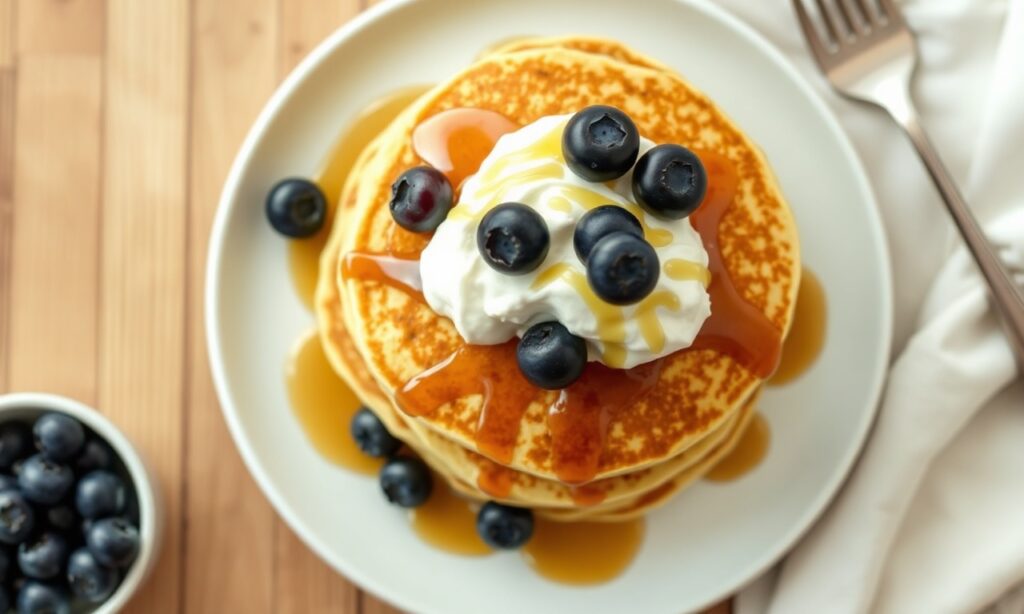
The toppings you choose can transform your Keto Pancakes from a simple breakfast to a gourmet experience. Opt for low-carb and high-fat options:
- Sugar-Free Maple Syrup: A classic that’s now readily available in keto-friendly versions.
- Fresh Berries: Strawberries, blueberries, raspberries, and blackberries are excellent choices, though consume in moderation due to their natural sugar content.
- Whipped Cream: Made from heavy whipping cream and a touch of keto sweetener.
- Nut Butter: Almond butter, macadamia nut butter, or pecan butter offer healthy fats and rich flavor.
- Toasted Nuts and Seeds: Pecans, walnuts, slivered almonds, chia seeds, or hemp seeds add delightful crunch.
- Keto-Friendly Chocolate Chips: Look for sugar-free options.
The Social and Culinary Significance of Keto Pancakes
The rise of Keto Pancakes is more than just a culinary trend; it reflects a broader shift towards inclusive dietary approaches that don’t require sacrificing beloved foods. For many, pancakes represent cherished memories of family breakfasts and weekend rituals. The ability to recreate this experience while adhering to a ketogenic lifestyle provides a profound sense of normalcy and enjoyment.
Studies on dietary adherence consistently show that the more enjoyable and sustainable a diet is, the more likely individuals are to stick with it long-term. Recipes like these Keto Pancakes matter significantly in this by offering delicious alternatives that satisfy cravings without compromising health goals. The shareability of such recipes on social media platforms further amplifies their impact, creating communities of individuals supporting each other on their ketogenic journeys. Sharing these successes, like a perfect stack of fluffy Keto Pancakes, fosters encouragement and inspires others to explore the possibilities of keto cuisine.
The global appeal of pancakes, from American diners to Japanese fluffy varieties, highlights their universal comfort food status. Keto adaptations, therefore, resonate with a wide audience, bridging the gap between traditional culinary enjoyment and modern dietary needs. This adaptability is proof of the evolving nature of food and the human desire to find joy and connection through eating, regardless of dietary restrictions.
Conclusion: Embracing the Keto Pancake Revolution
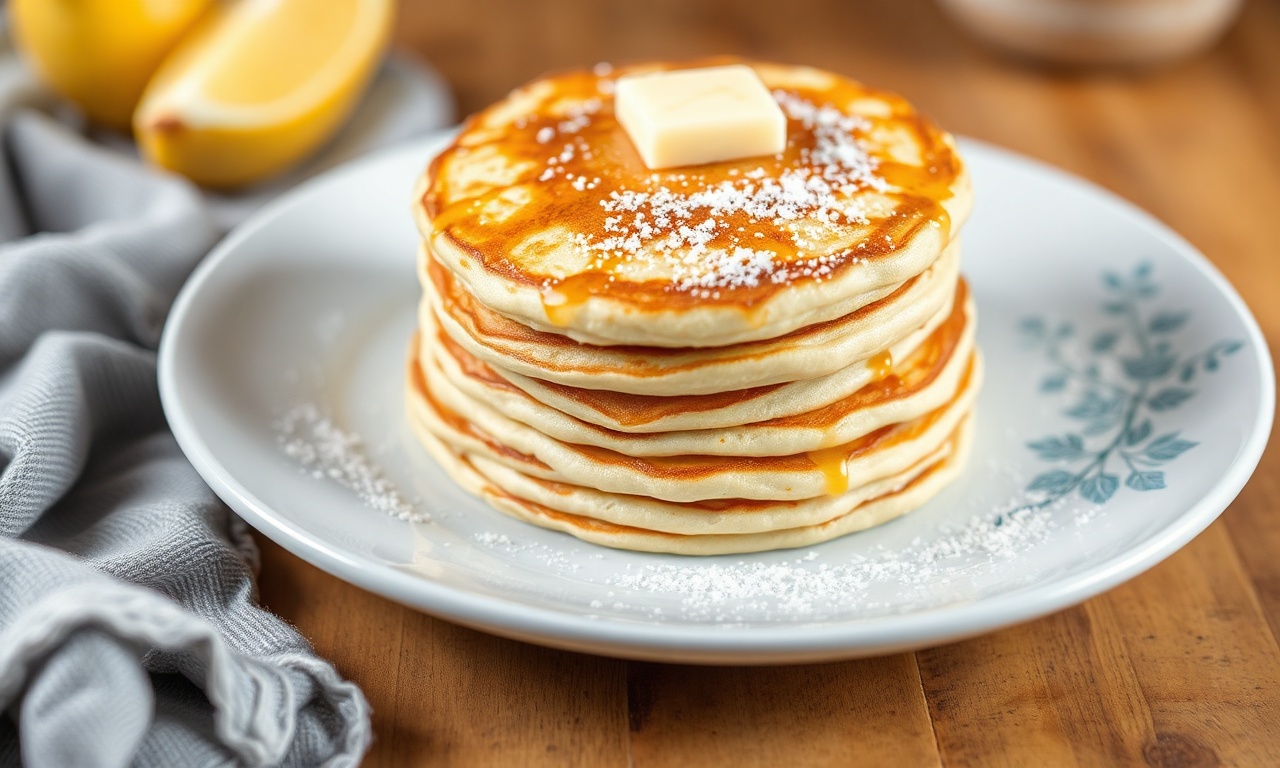
Crafting perfect Keto Pancakes is an achievable and rewarding endeavor. By understanding the role of key ingredients like cream cheese and almond flour, and by adhering to precise techniques, you can consistently produce fluffy, tender, and incredibly delicious pancakes that satisfy both your cravings and your dietary requirements. This recipe and guide serve as your trusted companion on the path to keto pancake mastery, offering not just a meal, but a moment of pure, guilt-free indulgence. Embrace the versatility, experiment with flavors, and share the joy of these exceptional Keto Pancakes with your loved ones. They are proof of the fact that a ketogenic lifestyle can be both healthy and incredibly delicious.
Frequently Asked Questions about Keto Pancakes
Why are my Keto Pancakes always flat?
Flat keto pancakes often result from a batter that is too thin, insufficient leavening, or an improperly heated griddle. Ensure your batter is thick but pourable, and that your baking powder is fresh. Preheat your griddle to medium-low heat and allow the pancakes to cook undisturbed for a few minutes before flipping. Overmixing the batter can also deflate the air pockets created by the leavening agents, leading to flatness.
Can I make Keto Pancakes ahead of time?
Yes, you can make Keto Pancakes ahead of time. Once cooked and cooled, store them in an airtight container in the refrigerator for up to 3-4 days. Reheat them gently in a toaster, oven, or skillet. While they may not be as fluffy as freshly made ones, they retain good texture and flavor. Freezing is also an option for longer storage; place parchment paper between each pancake to prevent sticking, then store in a freezer-safe bag or container for up to 2 months.
What’s the best way to store Keto Pancake batter?
Keto pancake batter, especially with cream cheese, is best used immediately after preparation. Cream cheese can affect the batter’s consistency and leavening over time. If you must store it, keep it in an airtight container in the refrigerator for no more than 24 hours. However, be prepared that the texture might change, and you may need to re-whisk or adjust the consistency slightly before cooking. Freshly made batter yields the best results.
Are there any alternatives to almond flour for Keto Pancakes?
While almond flour is excellent, other keto-friendly flours can be used. Coconut flour is a popular alternative, but it’s much more absorbent, so you’ll need significantly less (typically 1/4 cup coconut flour replaces 1 cup almond flour) and often more liquid and eggs. Other options include a blend of macadamia nut flour and coconut flour, or even a specialized keto baking blend. Each alternative will subtly alter the texture and flavor of your Keto Pancakes.
What is the nutritional difference between Keto Pancakes and regular pancakes?
The primary nutritional difference lies in the carbohydrate content. Regular pancakes, made with wheat flour and sugar, are high in refined carbohydrates, often exceeding 40-60 grams per serving, which can lead to blood sugar spikes. Keto Pancakes, on the other hand, are made with low-carb flours like almond or coconut flour and use keto-friendly sweeteners. This results in a significantly lower net carbohydrate count (typically 3-8 grams per serving), making them suitable for a ketogenic diet by keeping blood sugar levels stable and promoting ketosis. They also tend to be higher in healthy fats.
See also: Keto Pancakes