
Massaman Curry: A Culinary Tapestry Woven Through Time
Have you ever savored a dish that felt like a warm, comforting embrace, a symphony of spices that danced on your palate, hinting at centuries of history and cultural exchange? Massaman curry, a dish that transcends mere sustenance to become an experience, holds such a profound power. Far from the fiery intensity of its Thai curry cousins, Massaman offers a complex, nuanced, and remarkably mellow profile, proof of its unique origins and the ingenious fusion of culinary traditions. Its journey from Persia and the Malay Archipelago to the heart of Thai cuisine is a fascinating narrative of trade routes, cultural assimilation, and the evolution of flavor.
- Massaman Curry: A Culinary Tapestry Woven Through Time
- The Soul of Massaman: Deconstructing the Flavor Profile
- Crafting the Perfect Massaman Paste: The Foundation of Flavor
- The Art of Roasting Potatoes for Massaman Curry
- Building the Massaman Curry: A Symphony of Simmering
- Nutritional Profile: A Hearty and Wholesome Indulgence
- Elevating Your Massaman Curry: Pro Tips for Flavor Mastery
- Frequently Asked Questions about Massaman Curry
This comprehensive guide aims to demystify the art of creating an exceptional Massaman curry, focusing on the sublime addition of roasted potatoes, transforming a classic into an even more satisfying and texturally rich masterpiece.
“Massaman curry is not just a dish; it’s a historical dialogue on a plate, proof of the enduring power of culinary fusion and the universal language of comfort.”
This rich, aromatic curry, often described as a “king of curries,” stands apart due to its distinctive flavor profile. Unlike the more common green or red curries, Massaman is characterized by its milder heat, its sweetness, and a subtle tang, all balanced by a rich, creamy coconut milk base. Its origins are deeply rooted in the influences of Malay and Indian cuisines, brought to Thailand by traders and migrants centuries ago. The name “Massaman” itself is believed to be derived from “Mussalman,” an old Persian word for Muslim, further underscoring its historical connections. This heritage is evident in its spice blend, which includes warming spices like cinnamon, cardamom, cloves, and nutmeg, often less common in other Thai curries.
The inclusion of ingredients like potatoes, onions, and peanuts, alongside tender meat, creates a hearty and deeply satisfying meal.
Key Takeaways
- Massaman curry’s unique flavor profile stems from a blend of Thai and influences from Persian, Indian, and Malay cuisines, featuring warming spices like cardamom and cinnamon.
- The inclusion of roasted potatoes adds a delightful textural contrast and a comforting heartiness that complements the rich, creamy curry base.
- Achieving authentic Massaman flavor requires a balance of sweet, savory, sour, and mildly spicy notes, with key aromatics being lemongrass, galangal, and chilies.
- Properly toasting curry paste and slow simmering are crucial techniques for developing the deep, complex flavors characteristic of this dish.
The Soul of Massaman: Deconstructing the Flavor Profile
The magic of Massaman curry lies in its intricate balance of flavors. It’s a masterclass in culinary diplomacy, where the sweet, savory, sour, and mildly spicy elements engage in a harmonious dance. Unlike the vibrant heat of green curry or the punchy zest of red curry, Massaman is distinguished by its gentle warmth and a profound depth that unfolds with each bite. This complexity is largely attributed to its unique spice composition. While it uses core Thai aromatics like lemongrass, galangal, and chilies, it also incorporates spices more commonly found in Indian and Middle Eastern cuisines, such as cinnamon, cardamom, cloves, and nutmeg. These warming spices contribute a fragrant, almost sweet undertone that is utterly captivating.
Research published in culinary journals highlights how the strategic use of these warming spices, combined with the creamy richness of coconut milk and the tang of tamarind, creates a flavor profile that is both exotic and deeply comforting. This balanced approach has made Massaman curry a global favorite, appealing to a wide range of palates. The inclusion of ingredients like peanuts and potatoes further enhances its appeal, adding textural interest and a satisfying heartiness that distinguishes it from lighter curries. The goal in preparing Massaman is not to overwhelm the senses with heat, but to build layers of flavor that are both sophisticated and profoundly pleasurable.
Crafting the Perfect Massaman Paste: The Foundation of Flavor
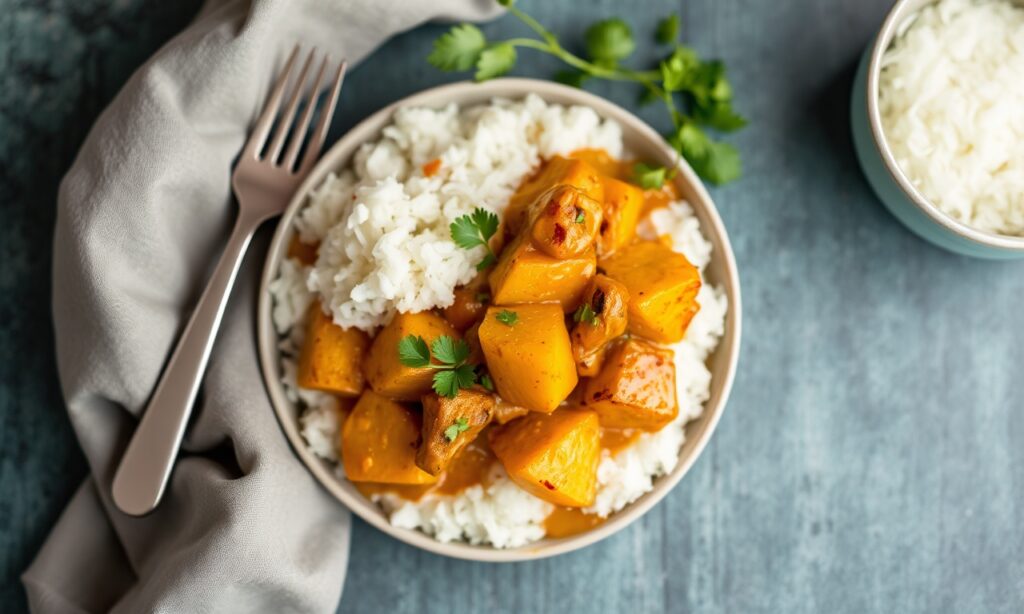
The journey to an exceptional Massaman curry begins with its paste. While readily available pre-made pastes offer convenience, crafting your own from scratch unlocks a dimension of freshness and aromatic intensity that is unparalleled. This is where true flavor mastery is honed. A traditional Massaman paste is a complex blend, and achieving the right balance is key.
Essential Paste Ingredients:
- Dried Red Chilies: Choose milder varieties for color and a gentle warmth, rather than fiery bird’s eye chilies, unless you prefer a spicier curry. Soaking them in hot water until softened is crucial for blending.
- Shallots: Provide a sweet, pungent base.
- Garlic: Essential for its pungent aroma and flavor.
- Galangal: A rhizome related to ginger, it offers a sharper, more citrusy and peppery flavor distinct from ginger.
- Lemongrass: Adds a bright, lemony fragrance and zest. The lower, tender part of the stalk is preferred.
- Coriander Seeds and Cumin Seeds: Toasted and ground, these add earthy, warm notes.
- Whole Spices: Cardamom pods, cloves, a small piece of cinnamon stick, and sometimes nutmeg. Toasting these gently before grinding intensifies their aroma.
- Shrimp Paste (Optional but Recommended): A small amount adds a crucial umami depth and complexity.
- Salt: To enhance and balance all the flavors.
The process of making the paste is as important as the ingredients themselves. Toasting the dried spices until fragrant unlocks their essential oils, deepening their flavor. Similarly, charring the lemongrass and galangal lightly over an open flame or under a broiler before pounding or blending them can impart a subtle smoky complexity. Traditionally, these ingredients are pounded in a mortar and pestle, a labor-intensive but rewarding method that breaks down the fibers and releases their full aromatic potential. For a quicker approach, a high-powered blender or food processor can be used, though it’s important to pulse rather than continuously blend to avoid overheating and creating a paste that tastes “cooked.”
The Art of Roasting Potatoes for Massaman Curry
The addition of roasted potatoes elevates Massaman curry from a delicious stew to a truly exceptional culinary experience. While potatoes are a traditional ingredient, roasting them separately before adding them to the curry offers several advantages. It creates a delightful textural contrast: the exterior becomes slightly crisp and caramelized, while the interior remains tender and fluffy, holding its shape beautifully within the rich sauce. This contrasts with boiling potatoes directly in the curry, which can sometimes lead to them becoming mushy and absorbing too much liquid, diluting the curry’s flavor.
Roasting Potatoes: A Step-by-Step Approach
- Potato Selection: Waxy potatoes like Yukon Gold or red potatoes are ideal. Their lower starch content helps them maintain their shape during roasting and cooking. Cut them into uniform, bite-sized cubes (approximately 1-inch or 2.5 cm).
- Seasoning: Toss the potato cubes with a tablespoon of neutral oil (like canola or vegetable oil), salt, and a pinch of white pepper. For an extra layer of flavor, a tiny pinch of the Massaman curry powder (before adding to the curry itself) can be added here.
- Roasting: Spread the seasoned potatoes in a single layer on a baking sheet lined with parchment paper. Roast in a preheated oven at 400°F (200°C) for 20-25 minutes, or until they are fork-tender and have developed golden-brown, slightly caramelized edges.
- Incorporation: Add the roasted potatoes to the curry during the final 10-15 minutes of simmering. This allows them to absorb the flavors of the curry without becoming overcooked or mushy.
This technique ensures that the potatoes are a distinct and delightful component of the dish, rather than an afterthought. The slight char from roasting also adds a subtle, caramelized sweetness that complements the curry’s flavor profile. According to culinary science research, the Maillard reaction, responsible for browning and caramelization, creates hundreds of new flavor compounds, significantly enhancing the potatoes’ taste.
Building the Massaman Curry: A Symphony of Simmering
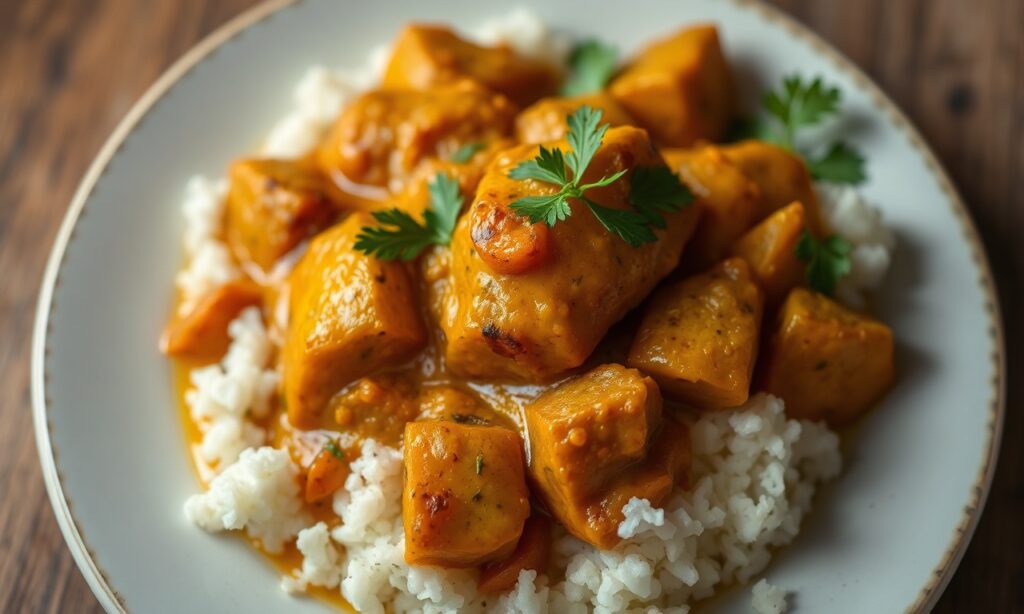
With your aromatic paste ready and your potatoes perfectly roasted, it’s time to bring everything together. This is where the slow, patient development of flavor truly takes center stage.
Ingredients for Massaman Curry with Roasted Potatoes:
- For the Curry:
- 1-2 tablespoons neutral cooking oil
- 3-4 tablespoons homemade or high-quality store-bought Massaman curry paste
- 400 ml (1 can) full-fat coconut milk, divided
- 300-400g (approx. 0.7 lb) boneless, skinless chicken thighs or beef chuck, cut into bite-sized pieces
- 2 medium potatoes (Yukon Gold or red), cut into 1-inch cubes and roasted (as per instructions above)
- 1 large onion, cut into wedges
- 50g (approx. 1/4 cup) unsalted roasted peanuts
- 2 tablespoons fish sauce (or soy sauce for a vegetarian/vegan option)
- 1-2 tablespoons palm sugar (or brown sugar), to taste
- 1-2 tablespoons tamarind paste (or juice from 2 tbsp tamarind pulp soaked in 1/4 cup hot water, strained)
- 1 bay leaf
- 1 star anise (optional, for extra fragrance)
- Fresh coriander leaves, for garnish
- Lime wedges, for serving
Preparation Method:
- Sauté the Paste: Heat the neutral oil in a large pot or Dutch oven over medium heat. Add the Massaman curry paste and sauté for 2-3 minutes, stirring constantly, until fragrant. This step is crucial for releasing the paste’s aromatics.
- Bloom the Coconut Milk: Pour in about one-third of the thickest part of the coconut milk from the top of the can. Simmer, stirring, until the oil begins to separate and shimmer on the surface. This process, known as “cracking” the coconut milk, concentrates its flavor and adds a luxurious richness.
- Cook the Protein: Add the chicken or beef to the pot and stir to coat with the paste and coconut milk mixture. Cook for 3-5 minutes, until the meat is lightly browned.
- Add Liquids and Aromatics: Pour in the remaining coconut milk, along with enough water or chicken/vegetable broth to achieve your desired curry consistency (start with about 1/2 cup or 120ml). Add the onion wedges, bay leaf, and star anise (if using).
- Simmer and Tenderize: Bring the curry to a gentle simmer. Reduce the heat to low, cover the pot, and let it cook slowly for at least 30-45 minutes for chicken, or 1.5-2 hours for beef, until the meat is very tender. Stir occasionally to prevent sticking.
- Flavor Adjustment: Stir in the fish sauce, palm sugar, and tamarind paste. Taste and adjust seasonings as needed. The curry should have a balanced sweet, sour, and savory profile.
- Incorporate Potatoes and Peanuts: Add the roasted potatoes and roasted peanuts to the curry. Simmer gently for another 10-15 minutes, uncovered, allowing the flavors to meld and the potatoes to heat through.
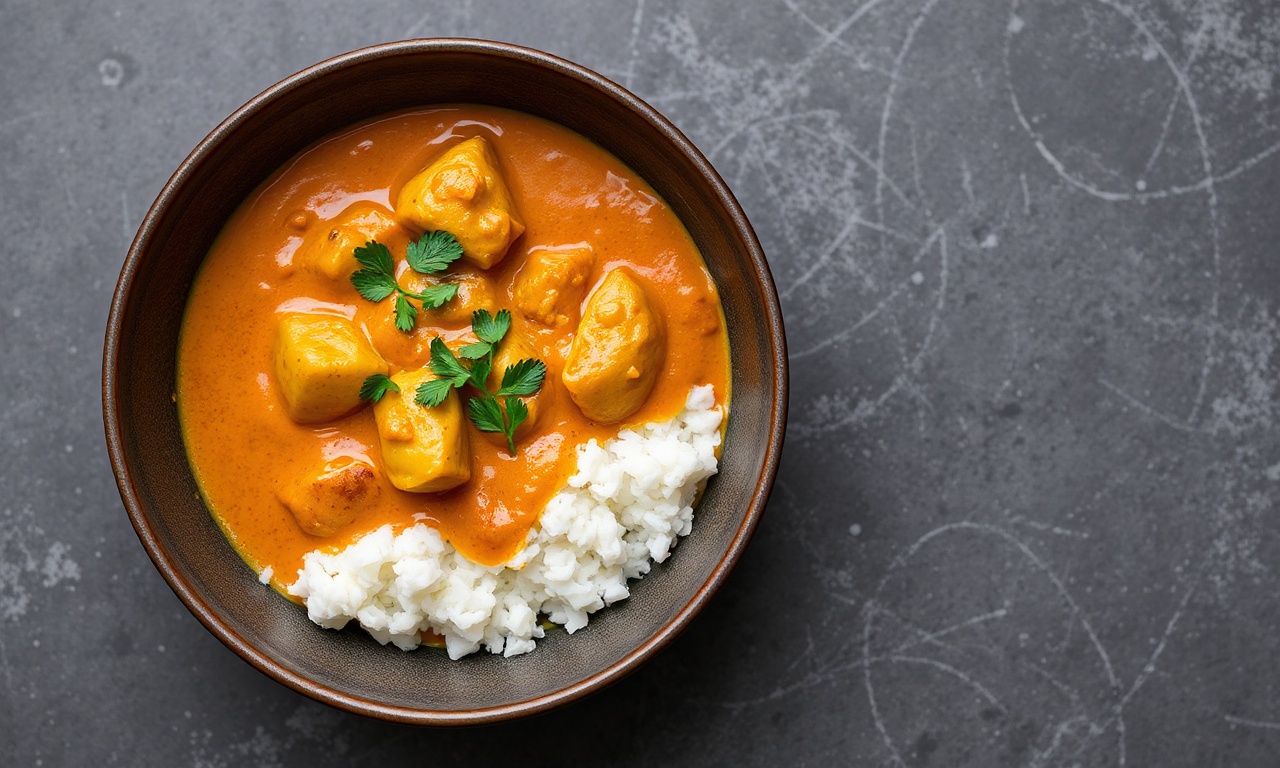
- Serve: Remove the bay leaf and star anise before serving. Ladle the Massaman curry into bowls, garnish with fresh coriander leaves, and serve hot with jasmine rice and lime wedges.
The slow simmering process allows the flavors of the paste, coconut milk, meat, and aromatics to meld and deepen. This is where the magic truly happens, transforming simple ingredients into a complex, aromatic masterpiece. Research indicates that extended, low-temperature cooking significantly enhances the development of umami and savory notes in slow-cooked meats and sauces, a principle perfectly applied in Massaman curry preparation.
Nutritional Profile: A Hearty and Wholesome Indulgence
While Massaman curry is undeniably a rich and indulgent dish, it also offers a balanced nutritional profile, especially when prepared with lean proteins and a focus on fresh ingredients. The inclusion of potatoes adds complex carbohydrates and fiber, while the coconut milk provides healthy fats. The protein from chicken or beef contributes essential amino acids, and the aromatics and spices offer a range of antioxidants and beneficial compounds.
*Approximate Nutritional Information Per Serving (based on 6 servings, using chicken thighs):*
- Calories: 550-650 kcal
- Protein: 30-40g
- Fat: 35-45g (of which saturated fat: 20-25g)
- Carbohydrates: 30-40g (of which fiber: 5-7g, sugars: 10-15g)
- Sodium: 800-1200mg (highly dependent on fish sauce and added salt)
Note: This is an approximation. Actual values will vary based on specific ingredients, portion sizes, and preparation methods. For a lighter version, you can use chicken breast, reduce the amount of coconut milk, or opt for a lower-fat coconut milk.
Elevating Your Massaman Curry: Pro Tips for Flavor Mastery
Achieving restaurant-quality Massaman curry at home involves a few nuanced techniques that go beyond the basic recipe. These expert touches will transform your dish from good to truly unforgettable.
Expert Pro-Tips:
- Toast Your Spices: As mentioned for the paste, toasting whole spices like cardamom, cloves, and coriander seeds before grinding them releases their essential oils and intensifies their aroma significantly. Do this for any whole spices you add to the curry itself, like the star anise.
- Quality Coconut Milk Matters: Opt for full-fat, high-quality coconut milk. The creamier and richer the milk, the better the texture and flavor of your curry. Shake the can well before opening, or better yet, let it sit in the refrigerator overnight and skim off the thick cream for “cracking” separately.
- Slow and Low is Key: For the best flavor development, especially with tougher cuts of meat like beef chuck, a long, slow simmer is essential. This breaks down connective tissues, making the meat incredibly tender and allowing it to absorb the rich flavors of the curry.
- Balance is Paramount: The true art of Massaman lies in its balance. Don’t be afraid to taste and adjust. If it’s too sweet, add a touch more fish sauce or tamarind. If it’s too sour, a pinch more palm sugar. If it lacks depth, a little more fish sauce or a tiny splash of soy sauce can help.
- Fresh Aromatics at the End: While the curry simmers, consider finely mincing a small piece of fresh galangal and a sliver of lemongrass to add in the last 10 minutes of cooking. This provides a burst of fresh, vibrant aromatics that can lift the entire dish.
- The Power of Garnishes: Fresh coriander, a squeeze of lime, and a sprinkle of extra roasted peanuts aren’t just for decoration; they add freshness, acidity, and textural contrast that complete the dish.
A common pitfall for home cooks is rushing the simmering process, especially when using beef. This results in tough meat and a curry that lacks depth. Patience is rewarded with incredibly tender meat and a sauce that has had ample time to develop its complex flavor profile. The inclusion of roasted peanuts, beyond their textural contribution, adds a subtle nutty richness that rounds out the curry beautifully.
Frequently Asked Questions about Massaman Curry
What makes Massaman curry different from other Thai curries?
Massaman curry stands out due to its unique blend of influences, incorporating warming spices like cinnamon, cardamom, and cloves, which are less common in other Thai curries. It’s also characterized by its milder heat, a sweeter and tangier profile, and often includes heartier ingredients like potatoes and peanuts, making it a more substantial and nuanced dish compared to the spicier green or red curries.
Can I make Massaman curry vegetarian or vegan?
Absolutely. To make a vegetarian or vegan Massaman curry, you can substitute the meat with firm tofu, tempeh, or a mix of hearty vegetables such as sweet potatoes, cauliflower, broccoli, and carrots. Ensure you use soy sauce or a vegan fish sauce alternative instead of traditional fish sauce, and omit any shrimp paste from the curry paste.
How can I adjust the spice level of Massaman curry?
The spice level of Massaman curry is primarily determined by the type and quantity of chilies used in the paste. For a milder curry, de-seed and de-vein the dried chilies used in the paste, or use milder chili varieties. You can also control the heat by adjusting the amount of curry paste added to the dish. If the curry becomes too spicy during cooking, adding more coconut milk and a touch more sugar or tamarind can help to mellow the heat.
What is the best type of potato to use in Massaman curry?
Waxy potatoes, such as Yukon Gold, red potatoes, or fingerling potatoes, are the best choice for Massaman curry. These varieties have a lower starch content, which helps them hold their shape during the simmering process and prevents them from becoming mushy. They also absorb the curry flavors beautifully while retaining a pleasant texture.
How long does Massaman curry last in the refrigerator?
Properly stored Massaman curry can last for 3-4 days in the refrigerator. Ensure it has cooled completely before transferring it to an airtight container. Reheat gently on the stovetop or in the microwave, adding a splash of water or broth if it has thickened too much. For longer storage, Massaman curry freezes well for up to 2-3 months.
See also: Massaman Curry