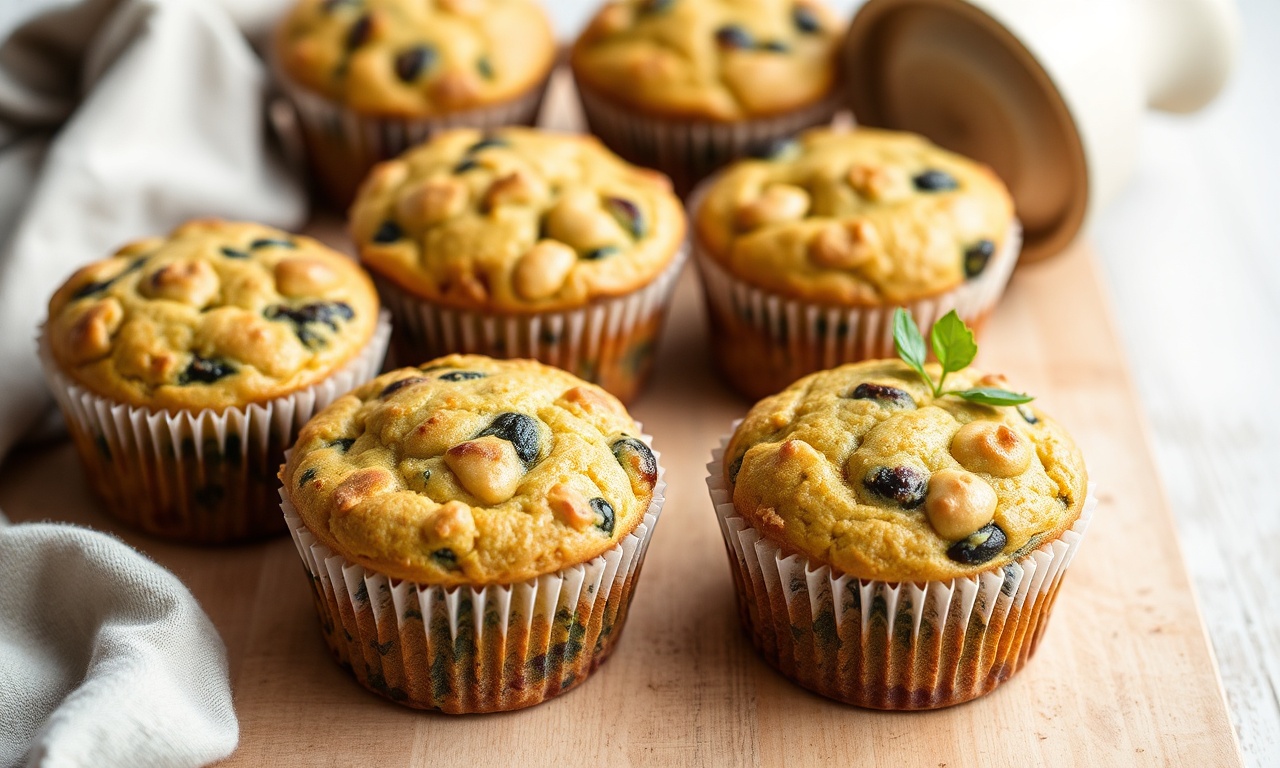

The Humble Powerhouse: Unpacking the Appeal of Vegetable Muffins
Did you know that a single standard muffin can contain upwards of 300 calories and 20 grams of sugar, often leaving you with a nutritional void despite the perceived indulgence? This statistic often surprises those who see muffins solely as a sweet treat. However, a quiet revolution is underway in kitchens worldwide, championing a more wholesome, nutrient-dense alternative: vegetable muffins. These aren’t your grandmother’s bland, savory quick breads; modern vegetable muffins are proof of culinary innovation, proving that baked goods can be both exquisitely delicious and profoundly good for you. They represent a clever fusion of texture, flavor, and vital nutrients, transforming everyday vegetables into irresistible individual portions.
- The Humble Powerhouse: Unpacking the Appeal of Vegetable Muffins
- The Foundation of Flavor: Selecting Your Vegetables and Core Ingredients
- Mastering the Method: A Proven Recipe for Delicious Vegetable Muffins
- The Nutritional Advantage: More Than Just a Muffin
- Expert Insights: Elevating Your Vegetable Muffin Game
- The Art of Customization: Tailoring Vegetable Muffins to Your Taste
- Troubleshooting Common Muffin Mishaps
- Muffins are dense and heavy:
- Muffins are dry and crumbly:
- Muffins sink in the middle:
- Vegetables sink to the bottom:
- The Lasting Impression: Why Vegetable Muffins Endure
- Frequently Asked Questions
The journey of the vegetable muffin is one of evolution, moving from a niche health-food concept to a mainstream darling of home bakers and busy families alike. What began as a way to sneak extra servings of produce into picky eaters has blossomed into a sophisticated baking category, celebrated for its adaptability and vibrant appeal. This guide serves as your comprehensive, expert-level resource, demystifying the art and science behind creating truly exceptional vegetable muffins, from ingredient selection to baking perfection. We will explore the foundational principles, offer a robust recipe, explore nutritional benefits, and equip you with the insights needed to customize and elevate your own creations.
Vegetable muffins are a culinary alchemy, transforming humble garden produce into delightful, nutrient-packed delights that challenge the very definition of a “treat.”
Key Takeaways
- Nutritional Versatility: Vegetable muffins offer a powerful vehicle for increasing daily vegetable intake, providing essential vitamins, minerals, and fiber.
- Flavor Synergy: Expertly balanced recipes leverage the natural sweetness and savory notes of vegetables to create complex and satisfying flavor profiles.
- Customization Potential: The base recipe for vegetable muffins is highly adaptable, allowing for endless variations based on seasonal produce and personal preferences.
- Healthier Indulgence: Unlike many traditional baked goods, vegetable muffins can be a genuinely guilt-free option, offering sustained energy and a wealth of micronutrients.
The Foundation of Flavor: Selecting Your Vegetables and Core Ingredients
The secret to truly exceptional vegetable muffins lies in the thoughtful selection and preparation of your core ingredients, particularly the vegetables themselves. It’s not simply about grating a carrot into the batter; it’s about understanding how different vegetables contribute to moisture, texture, sweetness, and savory depth. For instance, root vegetables like carrots, zucchini, and sweet potatoes tend to bring a natural sweetness and moisture, while leafy greens such as spinach or kale can add a subtle earthiness and a vibrant color boost. Bell peppers and corn offer bursts of sweetness and texture, while onions or leeks can provide a more pronounced savory foundation.
When choosing vegetables, consider their water content. High-water content vegetables, such as zucchini or cucumbers, will require thorough squeezing to prevent a soggy muffin. Conversely, drier vegetables like corn or peas can be incorporated directly. The goal is to achieve a balanced moisture level that ensures a tender crumb without compromising structural integrity. Beyond the vegetables, the dry ingredients form the backbone. A combination of all-purpose flour and a whole-grain flour, like whole wheat or oat flour, can enhance the nutritional profile and add a delightful nutty undertone. The leavening agents—baking soda and baking powder—are crucial for lift, while eggs act as binders and contribute to richness.
Healthy fats, such as olive oil or melted unsalted butter, provide tenderness and flavor.
Mastering the Method: A Proven Recipe for Delicious Vegetable Muffins
This recipe is designed as a versatile blueprint, yielding approximately 12 standard-sized muffins. It emphasizes a balance of flavors and textures, ensuring a moist, tender crumb and a satisfyingly savory-sweet profile.
Ingredients:
- Dry Ingredients:
- 1 ½ cups (190g) All-Purpose Flour
- ½ cup (65g) Whole Wheat Flour (or Oat Flour for gluten-free option)
- 1 teaspoon Baking Soda
- ½ teaspoon Baking Powder
- ½ teaspoon Salt
- ¼ teaspoon Ground Black Pepper (optional, for savory depth)
- ½ teaspoon Ground Cinnamon (optional, for a hint of warmth)
- Wet Ingredients:
- 2 large Eggs, at room temperature
- ½ cup (120ml) Milk (dairy or non-dairy)
- ⅓ cup (80ml) Olive Oil (or melted unsalted butter)
- ¼ cup (60ml) Honey or Maple Syrup (adjust to desired sweetness)
- 1 teaspoon Vanilla Extract (if using primarily sweet vegetables)
- Vegetables (approximately 2 cups, finely grated or chopped):
- 1 cup (110g) Grated Zucchini (well-squeezed to remove excess moisture)
- ½ cup (60g) Grated Carrots
- ½ cup (75g) Finely Diced Bell Pepper (any color)
- ¼ cup (40g) Frozen or Fresh Corn Kernels
- ¼ cup (30g) Finely Chopped Spinach or Kale (optional)
- Optional Add-ins:
- ½ cup (60g) Shredded Cheese (cheddar, Monterey Jack, or feta)
- ¼ cup (30g) Toasted Sunflower Seeds or Pumpkin Seeds
- 2 tablespoons Fresh Herbs (chives, parsley, or dill)

Preparation Method:
- Preheat and Prepare: Preheat your oven to 375°F (190°C). Line a 12-cup muffin tin with paper liners or grease it thoroughly with non-stick spray or butter.
- Combine Dry Ingredients: In a large mixing bowl, whisk together the all-purpose flour, whole wheat flour, baking soda, baking powder, salt, and any optional spices (pepper, cinnamon). Ensure all ingredients are evenly distributed.
- Combine Wet Ingredients: In a separate medium bowl, whisk together the eggs, milk, olive oil (or melted butter), honey or maple syrup, and vanilla extract (if using). Mix until well combined and emulsified.
- Incorporate Vegetables: Add the prepared vegetables (grated zucchini, carrots, diced bell pepper, corn, and optional spinach/kale) to the bowl with the dry ingredients. Toss gently to coat the vegetables with a little flour. This helps prevent them from sinking to the bottom of the muffins during baking.
- Combine Wet and Dry: Pour the wet ingredients into the bowl with the dry ingredients and vegetables. Stir *just until combined*. It is crucial not to overmix the batter, as this can develop the gluten too much and result in tough muffins. A few small lumps are perfectly acceptable.
- Fold in Add-ins: If using, gently fold in any optional add-ins such as cheese, seeds, or fresh herbs.
- Fill Muffin Cups: Divide the batter evenly among the prepared muffin cups, filling each about two-thirds to three-quarters full.
- Bake: Bake for 20-25 minutes, or until a wooden skewer or toothpick inserted into the center of a muffin comes out clean. Baking times may vary slightly depending on your oven.
- Cool: Let the muffins cool in the muffin tin for 5-10 minutes before transferring them to a wire rack to cool completely. This allows them to set properly.
The Nutritional Advantage: More Than Just a Muffin
The nutritional superiority of vegetable muffins over their traditional counterparts is significant and multifaceted. Primarily, they serve as an excellent strategy for increasing daily fiber intake. According to recent research, dietary fiber matter significantly in digestive health, helps regulate blood sugar levels, and contributes to a feeling of fullness, which can aid in weight management. The variety of vegetables incorporated allows for a broad spectrum of vitamins and minerals. For instance, carrots are rich in beta-carotene (a precursor to Vitamin A), essential for vision and immune function, while bell peppers are excellent sources of Vitamin C, a potent antioxidant.
Beyond the direct micronutrient contribution of the vegetables, the judicious use of whole grains and healthier fats in the batter further elevates the nutritional profile. Swapping out refined flour for whole wheat or oat flour introduces additional fiber, B vitamins, and minerals like magnesium and iron. Using olive oil instead of excessive butter contributes monounsaturated fats, which are beneficial for heart health. Studies have consistently shown that incorporating whole foods like vegetables into baked goods can improve their overall nutrient density and glycemic response compared to recipes relying heavily on refined sugars and flours.

Nutritional Information (per muffin, approximate):
This is an estimated breakdown and will vary based on specific ingredients and portion sizes.
- Calories: 180-250 kcal
- Protein: 3-5g
- Fat: 8-12g (depending on oil/butter and cheese)
- Carbohydrates: 20-30g
- Fiber: 3-5g
- Sugar: 8-12g (primarily from natural vegetable and added sweetener)
Expert Insights: Elevating Your Vegetable Muffin Game
To truly master the art of vegetable muffins, consider these expert-level insights that go beyond the basic recipe. Understanding the interplay of ingredients and techniques can transform a good muffin into an extraordinary one.
The moisture content of vegetables is perhaps the most crucial factor influencing muffin texture. Zucchini, in particular, can release a significant amount of water. If not properly managed, this excess liquid can lead to a gummy interior and a diminished rise. Squeezing is not optional; it is essential. Beyond moisture control, consider the flavor profiles you are aiming for. For a more savory muffin, lean into ingredients like sautéed onions, garlic, and a robust cheese. For a sweeter profile, embrace vegetables with natural sweetness like sweet potato, butternut squash, or corn, and pair them with warming spices like cinnamon, nutmeg, or ginger. The balance is key.
The Art of Customization: Tailoring Vegetable Muffins to Your Taste
One of the most compelling aspects of vegetable muffins is their inherent adaptability. The base recipe provided serves as a robust starting point, but the possibilities for customization are virtually limitless, allowing you to cater to specific dietary needs, seasonal availability, and personal flavor preferences.
Savory Variations:
- Mediterranean Delight: Incorporate sun-dried tomatoes, Kalamata olives (pitted and chopped), crumbled feta cheese, and fresh oregano. Use a base of finely grated zucchini and red onion.
- Cheesy Herb Garden: Blend shredded cheddar or Gruyère cheese with finely chopped chives, parsley, and a pinch of smoked paprika. Use grated carrots and finely diced leeks as your primary vegetables.
- Spicy Southwest: Add finely diced jalapeño peppers (seeds removed for less heat), corn, black beans (rinsed and drained), and a generous amount of shredded Monterey Jack or pepper jack cheese. A dash of cumin and chili powder can enhance the flavor.
Sweet & Subtle Variations:
- Apple Cinnamon Spice: Combine finely grated apple with grated carrots, cinnamon, nutmeg, and a hint of ginger. A touch of chopped walnuts or pecans can add a delightful crunch.
- Pumpkin Patch: Use pureed pumpkin or sweet potato as a primary vegetable base, alongside grated carrots. Enhance with cinnamon, cloves, and a tablespoon of pumpkin pie spice.
- Berry Beet Blast: Incorporate finely grated raw beet (which adds a vibrant color and subtle sweetness) with fresh or frozen berries like blueberries or raspberries. A touch of lemon zest can brighten the flavors.
For those with dietary restrictions, vegetable muffins can be readily modified. Gluten-free versions can be achieved by substituting a high-quality gluten-free flour blend for the all-purpose and whole wheat flours. For a dairy-free option, use a plant-based milk (almond, soy, or oat milk) and a neutral-flavored oil like canola or vegetable oil. Ensure any added cheese is also dairy-free if necessary. The natural sweetness from vegetables and a moderate amount of sweetener means these muffins can often be made with less added sugar than traditional sweet baked goods, making them a more wholesome choice for breakfast, snacks, or even a light lunch.
Troubleshooting Common Muffin Mishaps
Even experienced bakers can encounter challenges. Here are solutions to common vegetable muffin issues:
Muffins are dense and heavy:
- Cause: Overmixing the batter, not enough leavening, or too much moisture from vegetables.
- Solution: Mix dry and wet ingredients *just until combined*. Ensure baking soda and baking powder are fresh. Squeeze vegetables thoroughly.
Muffins are dry and crumbly:
- Cause: Overbaking, too much flour, or not enough fat/liquid.
- Solution: Bake until a toothpick comes out clean, but avoid over-baking. Measure flour correctly (spoon and level, don’t scoop). Ensure adequate fat and liquid in the recipe.
Muffins sink in the middle:
- Cause: Oven temperature too low, underbaking, or too much liquid.
- Solution: Ensure oven is preheated accurately. Bake until a skewer is clean. Squeeze excess moisture from vegetables.
Vegetables sink to the bottom:
- Cause: Batter too wet, or vegetables not coated in flour.
- Solution: Ensure vegetables are well-drained. Toss vegetables with a tablespoon of the dry flour mixture before adding wet ingredients.
The Lasting Impression: Why Vegetable Muffins Endure
Vegetable muffins represent a significant culinary shift towards more nutritious, adaptable, and satisfying baked goods. They elegantly bridge the gap between indulgence and well-being, proving that healthy eating doesn’t require sacrificing flavor or enjoyment. The ability to sneak in essential nutrients, customize flavors, and cater to various dietary needs makes them an invaluable addition to any home baker’s repertoire. From a quick breakfast on the go to a healthy snack for children, vegetable muffins offer a wholesome solution that is both delicious and deeply nourishing. Embracing this versatile treat is not just about baking; it’s about a mindful approach to food that nourishes the body and delights the palate.
Frequently Asked Questions
What are the best vegetables for muffins?
The best vegetables are those that offer a balance of moisture, sweetness, and texture. Grated zucchini, carrots, finely diced bell peppers, corn, and sweet potato are excellent choices. For savory muffins, consider finely chopped spinach, kale, leeks, or even small pieces of broccoli. Always remember to manage the moisture content by squeezing out excess liquid from watery vegetables.
How can I make vegetable muffins gluten-free?
To make your vegetable muffins gluten-free, substitute the all-purpose and whole wheat flours with a high-quality gluten-free all-purpose flour blend. Ensure your blend contains a binder like xanthan gum, or add ½ teaspoon of xanthan gum to the dry ingredients if it doesn’t. You may need to slightly adjust the liquid content, as gluten-free flours can absorb moisture differently.
Can I freeze vegetable muffins?
Absolutely. Vegetable muffins freeze beautifully. Once completely cooled, store them in an airtight container or freezer bag. They can be kept frozen for up to 2-3 months. Thaw them at room temperature or gently warm them in a toaster oven or microwave before serving.
Are vegetable muffins considered a healthy breakfast?
Yes, vegetable muffins can be a very healthy breakfast option, especially when made with whole grains, healthy fats, and a good proportion of vegetables. They offer fiber, vitamins, and minerals, providing sustained energy. Compared to traditional sugary muffins, they are a significantly more nutritious choice, contributing to a balanced start to the day.
How do I prevent my vegetable muffins from being too moist?
The key to preventing overly moist vegetable muffins is to manage the water content of your vegetables. For vegetables like zucchini, grate them and then squeeze out as much liquid as possible using a clean kitchen towel or cheesecloth. For other vegetables, ensuring they are finely chopped or grated also helps distribute moisture more evenly and allows them to cook through properly.
See also: Vegetable muffins