
The Enduring Allure of Parmesan Spinach
It’s a culinary paradox: a dish so fundamentally simple, yet capable of bestowing an air of effortless elegance upon any meal. Parmesan Spinach has transcended fleeting trends to become a staple, proof of the power of judicious ingredient pairing and thoughtful preparation. But what is it about this seemingly straightforward combination of verdant leaves and nutty cheese that elevates it from mere accompaniment to a polished statement? Research suggests that the practice of flavoring cooked greens with cheese dates back centuries, with variations appearing across Mediterranean cuisines, underscoring a timeless appreciation for this pairing.
- The Enduring Allure of Parmesan Spinach
- The Genesis of a Gastronomic Staple: A Brief History
- The Science of Flavor and Texture: Why Parmesan and Spinach Harmonize
- Mastering the Technique: Crafting Perfect Parmesan Spinach
- Ingredients: The Foundation of Excellence
- The Preparation Method: A Step-by-Step Refinement
- Chef’s Notes on Technique:
- Nutritional Profile: A Wholesome Indulgence
- Elevating Parmesan Spinach: Beyond the Basic Recipe
- 1. The Creamy Dream: A Velvety Transformation
- 2. The Umami Bomb: Mushrooms and Garlic
- 3. A Hint of Nutty Crunch: Toasted Pine Nuts or Almonds
- 4. The Zesty Zing: Lemon and Nutmeg
- 5. The Spicy Kick: Red Pepper Flakes or Calabrian Chilies
- Parmesan Spinach as a Culinary Canvas
- Frequently Asked Questions about Parmesan Spinach
Parmesan Spinach proves that true culinary sophistication often lies in the masterful execution of simplicity, turning humble ingredients into an expression of refined taste.
This exploration will unravel the threads of Parmesan Spinach’s popularity, dissect the critical elements that define its exceptional quality, and provide a comprehensive guide to crafting this dish in your own kitchen, ensuring it achieves that coveted polished perfection. We’ll examine the science behind the textures and flavors, offering insights that will transform your understanding and execution of this beloved side.
The Genesis of a Gastronomic Staple: A Brief History
The lineage of Parmesan Spinach is more complex than its current simplicity might suggest. While the dish as we know it today likely solidified in its modern form over the last century, its roots stretch back to ancient culinary traditions. The Mediterranean diet has always emphasized fresh produce, with leafy greens forming a significant portion. The addition of cheese to cooked vegetables was not merely for flavor; it was also a practical way to enhance the nutritional value and palatability of greens that might otherwise be considered bitter or bland.
When it comes to Parmesan Spinach, Specifically, the use of hard, aged cheeses like Parmigiano-Reggiano, with its profound umami depth and distinctive salty tang, began to gain prominence in Italy. These cheeses offered a robust counterpoint to the earthiness of spinach. The synergy between the slightly mineralic, iron-rich flavor of spinach and the sharp, crystalline notes of Parmesan is a classic example of complementary flavors that have been appreciated for generations. The advent of more accessible refrigeration and improved transportation in the 20th century further popularized the widespread availability of both fresh spinach and high-quality Parmesan, paving the way for the dish to become a common feature on menus and in home kitchens alike.
The Cultural Significance of Greens
Across various cultures, the preparation of greens has always held a certain significance, often tied to seasons, celebrations, or perceived health benefits. In many European traditions, cooked greens were a vital source of nutrients during leaner months. The act of preparing them with a flavorful binder like cheese or butter signified a touch of luxury and care. This historical context imbues Parmesan Spinach with a sense of tradition and comfort, making it more than just a side dish; it’s a connection to culinary heritage.
The Science of Flavor and Texture: Why Parmesan and Spinach Harmonize
At its core, the magic of Parmesan Spinach lies in the exquisite interplay of its primary components. Spinach, a member of the Amaranthaceae family, is rich in vitamins A, C, and K, as well as iron and folate. Its flavor is subtly earthy and slightly bitter when raw, which transforms into a milder, more vegetal sweetness when cooked. This transformation is crucial; cooking breaks down the cell walls, releasing moisture and softening the texture.
In the context of Parmesan Spinach, Parmigiano-Reggiano, the undisputed king of Italian cheeses, brings a complex array of flavors to the party. Its aging process, typically lasting from 12 to 36 months, develops a granular texture and a savory, nutty, and slightly fruity taste profile. The key compounds responsible for its characteristic flavor are glutamic acid, which provides the umami sensation, and various fatty acids. When Parmesan melts, it coats the softened spinach, binding the leaves together and infusing them with its rich, salty, and savory essence. The Maillard reaction, which occurs when the cheese is heated, further enhances its nutty notes and contributes to a desirable golden-brown hue if allowed to brown slightly.
The Role of Fat and Salt
Fat, whether from butter or olive oil used in the preparation, matter significantly in carrying the fat-soluble flavor compounds of both the spinach and the Parmesan. It also contributes to the silky mouthfeel of the finished dish. Salt, inherent in Parmesan, is judiciously added to enhance all these flavors, bringing them into sharp relief. The careful balance of these elements is what distinguishes a merely good Parmesan Spinach from a truly exceptional one.
Mastering the Technique: Crafting Perfect Parmesan Spinach
The beauty of Parmesan Spinach is its inherent simplicity, but achieving that “polished” quality requires attention to detail and an understanding of fundamental cooking principles. It’s not simply a matter of tossing ingredients together; it’s about coaxing out the best from each.
Ingredients: The Foundation of Excellence
- Spinach: Fresh, vibrant spinach is paramount. Look for crisp leaves without wilting or discoloration. Baby spinach is tender and requires less cooking, while mature spinach offers a more robust flavor but might need a slightly longer cooking time. The quality of your spinach directly impacts the final taste and texture.
- Parmigiano-Reggiano: Authenticity is key here. True Parmigiano-Reggiano, with its Protected Designation of Origin (PDO) status, offers a depth of flavor unmatched by imitations. Grate it fresh just before using for the best melt and most intense aroma. Pre-grated cheese often contains anti-caking agents that can hinder proper melting.
- Fat: Unsalted butter or high-quality extra virgin olive oil. Butter adds a rich, creamy dimension, while olive oil lends a fruitier, more Mediterranean note. Some chefs advocate for a combination of both for a nuanced flavor profile.
- Aromatics (Optional but Recommended): Finely minced garlic or shallots can add a subtle layer of complexity. A pinch of red pepper flakes can introduce a gentle warmth.
- Seasoning: Freshly ground black pepper and a pinch of salt. Be mindful of the saltiness of the Parmesan itself.
The Preparation Method: A Step-by-Step Refinement
- Prepare the Spinach: If using fresh spinach, wash it thoroughly under cold running water to remove any grit. Even baby spinach can harbor hidden dirt. Gently shake off excess water, or use a salad spinner for optimal dryness. Excess water can lead to a watery, less flavorful dish.
- Sauté Aromatics (Optional): In a large skillet or sauté pan, heat your chosen fat (butter or olive oil) over medium heat. If using garlic or shallots, add them and sauté for 1-2 minutes until fragrant and softened, being careful not to burn them. If using red pepper flakes, add them now.
- Wilt the Spinach: Add the spinach to the pan. You might need to do this in batches, depending on the size of your pan and the quantity of spinach. As the spinach begins to wilt, stir gently. It will reduce in volume dramatically. Continue adding spinach until it’s all in the pan and has wilted down. This process should only take a few minutes.
- Drain Excess Moisture: Once the spinach is wilted, tilt the pan and use a spoon to carefully drain off any excess liquid that has accumulated at the bottom. This is a crucial step for preventing a watery end product.
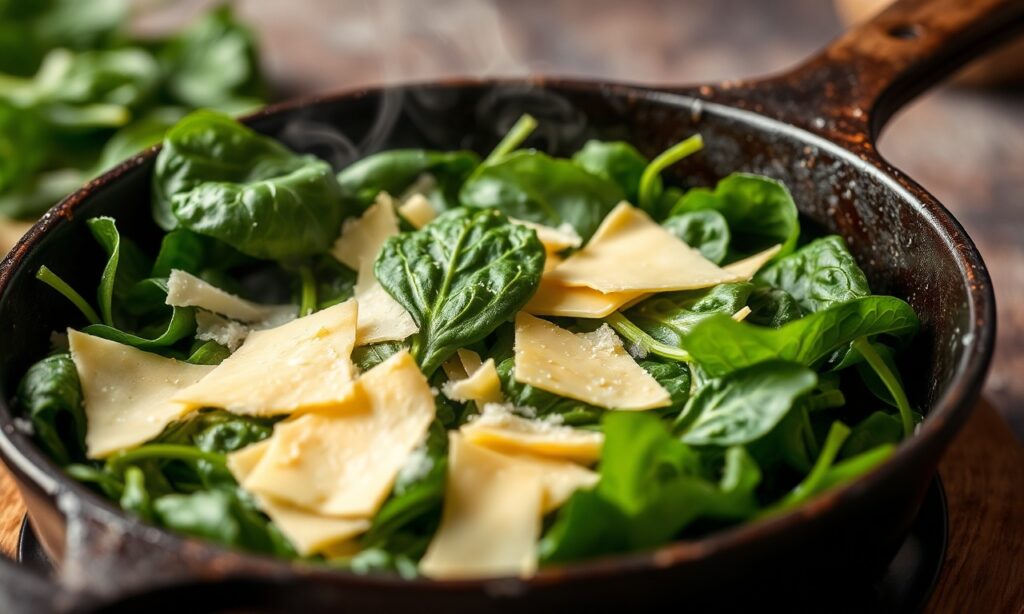
- Incorporate the Parmesan: Remove the pan from the heat. Sprinkle the freshly grated Parmigiano-Reggiano over the wilted spinach. Toss gently to coat the leaves evenly. The residual heat from the spinach and the pan will be sufficient to melt the cheese into a luscious coating.
- Season and Serve: Season with freshly ground black pepper and a small pinch of salt, if needed. Taste and adjust. Serve immediately.
Chef’s Notes on Technique:
- Don’t Overcrowd the Pan: This is essential for proper wilting and to avoid steaming the spinach, which can result in a mushy texture and diluted flavor.
- Embrace the Heat Transfer: Rely on the residual heat to melt the cheese. Overcooking after adding Parmesan can make it oily and stringy.
- Freshness is Paramount: The quality of both your spinach and your Parmesan will be the most significant factor in the final taste. Use the best you can find.
Nutritional Profile: A Wholesome Indulgence
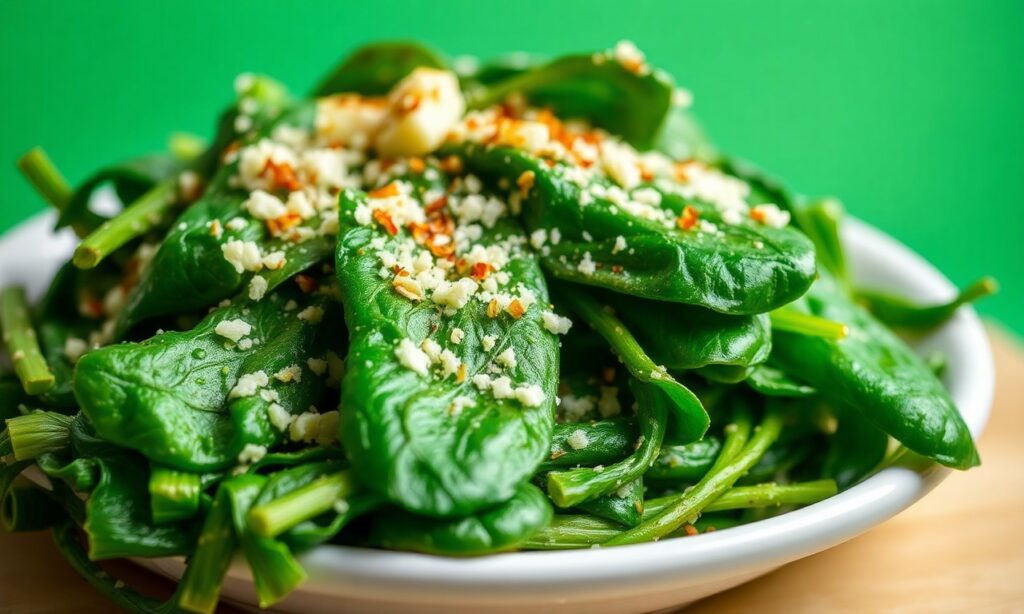
Parmesan Spinach, when prepared with moderation in fat, is a remarkably healthy side dish. It’s packed with essential vitamins, minerals, and fiber, while the addition of Parmesan provides a good source of protein and calcium.
A typical serving (approximately 1 cup cooked, with 2 tablespoons of grated Parmesan and 1 tablespoon of butter) offers:
- Calories: Roughly 100-150 kcal
- Protein: Around 5-7 grams
- Fat: Approximately 7-10 grams (varying with the amount of fat used)
- Carbohydrates: Around 5-7 grams
- Fiber: Approximately 3-4 grams
- Vitamins: Excellent source of Vitamin A, Vitamin K, and Vitamin C.
- Minerals: Good source of Iron, Folate, Magnesium, and Calcium.
The high fiber content aids digestion, while the vitamins and minerals contribute to overall health, including bone health (Vitamin K, Calcium) and immune function (Vitamin C). The protein from the Parmesan provides satiety, making this a filling and satisfying accompaniment.
Elevating Parmesan Spinach: Beyond the Basic Recipe
While the foundational recipe is superb, there are numerous ways to elevate Parmesan Spinach to restaurant-quality status, showcasing its versatility and potential for culinary artistry.
1. The Creamy Dream: A Velvety Transformation
For an incredibly decadent version, introduce a touch of heavy cream or crème fraîche towards the end of cooking, just before adding the Parmesan. This creates a luxurious, velvety sauce that clings beautifully to the spinach. Stir gently until the cream is heated through, then add the cheese. This variation transforms the dish into something truly indulgent.
2. The Umami Bomb: Mushrooms and Garlic
Sautéing thinly sliced mushrooms (cremini or shiitake) with the garlic before adding the spinach can introduce an additional layer of earthy, umami flavor. The mushrooms absorb the cooking juices and complement the Parmesan’s savory notes perfectly.
3. A Hint of Nutty Crunch: Toasted Pine Nuts or Almonds
A sprinkle of lightly toasted pine nuts or slivered almonds over the finished dish provides a delightful textural contrast and a subtle, nutty aroma. Toast them in a dry pan until fragrant and lightly golden before garnishing.
4. The Zesty Zing: Lemon and Nutmeg
A whisper of freshly grated nutmeg is a classic pairing with spinach, adding a warm, aromatic complexity. A final squeeze of fresh lemon juice or a bit of lemon zest stirred in at the very end can brighten the flavors and cut through the richness of the cheese, offering a sophisticated counterpoint.
5. The Spicy Kick: Red Pepper Flakes or Calabrian Chilies
For those who enjoy a bit of heat, a pinch of red pepper flakes sautéed with the garlic, or a spoonful of chopped Calabrian chilies stirred in, can add a pleasant warmth that awakens the palate and balances the richness of the dish.
Parmesan Spinach as a Culinary Canvas
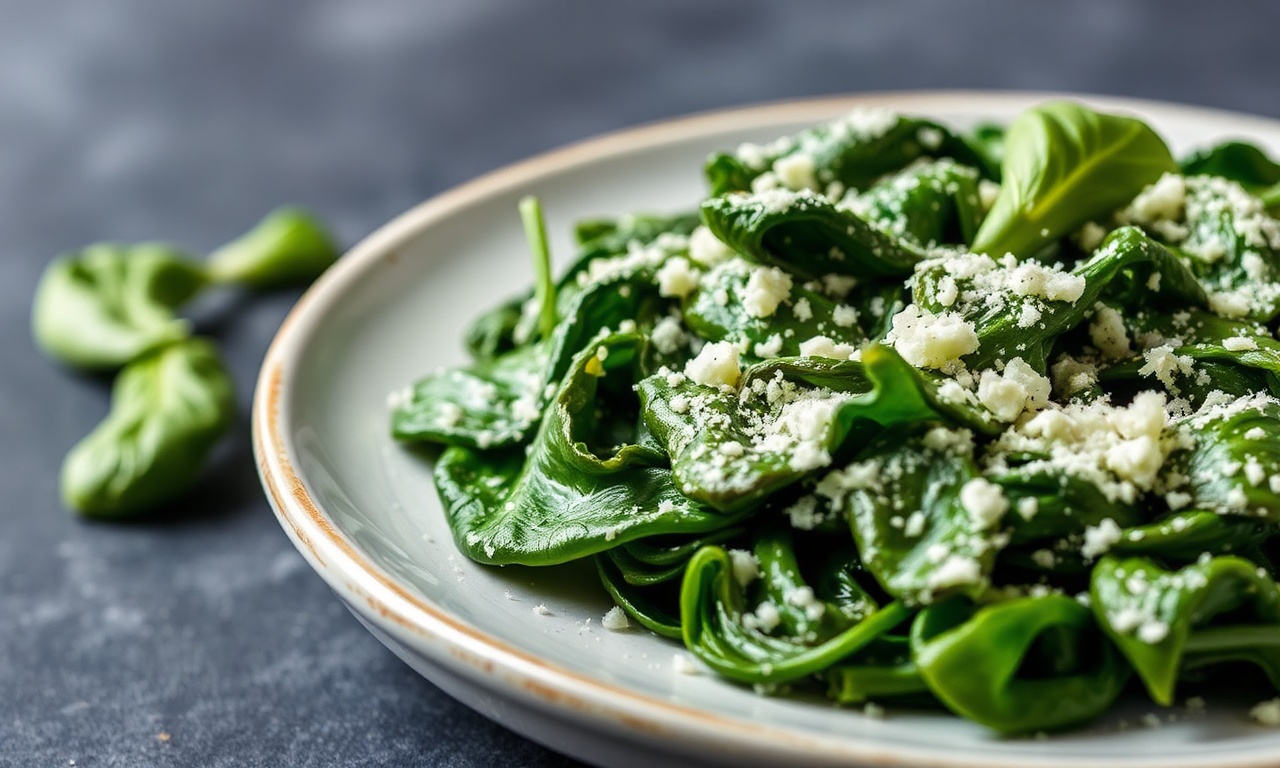
The adaptability of Parmesan Spinach makes it an indispensable part of any chef’s repertoire, whether professional or amateur. It serves as a perfect counterpoint to rich meats like steak or lamb, a bright accompaniment to roasted chicken or fish, and a surprisingly satisfying component of vegetarian or vegan dishes (with appropriate substitutions for the cheese). Its refined flavor profile ensures it never overpowers other components of a meal, instead enhancing them with its subtle elegance. The visual appeal – the vibrant green of the spinach against the creamy, melted Parmesan – also adds to its polished presentation.
Frequently Asked Questions about Parmesan Spinach
What is the best type of spinach to use for Parmesan Spinach?
For the most tender and quick-cooking result, baby spinach is ideal. Its leaves are delicate and require minimal cooking time, preventing them from becoming mushy. If using mature spinach, ensure it is thoroughly washed, and you may need to cook it slightly longer, always draining excess liquid carefully.
Can I make Parmesan Spinach ahead of time?
While Parmesan Spinach is best enjoyed fresh, you can prepare the spinach ahead of time by wilting and draining it. Store it in an airtight container in the refrigerator. Reheat gently in a skillet over low heat, then stir in the freshly grated Parmesan just before serving to ensure it melts properly and the dish doesn’t become watery.
What are some alternatives to Parmigiano-Reggiano?
If Parmigiano-Reggiano is unavailable or too expensive, good quality Grana Padano or Pecorino Romano can be used as substitutes, though they will impart slightly different flavor profiles. Pecorino will be sharper and saltier, while Grana Padano is a close cousin with a similar nutty character. Avoid pre-shredded cheeses as they often contain anti-caking agents that prevent proper melting.
How can I make Parmesan Spinach vegan?
To create a vegan version, substitute the butter with a plant-based butter or olive oil and use a high-quality vegan Parmesan alternative. Many excellent vegan cheeses are available that mimic the nutty, savory flavor and melting properties of dairy Parmesan. Ensure the vegan Parmesan is suitable for melting.
Is it essential to drain the spinach after wilting?
Yes, absolutely. This is one of the most critical steps to achieving a polished Parmesan Spinach. Spinach releases a significant amount of water when cooked. If this liquid is not drained, it will dilute the flavors of the cheese and create a watery, less appealing consistency for the dish.
See also: Parmesan Spinach