
The Humble Chickpea’s Global Ascent
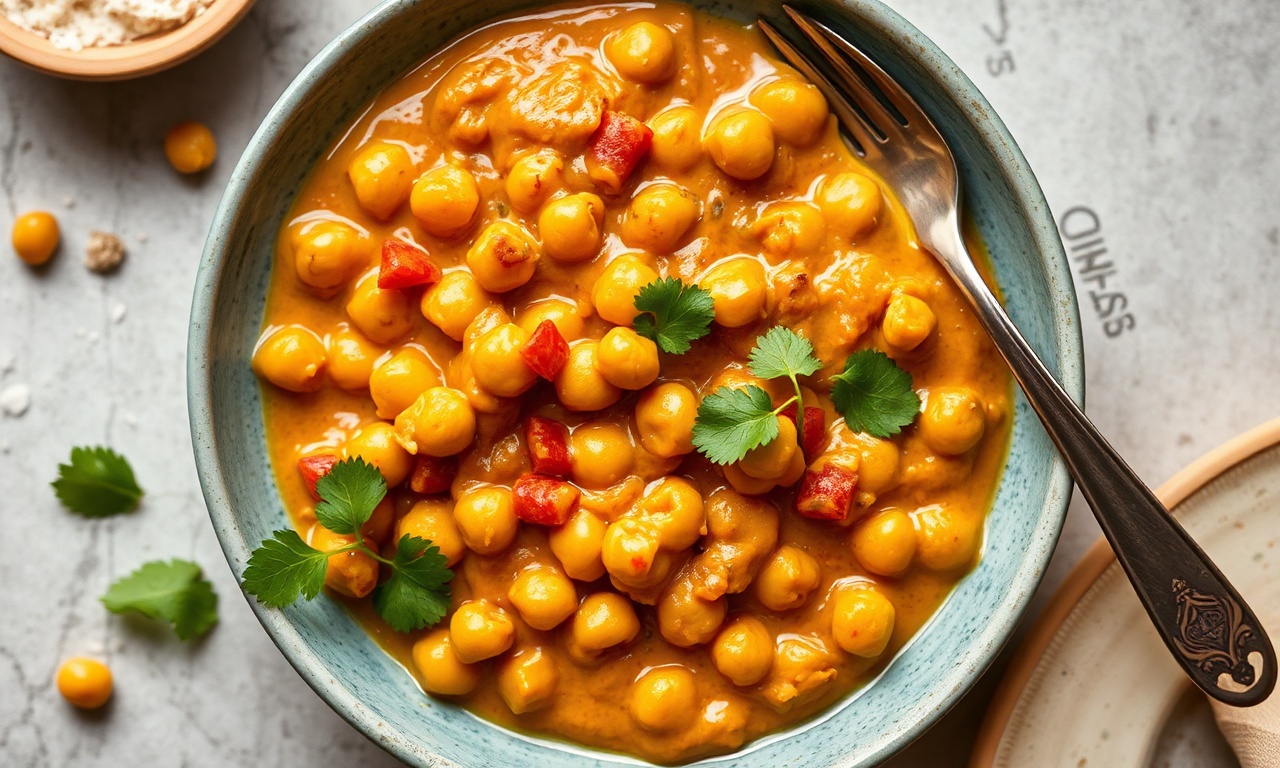
The aroma of warm spices, the comforting embrace of a creamy sauce, and the satisfying bite of tender legumes – for many, this is the essence of a perfect meal. Yet, the idea of preparing such a dish from scratch often conjures images of lengthy simmering times and complex ingredient lists, making weeknight dinners feel like a culinary marathon. This perception, however, is a myth many home cooks still grapple with. What if a profoundly flavorful, nourishing, and genuinely satisfying chickpea curry is not only achievable but can grace your table in under 30 minutes, transforming weeknight meal prep from a chore into a joy?
- The Humble Chickpea’s Global Ascent
- The Foundation: Essential Ingredients for Speed and Flavor
- The Accelerated Method: From Pantry to Plate in 30 Minutes
- Nutritional Powerhouse: Health Benefits of Chickpea Curry
- Elevating Your Chickpea Curry: Pro Tips for Restaurant-Quality Results
- Serving Suggestions and Variations
- Conclusion: The 30-Minute Curry Revolution
- Frequently Asked Questions
The true beauty of a well-executed chickpea curry lies not just in its speed, but in its profound ability to nourish the body and soul, proving that deliciousness and efficiency can coexist harmoniously on the dinner plate.
Chickpea curry, a dish with roots stretching across continents and cultures, has long been a staple for its affordability, versatility, and impressive nutritional profile. From the robust, tomato-based curries of India to the lighter, coconut-infused variations found in Southeast Asia, the chickpea serves as a humble yet powerful canvas for an explosion of flavors. Its ability to absorb spices and textures makes it uniquely adaptable, a characteristic that fuels its global popularity. Yet, for many, the perceived complexity of curry-making, often associated with a long list of spices and hours of cooking, keeps it relegated to special occasions or takeout menus.
This article aims to dismantle that notion, presenting a streamlined, expert-guided approach to mastering a delicious chickpea curry in the time it takes to stream a single episode of your favorite show.
The Foundation: Essential Ingredients for Speed and Flavor
The secret to a rapid yet deeply flavorful chickpea curry lies in a strategic selection of ingredients and a smart approach to preparation. We’re not aiming for a week-long marinade or a slow braise; we’re optimizing for speed without sacrificing the soul of the dish. This means prioritizing aromatics that bloom quickly, spices that meld harmoniously, and a liquid base that brings everything together in a rich, cohesive sauce.
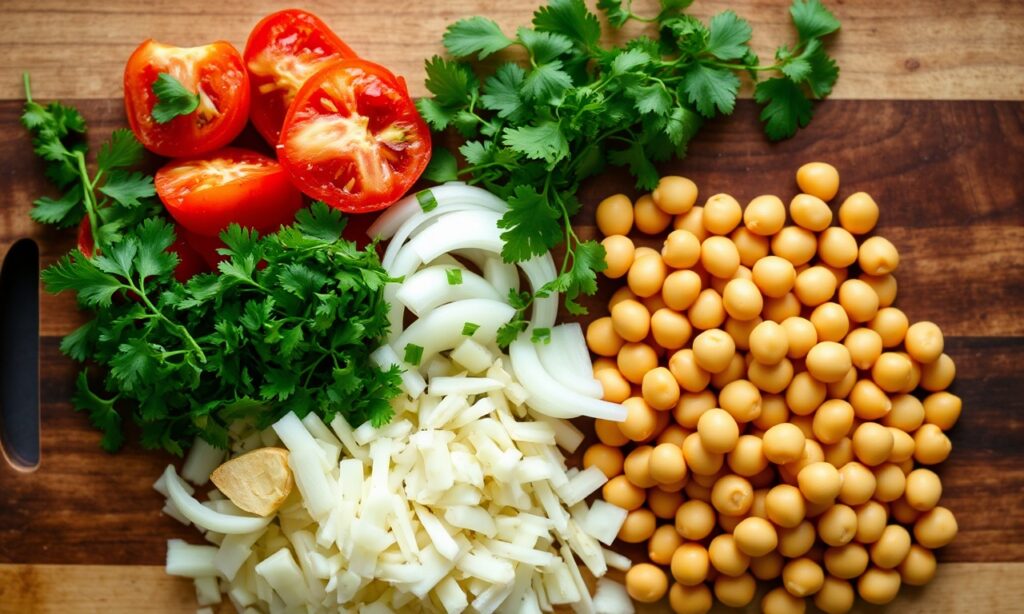
To achieve a truly exceptional 30-minute chickpea curry, a well-stocked pantry is your greatest ally. Canned chickpeas are ideal for this rapid-fire objective. Opt for good quality, low-sodium canned chickpeas, draining and rinsing them thoroughly to remove any metallic aftertaste. This simple step is crucial for a clean flavor profile.
When it comes to Chickpea Curry, The aromatics form the fragrant soul of any great curry. We’ll focus on a finely minced onion, a few cloves of garlic, and a thumb-sized piece of fresh ginger. These, sautéed quickly in a good quality oil (like coconut, vegetable, or even a neutral olive oil), will lay down a robust flavor foundation. For heat and depth, a fresh chili pepper, like a serrano or jalapeño, can be finely diced. If you prefer less heat, simply remove the seeds and membranes.
In the context of Chickpea Curry, The spice blend is where the magic truly happens. For speed and impact, we’ll focus on a core set that delivers complexity without overwhelming the palate. Ground cumin, coriander, turmeric, and garam masala are essential. Turmeric not only imparts a beautiful golden hue but also boasts significant health benefits, with research highlighting its anti-inflammatory properties. A study published in the *Journal of Medicinal Food* noted that curcumin, the active compound in turmeric, has demonstrated a wide range of therapeutic effects. A pinch of cayenne pepper or red chili powder can be added for an extra kick, depending on your preference.
Around Chickpea Curry, For the liquid base, crushed tomatoes or diced tomatoes (canned) are excellent choices, providing acidity and body. Coconut milk, full-fat or light, is essential for creating a creamy, luscious texture that balances the spices. Vegetable broth or water can be used to adjust the consistency. Fresh cilantro for garnish and a squeeze of lime juice at the end will add brightness and a burst of freshness that elevates the entire dish.
Key Ingredients Breakdown:
- Chickpeas: 2 cans (400g/15 oz each), drained and rinsed.
- Aromatics: 1 medium onion, finely chopped; 3-4 cloves garlic, minced; 1-inch piece fresh ginger, grated or finely minced; 1 small chili pepper (e.g., jalapeño or serrano), finely chopped (optional).
- Spices: 1 tablespoon ground cumin; 1 tablespoon ground coriander; 1 teaspoon ground turmeric; 1 teaspoon garam masala; ½ teaspoon cayenne pepper or red chili powder (adjust to taste).
- Liquids: 1 can (400g/15 oz) crushed tomatoes or diced tomatoes; 1 can (400ml/13.5 oz) full-fat coconut milk; ½ cup vegetable broth or water.
- Fat: 2 tablespoons cooking oil (coconut, vegetable, or olive oil).
- Seasoning: Salt to taste.
- Garnish: Fresh cilantro, chopped; lime wedges.
The Accelerated Method: From Pantry to Plate in 30 Minutes
The true art of a 30-minute chickpea curry lies in the efficiency of its execution. This isn’t about cutting corners; it’s about leveraging techniques that maximize flavor development in minimal time. The process hinges on building layers of flavor rapidly, allowing each component to contribute without waiting for lengthy reductions or slow simmering.
Step-by-Step Mastery:
- Prep the Aromatics: Begin by finely chopping the onion, mincing the garlic, and grating or mincing the ginger. If using a fresh chili, finely dice it, removing seeds for less heat. Having these prepped and ready is key to a smooth cooking process.
- Sauté the Base: Heat the cooking oil in a large skillet or Dutch oven over medium heat. Add the chopped onion and sauté for 3-4 minutes until softened and translucent. This initial sauté is crucial for developing sweetness and a mellow flavor.
- Bloom the Spices: Add the minced garlic, ginger, and chopped chili (if using) to the pan. Sauté for another minute until fragrant, being careful not to burn the garlic. This brief toasting awakens the essential oils in the aromatics. Now, add all the ground spices (cumin, coriander, turmeric, garam masala, cayenne/chili powder). Stir continuously for about 30-60 seconds. This process, known as “blooming” the spices, toasts them lightly, intensifying their aroma and flavor profile, and is a hallmark of expert curry preparation.
- Incorporate Tomatoes and Coconut Milk: Pour in the crushed or diced tomatoes. Stir well, scraping any browned bits from the bottom of the pan – this is where a lot of flavor resides. Let this mixture simmer for 2-3 minutes, allowing the tomatoes to break down slightly and meld with the spices. Next, add the full-fat coconut milk. Stir until thoroughly combined.
- Add Chickpeas and Simmer: Drain and rinse your canned chickpeas, then add them to the pan. Stir to coat them evenly with the sauce. Bring the curry to a gentle simmer.
- Thicken and Season: Reduce the heat to low, cover the pan, and let the curry simmer for about 10-15 minutes. This allows the flavors to meld and the sauce to thicken slightly. Stir occasionally to prevent sticking. If the curry becomes too thick for your liking, add a splash of vegetable broth or water to reach your desired consistency. Season generously with salt to taste. A well-seasoned curry is paramount; don’t be shy with the salt.
- Finishing Touches: Just before serving, stir in a generous handful of fresh chopped cilantro. Squeeze a generous wedge of lime juice over the curry. The acidity from the lime cuts through the richness of the coconut milk and brightens all the flavors.
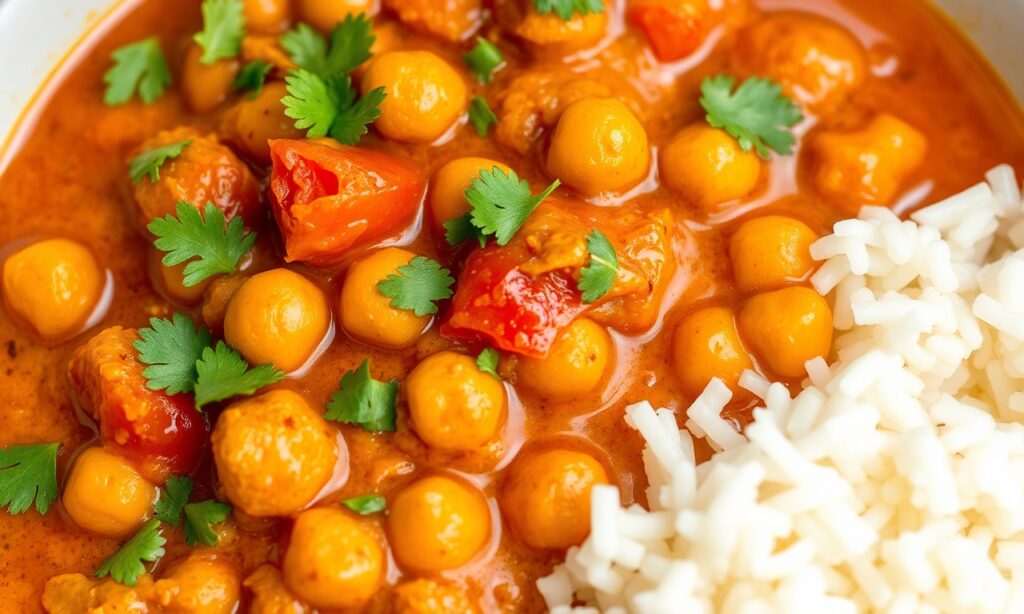
- Serve: Ladle the hot chickpea curry over steamed basmati rice, quinoa, or serve with warm naan bread for a complete and satisfying meal.
💡 Expert Insight
Expert Insight: The Power of Blooming Spices
Regarding Chickpea Curry, Many home cooks overlook the critical step of toasting spices. By gently sautéing ground spices in oil for a short period (30-60 seconds) before adding liquids, you awaken their aromatic compounds, transforming a flat spice blend into a complex, fragrant foundation for your curry. This simple technique is the difference between an average curry and an extraordinary one, significantly enhancing depth and aroma.
Nutritional Powerhouse: Health Benefits of Chickpea Curry
Beyond its incredible flavor and speed, chickpea curry is a nutritional champion, offering a wealth of health benefits that make it an ideal choice for a regular meal. Chickpeas themselves are nutritional powerhouses, boasting a high content of plant-based protein, dietary fiber, and essential micronutrients. This makes them incredibly satiating, helping you feel fuller for longer, which can be beneficial for weight management.
When it comes to Chickpea Curry, According to the USDA FoodData Central, one cup (164g) of cooked chickpeas provides approximately 14.5 grams of protein and 12.5 grams of fiber. This significant fiber content is crucial for digestive health, promoting regular bowel movements and supporting a healthy gut microbiome. Furthermore, the fiber, coupled with the protein, contributes to a lower glycemic index, meaning it causes a slower, more sustained rise in blood sugar levels compared to refined carbohydrates. This is particularly important for individuals managing diabetes or seeking to stabilize energy levels throughout the day.
The spices used in chickpea curry also contribute significantly to its health profile. Turmeric, as previously mentioned, contains curcumin, a potent antioxidant and anti-inflammatory compound. Research published in the journal *Nutrients* has extensively documented curcumin’s potential role in combating oxidative stress and inflammation, which are implicated in numerous chronic diseases. Ginger, another key ingredient, is renowned for its anti-nausea properties and its potential to aid digestion. Garlic contains allicin, a compound believed to have antimicrobial and cardiovascular benefits.
When prepared with healthy fats like coconut milk (in moderation, as it is calorie-dense) and served with whole grains like brown rice or quinoa, chickpea curry becomes a remarkably balanced meal. It provides a complete protein profile when combined with grains, essential for muscle repair and overall bodily function. The vibrant colors of the curry, often derived from the tomatoes and turmeric, also indicate a rich array of antioxidants and phytonutrients that support cellular health.
- Calories: 400-450 kcal
- Protein: 15-20g
- Fiber: 10-15g
- Fat: 20-25g (varying based on coconut milk richness)
- Carbohydrates: 40-50g
- Vitamins & Minerals: Good source of iron, folate, magnesium, and potassium.
Elevating Your Chickpea Curry: Pro Tips for Restaurant-Quality Results
While mastering a 30-minute chickpea curry is achievable with the core recipe, there are several expert-level adjustments you can make to elevate it from merely good to truly exceptional. These nuances, often employed by seasoned chefs, add depth, complexity, and a refined finish that transforms a weeknight staple into a dish worthy of any occasion.
One of the most impactful techniques is toasting your whole spices before grinding them, if you have a little extra time. While the recipe uses pre-ground spices for speed, toasting whole cumin seeds, coriander seeds, and even a few dried chilies in a dry pan until fragrant, then grinding them, releases an unparalleled depth of aroma and flavor. This might add 5-7 minutes to your prep but significantly enhances the dish.
Another crucial element is the quality of your coconut milk. Opt for full-fat canned coconut milk for the richest, creamiest texture. Light coconut milk can result in a thinner, less satisfying sauce. If you find full-fat coconut milk too rich, you can dilute it slightly with water or vegetable broth, but starting with the richer option is recommended for optimal flavor.
Consider adding a small amount of tomato paste to the sautéed aromatics. A tablespoon or two of tomato paste, cooked down with the onions, garlic, and ginger for a few minutes until it darkens slightly, adds a concentrated umami depth and a subtle tang that complements the other flavors beautifully. This step caramelizes the sugars in the tomato paste, enhancing its sweetness and complexity.
Don’t underestimate the power of a finishing touch of “tadka” or “tempering.” While not strictly part of the 30-minute timeline, a quick tempering of whole spices in hot oil or ghee and drizzled over the finished curry just before serving can add a spectacular aromatic layer. For example, heating a tablespoon of ghee or oil and frying a few mustard seeds, cumin seeds, and a dried red chili until they splutter can be spooned over the curry. This is a technique widely used in Indian cooking to add a final burst of flavor and aroma.
Finally, always taste and adjust seasoning at the very end. The salt, acidity from lime, and sweetness from any added ingredients should be in balance. Some chefs add a pinch of sugar or a touch of honey to balance the acidity of the tomatoes, especially if they are particularly tart. A tiny pinch can make a significant difference.
⚠️ Pro-Caution
Pro-Caution: Managing Spice Levels
While heat can enhance the complexity of a dish, it’s crucial to manage spice levels judiciously, especially when aiming for a universally appealing meal. If you are unsure about your guests’ tolerance for heat, err on the side of caution. You can always add more chili powder or a dash of hot sauce at the table. Starting with a smaller amount of cayenne pepper or chili powder and tasting as you go is a wise strategy to avoid an overly spicy curry that might deter diners.
Serving Suggestions and Variations
The versatility of chickpea curry is one of its greatest strengths, allowing for endless customization and pairing. The classic accompaniment is, of course, steamed basmati rice, its fluffy grains perfectly soaking up the rich, aromatic sauce. However, for a more nutrient-dense option, consider serving it with brown rice, quinoa, or even cauliflower rice for a low-carb alternative.
Warm, pillowy naan bread or roti are also traditional and delightful pairings, perfect for scooping up every last drop of curry. For a lighter meal, a generous dollop of plain yogurt or a side of a simple cucumber and tomato salad can provide a refreshing contrast.
Beyond these staples, the curry itself can be enhanced with a variety of additions. Consider stirring in a handful of spinach or kale in the last few minutes of simmering to boost the vegetable content. Roasted vegetables like sweet potatoes, cauliflower, or bell peppers can also be added to the curry, providing extra texture and flavor. For a protein boost, consider adding cubes of paneer or firm tofu, sautéed separately and then added to the curry.
Experimentation is key to making this recipe your own. Don’t be afraid to adjust the spice blend to your liking. Perhaps you enjoy the warmth of cinnamon or cloves; a tiny pinch can add an unexpected layer of complexity. A touch of dried fenugreek leaves (kasuri methi) can impart a distinctive, slightly bitter, and aromatic note that is characteristic of many North Indian dishes.
Conclusion: The 30-Minute Curry Revolution
In a world that often equates delicious, home-cooked meals with time-consuming preparation, the 30-minute chickpea curry stands as a beacon of efficiency and flavor. It’s proof of the power of smart ingredient choices, strategic spice layering, and efficient cooking techniques. This dish proves that you don’t need hours in the kitchen to create something deeply satisfying, nourishing, and impressive. From its humble origins to its global appeal, the chickpea curry is a culinary chameleon, adaptable to a myriad of tastes and dietary preferences. By mastering this quick and vibrant recipe, you unlock a weeknight dinner solution that is not only incredibly convenient but also packed with health benefits and bursting with flavor.
Embrace the speed, savor the taste, and make this essential curry a regular in your culinary repertoire.
Frequently Asked Questions
Can I make chickpea curry ahead of time?
Absolutely. Chickpea curry often tastes even better the next day as the flavors have more time to meld. Allow it to cool completely, then store it in an airtight container in the refrigerator for up to 3-4 days. Reheat gently on the stovetop or in the microwave, adding a splash of water or broth if it has thickened too much.
What are some good vegetarian or vegan protein additions to chickpea curry?
Besides chickpeas, which are already a great protein source, you can add cubed firm or extra-firm tofu (pan-fried for texture), paneer (for a vegetarian option), or even tempeh. Lentils, such as red or yellow lentils, can also be added to the curry base and will cook down to add thickness and protein. Ensure any added ingredients are suitable for your dietary needs.
How can I make my chickpea curry spicier?
To increase the heat, you can add more cayenne pepper or red chili powder to the spice blend. For a more complex heat, sauté some finely chopped fresh green chilies (like jalapeños or serranos) with the onions and garlic. You can also add a pinch of dried chili flakes during the simmering process or serve with a side of your favorite hot sauce.
What if I don’t have all the spices listed? Can I substitute?
While the listed spices provide a balanced flavor profile, you can make substitutions. If you’re missing cumin or coriander, you can slightly increase the amounts of other spices. Turmeric is important for color and flavor, so try to keep that. Garam masala is a blend, so if you don’t have it, you might omit it or add a pinch of cinnamon and cloves for a similar warmth. The key is to create a complex flavor profile; using at least cumin, coriander, and turmeric will get you close.
Is chickpea curry healthy for weight loss?
Yes, chickpea curry can be a healthy choice for weight management due to its high fiber and protein content, which promotes satiety and can help reduce overall calorie intake. To optimize it for weight loss, use a moderate amount of healthy fats (like coconut milk), serve with whole grains or a large portion of non-starchy vegetables, and be mindful of portion sizes.
See also: Chickpea Curry