
The Enduring Allure of Creamy Mac
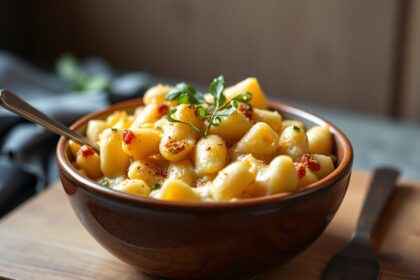
The scent of bubbling cheese, the embrace of tender pasta – it’s a culinary symphony that transcends generations and cultures. For many, a perfectly executed dish of creamy macaroni and cheese isn’t just a meal; it’s a warm hug on a plate, a nostalgic journey back to simpler times, and an undeniable symbol of comfort. A chef once spoke of the soul of a dish, how the simplest ingredients, when treated with respect and understanding, could evoke profound emotional responses. This philosophy, he insisted, was paramount when crafting what he called “comfort classics.” And few dishes embody this principle more profoundly than a truly sublime creamy mac.
- The Enduring Allure of Creamy Mac
- The Foundation of Flavor: Choosing the Right Pasta
- The Alchemy of Cheese: Crafting the Perfect Sauce
- The Cornerstone: A Well-Constructed Béchamel Base
- The Art of Cheese Selection and Melting
- The Secret to Unparalleled Silkiness: Emulsification and Enrichment
- The Ultimate Creamy Mac Recipe: A Proven Method
- Nutritional Insights: Indulgence with Awareness
- Elevating Your Creamy Mac: Pro-Tips for Restaurant-Quality Results
- The Breadcrumb Crust: A Symphony of Textures
- Incorporating Other Comforting Elements
- The Final Flourish: Garnishes and Presentation
- The Enduring Legacy of Creamy Mac
- Frequently Asked Questions About Creamy Mac
Creamy macaroni soup — Wikipedia
It’s a dish that invites indulgence, a canvas for culinary creativity, and proof of the power of simple, high-quality ingredients.
Creamy Mac transcends mere sustenance; it is a meticulously crafted emotional experience, a warm embrace in every bite.
To achieve that coveted, almost ethereal creaminess, a confluence of factors must align. It’s not simply about boiling pasta and stirring in cheese. It involves a nuanced understanding of dairy, starch, heat, and emulsification. The journey from a humble box of macaroni and a block of cheese to a restaurant-quality, velvety masterpiece is paved with subtle yet critical decisions. This article will explore what makes a creamy mac truly unforgettable, dissecting the science and art behind its creation, and providing you with the knowledge to replicate that perfect, luscious texture in your own kitchen.
The Foundation of Flavor: Choosing the Right Pasta
The vessel for our creamy cheese sauce is as crucial as the sauce itself. While almost any pasta shape can technically cradle cheese, certain varieties possess inherent advantages in creating that perfect, clinging texture. The goal is to select pasta that can hold onto the sauce, providing ample surface area for it to adhere to, and that will absorb just the right amount of moisture without becoming mushy.
Classic Choices for Maximum Sauce Adhesion
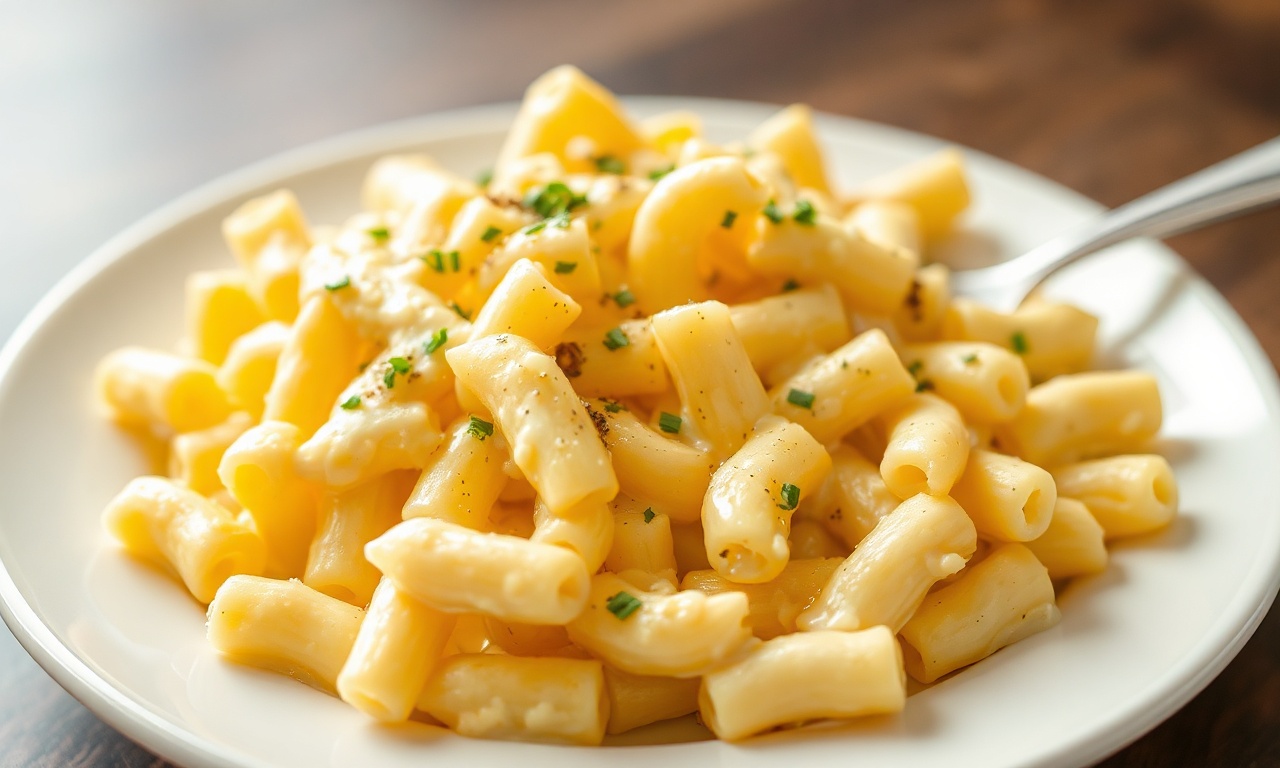
The undisputed champion in the creamy mac arena is, of course, macaroni. Its signature elbow shape is not just aesthetically pleasing; the hollow center and curved exterior are designed to trap generous dollops of cheese sauce. However, within the broad category of “macaroni,” variations exist. The classic elbow macaroni, with its smooth interior, is excellent. But for an even more robust sauce embrace, consider pasta with ridges, such as rigatoni or penne rigate. The grooves in these shapes provide an even greater surface area for the cheese sauce to cling to, ensuring that every mouthful is a delightful explosion of flavor and texture.
Beyond the Elbow: Exploring Other Textural Possibilities
While elbows reign supreme for many, don’t be afraid to experiment. Shells (conchiglie) are another fantastic option, their cupped form acting like tiny spoons to scoop up sauce. Cavatappi, with its corkscrew shape and ridges, also excels at trapping sauce. For a more artisanal touch, consider fusilli or rotini – their twists and turns create pockets of creamy goodness. The key is to avoid shapes that are too delicate or too large and flat, which can lead to uneven sauce distribution or a less integrated dish. Research suggests that the surface area-to-volume ratio of pasta significantly impacts how well it holds sauces, with ridged and hollow shapes generally performing better for creamy applications.
The Alchemy of Cheese: Crafting the Perfect Sauce
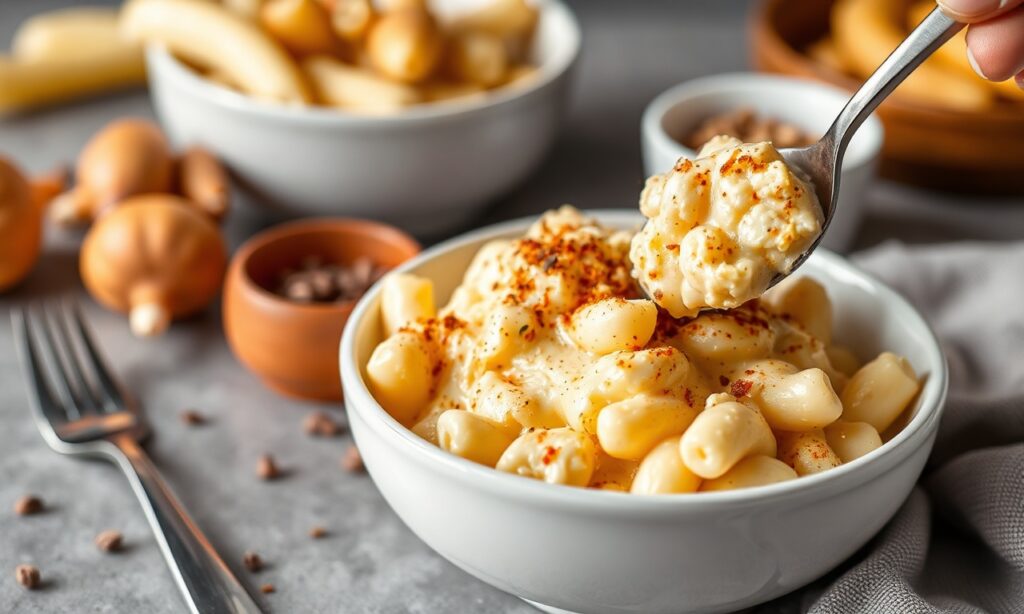
This is where the magic truly happens, and where the term “creamy” is either realized or tragically missed. A phenomenal cheese sauce for mac and cheese is a delicate balance of fat, protein, and liquid, coaxed into a smooth, emulsified state. It’s not about simply melting cheese; it’s about building a sauce that is rich, velvety, and utterly irresistible.
The Cornerstone: A Well-Constructed Béchamel Base
The foundation of most truly creamy mac and cheese sauces is a béchamel, one of the five French mother sauces. This classic white sauce, made from a roux (equal parts butter and flour cooked together) and milk, provides a stable, smooth base that cheese can be incorporated into without becoming oily or grainy. The cooking time of the roux is critical: a blonde roux, cooked for just a few minutes until the raw flour taste is gone but before it colors significantly, is ideal for a béchamel. Overcooking the roux can impart an undesirable nutty or browned flavor, which is not suited for a delicate cheese sauce.
The Art of Cheese Selection and Melting
The choice of cheese is paramount. A single, strongly flavored cheese can overpower the dish, while a blend offers complexity and superior melting properties. Sharp cheddar is a perennial favorite for its robust flavor, but it can sometimes be prone to greasiness. To combat this, and to enhance creaminess, a blend is almost always superior.
Consider these essential cheese pairings:
- Sharp Cheddar: For that classic, tangy flavor punch.
- Gruyère: Its nutty, slightly sweet profile melts beautifully and adds depth.
- Monterey Jack or Colby Jack: These milder, semi-hard cheeses are excellent melters and contribute to a smoother texture.
- Fontina: A semi-soft Italian cheese that melts into a luxuriously smooth, slightly earthy sauce.
- Cream Cheese: A secret weapon for many chefs, a small amount of full-fat cream cheese whisked into the sauce at the end provides unparalleled creaminess and stability, preventing separation.
When melting cheese into the béchamel, it’s crucial to do so over low heat, stirring constantly. Adding cheese to a sauce that is too hot can cause the proteins to seize, leading to a grainy or oily texture. Shredding your cheese rather than cubing it also speeds up the melting process and ensures a more even incorporation. Research in the *Journal of Dairy Science* found that the fat content and protein structure of different cheeses significantly impact their melting behavior, with higher fat and lower protein cheeses generally yielding smoother sauces.
The Secret to Unparalleled Silkiness: Emulsification and Enrichment
Achieving that truly “creamy” texture goes beyond just melting cheese. It involves proper emulsification, where fat and liquid are bound together to create a stable, homogenous sauce. The starch from the béchamel matter significantly here, helping to suspend the fat molecules.
Beyond the béchamel and cheese, several ingredients can elevate the creaminess:
- Heavy Cream or Half-and-Half: Swapping some of the milk in your béchamel with a richer dairy product like heavy cream or half-and-half will inherently boost the sauce’s unctuousness and smooth mouthfeel.
- Evaporated Milk: This shelf-stable dairy product is a favorite for many comfort food recipes. Its higher concentration of milk solids and lower water content, achieved through evaporation, helps create a richer, creamier sauce without thinning it out.
- Egg Yolks: For a truly decadent and restaurant-quality finish, tempering a few egg yolks into the finished sauce (off the heat) adds richness, a beautiful golden hue, and a silky texture. This process, known as tempering, involves gradually introducing a hot liquid to the egg yolks while whisking continuously to prevent them from scrambling.
- A Touch of Mustard Powder or Nutmeg: While not directly contributing to creaminess, these subtle additions can enhance the perception of richness and depth of flavor, making the cheese sauce seem even more luxurious.
The Ultimate Creamy Mac Recipe: A Proven Method
Here is a recipe meticulously developed to guide you to that perfect, velvety creamy mac, incorporating the principles discussed above. This recipe emphasizes technique and ingredient quality for a truly exceptional outcome.
Ingredients:
- 1 pound (450g) elbow macaroni (or your preferred pasta shape)
- 1/2 cup (113g) unsalted butter
- 1/2 cup (65g) all-purpose flour
- 3 cups (710ml) whole milk, warmed
- 1 cup (237ml) heavy cream
- 1 teaspoon salt, plus more for pasta water
- 1/2 teaspoon black pepper
- 1/4 teaspoon ground nutmeg (optional, but recommended)
- 1 teaspoon Dijon mustard powder (or 1 tablespoon Dijon mustard)
- 4 cups (about 16 oz or 450g) shredded cheese blend (e.g., 2 cups sharp cheddar, 1 cup Gruyère, 1 cup Monterey Jack)
- 2 large egg yolks, lightly beaten (optional, for extra richness)
Preparation Method:
- Preheat and Prep: Preheat your oven to 375°F (190°C). Lightly grease a 9×13 inch baking dish. This step is crucial for preventing sticking and ensuring an even bake.
- Cook the Pasta: Bring a large pot of generously salted water to a rolling boil. Add the macaroni and cook according to package directions until al dente – it should still have a slight bite, as it will continue to cook in the oven. Drain the pasta thoroughly and set aside. Do not rinse.
- Make the Roux: In a large, heavy-bottomed saucepan or Dutch oven, melt the butter over medium heat. Once melted, whisk in the flour until a smooth paste forms. Cook the roux for 1-2 minutes, whisking constantly, until it is lightly golden and has lost its raw flour scent. This is a blonde roux, essential for a clean-tasting béchamel.
- Build the Béchamel: Gradually whisk in the warmed milk, about half a cup at a time, ensuring each addition is fully incorporated before adding more. Continue whisking until the sauce is smooth and begins to thicken.
- Add Cream and Seasonings: Whisk in the heavy cream. Bring the mixture to a gentle simmer, stirring frequently. Reduce the heat to low and let it simmer for 2-3 minutes to allow the sauce to thicken further. Stir in the salt, pepper, nutmeg (if using), and Dijon mustard powder.
- Melt the Cheese: Remove the saucepan from the heat. Add the shredded cheese blend to the béchamel, a handful at a time, stirring constantly until each addition is melted and incorporated before adding more. Continue until all the cheese is melted and the sauce is smooth and glossy.
- Temper Egg Yolks (Optional): If using egg yolks for extra richness, temper them now. In a small bowl, whisk the egg yolks lightly. Ladle about 1/2 cup of the warm cheese sauce into the egg yolks while whisking vigorously. This gently heats the yolks and prevents them from curdling. Then, pour the tempered egg yolk mixture back into the main pot of cheese sauce, whisking constantly until fully combined. Do this off the heat.
- Combine Pasta and Sauce: Add the drained, al dente pasta to the pot with the cheese sauce. Gently stir until all the pasta is evenly coated.
- Bake the Mac: Pour the creamy macaroni and cheese into the prepared baking dish, spreading it evenly.
- Golden Perfection: Bake in the preheated oven for 20-25 minutes, or until the sauce is bubbly and the top is lightly golden and slightly crisped. For an even more irresistible crust, you can broil it for the last 1-2 minutes, watching carefully to prevent burning.
- Rest and Serve: Let the creamy mac rest for 5-10 minutes before serving. This allows the sauce to set slightly, making it even creamier and easier to serve.
Nutritional Insights: Indulgence with Awareness
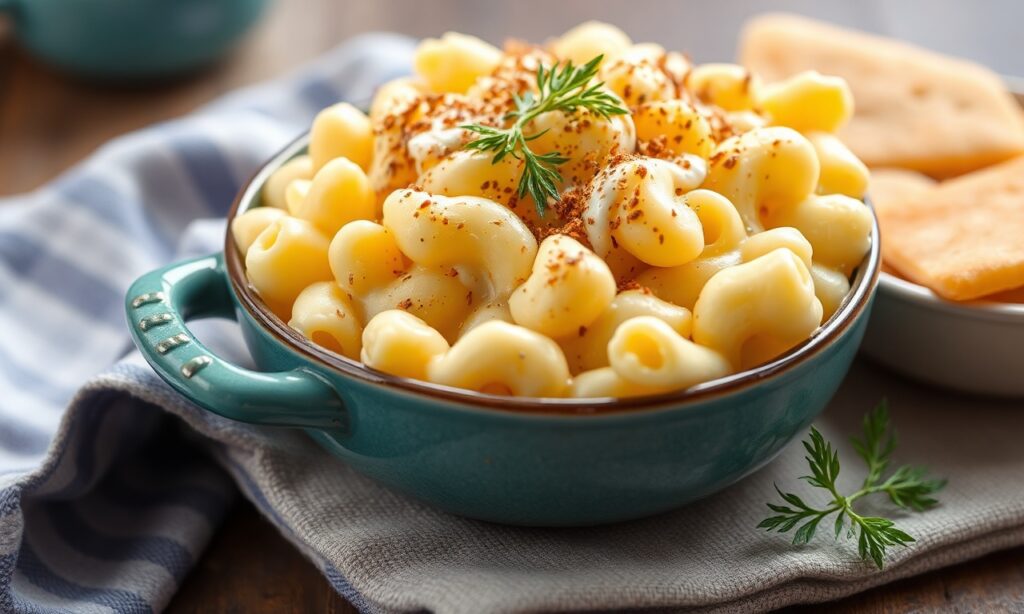
While creamy mac is undeniably a treat, understanding its nutritional profile can help in enjoying it mindfully. A typical serving (approximately 1.5 cups) of this rich dish, made with whole milk, heavy cream, and a generous amount of cheese, can be quite calorie-dense and high in saturated fat and sodium.
A single serving, based on the recipe above, can typically contain:
- Calories: 600-800 kcal
- Protein: 20-30g
- Fat: 35-50g (with a significant portion being saturated fat)
- Carbohydrates: 45-60g
- Sodium: 800-1200mg (depending on the salt added and cheese used)
Keep in mind that these are estimates. Factors such as the specific types and brands of cheese, the fat content of dairy used, and portion sizes will influence the final nutritional values. For a lighter version, consider using lower-fat milk and cheese, and incorporate more vegetables into the dish. However, for the ultimate comfort food experience, the richness is part of its charm.
Elevating Your Creamy Mac: Pro-Tips for Restaurant-Quality Results
To truly master the art of creamy mac and cheese and achieve results that rival your favorite upscale eateries, consider these expert-level enhancements. These are the subtle touches that transform a good dish into an extraordinary one.
The Breadcrumb Crust: A Symphony of Textures
While the baked cheese top is delightful, a crispy breadcrumb topping adds a contrasting textural element that is nothing short of sublime.
- Panko Breadcrumbs: These Japanese-style breadcrumbs are significantly lighter and airier than traditional breadcrumbs, resulting in a shatteringly crisp topping.
- Butter and Seasonings: Toss Panko breadcrumbs with melted butter, a pinch of garlic powder, and a sprinkle of Parmesan cheese.
- Application: Sprinkle this mixture evenly over the top of the mac and cheese during the last 10-15 minutes of baking.
Incorporating Other Comforting Elements
Creamy mac is a fantastic base for additional flavor components.
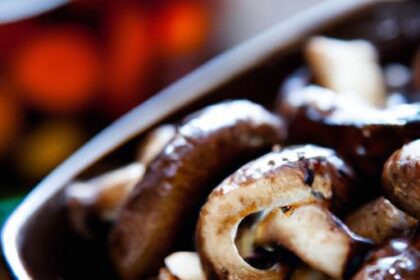
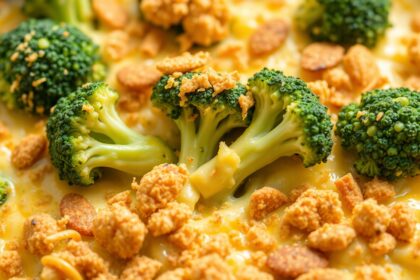
- Vegetable Integration: Stir in steamed broccoli florets, roasted cauliflower, sautéed mushrooms, or caramelized onions into the pasta and sauce mixture before baking. This adds nutrients, flavor, and texture.
- Protein Boost: Fold in cooked, crumbled bacon, shredded rotisserie chicken, or even chunks of lobster for a truly decadent variation.
- Spicy Kick: Add a pinch of cayenne pepper to the cheese sauce, or incorporate some diced jalapeños for a delightful warmth.
The Final Flourish: Garnishes and Presentation
Even the simplest garnishes can elevate the visual appeal and flavor profile of your creamy mac. A scattering of fresh chives, a sprinkle of smoked paprika, or a drizzle of truffle oil can add a professional polish.
The Enduring Legacy of Creamy Mac
From childhood dinner tables to sophisticated culinary gatherings, the creamy mac and cheese remains a constant, a beloved benchmark of comfort food. Its adaptability, from the simplest preparation to elaborate gourmet interpretations, ensures its enduring appeal. The “essential ingredient” is not a single item, but rather a combination of thoughtful technique, quality ingredients, and a deep appreciation for the simple joy it brings. It’s a dish that speaks to our collective palate, a universal language of warmth and satisfaction.
Frequently Asked Questions About Creamy Mac
What is the best type of cheese for creamy mac and cheese?
Can I make creamy mac and cheese ahead of time?
How do I prevent my creamy mac and cheese from becoming dry?
What pasta shapes are best for creamy mac and cheese?
How can I make my creamy mac and cheese sauce smoother?
See also: Creamy Mac