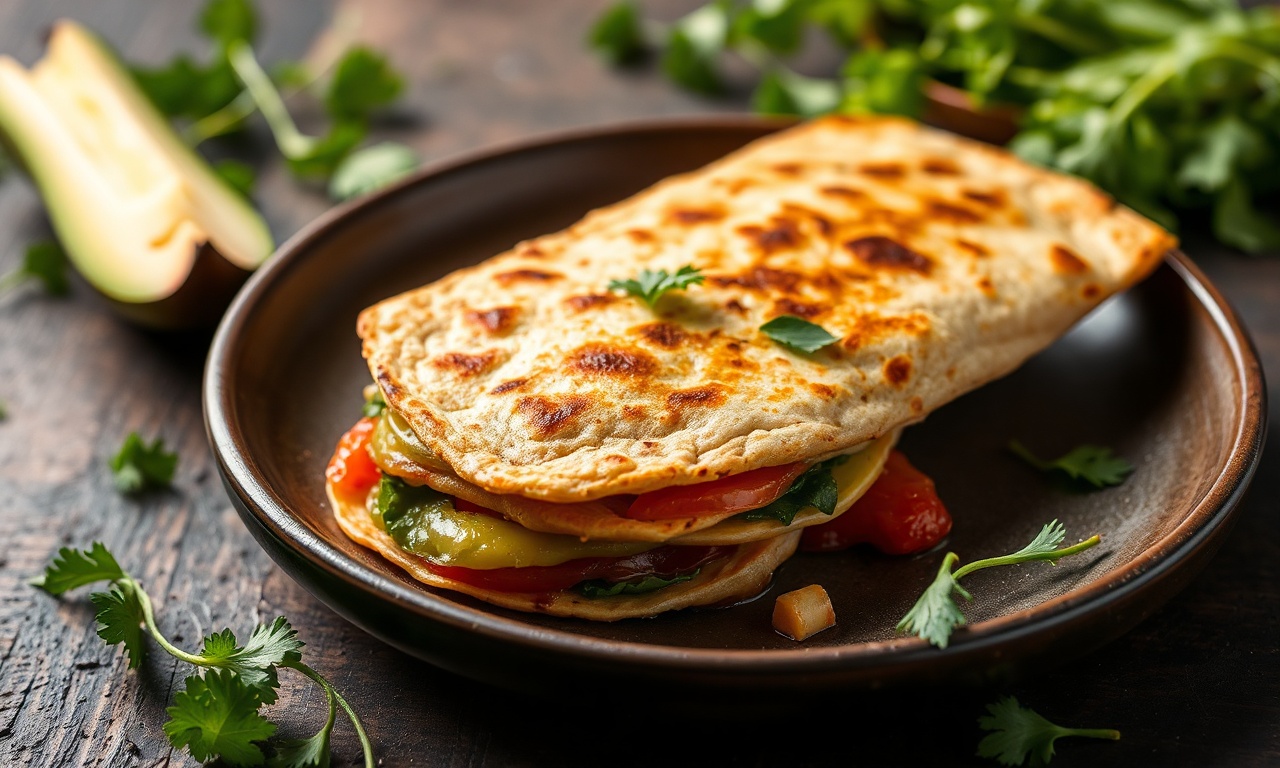

When it comes to Vegetarian Quesadillas, “The art of cooking is to transform the mundane into the extraordinary.” – Ferran Adrià
- The Foundation: Choosing and Preparing Your Tortillas
- Building Blocks of Flavor: Strategic Filling Selection
- Vegetable Alchemy: Beyond the Basics
- The Protein Powerhouse: Beans and Beyond
- Herbs and Spices: The Aromatic Architects
- The Art of Cheese: Meltability and Flavor Harmony
- The Sizzle: Mastering the Cooking Technique
- Elevating Your Quesadilla: Pro-Tips for Restaurant-Quality Results
- The Power of Acidity and Freshness
- Beyond the Skillet: Grilling and Baking
- Spice Blends and Marinades
- The Importance of Texture Contrast
- Nutritional Snapshot: A Healthier Indulgence
- Frequently Asked Questions
Vegetarian quesadillas have transcended their humble origins to become a versatile and beloved dish, celebrated for their comforting warmth and adaptable nature. Far from being a mere afterthought to their meat-laden counterparts, vegetarian versions, when crafted with intention and understanding, can offer a symphony of flavors and textures that are nothing short of spectacular. This isn’t about simply omitting meat; it’s about actively building layers of taste, employing smart techniques, and understanding the interplay of ingredients to achieve a truly remarkable culinary experience. Whether you’re a seasoned cook or just beginning your culinary journey, mastering the art of the vegetarian quesadilla will elevate your weeknight meals and impress guests alike.
Key Takeaways:
- Focus on Flavor Layering: Beyond cheese and beans, explore diverse vegetables, spices, and herbs to build complexity.
- Texture is Paramount: Combine soft, creamy, and slightly crisp elements for a satisfying mouthfeel.
- The Tortilla Matters: Choose quality tortillas and master the cooking technique for a perfect, golden-brown exterior.
- Strategic Cheese Selection: Opt for cheeses that melt well and offer complementary flavors to your fillings.
The beauty of the quesadilla lies in its inherent simplicity, yet its potential for gourmet expression is vast. Traditionally a quick meal, often born out of necessity, the modern vegetarian quesadilla is a canvas for creativity. It’s a dish that can be as refined or as rustic as you desire, adapting to seasonal produce and personal preferences. To truly excel, one must look beyond the basic assembly and explore the nuances that transform a good quesadilla into an exceptional one. This guide will equip you with the professional secrets that elevate vegetarian quesadillas from everyday fare to a culinary triumph.
The Foundation: Choosing and Preparing Your Tortillas
In the context of Vegetarian Quesadillas, The tortilla is the unsung hero of any quesadilla. Its role extends beyond mere containment; it’s a crucial component contributing to the overall texture and flavor profile. For optimal results, opt for high-quality flour tortillas, ideally those made with lard or oil for superior pliability and browning. Corn tortillas can also be used, but they tend to be more brittle and may require a lighter touch during cooking to prevent cracking.
Around Vegetarian Quesadillas, When preparing your tortillas, a light brush of oil or melted butter on the exterior is non-negotiable. This simple step is key to achieving that coveted golden-brown, slightly crispy exterior that contrasts beautifully with the molten interior. The oil not only aids in browning but also imparts a subtle richness. Some chefs advocate for warming the tortillas slightly before adding the fillings, making them more pliable and less prone to tearing. This can be achieved by briefly heating them in a dry skillet or for a few seconds in a microwave.
Building Blocks of Flavor: Strategic Filling Selection
Regarding Vegetarian Quesadillas, The heart of a vegetarian quesadilla lies in its filling. This is where innovation and thoughtful ingredient pairing come into play. Moving beyond the standard black beans and corn, a world of possibilities awaits. Consider the inherent flavors and textures of your chosen vegetables and how they will interact when heated and melded with cheese.
Vegetable Alchemy: Beyond the Basics
When it comes to Vegetarian Quesadillas, When selecting vegetables, aim for a balance of sweetness, earthiness, and a hint of acidity. Roasting or sautéing vegetables before adding them to the quesadilla concentrates their flavors, removes excess moisture that can lead to a soggy quesadilla, and develops a more complex taste profile.
- Sweet & Earthy: Roasted sweet potatoes, butternut squash, or pumpkin offer a delightful sweetness and creamy texture. Caramelized onions and sautéed mushrooms add deep, umami notes.
- Vibrant & Fresh: Bell peppers (all colors), zucchini, and corn provide a burst of color and a pleasant, slightly sweet crunch. Sautéing these until tender-crisp is ideal.
- Spicy & Pungent: Jalapeños, poblano peppers, and a pinch of chili flakes introduce a welcome warmth. Roasting poblano peppers and then peeling and dicing them adds a smoky depth.
- Leafy Greens: Wilted spinach, kale, or Swiss chard can be incorporated, but ensure they are thoroughly drained of excess liquid before adding to the filling.
In the context of Vegetarian Quesadillas, 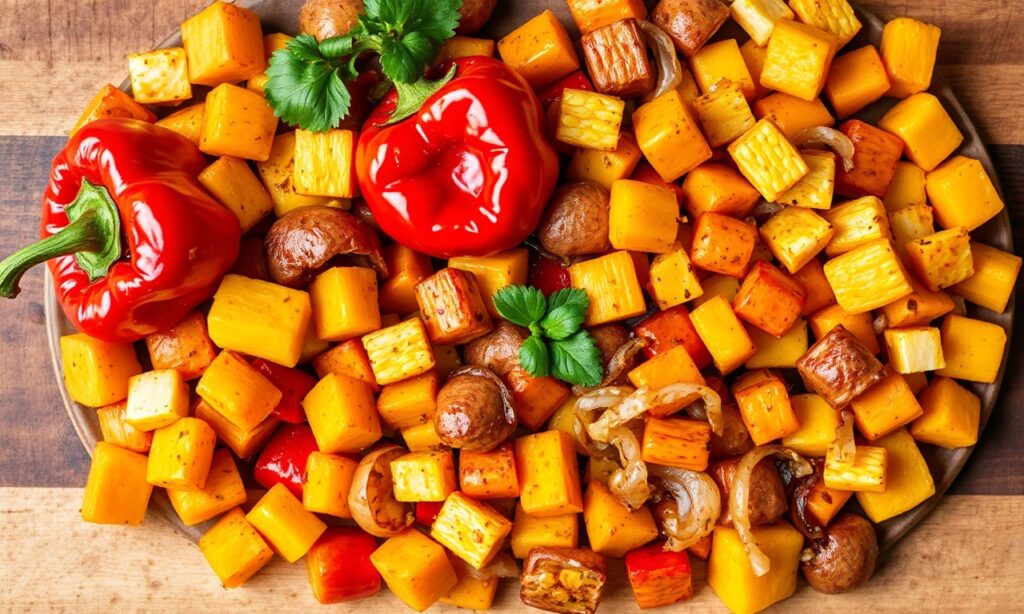
The Protein Powerhouse: Beans and Beyond
Around Vegetarian Quesadillas, Beans are a staple for a reason, providing substance and a creamy texture. Black beans and pinto beans are classic choices, but don’t hesitate to explore others. Refried beans, seasoned well, offer a rich, savory base. For added texture and a nutty flavor, consider chickpeas, lentils, or even crumbled firm tofu that has been seasoned and pan-fried.
Herbs and Spices: The Aromatic Architects
Regarding Vegetarian Quesadillas, The judicious use of herbs and spices is what truly elevates a quesadilla from good to unforgettable. Fresh cilantro, chopped finely, adds a bright, herbaceous lift. A pinch of cumin, smoked paprika, or chili powder can infuse the filling with warmth and complexity. Don’t underestimate the power of a touch of garlic and onion powder to enhance the savory notes.
The Art of Cheese: Meltability and Flavor Harmony
When it comes to Vegetarian Quesadillas, Cheese is the soul of the quesadilla, binding the ingredients together and providing that irresistible gooey texture. The key is to select cheeses that melt well and complement the other flavors in your filling. A blend of cheeses often yields the most satisfying results.
- Melting Maestros: Monterey Jack, cheddar (mild to sharp), Oaxaca cheese, and mozzarella are excellent choices for their superior melting capabilities.
- Flavor Enhancers: A touch of Gruyère can add a nutty depth, while a sprinkle of cotija cheese, added after cooking, provides a salty, crumbly counterpoint.
- Spicy Accents: Pepper Jack cheese introduces a gentle heat that can be very pleasing.
In the context of Vegetarian Quesadillas, 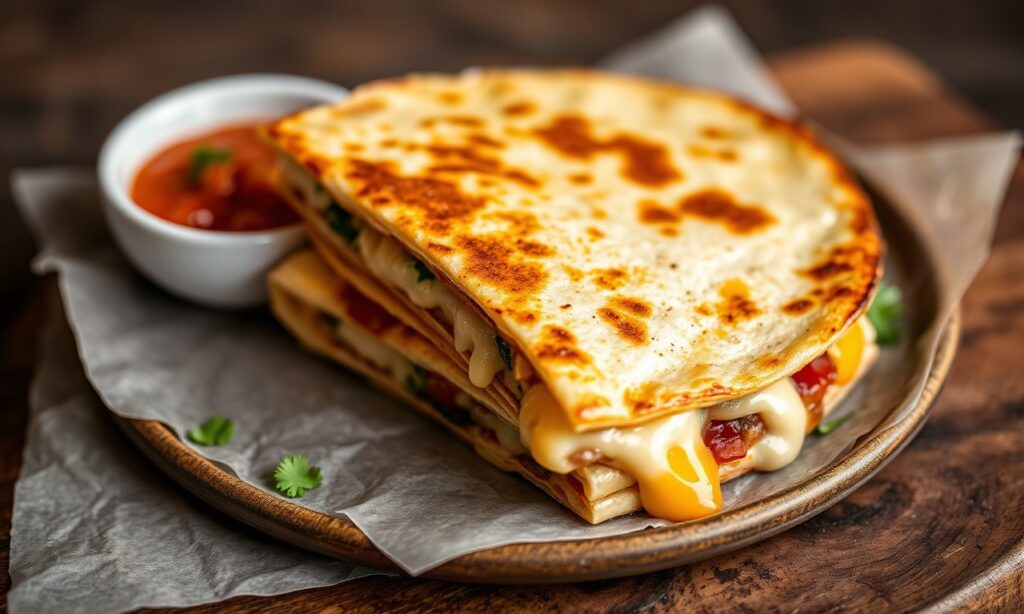
Around Vegetarian Quesadillas, When assembling, don’t overstuff your quesadilla. Too much filling can prevent the cheese from melting properly and make the quesadilla difficult to handle. Aim for an even distribution of ingredients. A good rule of thumb is to spread the filling on one half of the tortilla, leaving a slight border, then fold the other half over.
The Sizzle: Mastering the Cooking Technique
Regarding Vegetarian Quesadillas, The cooking process is where the magic truly happens. A well-cooked quesadilla boasts a perfectly golden-brown exterior and a molten, flavorful interior. Patience and medium heat are your allies here.
Step-by-Step Guide to Quesadilla Perfection
- Prepare Your Fillings: Ensure all vegetables are cooked and any excess moisture is removed. Season your beans and any other protein elements. Grate or shred your cheeses.
- Warm the Pan: Heat a lightly oiled or buttered skillet (cast iron works wonderfully) over medium heat. The pan should be hot enough to sizzle gently when a drop of water hits it, but not so hot that it scorches the tortilla immediately.
- Assemble the Quesadilla: Lay a tortilla flat in the warm skillet. Spread your chosen fillings evenly over half of the tortilla, leaving a small border. Generously sprinkle your cheese blend over the fillings.
- Fold and Cook: Carefully fold the unfilled half of the tortilla over the filling. Gently press down with a spatula to help the ingredients meld and the tortilla adhere.
- Achieve Golden Perfection: Cook for 3-5 minutes per side, or until the tortilla is golden brown and crispy, and the cheese is thoroughly melted and gooey. Adjust heat as needed to prevent burning.
- Flip with Finesse: Use a wide spatula to carefully flip the quesadilla. A quick, confident motion is best.
- Rest and Serve: Once cooked on both sides, transfer the quesadilla to a cutting board. Let it rest for a minute or two before slicing. This allows the cheese to set slightly, making for cleaner cuts.
When it comes to Vegetarian Quesadillas, The temperature of your pan is critical. Too high, and the tortilla will burn before the cheese melts. Too low, and the tortilla will become tough and greasy without achieving that desirable crispness. Medium heat is the sweet spot, allowing for even cooking and perfect browning.
Elevating Your Quesadilla: Pro-Tips for Restaurant-Quality Results
To truly elevate your vegetarian quesadillas to a professional standard, consider these advanced techniques and considerations. They are the subtle touches that make a significant difference.
The Power of Acidity and Freshness
In the context of Vegetarian Quesadillas, A squeeze of fresh lime juice over the fillings before cooking can brighten the flavors and cut through the richness of the cheese. Similarly, serving your quesadillas with a vibrant salsa, a dollop of cooling sour cream or Greek yogurt, and a sprinkle of fresh cilantro or avocado crema adds a crucial element of freshness and complexity.
Beyond the Skillet: Grilling and Baking
While stovetop cooking is traditional, grilling or baking can offer unique textures. Grilling imparts a smoky flavor and attractive char marks. Baking, particularly in a preheated oven, can be a more hands-off approach for larger batches, ensuring even cooking without the need for constant monitoring. For baking, place quesadillas on a baking sheet lined with parchment paper and bake at around 375°F (190°C) for 10-15 minutes, flipping halfway through, until golden and bubbly.
Spice Blends and Marinades
Instead of relying solely on individual spices, consider creating your own signature spice blend for your fillings. A mix of cumin, coriander, smoked paprika, and a pinch of cayenne can create a robust flavor profile. For ingredients like firm tofu or mushrooms, marinating them for at least 30 minutes in a mixture of lime juice, soy sauce (or tamari), garlic, and spices can infuse them with deep flavor.
The Importance of Texture Contrast
A truly memorable quesadilla offers a delightful interplay of textures. Combine ingredients that provide a satisfying contrast: the creamy melted cheese, the tender-cooked vegetables, the slightly chewy tortilla, and perhaps a crunchy element like toasted pepitas (pumpkin seeds) or a sprinkle of crispy fried onions.
Nutritional Snapshot: A Healthier Indulgence
Vegetarian quesadillas, when prepared with mindful ingredient choices, can be a surprisingly nutritious meal. They offer a good source of protein and fiber from beans and vegetables, and when made with whole-wheat tortillas, they provide complex carbohydrates.
The exact nutritional value will vary significantly based on the types and quantities of fillings and cheese used. However, a typical vegetarian quesadilla made with a whole-wheat tortilla, black beans, corn, bell peppers, and a moderate amount of cheese might provide:
- Calories: 350-500 kcal
- Protein: 15-25g
- Fiber: 8-15g
- Healthy Fats: From avocado or olive oil used in cooking.
- Vitamins and Minerals: Rich in Vitamin A, Vitamin C, iron, and potassium, depending on the vegetable selection.
For a lighter option, consider using lower-fat cheeses, loading up on non-starchy vegetables, and using a smaller amount of filling. Opting for whole-grain tortillas also boosts the fiber content, promoting satiety and digestive health. Research suggests the benefits of dietary fiber in promoting gut health and reducing the risk of chronic diseases, making fiber-rich fillings a smart choice.
Frequently Asked Questions
What is the best type of tortilla for vegetarian quesadillas?
The best tortillas are generally high-quality flour tortillas, as they are pliable and tend to brown beautifully. For a gluten-free option, corn tortillas can be used, but they require a gentler cooking approach to prevent them from cracking.
How do I prevent my quesadillas from becoming soggy?
The key to avoiding soggy quesadillas is to ensure your fillings are not excessively wet. Cook vegetables until tender-crisp, drain them thoroughly, and drain any canned beans or corn. Avoid overstuffing, which can also trap moisture.
Can I make vegetarian quesadillas ahead of time?
While quesadillas are best enjoyed fresh, you can prepare the fillings in advance. Store them separately and assemble and cook the quesadillas just before serving for optimal texture and flavor.
What are some good dipping sauces for vegetarian quesadillas?
Classic accompaniments include salsa (verde, roja, or pico de gallo), guacamole, sour cream, Greek yogurt-based dips, or a spicy crema.
How can I add more protein to my vegetarian quesadillas?
In addition to beans, consider adding seasoned and crumbled tofu, tempeh, lentils, or even a sprinkle of nutritional yeast for a cheesy, savory flavor and added B vitamins.
See also: Vegetarian Quesadillas