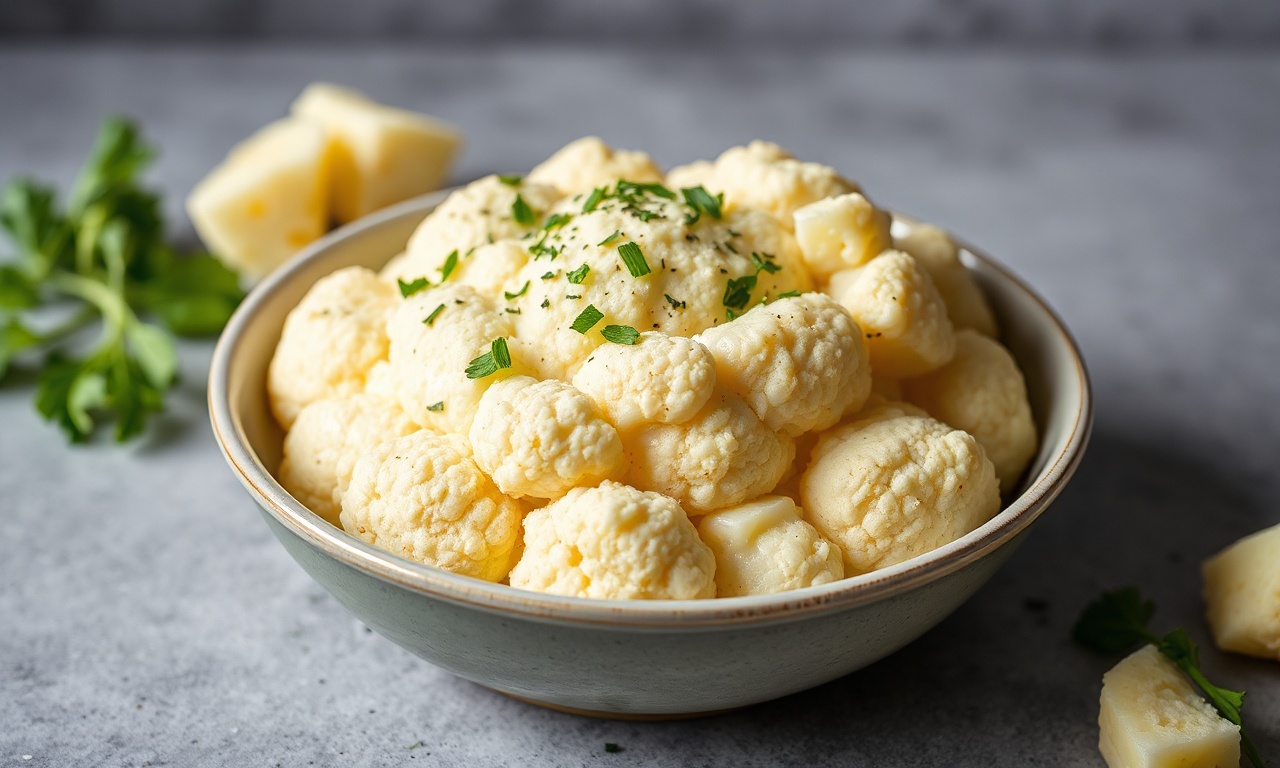

Butter Cauliflower. The mere mention conjures images of velvety textures, rich, comforting flavors, and a dish that has transcended its humble origins to become a modern culinary obsession. It’s a dish that, for many, represents the pinnacle of elevated comfort food, proof of how a simple vegetable can be transformed into something utterly sublime. I recall a dinner party years ago, where a friend, usually reserved in her praise, was practically speechless after her first bite of a butter cauliflower dish. She described it as “pure bliss,” a sentiment echoed by countless home cooks and seasoned gourmands alike. This isn’t just a recipe; it’s an experience, a culinary alchemy that transforms the often-overlooked cauliflower into a star.
- The Allure of Butter Cauliflower: More Than Just a Side Dish
- Unpacking the Flavor Profile: A Symphony of Richness and Spice
- The Culinary Alchemy: Mastering the Texture
- The Definitive Butter Cauliflower Recipe
- Nutritional Insights: Indulgence with a Conscious
- Expert Tips for Elevating Your Butter Cauliflower
- 💡 Expert Insight Expert Insight: The Power of Blooming Spices
- 💡 Expert Insight Expert Insight: Toasting Cauliflower for Maximum Flavor
- 💡 Expert Insight Expert Insight: The Acidity Balance is Key
- ⚠️ Pro-Caution Pro-Caution: Avoid Overcooking the Cauliflower
- Variations and Serving Suggestions
- Butter Cauliflower: A Modern Miracle for the Palate
- Frequently Asked Questions about Butter Cauliflower
But what exactly is it about butter cauliflower that makes it so universally irresistible?
The magic of butter cauliflower lies not just in its ingredients, but in the patient transformation of the humble crucifer into a luxurious, soul-satisfying indulgence.
The essence of butter cauliflower lies in its masterful balance of richness and subtle spice, its ability to be both deeply comforting and surprisingly sophisticated. It’s a dish that speaks to a global palate, drawing inspiration from various culinary traditions while forging its own distinct identity. This article explores the captivating world of butter cauliflower, examining its genesis, the science behind its irresistible texture and flavor, and a definitive guide to creating this culinary marvel in your own kitchen.
The Allure of Butter Cauliflower: More Than Just a Side Dish
Butter cauliflower is a celebration of transformation. It takes a vegetable known for its mildness and potential for blandness and imbues it with an intensity of flavor and a silken texture that is nothing short of extraordinary. This dish often features cauliflower florets that are first roasted or pan-seared to develop a slight char and nutty undertones, then simmered in a rich, creamy sauce. This sauce is typically a symphony of butter, cream, aromatic spices, and often, a touch of tomato for depth and acidity. The result is a dish that is both familiar and decadent, proof of thoughtful preparation and quality ingredients.
Its rise in popularity can be attributed to its adaptability; it can serve as a show-stopping vegetarian main or an unforgettable side dish, fitting seamlessly into a variety of dining occasions.
The cultural resonance of butter cauliflower cannot be understated. While its most recognized form often draws from Indian cuisine’s rich traditions of creamy, spiced vegetable preparations, its global appeal has led to numerous interpretations. From a simple butter-poached cauliflower with herbs to a more complex rendition involving a spiced tomato-butter sauce, the core appeal remains: coaxing unparalleled flavor and texture from a surprisingly simple ingredient. This adaptability is a key factor in its widespread adoption and enduring popularity.
Unpacking the Flavor Profile: A Symphony of Richness and Spice
The irresistible nature of butter cauliflower is rooted in its meticulously crafted flavor profile. The foundation is, of course, the butter, providing a luscious, rich mouthfeel and a subtle, nutty sweetness that complements the cauliflower perfectly. This is often enhanced by heavy cream, which further amplifies the creamy texture and adds a layer of indulgence. But the magic doesn’t stop at dairy. The dish is typically elevated by a carefully selected blend of aromatic spices. Common players include:
- Ginger and Garlic: These form the aromatic backbone, providing pungent depth and warmth.
- Turmeric: Not only imparts a beautiful golden hue but also contributes a subtle earthy, peppery note.
- Cumin and Coriander: These ground spices add complexity and a warm, savory dimension.
- Garam Masala: A quintessential Indian spice blend, it offers a complex, warming profile with hints of cardamom, cinnamon, and cloves, adding a final layer of aromatic intrigue.
- Chili (optional): A touch of heat, often from cayenne pepper or fresh chilies, can cut through the richness and add a delightful kick.
Beyond these core spices, many recipes incorporate tomatoes, either puréed or as paste, to introduce a vital element of acidity and umami. This acidity is crucial; it prevents the dish from becoming cloying and balances the richness of the butter and cream. The interplay between the sweet, nutty cauliflower, the rich dairy, the warm spices, and the tangy tomato creates the complex and utterly satisfying flavor that defines butter cauliflower.
The Culinary Alchemy: Mastering the Texture
The texture of butter cauliflower is as crucial to its appeal as its flavor. It’s a delicate dance between tender, yielding florets and a sauce that is both creamy and clings perfectly. Achieving this requires attention to detail at every stage.
The Importance of Proper Cauliflower Preparation
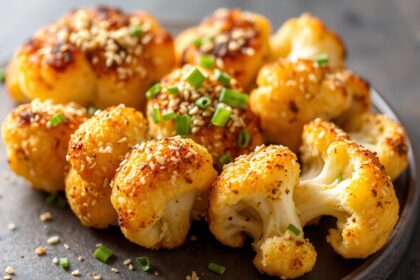
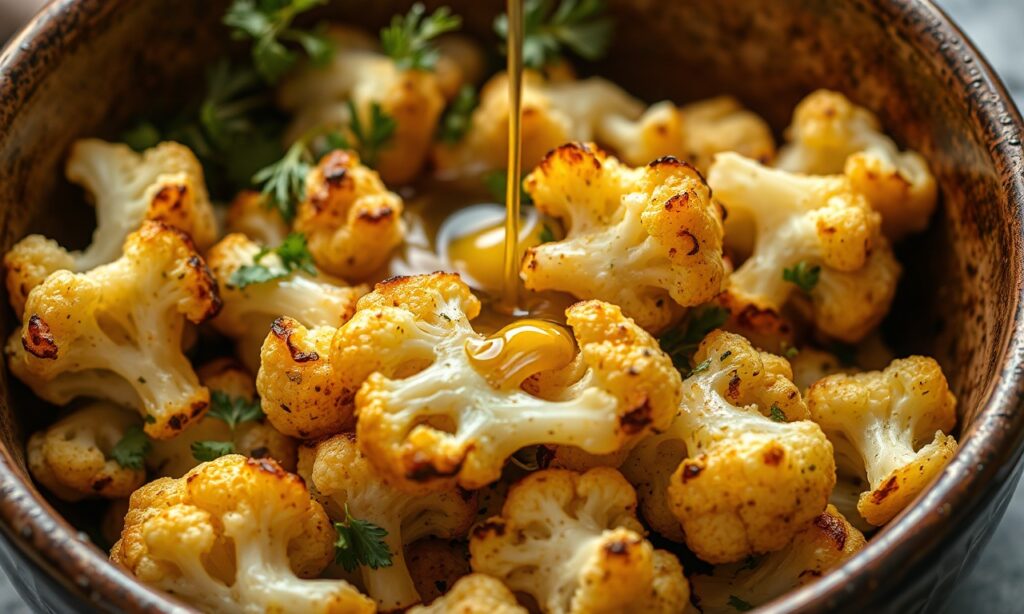
The initial preparation of the cauliflower is paramount. Many recipes advocate for roasting the cauliflower florets before they are incorporated into the sauce. Roasting at a high temperature (around 400-425°F or 200-220°C) allows the edges of the florets to caramelize, developing a slightly crisp exterior and a deeper, nuttier flavor. This charring process also helps the cauliflower retain a pleasant al dente texture, preventing it from becoming mushy when simmered in the sauce. Alternatively, some chefs prefer to pan-sear the cauliflower, achieving a similar effect with a beautiful golden-brown crust. The key is to avoid overcrowding the pan, ensuring each floret gets direct heat for optimal browning.
Building the Velvety Sauce
The sauce is where the “butter” in butter cauliflower truly shines. A generous amount of unsalted butter is typically melted over medium heat, followed by the aromatics (ginger, garlic) sautéed until fragrant. This is often followed by the addition of tomato purée or paste, cooked down to deepen its flavor and reduce its raw acidity. Then comes the cream and a blend of ground spices. Cooking the spices in the butter and oil base, known as “blooming,” intensifies their aroma and flavor. The sauce is then simmered gently, allowing the flavors to meld and the sauce to thicken slightly. The cauliflower florets are then introduced to this luxurious bath, absorbing the rich flavors and becoming coated in the creamy emulsion.
A crucial technique for achieving a truly velvety sauce is the emulsification process. As the butter, cream, and tomato base cook, they naturally form an emulsion. However, gently stirring or whisking can further stabilize this emulsion, ensuring a smooth, homogenous sauce rather than one that separates. Some recipes might also incorporate a small amount of flour or cornstarch as a thickener, though traditionalists often rely on the reduction of the liquids and the natural starches released by the cauliflower itself.
The Definitive Butter Cauliflower Recipe
This recipe aims to capture the essence of what makes butter cauliflower so beloved, offering a balance of rich flavors, tender cauliflower, and a luxurious, spiced sauce.
Ingredients
- 1 large head of cauliflower (about 2 lbs or 900g), cut into bite-sized florets
- 4 tablespoons unsalted butter, divided
- 2 tablespoons olive oil
- 1 large onion, finely chopped
- 3 cloves garlic, minced
- 1 inch fresh ginger, grated
- 1 teaspoon ground turmeric
- 1 teaspoon ground cumin
- 1 teaspoon ground coriander
- ½ teaspoon garam masala
- ¼ teaspoon cayenne pepper (or to taste)
- 1 cup (240ml) crushed tomatoes or tomato purée
- 1 cup (240ml) heavy cream
- ½ cup (120ml) vegetable or chicken broth (optional, for thinning if needed)
- Salt, to taste
- Fresh cilantro, chopped, for garnish
Preparation Method
- Roast the Cauliflower: Preheat your oven to 400°F (200°C). Toss the cauliflower florets with 1 tablespoon of butter and 1 tablespoon of olive oil on a baking sheet. Season generously with salt. Roast for 20-25 minutes, or until tender and lightly browned at the edges. Set aside.
- Sauté Aromatics: In a large, heavy-bottomed skillet or Dutch oven, melt the remaining 3 tablespoons of butter with 1 tablespoon of olive oil over medium heat. Add the chopped onion and sauté until softened and translucent, about 6-8 minutes.
- Bloom the Spices: Add the minced garlic and grated ginger to the skillet and cook for 1 minute until fragrant, being careful not to burn them. Stir in the turmeric, cumin, coriander, garam masala, and cayenne pepper. Cook for another minute, stirring constantly, until the spices are fragrant and have bloomed in the fat.
- Add Tomatoes: Pour in the crushed tomatoes or tomato purée. Cook, stirring, for 3-5 minutes, allowing the tomatoes to deepen in color and their raw acidity to mellow.
- Simmer the Sauce: Reduce the heat to low. Stir in the heavy cream. If the sauce seems too thick, you can add a splash of vegetable or chicken broth to reach your desired consistency. Bring the sauce to a gentle simmer, stirring occasionally. Do not boil vigorously after adding the cream.
- Combine and Finish: Gently add the roasted cauliflower florets to the skillet with the sauce. Stir carefully to coat each floret evenly. Let it simmer for 5-7 minutes, allowing the cauliflower to absorb the flavors and the sauce to thicken slightly. Taste and adjust seasoning with salt as needed.
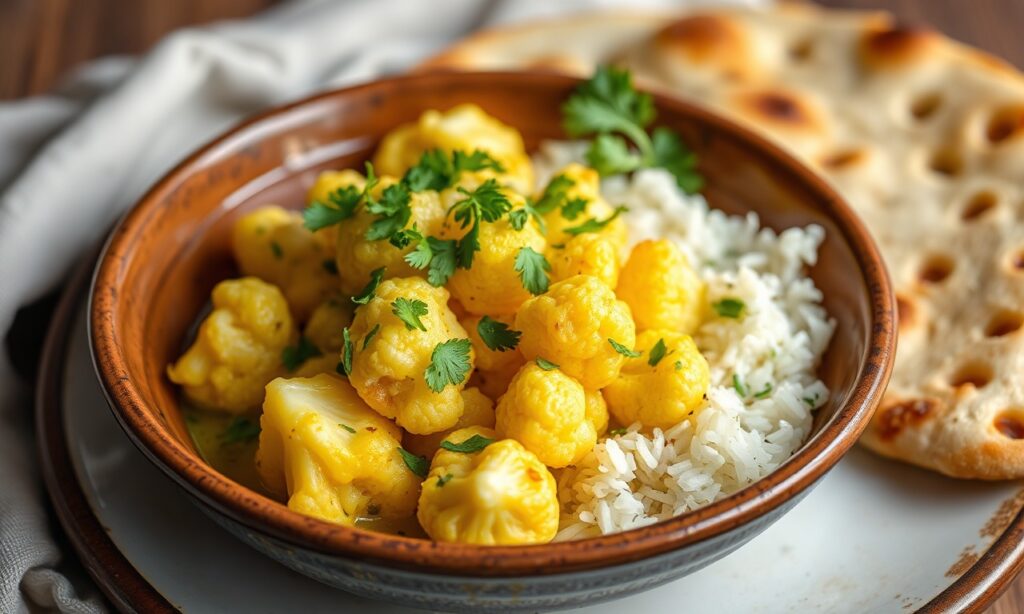
- Serve: Garnish generously with fresh chopped cilantro. Serve hot with basmati rice, naan bread, or as a side dish.
Nutritional Insights: Indulgence with a Conscious
While butter cauliflower is undoubtedly a rich and decadent dish, understanding its nutritional profile can help in mindful enjoyment. A typical serving (approximately 1.5 cups, assuming 6 servings per recipe) offers:
- Calories: Around 350-450 kcal, depending on the exact quantities of butter and cream used.
- Fat: Approximately 30-40g, with a significant portion coming from saturated fats in the butter and cream.
- Carbohydrates: Around 15-20g, with a portion of this being fiber from the cauliflower.
- Protein: About 5-7g.
- Vitamins and Minerals: Cauliflower is a good source of Vitamin C, Vitamin K, and folate. The spices also offer various antioxidants.
Research suggests that incorporating cruciferous vegetables like cauliflower into one’s diet can contribute positively to overall health due to their rich nutrient and phytonutrient content. While this specific preparation leans towards indulgence, the base ingredient remains a nutritional powerhouse.
Expert Tips for Elevating Your Butter Cauliflower
Transforming a good butter cauliflower into a truly exceptional one is an art form. Here are some pro insights to elevate your creation:
💡 Expert Insight
Expert Insight: The Power of Blooming Spices
“Always bloom your spices in the hot fat before adding liquids. This process, known as *tarka* or *tadka* in Indian cooking, unlocks their full aromatic potential and essential oils, creating a far more complex and nuanced flavor profile than simply stirring them into a sauce. Ensure your heat is moderate to avoid burning, which can turn bitter.”
💡 Expert Insight
Expert Insight: Toasting Cauliflower for Maximum Flavor
“Don’t shy away from getting a good char on your cauliflower. The Maillard reaction occurring during roasting or pan-searing is responsible for developing those delightful nutty, slightly sweet notes that are crucial for a truly memorable butter cauliflower. A little browning equals a lot of flavor.”
💡 Expert Insight
Expert Insight: The Acidity Balance is Key
“The richness of butter and cream can be overwhelming if not balanced. A touch of acidity is essential. While tomatoes are common, consider a squeeze of fresh lemon juice at the very end of cooking, or a small amount of tamarind paste for a different kind of tang. This brightens the entire dish.”
⚠️ Pro-Caution
Pro-Caution: Avoid Overcooking the Cauliflower
“The most common pitfall is overcooking the cauliflower. It should be tender but still retain a slight bite, offering a pleasant textural contrast to the creamy sauce. Overcooked cauliflower becomes mushy and loses its distinct character. It’s better to err on the side of slightly underdone, as it will continue to cook gently in the warm sauce.”
Variations and Serving Suggestions
The beauty of butter cauliflower lies in its versatility. While the classic preparation is divine, exploring variations can lead to new culinary discoveries.
- Spicy Butter Cauliflower: Increase the cayenne pepper or add a finely chopped green chili pepper along with the ginger and garlic for a spicier kick.
- Smoky Butter Cauliflower: Introduce a pinch of smoked paprika to the spice blend for an added layer of smoky complexity.
- Cashew Cream Butter Cauliflower: For a dairy-free or vegan option, substitute the heavy cream with thick cashew cream (soaked cashews blended with water) and ensure you use oil instead of butter. The flavor will be subtly different but equally delicious.
- Added Proteins: While wonderful on its own, butter cauliflower pairs exceptionally well with grilled chicken or lamb skewers. You can also stir in some pan-fried paneer or tofu for added protein and texture.
Serving butter cauliflower with fluffy basmati rice is a classic pairing, as the rice perfectly soaks up the luscious sauce. Naan bread, particularly garlic naan, is another excellent companion, ideal for scooping up every last drop. For a more elaborate meal, it can be served alongside other Indian dishes like lentil dal, vegetable curries, or a cooling raita.
Butter Cauliflower: A Modern Miracle for the Palate
Butter cauliflower has rightfully earned its place in the pantheon of modern comfort foods. It’s a dish that demonstrates the power of culinary technique to elevate the ordinary into the extraordinary. By understanding the interplay of rich ingredients, aromatic spices, and precise cooking methods, anyone can recreate this irresistibly comforting and deeply satisfying dish. It’s proof of the fact that sometimes, the most profound flavors come from the simplest of ingredients, transformed with skill and passion.
Frequently Asked Questions about Butter Cauliflower
What is the primary difference between butter cauliflower and other cauliflower dishes?
The defining characteristic of butter cauliflower is its rich, creamy sauce, heavily featuring butter and often cream, infused with a blend of aromatic spices. While other cauliflower dishes might be roasted, steamed, or prepared with lighter sauces, butter cauliflower is specifically designed for its decadent, velvety texture and deep, comforting flavor profile.
Can I make butter cauliflower without heavy cream?
Yes, you can make butter cauliflower without heavy cream. For a lighter version, you can substitute half-and-half or a mixture of milk and a little cornstarch for thickening. For a dairy-free or vegan option, cashew cream, coconut milk (full-fat for richness), or a plant-based evaporated milk alternative can be used, though this will slightly alter the final flavor.
How long does butter cauliflower typically last in the refrigerator?
Butter cauliflower can be stored in an airtight container in the refrigerator for 2-3 days. It’s best to reheat it gently on the stovetop over low heat, adding a splash of water or broth if it has thickened too much. Avoid microwaving, as it can sometimes lead to uneven heating and a less desirable texture.
Is butter cauliflower a healthy dish?
Butter cauliflower is rich in flavor and can be quite indulgent due to its butter and cream content, making it calorie-dense. However, the primary ingredient, cauliflower, is packed with vitamins, fiber, and antioxidants. When consumed in moderation as part of a balanced diet, it can be enjoyed. Opting for lighter substitutions for cream or reducing the amount of butter can make it a healthier choice.
What are the best spices to use in butter cauliflower?
The classic spice blend for butter cauliflower typically includes turmeric, cumin, coriander, ginger, and garlic. Garam masala is often added towards the end for its complex aroma. Cayenne pepper or a touch of chili powder can be added for heat. The key is to balance these warm, earthy spices with the richness of the dairy and the subtle sweetness of the cauliflower.
See also: Butter Cauliflower