
Almond Flour: A Culinary Revolution for the Gluten-Free Lifestyle
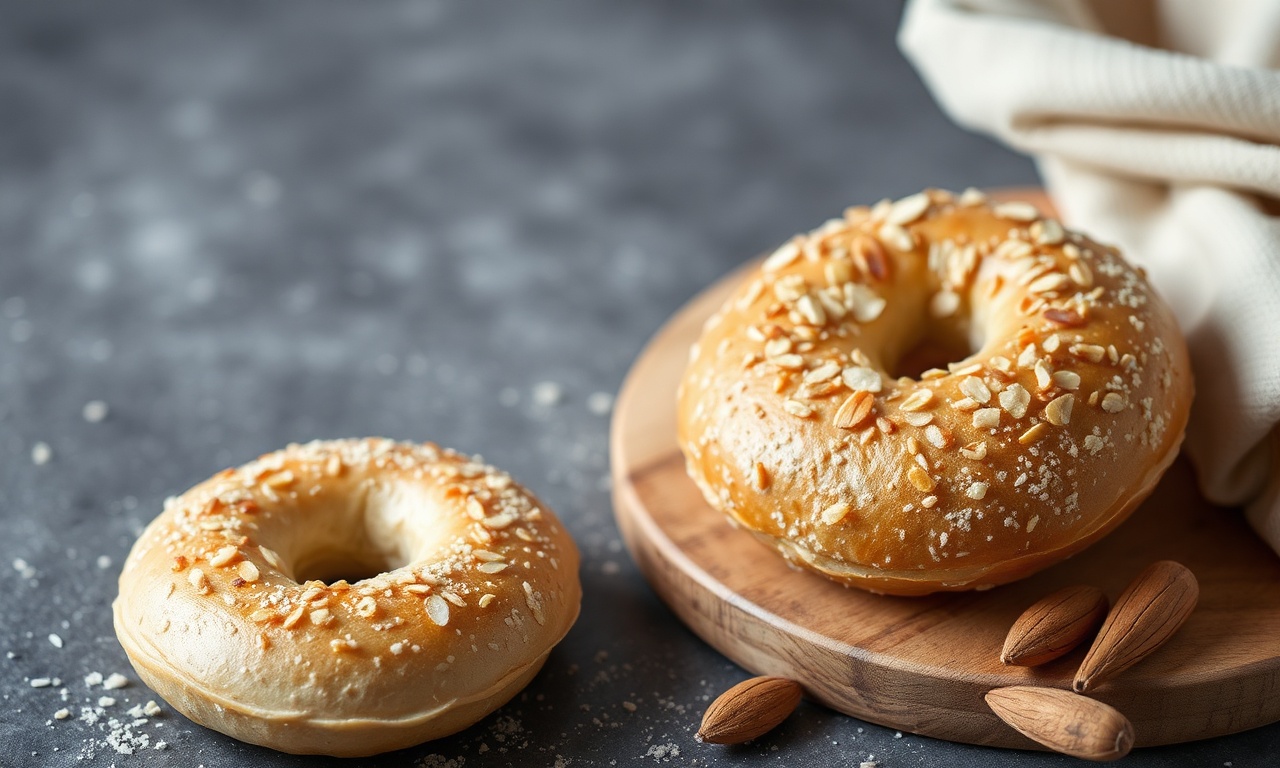
The aroma of freshly baked bagels, their chewy interior and slightly crisp crust a siren song to breakfast lovers, has long been a temptation for those navigating a gluten-free existence. For years, the quest for a satisfying gluten-free bagel often led to disappointment: chalky textures, crumbly failures, or an overwhelming reliance on processed starches that left much to be desired in terms of both flavor and nutrition. It was a culinary landscape dotted with compromises, where the joy of a classic bagel felt like a distant memory. However, a quiet revolution has been brewing in kitchens worldwide, spearheaded by an ingredient that has transformed gluten-free baking from a restrictive chore into an exciting exploration of flavor and texture: almond flour.
- Almond Flour: A Culinary Revolution for the Gluten-Free Lifestyle
- The Allure of Almond Flour Bagels: Beyond Gluten-Free
- Understanding Almond Flour: Types and Properties
- The Art of the Almond Flour Bagel: Essential Ingredients and Their Roles
- Mastering the Method: Step-by-Step Almond Flour Bagel Preparation
- The Secret to a Perfect Texture: Pro-Tips for Almond Flour Bagel Success
- Nutritional Snapshot: The Wholesome Indulgence of Almond Flour Bagels
- Frequently Asked Questions about Almond Flour Bagels
- Almond Flour: Your Gateway to Superior Gluten-Free Baking
This unassuming powder, derived from finely ground blanched almonds, is more than just a substitute; it’s an elevation. Its natural richness, subtle nutty undertones, and inherent moisture-binding properties make it a surprisingly adept foundation for baked goods that can rival their gluten-containing counterparts. Mastering almond flour bagels isn’t just about avoiding gluten; it’s about embracing a superior baking experience that yields results both wholesome and decadent. This guide is your definitive roadmap to unlocking the full potential of almond flour in your bagel-making endeavors, transforming your kitchen into a haven of gluten-free indulgence.
Almond flour is not merely a gluten-free alternative; it is an ingredient that, when properly understood and utilized, can elevate baked goods to new heights of flavor, texture, and nutritional value, redefining what gluten-free baking can achieve.
The Allure of Almond Flour Bagels: Beyond Gluten-Free
The shift towards gluten-free diets, whether for celiac disease, gluten sensitivity, or perceived health benefits, has spurred innovation in the world of baking. Almond flour has emerged as a star player due to its impressive nutritional profile and culinary versatility. Unlike refined wheat flour, which offers primarily carbohydrates, almond flour is a powerhouse of healthy fats, protein, and fiber. A quarter-cup serving (about 28 grams) of almond flour typically contains around 6 grams of protein, 3 grams of fiber, and 14 grams of healthy monounsaturated fats, while being significantly lower in net carbohydrates. This nutritional density not only contributes to a more satisfying bake but also offers potential health advantages, such as aiding in blood sugar management and promoting satiety.
Studies have indicated that replacing refined grains with almond flour can lead to improved glycemic control, a critical factor for many individuals managing their dietary intake. For instance, research has explored the role of almond consumption in improving metabolic health markers, suggesting a broader benefit of almond-derived products.
The texture almond flour imparts is another significant draw. While traditional bagels rely on gluten’s elastic network to create that characteristic chew, almond flour offers a tender crumb with a delightful slight crispness when baked. It absorbs moisture differently, requiring a nuanced approach to hydration and binding agents, but the result is a bagel that is moist, flavorful, and satisfyingly dense without being heavy. This makes almond flour bagels a compelling choice not just for those avoiding gluten, but for anyone seeking a more nutrient-dense, flavorful, and texturally interesting bagel.
Understanding Almond Flour: Types and Properties
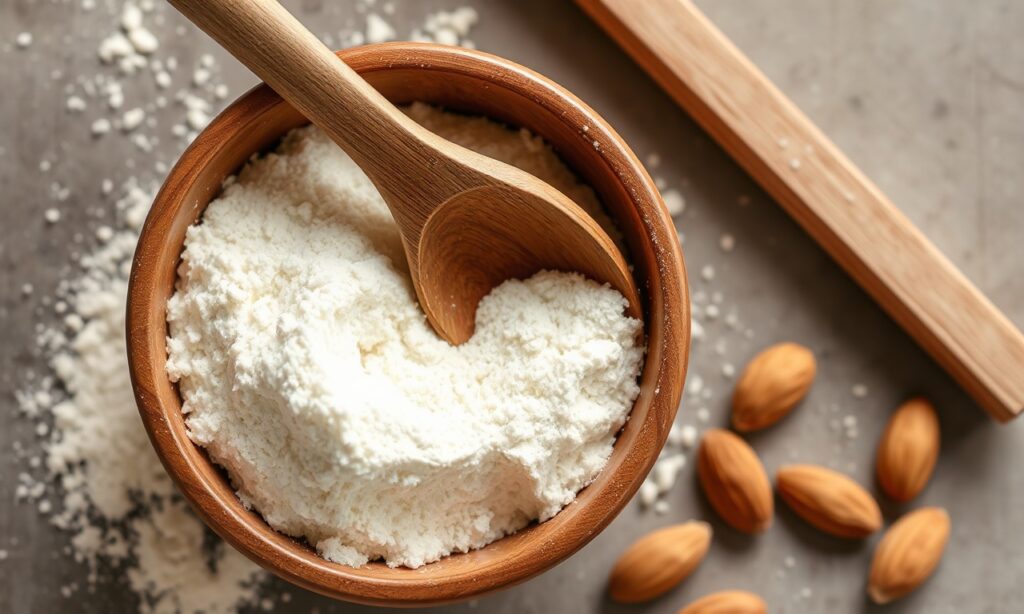
Before embarking on your almond flour bagel journey, it’s crucial to understand the nuances of the ingredient itself. The most common type used in baking is blanched almond flour, where the almonds are first blanched to remove their skins before being ground into a fine powder. This results in a lighter color and a more neutral flavor, ideal for recipes where you want the other ingredients to shine. Natural almond flour, on the other hand, is made from unblanched almonds and retains their skins, leading to a slightly coarser texture and a more pronounced nutty flavor. For bagels, blanched almond flour is generally preferred to achieve a smoother texture and a color closer to traditional bagels.
The granularity of almond flour also matters. Superfine almond flour, milled to an exceptionally fine consistency, will yield the most tender results. Coarser grinds can sometimes lead to a slightly grainier texture. When purchasing, look for brands that specify “superfine” or “finely ground” for optimal results in delicate bakes like bagels. Almond flour is also rich in fats, which contributes to its moistness and flavor but can also affect how it browns. This means you might need to adjust baking times or temperatures slightly compared to wheat flour-based recipes to prevent over-browning.
The Art of the Almond Flour Bagel: Essential Ingredients and Their Roles
Crafting perfect almond flour bagels requires a careful selection of ingredients, each playing a vital role in achieving the desired texture and flavor. Beyond the star, almond flour, other components are critical for success.
Key Ingredients for Your Gluten-Free Bagel Dough:
- Almond Flour (Blanched, Superfine): The foundation of our bagel. Its fat content contributes moisture and richness.
- Binding Agents: Since almond flour lacks gluten, binders are essential to hold the dough together and provide structure.
- Eggs: Provide richness, moisture, and act as a primary binder. For a vegan option, a flax egg or psyllium husk gel can be used, though texture will differ.
- Psyllium Husk Powder (or Whole Psyllium Husks): This is arguably the most crucial ingredient for gluten-free bread and bagels. Psyllium husk absorbs a significant amount of liquid, creating a gel-like substance that mimics gluten’s elasticity and chew. Using too little will result in a crumbly bagel, while too much can make it gummy. Research indicates that psyllium husk can improve the dough-handling properties and crumb structure of gluten-free baked goods significantly.
- Leavening Agents:
- Baking Powder and/or Baking Soda: These provide lift and a lighter texture. Baking soda, when combined with an acidic ingredient, creates a more vigorous rise.
- Moisture and Flavor Enhancers:
- Unsweetened Almond Milk (or other milk/water): Provides necessary hydration. The amount can vary depending on the humidity and the specific brand of almond flour.
- Sweetener (e.g., Honey, Maple Syrup, Erythritol): A small amount enhances flavor and aids in browning. For a keto-friendly option, a sugar substitute like erythritol or monk fruit can be used.
- Salt: Crucial for flavor development, enhancing all other ingredients.
- Optional Flavorings: Such as onion powder, garlic powder, poppy seeds, sesame seeds, or everything bagel seasoning, incorporated directly into the dough or used as a topping.
The Science of Texture: Why Psyllium Husk is Paramount
The transformative power of psyllium husk in gluten-free baking cannot be overstated. It acts as a hydrocolloid, meaning it forms a gel when mixed with water. This gel traps gases produced during baking, allowing the bagels to rise and maintain their shape. Furthermore, the mucilaginous quality of the psyllium gel provides a degree of elasticity and chew that is otherwise absent without gluten. Without adequate psyllium husk, your almond flour bagels will likely crumble apart when handled or sliced. A common starting point for many gluten-free bagel recipes is 1-2 tablespoons of psyllium husk powder per 1.5-2 cups of almond flour, but this ratio may need slight adjustments based on individual ingredients and desired texture.
Mastering the Method: Step-by-Step Almond Flour Bagel Preparation
Creating delicious almond flour bagels is a rewarding process that requires precision and patience. Follow these steps to achieve a delightful gluten-free bake.
Almond Flour Bagel Recipe:
Yields: 6-8 bagels
Prep time: 20 minutes
Rest time: 15 minutes
Bake time: 20-25 minutes
Ingredients:
- 2 cups (224g) Blanched Superfine Almond Flour
- 2 tablespoons (16g) Psyllium Husk Powder
- 1.5 teaspoons Baking Powder
- 0.5 teaspoon Salt
- 2 large Eggs, at room temperature
- 2 tablespoons (30ml) Unsweetened Almond Milk (or water), plus more if needed
- 1 tablespoon (15ml) Honey or Maple Syrup (or sugar-free alternative)
- 1 teaspoon Apple Cider Vinegar (enhances baking soda’s lift, optional)
- Optional Toppings: Sesame seeds, poppy seeds, everything bagel seasoning, dried onion flakes, dried garlic flakes.
Instructions:
- Preheat Oven and Prepare Baking Sheets: Preheat your oven to 375°F (190°C). Line a baking sheet with parchment paper or a silicone baking mat.
- Combine Dry Ingredients: In a medium bowl, whisk together the almond flour, psyllium husk powder, baking powder, and salt. Ensure there are no clumps, especially in the psyllium husk.
- Combine Wet Ingredients: In a separate small bowl, whisk together the eggs, almond milk, honey (or sweetener), and apple cider vinegar (if using).
- Form the Dough: Pour the wet ingredients into the bowl with the dry ingredients. Mix with a spatula or wooden spoon until a cohesive dough begins to form. It will be sticky at first.
- Rest and Hydrate: Let the dough rest in the bowl for 5-10 minutes. This allows the psyllium husk to absorb the liquid and thicken the dough, making it easier to handle. The dough should become less sticky and more pliable. If it still seems excessively wet, you can add a teaspoon more almond flour at a time, but be cautious not to make it too dry.
- Shape the Bagels: Divide the dough into 6-8 equal portions. Lightly wet your hands with water or a little oil to prevent sticking. Roll each portion into a ball, then gently press your thumb through the center to create a hole, widening it slightly to form the bagel shape. Alternatively, you can roll each portion into a rope and then form it into a circle, pinching the ends together.
- Add Toppings (Optional): If using toppings, lightly brush the tops of the shaped bagels with a little water or egg wash (1 egg beaten with 1 tsp water) to help the seeds adhere. Sprinkle generously with your desired toppings.
- Bake the Bagels: Place the shaped bagels on the prepared baking sheet, leaving some space between them. Bake for 20-25 minutes, or until the bagels are golden brown and firm to the touch. The internal temperature should reach approximately 200°F (93°C).
- Cool and Serve: Let the bagels cool on the baking sheet for a few minutes before transferring them to a wire rack to cool completely. Almond flour baked goods continue to set as they cool, so allowing them to cool fully will improve their texture.
The Secret to a Perfect Texture: Pro-Tips for Almond Flour Bagel Success
Achieving that coveted bagel texture—a slight chew, a tender interior, and a satisfying crust—with almond flour involves understanding a few key principles. It’s a delicate balance, and these expert tips will help you navigate it with confidence.
Elevating Your Almond Flour Bagel Game:
- Measure Accurately: Especially for psyllium husk powder and almond flour. Using a kitchen scale for dry ingredients is highly recommended for consistent results. Volume measurements can be imprecise.
- Don’t Skip the Rest Time: As mentioned, this is crucial for the psyllium husk to hydrate and for the dough to develop structure.
- Embrace the Stickiness: Almond flour dough, particularly with psyllium, is often stickier than wheat dough. Resist the urge to add excessive amounts of extra flour, as this will dry out your bagels. Instead, use slightly damp hands or a lightly oiled spatula for shaping.
- The “Boiling” Step (Optional but Recommended): For a more traditional bagel texture, you can briefly boil your shaped bagels before baking. Place them in simmering water (with a tablespoon of sweetener or baking soda for added crispness) for 30-60 seconds per side. This gelatinizes the outer layer, creating a chewier crust and a more developed flavor. However, be gentle, as almond flour bagels are more delicate than wheat-based ones.
- Cooling is Key: Allow the bagels to cool completely on a wire rack. This allows the internal structure to set properly. Warm almond flour bagels can sometimes feel gummy.
- Storage Wisdom: Almond flour baked goods tend to stale faster than those made with wheat flour. Store cooled bagels in an airtight container at room temperature for 1-2 days, or freeze them for longer storage. Reheat gently in a toaster oven or oven for best results.
Almond Flour vs. Other Gluten-Free Flours for Bagels
When comparing almond flour to other popular gluten-free flours for bagels, distinct differences emerge. Coconut flour, for instance, is highly absorbent and can result in a drier, more cake-like texture if not balanced perfectly. It also has a distinct flavor. Tapioca starch or arrowroot starch can provide chewiness but lack the richness and fat content of almond flour. A common approach in advanced gluten-free baking is to use a blend of flours, incorporating almond flour for its fat and flavor, a starch like tapioca or potato for lightness and chew, and a binder like psyllium husk or xanthan gum.
However, for a straightforward, delicious almond flour bagel, focusing on the quality of the almond flour and the precise use of psyllium husk is paramount.
Nutritional Snapshot: The Wholesome Indulgence of Almond Flour Bagels
The nutritional profile of almond flour bagels offers a significant upgrade from their refined wheat counterparts, making them a smart choice for a balanced diet.
Approximate Nutritional Information Per Bagel (based on 8 servings):
- Calories: 180-220 kcal (will vary based on size and specific ingredients)
- Protein: 7-9g
- Fat: 12-16g (primarily healthy monounsaturated fats)
- Carbohydrates: 10-15g
- Fiber: 4-6g
- Net Carbohydrates: 6-9g
This breakdown highlights the higher protein and fiber content, contributing to greater satiety and a lower impact on blood sugar levels compared to traditional bagels, which can contain upwards of 30-40g of carbohydrates per serving with significantly less fiber and protein. The healthy fats from the almonds also contribute to a richer mouthfeel and sustained energy release.
Frequently Asked Questions about Almond Flour Bagels
Almond Flour: Your Gateway to Superior Gluten-Free Baking
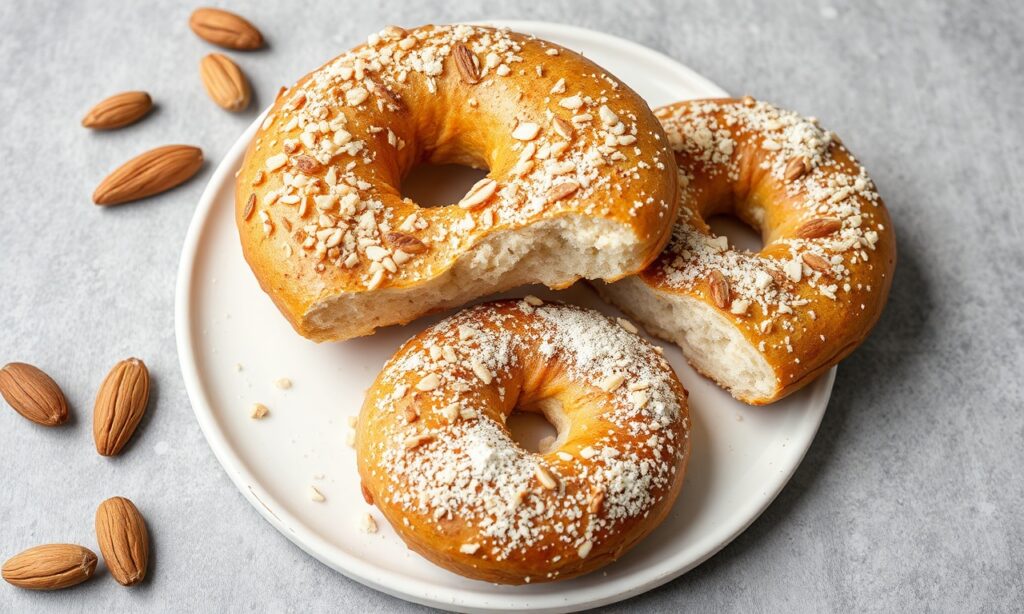
The journey to mastering almond flour bagels is one of exploration, experimentation, and ultimately, delicious discovery. By understanding the unique properties of almond flour, leveraging the binding power of psyllium husk, and adhering to precise techniques, you can consistently create gluten-free bagels that are not only safe for those with gluten sensitivities but are also genuinely superior in taste and texture. Forget the compromises of the past; the future of gluten-free baking is rich, flavorful, and remarkably satisfying, and it starts with the humble yet powerful almond flour.
See also: Almond Flour