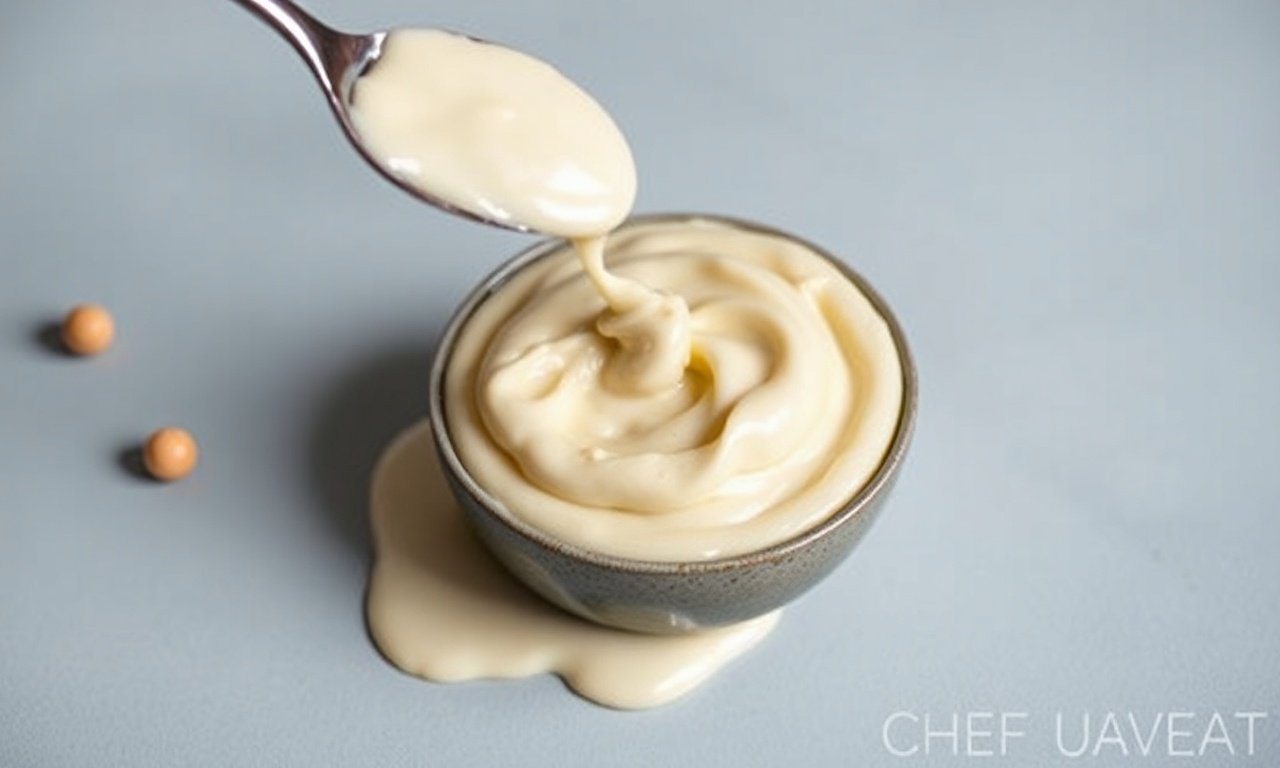

When it comes to Vegan Mayonnaise, “The magic of mayonnaise lies in its emulsification – a delicate dance of oil and water, coaxed into submission by an agent of change. Understanding this fundamental principle unlocks not just a condiment, but a culinary canvas.” – Chef Antoine Dubois, Culinary Institute of Paris
Achieving that rich, velvety texture synonymous with mayonnaise, without the reliance on eggs, has long been a culinary pursuit. For many, the idea of perfect vegan mayonnaise in a mere five minutes feels like a gastronomic myth. Yet, the strategic truths behind rapid emulsification, leveraging simple pantry staples and a keen understanding of food science, reveal that this seemingly elusive goal is not only achievable but remarkably straightforward. This guide offers a step-by-step method to unlock luxuriously creamy vegan mayonnaise with unparalleled speed, transforming your sandwiches, salads, and dips from ordinary to extraordinary.
The true mastery of vegan mayonnaise lies not in complex ingredients, but in understanding the fundamental chemistry of emulsification, allowing for near-instantaneous results.
The Science of Speedy Emulsification
At its heart, mayonnaise is an emulsion – a stable suspension of one liquid within another, immiscible liquid. In traditional mayonnaise, egg yolks, specifically the lecithin they contain, act as the emulsifier, binding the oil and water (from lemon juice or vinegar) together. For vegan mayonnaise, the challenge is to replicate this binding power using plant-based ingredients. The “five-minute” miracle hinges on two primary factors: the choice of emulsifying agent and the method of incorporation.
The most common and effective vegan emulsifiers are derived from soybeans (like soy lecithin, often found in commercial vegan mayo) or, more readily available for home cooks, from certain plant-based milks and their inherent proteins and fats. The key is to select a liquid that contains both a natural emulsifying component and enough body to contribute to the final creamy texture. Unsweetened, unflavored plant milks, particularly soy milk or even oat milk, work exceptionally well because their protein and fat content aids in creating a stable matrix when blended with oil.
The method of incorporation is equally critical. Rapid blending, often using an immersion blender or a food processor, is paramount. This high-speed action physically breaks down the oil into microscopic droplets, allowing the emulsifier to surround and stabilize them, preventing them from coalescing and separating. The speed at which this occurs is directly proportional to the efficiency of the blender and the precise ratio of ingredients.
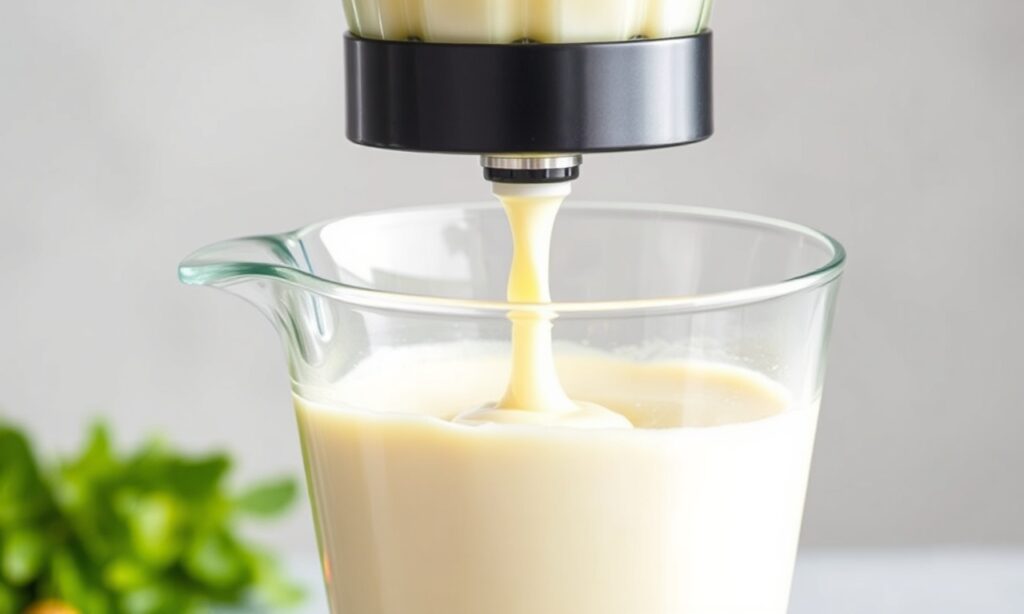
Essential Ingredients for Rapid Vegan Mayonnaise
Achieving perfect vegan mayonnaise in five minutes relies on precise ingredient ratios and quality. The foundation is a neutral oil, which provides the bulk and richness.
- Neutral Oil: 1 cup (240ml) — A flavorless oil like sunflower, canola, grapeseed, or a light olive oil is crucial. Avoid strong-flavored oils like extra virgin olive oil, as they can overpower the mayonnaise. The oil should be at room temperature for optimal emulsification.
- Plant Milk: ½ cup (120ml) — Unsweetened, unflavored soy milk is often considered the gold standard due to its protein and fat content, which mimic some properties of egg yolks. Oat milk or even cashew milk can also work, though results may vary slightly in texture. Ensure it’s not a sweetened or flavored variety.
- Acid: 1-2 tablespoons (15-30ml) — Fresh lemon juice or white vinegar provides tang and also aids in stabilization. Lemon juice offers a brighter, fresher flavor profile, while vinegar provides a sharper, more traditional mayonnaise taste.
- Dijon Mustard: 1 teaspoon (5ml) — This is not just for flavor; Dijon mustard contains emulsifying properties that significantly contribute to the stability of the mayonnaise, especially in rapid recipes.
- Salt: ½ teaspoon (2.5g) — To taste, enhancing all the other flavors.
- Optional Sweetener: ½ teaspoon (2.5g) maple syrup or agave nectar — If a hint of sweetness is desired to balance the acidity.
The quality of your ingredients matters. Using fresh lemon juice and a good quality Dijon mustard will elevate the final flavor. The temperature of your ingredients is also a subtle but important factor; all ingredients should be at room temperature to prevent the oil from solidifying and hindering the emulsification process.
The secret to speed lies in the synergy of a stable plant milk, a neutral oil, and the catalytic power of Dijon mustard, all brought together by high-speed blending.
The 5-Minute Vegan Mayonnaise Method: A Step-by-Step Masterclass
This method is designed for efficiency, leveraging the power of an immersion blender for the quickest and most stable results. A food processor can also be used, though it may require slightly more attention to the oil drizzling.
- Combine Base Ingredients: In a tall, narrow container or the beaker that came with your immersion blender, add the plant milk, lemon juice (or vinegar), Dijon mustard, and salt. If using an optional sweetener, add it now. The narrow container is key for an immersion blender to work effectively, keeping the ingredients concentrated.
- Add the Oil: Pour the neutral oil on top of the other ingredients. Do not stir or mix at this stage. The oil should sit on top of the liquid base. This layering is crucial for the initial emulsification phase when using an immersion blender.
- Begin Blending: Insert the immersion blender into the container, ensuring the head of the blender is submerged at the very bottom, resting on the base ingredients.
- Initial Emulsification: Turn the immersion blender on to its highest speed. Keep the blender head at the bottom of the container for about 15-20 seconds. You will see the mixture at the bottom begin to turn white and creamy – this is the emulsion forming.
- Incorporate Remaining Oil: Once you see a stable emulsion forming at the base, slowly begin to lift the immersion blender upwards, bit by bit, allowing the oil from the top to be drawn down and incorporated into the creamy mixture. Continue blending and gradually moving the blender up and down until all the oil is incorporated and the mayonnaise is thick and creamy. This entire blending process should take no more than 60-90 seconds.
- Adjust Seasoning: Once fully emulsified and thick, taste the mayonnaise. Add more salt or lemon juice/vinegar if desired, and blend for a few more seconds to incorporate.
This method, when executed with an immersion blender, is remarkably consistent and fast. The initial high-speed blending at the bottom creates a robust emulsion that then easily incorporates the rest of the oil as you move the blender. The entire process, from gathering ingredients to the final creamy result, can genuinely be achieved within five minutes, provided your ingredients are ready and your blender is at the ready.
Troubleshooting Common Issues
Even with a streamlined process, occasional hiccups can occur. Understanding these common issues and their solutions is part of mastering the craft.
- Separated Mayonnaise (Broken Emulsion): This is the most frequent problem. It usually occurs if the oil was added too quickly, if the ingredients were too cold, or if the blender wasn’t used correctly.
- Solution: If the mayonnaise has completely broken, you can try to re-emulsify it. In a clean container, add one tablespoon of fresh plant milk or a teaspoon of Dijon mustard. Slowly drizzle the broken mayonnaise into the new base while blending continuously with your immersion blender, just as you did in the original recipe. Work slowly, allowing each addition to emulsify before adding more.
- Thin or Runny Mayonnaise: This often happens if the oil-to-liquid ratio is off, or if not enough blending was done.
- Solution: To thicken, slowly drizzle in more neutral oil while blending continuously. If it’s still too thin, you might need to add a tiny bit more Dijon mustard or a pinch of xanthan gum (though this deviates from the pure 5-minute recipe).
- Too Oily Flavor: This is usually due to using an oil with too strong a flavor.
- Solution: Unfortunately, this is difficult to correct after the fact. The best approach is to ensure you use a truly neutral oil from the start.
Homemade vegan mayonnaise, without preservatives, has a shorter shelf life than commercial varieties. Stored in an airtight container in the refrigerator, it should last for about 5-7 days.
Elevating Your Vegan Mayonnaise: Expert Pro-Tips
While the basic recipe is incredibly effective, true culinary artistry lies in customization and refinement. These expert insights will help you go beyond the basic and create truly exceptional vegan mayonnaise.
Flavor Infusions and Variations
The beauty of a homemade base is its versatility. Once you’ve mastered the basic technique, you can infuse your mayonnaise with a vast array of flavors to suit any dish.
- Garlic Aioli: Add 1-2 cloves of finely minced or roasted garlic to the blender with the initial ingredients. For a smoother texture, roast the garlic first to mellow its bite.
- Spicy Sriracha Mayo: Blend in 1-2 tablespoons of sriracha sauce along with the initial liquids. Adjust the amount based on your desired heat level.
- Herb Mayonnaise: Incorporate finely chopped fresh herbs such as chives, parsley, dill, or tarragon into the finished mayonnaise. A pinch of lemon zest can also add a vibrant aromatic note.
- Smoky Chipotle Mayo: Blend in 1-2 teaspoons of adobo sauce from a can of chipotle peppers in adobo, or add a pinch of smoked paprika and a touch of liquid smoke.
- Wasabi Mayo: Add ½ to 1 teaspoon of wasabi paste for a pungent kick, perfect for sushi or Asian-inspired dishes.
When infusing flavors, always start with a smaller amount and taste as you go. It’s easier to add more flavor than to take it away. Remember that the acidity of lemon juice or vinegar can react with certain herbs, so it’s often best to add delicate herbs towards the end of the process or after the mayonnaise has been fully made.
The Role of Xanthan Gum (Beyond 5 Minutes)
While the 5-minute recipe is designed to be xanthan gum-free for simplicity and accessibility, for those seeking an even more robust and stable emulsion that can withstand more aggressive handling or longer storage, a tiny amount of xanthan gum can be a revelation. Xanthan gum is a powerful polysaccharide that acts as a stabilizer and thickener.
If you choose to incorporate xanthan gum, add about ¼ teaspoon to your liquid base (plant milk, acid, mustard) before blending. Blend this mixture briefly before adding the oil. This will create an extremely stable emulsion that is less prone to breaking. However, this step does add a slight complexity and time to the process, moving it beyond the strict 5-minute window for purists.
Nutritional Considerations and Health Benefits
Vegan mayonnaise offers a compelling alternative for individuals seeking to reduce their intake of animal products, whether for ethical, environmental, or health reasons. The nutritional profile, of course, largely mirrors that of traditional mayonnaise, primarily consisting of fat and a small amount of carbohydrates and protein from the emulsifying agents.
The primary source of calories in mayonnaise is fat. The type of fat depends on the oil used. Neutral oils like sunflower and canola are rich in polyunsaturated and monounsaturated fats, respectively, which are considered heart-healthy when consumed in moderation. Research suggests that replacing saturated fats with unsaturated fats can help lower LDL (“bad”) cholesterol levels. For instance, studies indicate that diets rich in polyunsaturated fatty acids, commonly found in seed oils, are associated with a reduced risk of cardiovascular disease.
Furthermore, for individuals with egg allergies, vegan mayonnaise is a safe and delicious substitute. Allergies to eggs are among the most common food allergies, particularly in children. Replacing eggs in recipes with a plant-based alternative like this vegan mayonnaise can significantly expand dietary options and reduce the risk of accidental exposure.
It is important to remember that mayonnaise, whether vegan or traditional, is a high-fat condiment. Portion control is key, as with any calorie-dense food. However, the choice of oil can subtly influence the nutritional impact. Opting for oils higher in monounsaturated fats, like avocado oil (though it can alter flavor and color), or polyunsaturated fats, like sunflower or grapeseed oil, can be a slightly healthier choice compared to oils predominantly high in saturated fats.
Frequently Asked Questions about Vegan Mayonnaise
What is the best plant milk to use for vegan mayonnaise?
Soy milk is generally considered the best option due to its protein and fat content, which closely mimic the emulsifying properties of egg yolks. However, unsweetened, unflavored oat milk or cashew milk can also yield excellent results. Avoid milks with high sugar content or strong flavors that might interfere with the mayonnaise’s taste.
Can I use olive oil for vegan mayonnaise?
While you can use olive oil, it’s best to opt for a light or refined olive oil rather than extra virgin. Extra virgin olive oil has a strong, distinct flavor that can overpower the mayonnaise and make it taste bitter or too pungent. For a truly neutral flavor, sunflower, canola, or grapeseed oil are preferred.
My vegan mayonnaise broke; what should I do?
If your mayonnaise separates, do not despair. You can often save it by re-emulsifying. In a clean bowl or container, add a tablespoon of fresh plant milk or a teaspoon of Dijon mustard. Then, very slowly, begin to drizzle the broken mayonnaise into this new base while vigorously whisking or blending. Continue until all the broken mixture is incorporated and the mayonnaise thickens again.
How long does homemade vegan mayonnaise last?
Homemade vegan mayonnaise, without preservatives, typically lasts for about 5 to 7 days when stored in an airtight container in the refrigerator. Always check for any off smells or signs of spoilage before use.
Can I make vegan mayonnaise without an immersion blender?
Yes, you can make vegan mayonnaise using a food processor or a stand mixer with a whisk attachment. The key is to add the oil very, very slowly in a thin, continuous stream while the machine is running. It might take a bit longer to achieve a stable emulsion compared to an immersion blender, but it is certainly achievable.
See also: Vegan Mayonnaise