
Savory Oatmeal: A Culinary Awakening for the Chilly Mornings
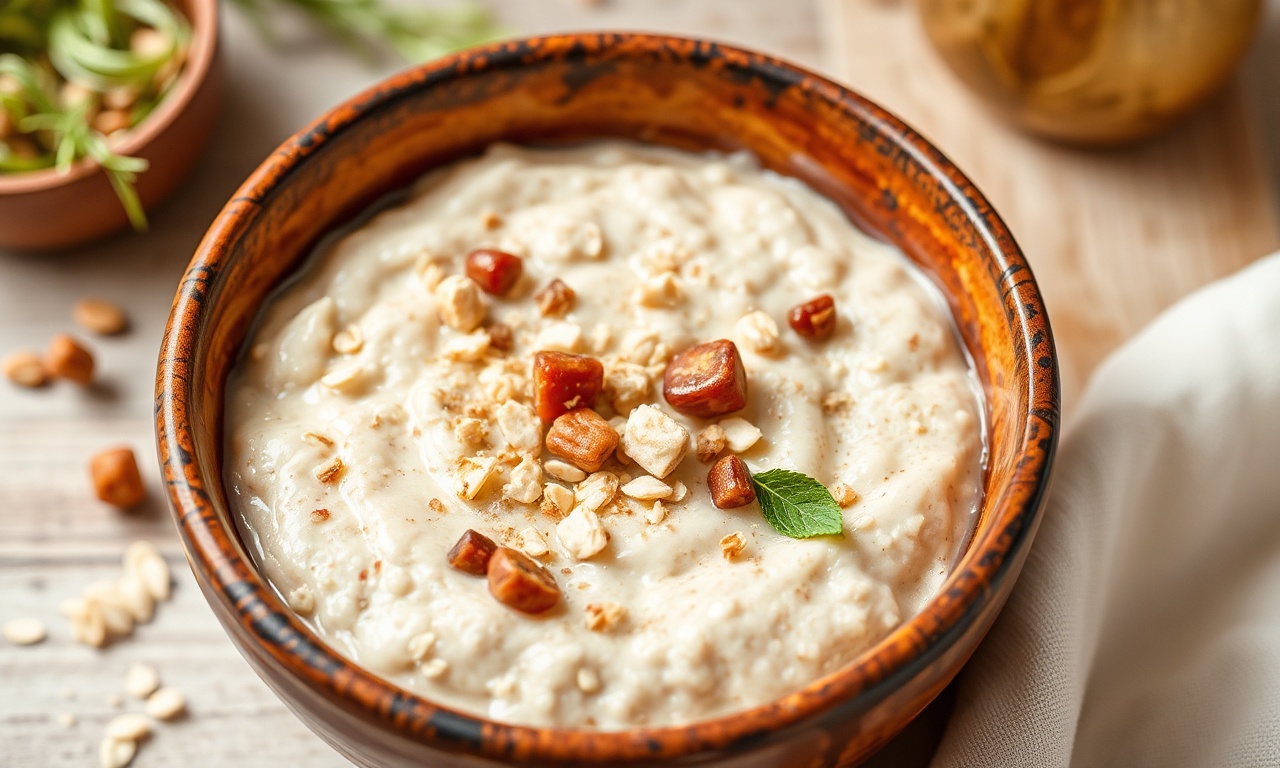
The humble bowl of oatmeal, traditionally associated with sweet, syrupy indulgence, is undergoing a remarkable renaissance. For too long, it has been relegated to the realm of childhood breakfasts or bland diet foods. But a seismic shift is occurring, a culinary awakening that champions the profound versatility of oats, transforming them into a canvas for sophisticated, deeply satisfying, and undeniably comforting *savory* creations. This isn’t merely a trend; it’s a return to a more primal, nutrient-dense way of eating that resonates deeply with our innate desire for warmth, sustenance, and flavor, particularly when the air bites with frost.
The common perception of oatmeal as a saccharine staple is a relatively recent phenomenon, a departure from historical precedents where grains were often prepared with herbs, spices, and broths to create hearty, life-sustaining meals. Savory oatmeal is, in essence, a reclamation of this ancient wisdom, an embrace of a breakfast that fuels the body and delights the palate with an unexpected complexity.
Savory oatmeal is not just a meal; it’s a philosophy of breakfast that prioritizes depth of flavor and sustained energy over fleeting sweetness.
The allure of savory oatmeal on a chilly morning is multifaceted. Beyond the immediate comfort of a warm bowl, it offers a robust nutritional profile that sets it apart from its sugary counterpart. Oats are a powerhouse of soluble fiber, particularly beta-glucan, which research suggests can help lower cholesterol levels. Furthermore, savory preparations allow for the incorporation of a wider array of nutrient-dense ingredients – think vibrant vegetables, lean proteins, and healthy fats – that can significantly boost the overall nutritional value of your breakfast. This makes savory oatmeal an exceptionally potent tool for sustained energy release, warding off the mid-morning slump that often plagues those who opt for high-sugar breakfasts.
The Essential Anatomy of Savory Oatmeal
At its core, crafting a superior savory oatmeal requires a thoughtful approach to its foundational elements. This isn’t about simply boiling oats and tossing in some salt; it’s about building layers of flavor and texture that transform a simple grain into a culinary masterpiece. The choice of oats themselves is paramount. While rolled oats (old-fashioned) offer a satisfying chew and a pleasant texture, steel-cut oats provide a firmer bite and a more robust, nutty flavor profile. Instant oats, while convenient, tend to break down too much, resulting in a mushy consistency that is less ideal for savory applications. The cooking liquid is another critical component.
Water is a neutral base, but substituting it entirely or partially with a good quality vegetable or chicken broth will imbue the oats with a depth of umami that water alone cannot provide.
The foundation of any great savory dish lies in its aromatics and foundational spices. Sautéing finely minced garlic and onions or shallots in a touch of healthy fat, such as olive oil or butter, before adding the oats and liquid, releases their sweet, pungent notes and creates an aromatic base that permeates the entire dish. This simple step elevates the final product significantly. Then comes the judicious use of seasonings. Beyond salt and freshly cracked black pepper, consider the warming embrace of spices like smoked paprika, a pinch of cayenne for a gentle kick, or even a whisper of cumin or coriander for an earthy undertone.
These are not mere additions; they are the building blocks of a complex flavor profile that will keep you coming back for more.

Mastering the Savory Oatmeal Flavor Profiles
The beauty of savory oatmeal lies in its boundless adaptability. It’s a chameleon, capable of morphing into an array of diverse and exciting flavor profiles, each suited to different palates and culinary inspirations. Moving beyond the basic broth and spice combination, we can explore global influences and regional specialties to create truly memorable bowls.
One of the most popular and accessible flavor profiles is the “Mediterranean Sunrise.” This iteration embraces the vibrant tastes of the Mediterranean region, featuring sun-dried tomatoes, Kalamata olives, crumbled feta cheese, and a generous drizzle of high-quality extra virgin olive oil. A scattering of fresh oregano or parsley adds a burst of herbaceous freshness. The tang of the feta, the salty brine of the olives, and the concentrated sweetness of the sun-dried tomatoes create a harmonious symphony of flavors that is both invigorating and deeply satisfying. This profile is particularly effective when topped with a perfectly poached egg, its runny yolk acting as a luxurious sauce that binds all the elements together.
For those who crave a touch of the East, the “Umami Bomb” profile is an absolute revelation. This approach leans heavily on fermented ingredients and savory depths. Start with a rich shiitake mushroom broth as your cooking liquid. Incorporate ingredients like soy sauce or tamari, a dash of sesame oil, and a sprinkle of toasted sesame seeds. Toppings can include sautéed mushrooms (shiitake, cremini, or oyster), thinly sliced green onions, a dollop of chili garlic sauce for heat, and perhaps even some crispy fried shallots for an irresistible textural contrast. A small swirl of sriracha can add an extra layer of complexity for those who enjoy a bit of spice.
This profile taps into the deeply satisfying fifth taste, umami, creating a bowl that is profoundly comforting and richly flavored.
The Art of Toppings: Elevating Your Savory Oatmeal Experience
The true magic of savory oatmeal is often realized through its toppings. They are not mere embellishments; they are integral components that add textural contrast, complementary flavors, and additional nutritional benefits. Think of them as the final brushstrokes that complete your culinary canvas.
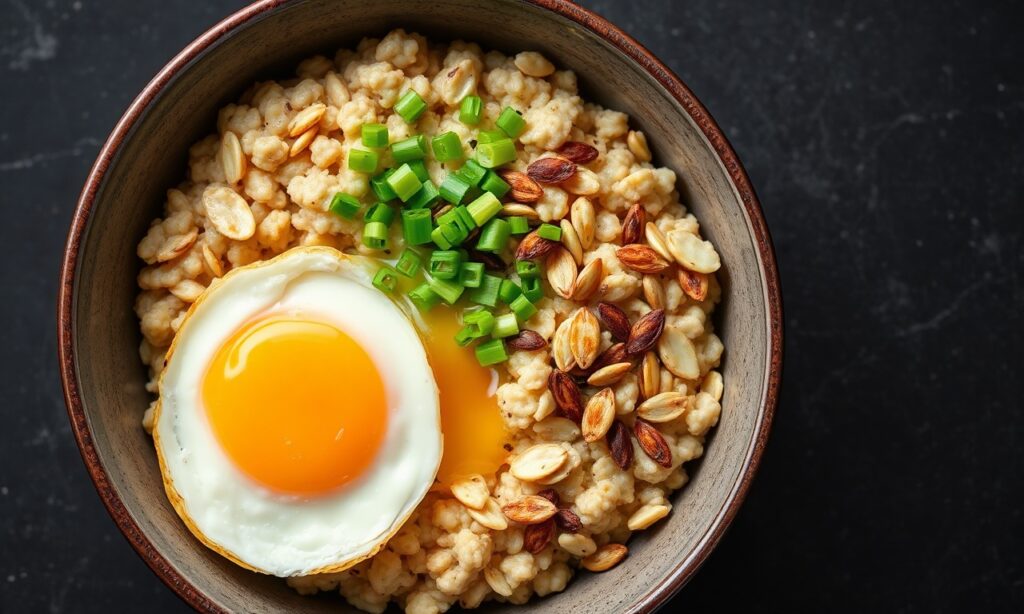
A cornerstone of many successful savory oatmeal bowls is the addition of a perfectly cooked egg. Whether fried sunny-side up with a runny yolk, poached to delicate perfection, or scrambled and folded in, an egg provides a creamy richness and a protein boost that elevates the entire dish. The runny yolk, in particular, acts as a natural emulsifier, coating the oats and other ingredients in a velvety sauce that is nothing short of luxurious.
Beyond the egg, consider the power of textures. Crispy elements are crucial for breaking up the inherent softness of the oats. This could be anything from a sprinkle of toasted nuts and seeds (almonds, walnuts, pumpkin seeds, sunflower seeds) to crispy fried onions or garlic, or even a scattering of crunchy, pan-fried chorizo or bacon bits for a more indulgent twist. These additions provide a satisfying crunch that makes each bite more engaging and pleasurable.
Vegetables, too, matter significantly, offering freshness, color, and an array of vitamins and minerals. Roasted Brussels sprouts, wilted spinach, sautéed mushrooms, caramelized onions, or even a medley of roasted root vegetables can transform a simple bowl of oats into a well-rounded, hearty meal. The key is to balance the textures and flavors of your toppings with the base oatmeal, ensuring a harmonious and satisfying eating experience.
- The Base: Start with high-quality oats (steel-cut or rolled) and cook them in a flavorful liquid like chicken or vegetable broth, or a combination of broth and water.
- Aromatics and Seasoning: Sauté finely minced garlic and shallots in a healthy fat before adding the oats and liquid. Season judiciously with salt, freshly cracked black pepper, and complementary spices like smoked paprika or a pinch of cayenne.
- The Protein Powerhouse: Top with a perfectly cooked egg – fried sunny-side up, poached, or even a soft-boiled egg with a jammy yolk.
- Textural Contrast: Introduce crunch with toasted nuts and seeds, crispy fried shallots, or pan-fried pancetta.
- Vegetable Vibrancy: Incorporate cooked vegetables such as wilted spinach, sautéed mushrooms, roasted sweet potatoes, or blistered cherry tomatoes for added flavor, nutrients, and color.
- Finishing Touches: A drizzle of good olive oil, a sprinkle of fresh herbs (chives, parsley, cilantro), or a dollop of your favorite hot sauce can provide the perfect final flourish.
Savory Oatmeal: A Nutritional Powerhouse
The nutritional benefits of embracing savory oatmeal are substantial, positioning it as a superior choice for sustained energy and overall well-being compared to its often sugar-laden counterpart. Oats are a remarkable source of complex carbohydrates, which are the body’s primary fuel source. Unlike simple sugars that cause rapid spikes and subsequent crashes in blood glucose, the complex carbohydrates in oats are digested more slowly, providing a steady release of energy throughout the morning. This sustained energy is crucial for cognitive function and physical stamina, helping to ward off that mid-morning fatigue.
The star player in oats, however, is beta-glucan, a type of soluble fiber. Research has consistently shown that consuming beta-glucan can significantly contribute to reducing LDL (“bad”) cholesterol levels. This is a critical factor in maintaining cardiovascular health and lowering the risk of heart disease. Beyond cholesterol management, beta-glucans also act as prebiotics, feeding beneficial bacteria in the gut microbiome. A healthy gut microbiome is increasingly linked to improved digestion, enhanced immune function, and even better mental health. A diet rich in fiber from whole grains like oats is associated with a lower risk of type 2 diabetes and certain types of cancer.
When you transition to savory preparations, you unlock further nutritional advantages. By using broths as your cooking liquid, you introduce valuable electrolytes and minerals. The addition of lean proteins, such as eggs, tofu, or even lean ground turkey or chicken, significantly increases the satiety factor of the meal, keeping you feeling fuller for longer and reducing the likelihood of unhealthy snacking. Furthermore, incorporating a variety of vegetables – from nutrient-dense leafy greens like spinach and kale to colorful peppers and mushrooms – boosts your intake of essential vitamins, minerals, and antioxidants. These compounds play vital roles in protecting your cells from damage, supporting immune function, and promoting overall health.
The Versatility of Savory Oatmeal: Beyond Breakfast
While undeniably magnificent as a breakfast option, the savory oatmeal’s potential extends far beyond the morning meal. Its inherent heartiness and adaptability make it a perfect candidate for a satisfying lunch or even a light, comforting dinner.
Consider a “Harvest Bowl” for lunch. Prepare your savory oats with a robust vegetable broth and perhaps a touch of thyme and sage. Top with roasted seasonal vegetables like butternut squash, Brussels sprouts, and red onion. A sprinkle of toasted pecans and a drizzle of balsamic glaze would add a touch of autumnal sweetness and acidity. This creates a complete, nutrient-dense meal that is both filling and incredibly flavorful, offering a welcome departure from the usual sandwich or salad.
For a light dinner, think of a “Spicy Lentil Oatmeal.” Cook your oats with a vegetable broth infused with curry powder and a bay leaf. Stir in cooked red lentils for added protein and fiber. Top with a dollop of plain yogurt or tahini, a scattering of fresh cilantro, and a few thinly sliced red chilies for a gentle warmth. This approach turns oatmeal into a hearty, wholesome, and remarkably comforting one-bowl meal that is both nourishing and easy to digest. The inclusion of lentils provides a substantial protein source, making it a complete and satisfying dish.
The Psychology of Comfort Food: Why Savory Oatmeal Works
There’s a profound psychological element to why savory oatmeal resonates so deeply, especially during colder months. Comfort foods often tap into our earliest memories and provide a sense of security and well-being. For many, the warm, enveloping embrace of a bowl of oatmeal evokes feelings of childhood nostalgia and care. By transforming this familiar dish into a savory experience, we retain that core sense of comfort while introducing an adult sophistication that satisfies more complex flavor preferences.
The act of preparing and consuming a warm, savory meal on a chilly morning can be a deeply grounding ritual. It’s a moment of quiet contemplation and self-care before the demands of the day begin. The rich aromas that fill the kitchen as the oats simmer and the toppings are prepared create an inviting and nurturing atmosphere. This sensory experience, combined with the satisfying texture and complex flavors, triggers the release of endorphins, the body’s natural mood boosters. Research has explored the link between food and mood, suggesting that the act of eating comforting foods can indeed have a positive impact on our emotional state.
Furthermore, the perceived healthfulness of savory oatmeal, when prepared with whole ingredients, contributes to a sense of virtuous indulgence. Unlike highly processed comfort foods, savory oatmeal offers tangible nutritional benefits, allowing individuals to feel good about their choice not only emotionally but also physically. This fusion of pleasure and perceived health makes it an incredibly potent and guilt-free comfort food.
Expert Tips for a Restaurant-Quality Savory Oatmeal
Elevating your homemade savory oatmeal from a good meal to an exceptional one often comes down to mastering a few key techniques and embracing a chef’s mindset. Think of your oatmeal as a blank canvas awaiting your artistic touch.
One of the most impactful techniques is building layers of flavor. This starts with the cooking liquid. Instead of plain water or a generic broth, consider infusing your liquid with aromatics. Simmering a bay leaf, a sprig of rosemary, or a few cloves of garlic in your broth before adding the oats can impart subtle yet significant nuances. For an intensely savory base, reduce your broth slightly before cooking the oats to concentrate its flavor.
Texture is equally crucial. Avoid a uniform, mushy consistency at all costs. For rolled oats, cook them until they are tender but still retain a slight chew. For steel-cut oats, aim for a bite that is firm but yielding. The contrast in textures provided by your toppings is paramount. Ensure you have at least one element that offers a satisfying crunch – toasted seeds, crispy fried shallots, or even a shard of toasted sourdough bread.
The final presentation also plays a role in the overall experience. Even a simple bowl can look appealing with a little care. Arrange your toppings thoughtfully. A perfectly placed fried egg, a sprinkle of vibrant green herbs, and a swirl of contrasting sauce can transform a humble bowl into something visually stunning. This attention to detail elevates the perceived quality and enhances the dining experience.
Common Pitfalls to Avoid in Savory Oatmeal Preparation
While the concept of savory oatmeal is straightforward, there are a few common missteps that can lead to a less-than-ideal outcome. Being aware of these potential pitfalls can help you consistently achieve delicious results.
The most frequent error is overcooking the oats. This leads to a gluey, unappetizing texture that diminishes the overall appeal. Always follow the cooking times recommended for your type of oats, and taste frequently towards the end of the cooking process. It’s better to have slightly undercooked oats that can continue to soften than to have overcooked, mushy oats.
Another pitfall is under-seasoning. Savory dishes rely on proper seasoning to bring out their full flavor potential. Don’t be afraid to season your oats generously with salt and freshly cracked black pepper as they cook. Taste and adjust as needed. Remember that broths can vary in their salt content, so it’s essential to taste before adding additional salt.
Finally, neglecting the toppings is a missed opportunity. A bowl of plain, unadorned savory oats, while edible, will lack the complexity and excitement that toppings provide. Think of toppings not as an afterthought but as integral components that add flavor, texture, and visual appeal. A well-chosen set of toppings can turn a basic bowl into a culinary triumph.
Frequently Asked Questions about Savory Oatmeal
What are the best types of oats for savory oatmeal?
For savory oatmeal, steel-cut oats and old-fashioned rolled oats are generally preferred. Steel-cut oats offer a firmer texture and a nuttier flavor, while rolled oats provide a creamier consistency with a satisfying chew. Instant oats tend to break down too much, resulting in a mushy texture that is less desirable for savory applications.
Can I make savory oatmeal vegan?
Absolutely. To make savory oatmeal vegan, use water or a high-quality vegetable broth as your cooking liquid. Replace butter with olive oil or vegan butter, and opt for plant-based toppings such as sautéed mushrooms, roasted vegetables, avocado, or a dollop of vegan yogurt or tahini. Ensure any added cheese is vegan or omit it altogether.
How can I make my savory oatmeal spicier?
To add spice to your savory oatmeal, incorporate ingredients like chili flakes, cayenne pepper, hot sauce (such as sriracha or your favorite), diced jalapeños, or a spicy chili garlic paste into the cooking process or as a topping. Sautéing fresh chilies with the aromatics at the beginning can also infuse a pleasant warmth throughout the dish.
Is savory oatmeal healthier than sweet oatmeal?
Savory oatmeal can be significantly healthier than sweet oatmeal, primarily when prepared with whole ingredients and without excessive added sugars or unhealthy fats. By using broth and incorporating lean proteins and vegetables, you increase the nutrient density and satiety of the meal. Sweet oatmeal, especially when loaded with sugar, syrup, or jam, can lead to blood sugar spikes and crashes, whereas savory preparations promote sustained energy release.
How far in advance can I prepare savory oatmeal?
Savory oatmeal is best prepared fresh to enjoy its optimal texture and flavor. However, you can cook the base oats a day in advance and store them in an airtight container in the refrigerator. When ready to serve, reheat the oats gently on the stovetop with a splash of broth or water to restore their consistency, then add your desired toppings. This makes for a quick and convenient breakfast or meal prep option.
See also: Savory Oatmeal