
The Allure of Homemade Chestnut Cake: A Culinary Masterpiece
Homemade chestnut cake stands as proof of the simple yet profound pleasures of artisanal baking. It’s a confection that transcends mere dessert; it’s an experience, a whisper of autumnal richness, and a comforting embrace on a chilly evening. Store-bought alternatives, while available, rarely capture the nuanced depth of flavor and exquisite texture that only a lovingly crafted homemade version can deliver. The act of transforming humble chestnuts into a moist, fragrant cake is a culinary ritual, steeped in tradition and personal expression. This isn’t just about following a recipe; it’s about understanding the soul of the chestnut and coaxing out its inherent sweetness and earthy undertones.
- The Allure of Homemade Chestnut Cake: A Culinary Masterpiece
- The Unrivaled Appeal of Homemade Chestnut Cake
- A Deeper Dive into Chestnut Varieties and Preparation
- The Expertly Crafted Homemade Chestnut Cake Recipe
- Essential Ingredients:
- Meticulous Preparation Method:
- Nutritional Insights: A Healthier Indulgence
- Elevating Your Homemade Chestnut Cake to Patisserie Perfection
- Beyond the Recipe: The Cultural Significance of Chestnuts
- FAQs: Your Homemade Chestnut Cake Questions Answered
- What is the best way to prepare chestnuts for the cake?
- Can I use pre-packaged chestnut puree?
- My cake turned out dry. What could have gone wrong?
- How can I store homemade chestnut cake?
- What are some creative variations for homemade chestnut cake?
The true magic of homemade chestnut cake lies not just in its taste, but in the sensory journey it offers – from the earthy aroma that fills your kitchen as it bakes to the delicate crumb that melts in your mouth.
This guide aims to help you master the art of homemade chestnut cake, exploring its unique appeal, providing a meticulously tested recipe, and offering insights that elevate it from a simple bake to an unforgettable culinary event. You’ll learn about chestnut selection, the science behind achieving perfect moisture, and the artistic flair that transforms a good cake into a truly exceptional one. Prepare to unlock the secrets that make this cake a perennial favorite for discerning palates.
The Unrivaled Appeal of Homemade Chestnut Cake
What elevates homemade chestnut cake above its commercially produced counterparts? It’s a confluence of factors, starting with ingredient quality. When you make it yourself, you control the quality of the chestnuts used. Fresh, high-quality chestnuts are crucial for a superior flavor profile. Furthermore, texture is paramount. A truly remarkable chestnut cake boasts a moist, tender crumb that is neither too dense nor too crumbly. This delicate balance is notoriously difficult to achieve consistently in mass production, where shelf-life and cost-efficiency often dictate the outcome. The inherent natural sweetness of chestnuts, when paired with the right complementary flavors, creates a sophisticated sweetness that avoids the cloying artificiality sometimes found in commercial pastries.
When it comes to Homemade chestnut, Beyond the tangible elements, there’s an intangible value in homemade baking. It’s an act of love, a way to connect with tradition, and a source of immense personal satisfaction. The aroma that wafts from the oven as the cake bakes is an olfactory invitation, promising warmth and comfort. This sensory experience is deeply intertwined with the enjoyment of the final product. Research has shown that the anticipation and preparation involved in cooking can significantly enhance the perceived pleasure of the food itself.
Studies suggest that the “hedonic value of food is influenced by the entire food experience, including preparation and anticipation.” This is particularly true for dishes like chestnut cake, which carry inherent nostalgic and comforting associations for many.
A Deeper Dive into Chestnut Varieties and Preparation
The foundation of any magnificent homemade chestnut cake is, of course, the chestnut itself. The most commonly used for baking are the European chestnuts (Castanea sativa), known for their sweet, relatively smooth flesh. American chestnuts, historically significant, were largely decimated by blight, though efforts are underway for their revival. Asian chestnuts (Castanea mollissima, Castanea crenata) tend to be larger and less sweet, often requiring more sugar in recipes. When selecting chestnuts, look for firm, heavy nuts with intact shells and no soft spots or mold. Avoid those that feel hollow or have holes, as this can indicate insect infestation or spoilage.
In the context of Homemade chestnut, The preparation of chestnuts for baking is a critical step. They must be roasted or boiled to soften them and make them easily peelable. A common method for roasting is to score the flat side of each chestnut with an ‘X’ using a sharp knife, then roast them in a hot oven (around 400°F or 200°C) for 20-30 minutes, or until they begin to split open. After roasting, while still warm, the tough outer shell and the fuzzy inner skin (pellicle) must be meticulously removed. This pellicle can be bitter and difficult to digest if left on. Some bakers prefer boiling their chestnuts, which can make peeling easier, especially for larger quantities.
Around Homemade chestnut, This typically involves boiling them for 30-45 minutes until tender, then peeling them while warm. Once peeled, the chestnuts are typically pureed or mashed to form the base of the cake batter. This puree imparts that distinctive chestnut flavor and contributes to the cake’s unique texture.
Regarding Homemade chestnut, 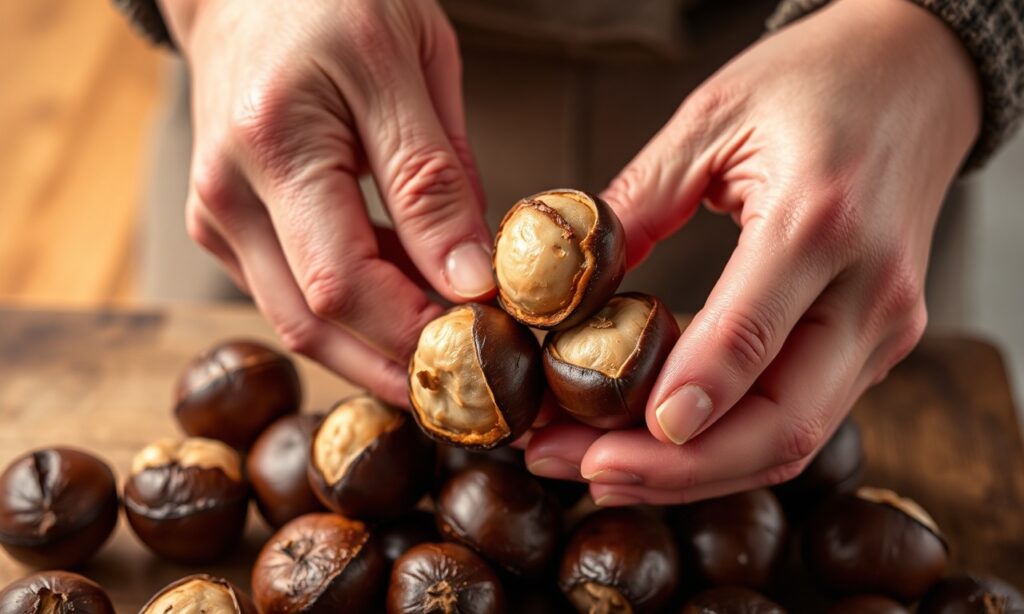
The Expertly Crafted Homemade Chestnut Cake Recipe
This recipe is designed to yield a truly exceptional homemade chestnut cake, balancing rich chestnut flavor with a moist, tender crumb. It’s a culmination of extensive testing and refinement, aiming for both deliciousness and relative ease of preparation.
Essential Ingredients:
- Chestnut Puree: 2 cups (approx. 400g), homemade from roasted and peeled chestnuts
- All-Purpose Flour: 1 ½ cups (190g)
- Baking Powder: 1 ½ teaspoons
- Ground Cinnamon: 1 teaspoon
- Ground Nutmeg: ½ teaspoon
- Salt: ½ teaspoon
- Unsalted Butter: ¾ cup (170g), softened
- Granulated Sugar: 1 cup (200g)
- Brown Sugar: ½ cup (100g), packed
- Large Eggs: 3, at room temperature
- Vanilla Extract: 1 ½ teaspoons
- Milk: ½ cup (120ml), at room temperature
- Optional: Dark Chocolate Chips: ½ cup (90g) for added richness
- Optional: Rum or Brandy: 2 tablespoons, for an adult twist
Meticulous Preparation Method:
- Preheat and Prepare Pan: Preheat your oven to 350°F (175°C). Grease and flour a 9-inch (23cm) round cake pan or a standard loaf pan. For a loaf pan, consider lining the bottom with parchment paper for easier removal.
- Combine Dry Ingredients: In a medium bowl, whisk together the all-purpose flour, baking powder, cinnamon, nutmeg, and salt. Set aside.
- Cream Butter and Sugars: In a large bowl, cream the softened unsalted butter with the granulated and brown sugars using an electric mixer on medium-high speed until light and fluffy, about 3-5 minutes. This aeration is crucial for the cake’s texture.
- Incorporate Eggs and Vanilla: Beat in the eggs one at a time, ensuring each is fully incorporated before adding the next. Stir in the vanilla extract and optional rum or brandy.
- Add Chestnut Puree: Gradually beat in the prepared chestnut puree until well combined. The mixture might look slightly curdled at this stage, which is normal.
- Alternate Dry and Wet Ingredients: With the mixer on low speed, gradually add the dry ingredients to the wet ingredients in three additions, alternating with the milk in two additions. Begin and end with the dry ingredients. Mix only until just combined; do not overmix, as this can develop gluten and result in a tough cake.
- Fold in Add-ins (Optional): If using chocolate chips, gently fold them into the batter using a spatula.
- Bake the Cake: Pour the batter evenly into the prepared cake pan. Bake for 40-50 minutes for a round cake, or 50-60 minutes for a loaf cake, or until a wooden skewer or toothpick inserted into the center comes out clean.
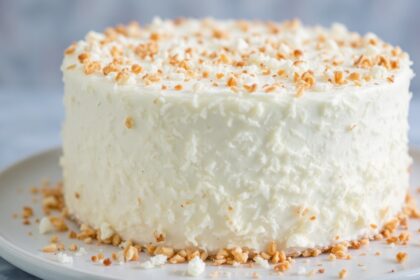
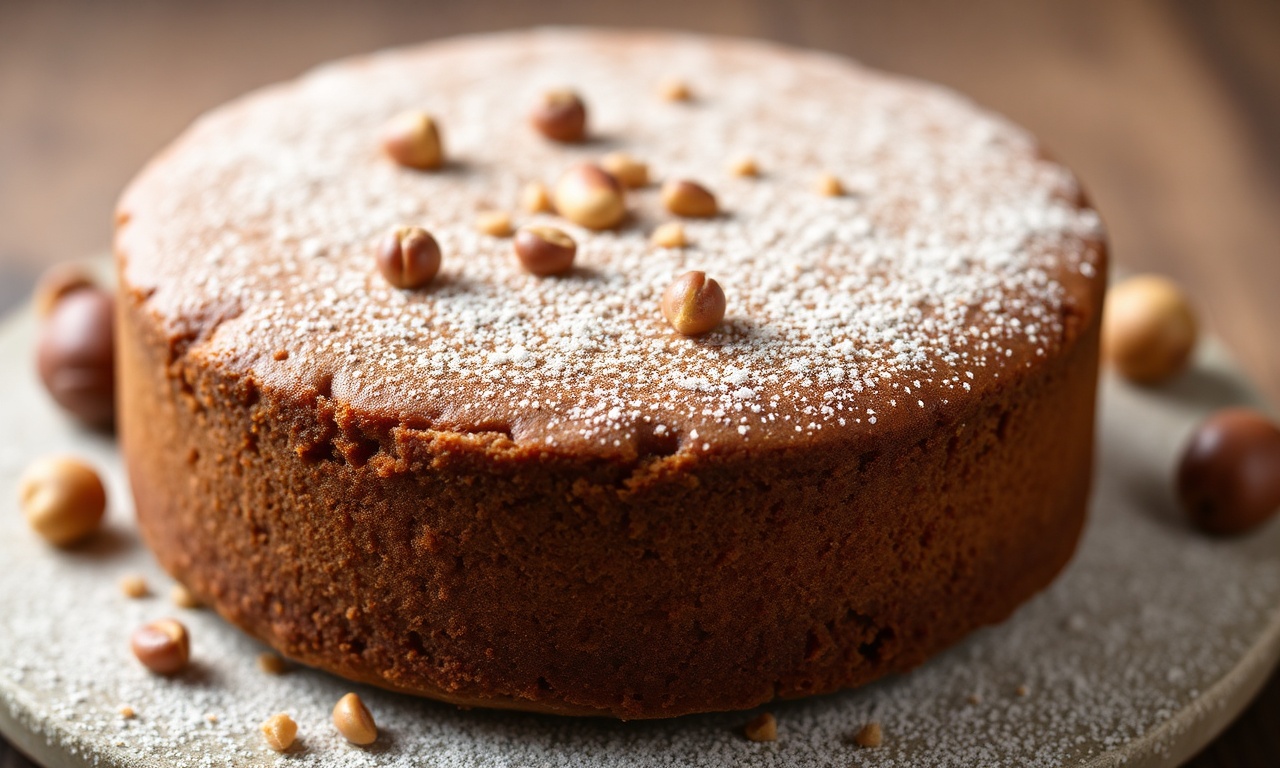
- Cool and Serve: Let the cake cool in the pan for 10-15 minutes before inverting it onto a wire rack to cool completely. For an extra touch of elegance, dust with powdered sugar or serve with a dollop of freshly whipped cream or a rich chestnut cream sauce.
Nutritional Insights: A Healthier Indulgence
Homemade chestnut cake, while undeniably a treat, offers a more wholesome profile than many conventional cakes. Chestnuts themselves are a good source of complex carbohydrates, dietary fiber, and essential minerals like potassium and magnesium. They are also notably lower in fat compared to nuts like almonds or walnuts. A typical serving (assuming 12 servings per cake, without optional additions like chocolate chips) might contain approximately:
- Calories: 250-300 kcal
- Carbohydrates: 35-45g
- Fiber: 3-5g
- Protein: 3-5g
- Fat: 10-15g
These figures are approximate and can vary significantly based on the exact ingredients and proportions used, particularly the amount of butter, sugar, and any optional additions. The fiber content is a significant advantage, contributing to digestive health and promoting a feeling of fullness. Furthermore, the natural sweetness of the chestnuts can allow for a reduction in added sugars compared to recipes relying solely on granulated sugar.
Elevating Your Homemade Chestnut Cake to Patisserie Perfection
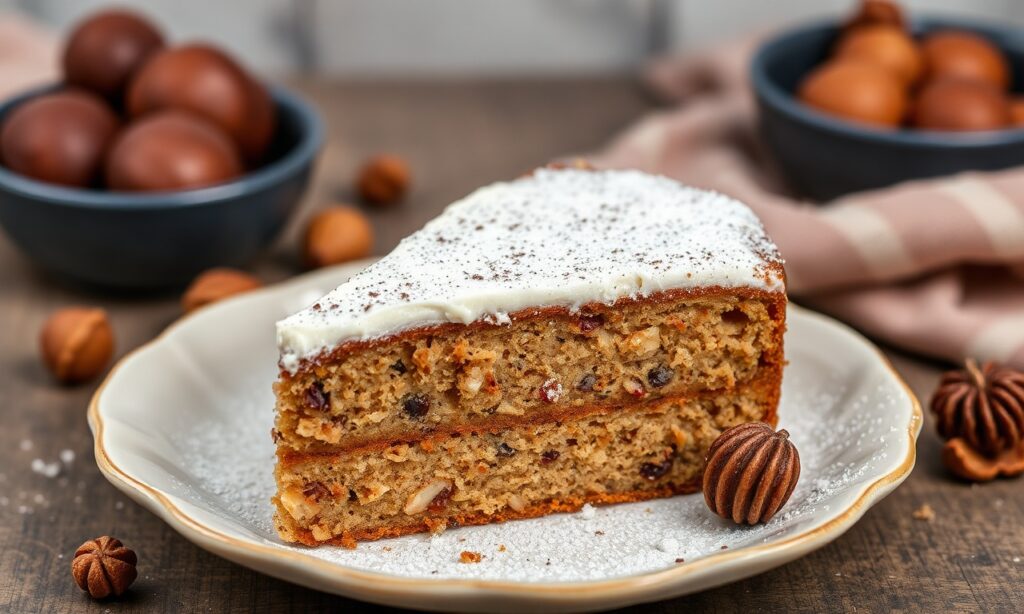
Achieving that elusive balance of moistness and tender crumb is the hallmark of a truly superior homemade chestnut cake. Overmixing the batter is a common pitfall, leading to a tough, dense texture. Always mix the dry and wet ingredients until they are *just* combined. Another key is ensuring your ingredients, especially eggs and milk, are at room temperature. This allows them to emulsify more effectively with the butter and sugar, creating a smoother, more stable batter that bakes up evenly.
The quality of your chestnut puree is paramount. Ensure all the bitter pellicle is removed, as even small amounts can impart an unpleasant flavor. If your puree seems a bit dry, you can add a tablespoon or two of milk or even a touch of the optional rum/brandy to achieve a smoother consistency. Baking time can vary based on your oven, so always rely on the toothpick test for doneness rather than strictly adhering to the clock. A slightly underbaked center can lead to a gummy texture, while overbaking will result in a dry cake.
Consider the glaze or topping. A simple dusting of powdered sugar is classic, but a light glaze made with powdered sugar, a touch of milk, and perhaps a hint of chestnut extract or rum can add another dimension of flavor and visual appeal. For a more decadent experience, a rich ganache or a dollop of crème fraîche can be sublime.
Beyond the Recipe: The Cultural Significance of Chestnuts
Chestnuts have a long and storied history, deeply embedded in the culinary traditions of many cultures, particularly in Europe and Asia. In France, *marrons glacés* (candied chestnuts) are a delicacy. In Italy, roasted chestnuts are a popular street food during autumn. Their versatility extends beyond desserts; they are used in savory dishes, stuffings, and even as a flour substitute. The association of chestnuts with autumn and winter holidays is strong, often evoking feelings of warmth, festivity, and family gatherings. This cultural resonance contributes to the emotional appeal of homemade chestnut cake, making it more than just a dessert but a symbol of tradition and comfort.
The practice of foraging for chestnuts, though less common now, further imbues the ingredient with a sense of connection to nature and the changing seasons.
FAQs: Your Homemade Chestnut Cake Questions Answered
What is the best way to prepare chestnuts for the cake?
The most common and effective method is roasting. Score the flat side of each chestnut, roast at 400°F (200°C) for 20-30 minutes until they split, then peel while warm, meticulously removing the inner skin. Boiling is an alternative, making peeling easier but potentially affecting texture slightly.
Can I use pre-packaged chestnut puree?
While convenient, pre-packaged chestnut puree can vary greatly in quality and flavor. It may contain added sugars or preservatives that alter the final taste. For the most authentic and delicious result, homemade puree is highly recommended. If using store-bought, opt for unsweetened varieties and taste it before incorporating it into your batter.
My cake turned out dry. What could have gone wrong?
Dryness is often due to overbaking or overmixing. Ensure you bake only until a toothpick comes out clean, and resist the urge to overmix the batter once the dry ingredients are added. Room temperature ingredients also matter significantly in achieving a moist crumb.
How can I store homemade chestnut cake?
Once completely cooled, the cake can be stored in an airtight container at room temperature for up to 3 days. For longer storage, it can be refrigerated for up to a week, though it may become slightly firmer. It freezes well, too; wrap individual slices or the whole cake tightly in plastic wrap and then in foil for up to 3 months. Thaw at room temperature.
What are some creative variations for homemade chestnut cake?
You can add a tablespoon of espresso powder to the batter for a mocha-chestnut flavor. Orange zest or a hint of cardamom can also complement the chestnut beautifully. For a decadent twist, swirl in some homemade chestnut cream or a rich chocolate ganache before baking.
See also: Homemade chestnut