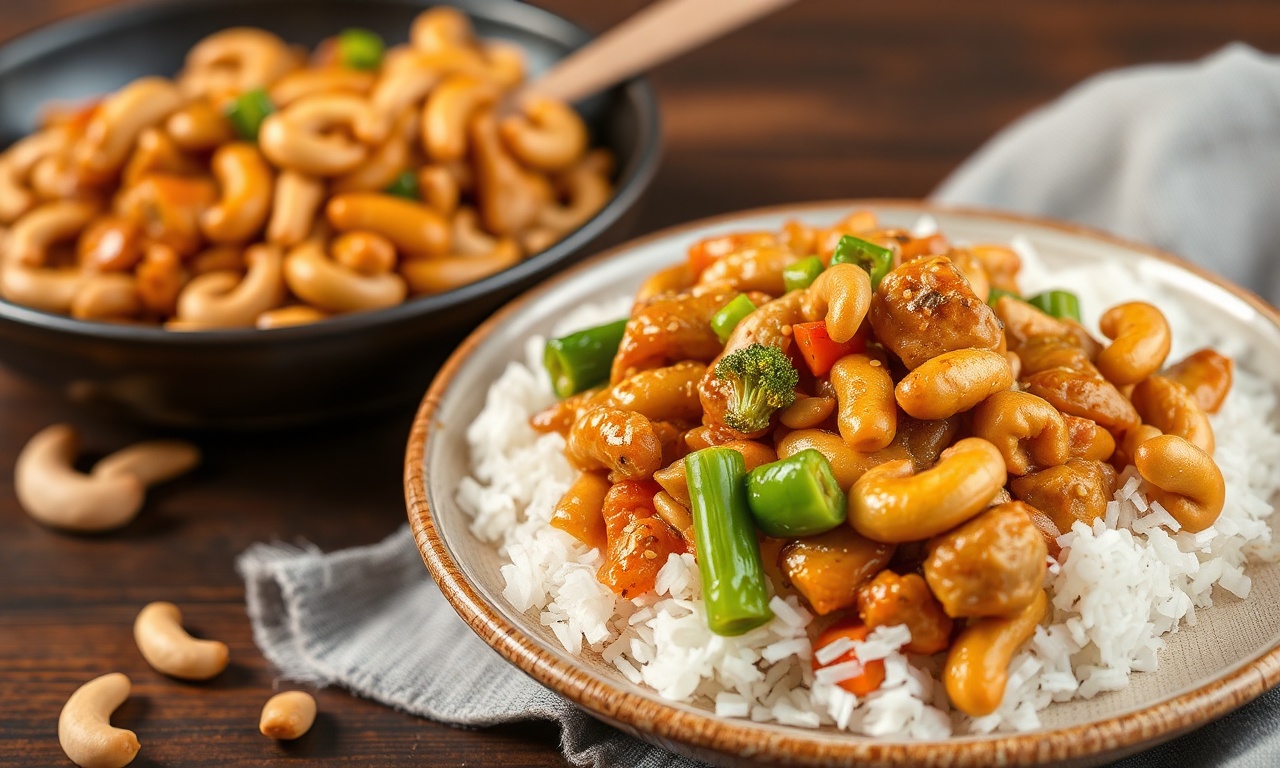

Is there anything more disappointing than a soggy, bland cashew chicken, a pale imitation of the vibrant, umami-rich dish promised on a takeout menu? It’s a question that has plagued home cooks for decades, leaving them wondering if that perfect balance of tender chicken, crisp vegetables, and crunchy cashews, all coated in a glossy, savory sauce, is simply unattainable outside the professional kitchen. The truth is, achieving takeout-caliber cashew chicken isn’t a matter of secret ingredients or specialized equipment; it’s about understanding fundamental culinary principles and applying them with precision. This comprehensive guide will demystify the process, revealing the no-nonsense secrets that elevate this beloved classic from mediocre to magnificent.
The journey to superior cashew chicken begins with a deep appreciation for its origins and the interplay of textures and flavors that define it. While its exact genesis is debated, many culinary historians trace its roots to the Cantonese-American culinary landscape, where it evolved as a popular adaptation of traditional Chinese stir-fries. The inclusion of cashews, indigenous to Brazil but widely cultivated across Asia, added a unique textural element and a subtle sweetness that resonated with Western palates. Understanding this fusion is key: we’re not just replicating a dish; we’re perfecting a cultural bridge.
The truth is, achieving takeout-caliber cashew chicken isn’t a matter of secret ingredients or specialized equipment; it’s about understanding fundamental culinary principles and applying them with precision.
The cornerstone of any great cashew chicken dish is, of course, the chicken. Far too often, it emerges from the wok or pan either dry and tough or rubbery. This is a direct consequence of improper preparation and cooking temperatures. The goal is succulent, bite-sized pieces that absorb the sauce without becoming waterlogged.
When it comes to Cashew Chicken, A well-executed marinade does more than just impart flavor; it tenderizes the chicken and creates a barrier that helps it retain moisture during high-heat cooking. A classic Chinese marinade typically includes a combination of soy sauce (or tamari for gluten-free needs), Shaoxing wine (a crucial element for authentic flavor, though dry sherry can be substituted), a touch of sesame oil, and often a bit of cornstarch. The cornstarch, in particular, is a marvel; it acts as a ‘velvetizer,’ creating a protective coating that seals in juices and contributes to a silken texture.
In the context of Cashew Chicken, For optimal results, cut your chicken breast or thigh into uniform, bite-sized pieces. A 1-inch cube is generally ideal. Toss these pieces thoroughly with your marinade and let them rest for at least 30 minutes, or up to 2 hours in the refrigerator. Avoid marinating for too long, as the enzymes in ingredients like soy sauce can begin to break down the chicken too much, leading to a mushy texture.
Around Cashew Chicken, 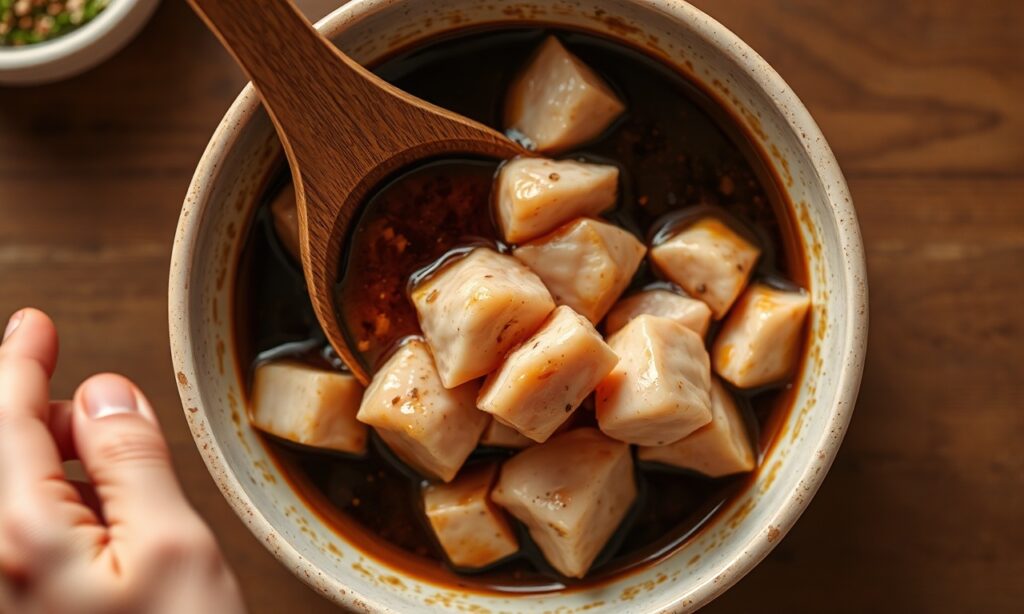
Regarding Cashew Chicken, The cooking method for the chicken is as critical as the marination. Stir-frying at high heat is non-negotiable. This rapid cooking process sears the exterior of the chicken, creating a flavorful crust while keeping the interior moist and tender. Overcrowding the pan is a cardinal sin here. If you’re cooking a larger batch, it’s far better to cook the chicken in two or even three smaller batches. This ensures the pan temperature remains high, allowing for proper searing rather than steaming.
When it comes to Cashew Chicken, The cornstarch in the marinade will help the chicken develop a slight golden-brown char. Cook each batch for just 2-3 minutes per side, until cooked through. Remove the chicken from the pan and set it aside. It will finish cooking in the sauce later.
The sauce is where cashew chicken truly shines, or falters. It needs to be glossy, savory, slightly sweet, and have a balanced viscosity that coats every ingredient without being gloopy or watery. Achieving this requires a thoughtful combination of ingredients and technique.
In the context of Cashew Chicken, The foundation of the sauce is typically a blend of soy sauce, oyster sauce, and sometimes hoisin sauce. Soy sauce provides the salty, savory depth. Oyster sauce adds a layer of complex, almost sweet umami that is difficult to replicate. Hoisin sauce, with its fermented soybean base, garlic, and spices, contributes a darker, richer sweetness and a slight tang.
Around Cashew Chicken, A crucial, often overlooked, component for authentic flavor is Shaoxing wine. This fermented rice wine, common in Chinese cooking, imparts a nuanced, slightly nutty, and complex aroma that enhances the savory notes of the dish. If unavailable, a dry sherry can offer a passable substitute, but the distinct character of Shaoxing is hard to match.
While soy sauce and oyster sauce provide saltiness and umami, a touch of sweetness is essential to balance these potent flavors and complement the cashews. Sugar, typically granulated or brown sugar, is the standard. However, the *amount* of sugar is critical. Too little, and the sauce will be too sharp; too much, and it will be cloying. A common ratio is roughly 2 parts soy sauce to 1 part oyster sauce, with sugar adjusted to taste.
A hint of acidity can also elevate the sauce, cutting through the richness. Rice vinegar is the traditional choice, offering a mild, pleasant tang. It’s best added sparingly, just enough to brighten the overall profile.
The glossy sheen and coating ability of cashew chicken sauce come from a thickening agent, most commonly a cornstarch slurry. This is a mixture of cornstarch and cold water, whisked until smooth. It’s crucial to use *cold* water, as hot water can cause the cornstarch to clump. The slurry is then added to the simmering sauce and stirred until it reaches the desired consistency.
The key is to add the slurry gradually. Pour in about half, stir, and let it simmer for a minute to see how it thickens. Add more as needed until you achieve a viscous, coating consistency. Remember, the sauce will thicken further as it cools.
While chicken and sauce are paramount, the supporting elements—the vegetables and, of course, the cashews—play vital roles in the overall experience.
Traditional cashew chicken often features a medley of crisp vegetables. Common choices include:
- Onions: Yellow or white onions, cut into wedges or large dice.
- Bell Peppers: Green and red bell peppers, cut into bite-sized pieces. These add sweetness and color.
- Celery: Sliced on a bias, providing a refreshing crunch.
- Garlic and Ginger: Finely minced or grated, these aromatics form the fragrant backbone of the stir-fry.
The secret to retaining their vibrant color and satisfying crunch is sequential cooking and high heat. Garlic and ginger are typically stir-fried first for about 30 seconds until fragrant, being careful not to burn them. Then, the firmer vegetables like onions and celery are added and stir-fried for a minute or two. Finally, softer vegetables like bell peppers are added and cooked for just long enough to be tender-crisp, maintaining their snap. Overcooked vegetables become limp and unappetizing, detracting significantly from the dish.
The cashews are more than just a garnish; they are a defining ingredient. For the best texture, use raw, unsalted cashews. Roasting them yourself just before adding them to the dish is the ultimate strategy. This can be done in a dry skillet over medium heat for a few minutes, stirring constantly, until they are lightly golden and fragrant. Alternatively, a brief stint in a moderate oven (around 350°F/175°C) for 5-8 minutes works well.
Adding the cashews at the very end of the cooking process, or even just folding them in after the sauce has thickened, ensures they remain wonderfully crunchy, providing that delightful textural contrast to the tender chicken and soft vegetables.
With all components prepped and ready, the final assembly is a swift, high-energy process.
- Aromatics: Heat your wok or large skillet over high heat. Add a tablespoon of high-smoke-point oil (like peanut, canola, or grapeseed oil). Add the minced garlic and ginger and stir-fry for about 30 seconds until fragrant.
- Vegetables: Add the onions and celery. Stir-fry for 1-2 minutes until they begin to soften. Add the bell peppers and stir-fry for another minute until tender-crisp.
- Chicken: Return the cooked chicken to the pan. Toss to combine with the vegetables.
- Sauce: Pour the prepared sauce over the chicken and vegetables. Stir continuously as the sauce heats up and thickens, coating everything evenly. This should only take 1-2 minutes.
- Cashews: Stir in the roasted cashews. Toss gently to distribute them.
- Serve: Immediately transfer the cashew chicken to a serving platter.
Serve hot, ideally with steamed jasmine rice, which acts as a perfect canvas for the rich sauce.
While the foundational steps will yield a delicious dish, a few advanced techniques can truly push your cashew chicken into restaurant-quality territory.
“Wok hei,” often translated as “breath of the wok,” refers to the complex smoky aroma and flavor imparted by a well-seasoned wok heated to extremely high temperatures. Achieving true wok hei at home is challenging due to limitations in residential stovetop power. However, you can mimic its effects by:
- Maximizing Heat: Ensure your pan is screaming hot before adding any ingredients.
- Not Overcrowding: Cook in small batches if necessary.
- Using the Right Oil: High smoke-point oils are essential.
- Allowing for Char: Let ingredients get a slight char without burning.
Don’t be afraid to experiment with the sauce. A dash of Sriracha or chili garlic sauce can add a welcome kick of heat. A splash of sesame oil at the very end, off the heat, can further enhance its nutty aroma. Some cooks even add a small amount of dark soy sauce for a richer color.
Using the freshest ingredients makes a noticeable difference. Freshly grated ginger and minced garlic are far more potent than pre-minced versions. Crisp, vibrant vegetables will always outperform wilted ones.
A fascinating aspect of culinary evolution is how dishes adapt and are perfected across different cultures and kitchens. Consider the case of renowned chef David Chang, who has often spoken about his quest to perfect classic dishes by meticulously dissecting their components and understanding the underlying science. In his exploration of Chinese-American cuisine, he emphasized the critical role of *wok hei* and the precise balance of sweet, sour, and savory elements. His approach, focusing on fundamentals and relentless refinement, mirrors the journey to creating exceptional cashew chicken – it’s about understanding *why* certain techniques work, not just following a recipe blindly. This dedication to detail is what separates good from truly great.
What is the best type of chicken to use for Cashew Chicken?
Chicken thighs are generally preferred for their higher fat content, which makes them more forgiving and moister during high-heat cooking. However, chicken breasts can also be used effectively if they are not overcooked. Ensure they are cut into uniform, bite-sized pieces for even cooking.
How can I make the sauce thicker without it becoming gummy?
The key is to use a cornstarch slurry (cornstarch mixed with cold water) and add it gradually to the simmering sauce. Whisk continuously and allow the sauce to bubble for about a minute after each addition to see how it thickens. Avoid adding too much at once, and always use cold water for the slurry.
My cashews always get burnt. How can I prevent this?
The best method is to roast raw cashews yourself just before adding them to the dish. Lightly toast them in a dry skillet over medium heat, stirring constantly, until they are lightly golden and fragrant. Alternatively, a brief period in a moderate oven works well. Add them towards the very end of the cooking process to maintain their crunch and prevent burning.
Can I make Cashew Chicken ahead of time?
While it’s best enjoyed fresh due to the crispness of the vegetables and cashews, you can prepare components in advance. The sauce can be made and stored in the refrigerator for up to 2 days. The chicken can be marinated and cooked, then reheated gently. However, the vegetables should ideally be stir-fried just before serving to maintain their texture. Combine everything at the last minute for the best results.
What are some healthy substitutions for Cashew Chicken?
For a healthier version, you can use lean turkey breast or firm tofu instead of chicken. Opt for reduced-sodium soy sauce or tamari. Increase the variety and quantity of vegetables, and be mindful of the sugar content in the sauce. You can also reduce the amount of oil used for stir-frying by using a good non-stick pan or ensuring your wok is well-seasoned.
See also: Cashew Chicken