
Have you ever experienced the quiet disappointment of a perfectly good piece of salmon, cooked with the best intentions, yet falling short of that sublime, restaurant-quality perfection? It’s a common culinary lament – the skin isn’t quite crisp enough, the flesh a touch too dry, or the accompanying flavors just don’t sing. The truth is, achieving consistently excellent skillet salmon, especially when paired with a bright, zesty orzo, is less about innate talent and more about understanding a few fundamental principles. It requires a delicate dance between heat, timing, and the right textural contrasts. This guide aims to demystify that process, transforming your kitchen into a haven of reliably delicious skillet salmon.
- The Art of Skillet Salmon: More Than Just Cooking Fish
- Mastering the Skillet Salmon Technique
- Ingredients for Perfect Skillet Salmon and Lemon Orzo (Serves 2)
- Step-by-Step Preparation: The Culinary Choreography
- Expert Insights and Pro-Tips for Culinary Excellence
- Nutritional Snapshot: A Wholesome Meal
- Frequently Asked Questions about Skillet Salmon
Key Takeaways:
- Achieving perfect skillet salmon hinges on precise temperature control and understanding the fish’s unique fat content.
- Lemon orzo provides a vibrant, acidic counterpoint that balances the richness of the salmon beautifully.
- Proper searing techniques are crucial for both flavor development and appealing texture.
- This dish offers a remarkable balance of omega-3 fatty acids and complex carbohydrates, making it a nutritionally sound choice.
The Art of Skillet Salmon: More Than Just Cooking Fish
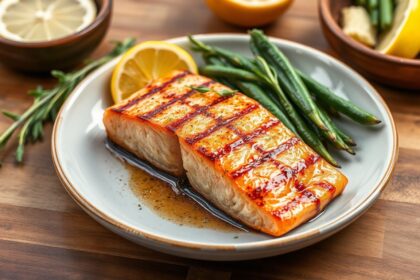
Skillet salmon, at its core, is about harnessing the power of direct heat to coax out the best qualities of this magnificent fish. Unlike baking or poaching, pan-searing allows for incredible control over the crust formation and the internal doneness. The Maillard reaction, a complex chemical process that occurs when proteins and sugars are heated, is what gives seared foods their characteristic brown color and deeply savory flavor. For salmon, this means a beautifully caramelized exterior that contrasts with the tender, flaky interior.
When it comes to Skillet Salmon, The inherent richness of salmon, particularly varieties like Atlantic or King salmon, means it benefits immensely from a technique that can render some of its fat while preserving moisture. This is where the skillet truly shines. A well-seasoned cast-iron skillet or a heavy-bottomed stainless steel pan retains heat exceptionally well, providing the consistent temperature necessary for an even sear.
In the context of Skillet Salmon, A foundational understanding of salmon’s flesh structure is also paramount. Salmon is an oily fish, rich in monounsaturated and polyunsaturated fats, including beneficial omega-3 fatty acids. According to recent USDA data, a 3-ounce serving of cooked Atlantic salmon contains approximately 18 grams of protein and 1.5 grams of omega-3 fatty acids. This oil content acts as a natural self-baster during cooking, but it also means the fish can dry out quickly if overheated. The goal is to melt some of that intramuscular fat, creating a succulent texture, without cooking the protein past its ideal point.
Choosing Your Salmon: Quality is Paramount
The journey to perfect skillet salmon begins long before the pan heats up. Selecting the right cut of salmon is non-negotiable. Look for fillets that are uniformly thick, with vibrant color and no signs of discoloration or strong odor. Skin-on fillets are generally preferred for pan-searing, as the skin provides a protective barrier, helps keep the flesh intact, and crisps up beautifully, offering a delightful textural contrast.
- Atlantic Salmon: The most commonly farmed variety, known for its rich flavor and high omega-3 content. Its fat content makes it forgiving to cook.
- King Salmon (Chinook): Prized for its large, buttery flakes and exceptionally high fat content, making it incredibly moist and flavorful.
- Sockeye Salmon: Characterized by its deep red color and more intense, distinct flavor. It tends to be leaner than Atlantic or King salmon, requiring slightly more careful cooking to prevent drying.
- Coho Salmon: A milder, leaner option with a delicate flavor and firm texture.
Around Skillet Salmon, When purchasing, whether fresh or frozen, prioritize sustainability. Look for certifications from reputable organizations. The origin and farming practices can significantly impact both the flavor profile and the environmental footprint of your meal.
The Lemon Orzo Companion: A Symphony of Flavors
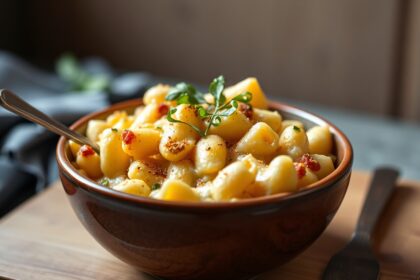
Regarding Skillet Salmon, While the salmon is undoubtedly the star, its supporting cast is crucial for a balanced and memorable dish. Lemon orzo is an inspired pairing, offering a bright, zesty counterpoint to the richness of the fish. Orzo, a small, rice-shaped pasta, cooks quickly and absorbs flavors beautifully. The addition of lemon zest and juice provides a refreshing acidity that cuts through the fattiness of the salmon, cleansing the palate with each bite. Fresh herbs, such as parsley or dill, further enhance the dish’s aromatic complexity.
When it comes to Skillet Salmon, The beauty of orzo lies in its versatility. It can be cooked in water or broth, and incorporating ingredients like garlic, shallots, and white wine can elevate its flavor profile significantly, creating a creamy, risotto-like texture without the constant stirring. The mild sweetness of the pasta, combined with the tang of lemon and the subtle notes from aromatics, creates a harmonious bed for the perfectly cooked salmon.
Mastering the Skillet Salmon Technique
In the context of Skillet Salmon, Achieving that coveted crisp skin and flaky, moist interior requires a methodical approach. It’s a process that rewards attention to detail and a willingness to understand the nuances of cooking fish.
Ingredients for Perfect Skillet Salmon and Lemon Orzo (Serves 2)
- For the Skillet Salmon:
- 2 (6-ounce) salmon fillets, skin-on, pin bones removed
- 1 tablespoon olive oil, plus more as needed
- 1 tablespoon unsalted butter
- 2 cloves garlic, thinly sliced
- 1 sprig fresh thyme or rosemary (optional)
- Salt and freshly ground black pepper, to taste
- For the Lemon Orzo:
- 1 cup orzo pasta
- 2 tablespoons olive oil
- 1 small shallot, finely minced
- 1 clove garlic, minced
- 1/2 cup dry white wine (optional, can substitute with chicken or vegetable broth)
- 1 1/2 cups chicken or vegetable broth
- Zest of 1 lemon
- 2 tablespoons fresh lemon juice
- 1/4 cup chopped fresh parsley or dill
- Salt and freshly ground black pepper, to taste
- Optional additions: 1/4 cup grated Parmesan cheese, a handful of baby spinach
Step-by-Step Preparation: The Culinary Choreography
Around Skillet Salmon, The process is a symphony of timed steps, ensuring each component is ready at its peak.
- Prepare the Salmon: Pat the salmon fillets thoroughly dry with paper towels. This is a critical step for achieving crispy skin. Season generously on both sides with salt and freshly ground black pepper. Let the salmon sit at room temperature for about 15-20 minutes before cooking; this helps it cook more evenly.
- Start the Orzo: In a medium saucepan, heat 2 tablespoons of olive oil over medium heat. Add the minced shallot and cook until softened, about 3-4 minutes. Add the minced garlic and cook for another minute until fragrant, being careful not to burn it.
- Deglaze and Simmer Orzo: If using white wine, pour it into the saucepan and scrape up any browned bits from the bottom. Let it simmer and reduce by half, about 2-3 minutes. Add the orzo pasta and stir to coat it with the oil and aromatics. Pour in the broth (or water). Bring to a simmer, then reduce the heat to low, cover, and cook for 10-12 minutes, or until the orzo is al dente and most of the liquid has been absorbed. Stir occasionally to prevent sticking.
- Sear the Salmon: While the orzo is cooking, heat 1 tablespoon of olive oil in a large, oven-safe skillet (cast iron or stainless steel is ideal) over medium-high heat until it shimmers but is not smoking. Carefully place the salmon fillets, skin-side down, into the hot skillet. Press down gently on each fillet with a spatula for about 10-15 seconds to ensure even contact with the pan.
- Cook the Salmon: Sear the salmon, undisturbed, for 4-6 minutes, depending on the thickness of the fillet. You’ll see the flesh begin to turn opaque from the bottom up. The skin should be golden brown and crispy.
- Baste and Finish Salmon: Flip the salmon fillets. Add the butter, sliced garlic, and thyme or rosemary sprig (if using) to the skillet. As the butter melts, tilt the pan and use a spoon to baste the salmon with the fragrant butter for 1-2 minutes, until cooked to your desired doneness. For medium-rare, the internal temperature should be around 125°F (52°C); for medium, 130-135°F (54-57°C).
- Finish the Orzo: Once the orzo is cooked, stir in the lemon zest, lemon juice, and chopped fresh herbs. If you are adding spinach, stir it in now until it wilts. Season with salt and pepper to taste. If using Parmesan, stir it in as well. The orzo should be creamy and flavorful.
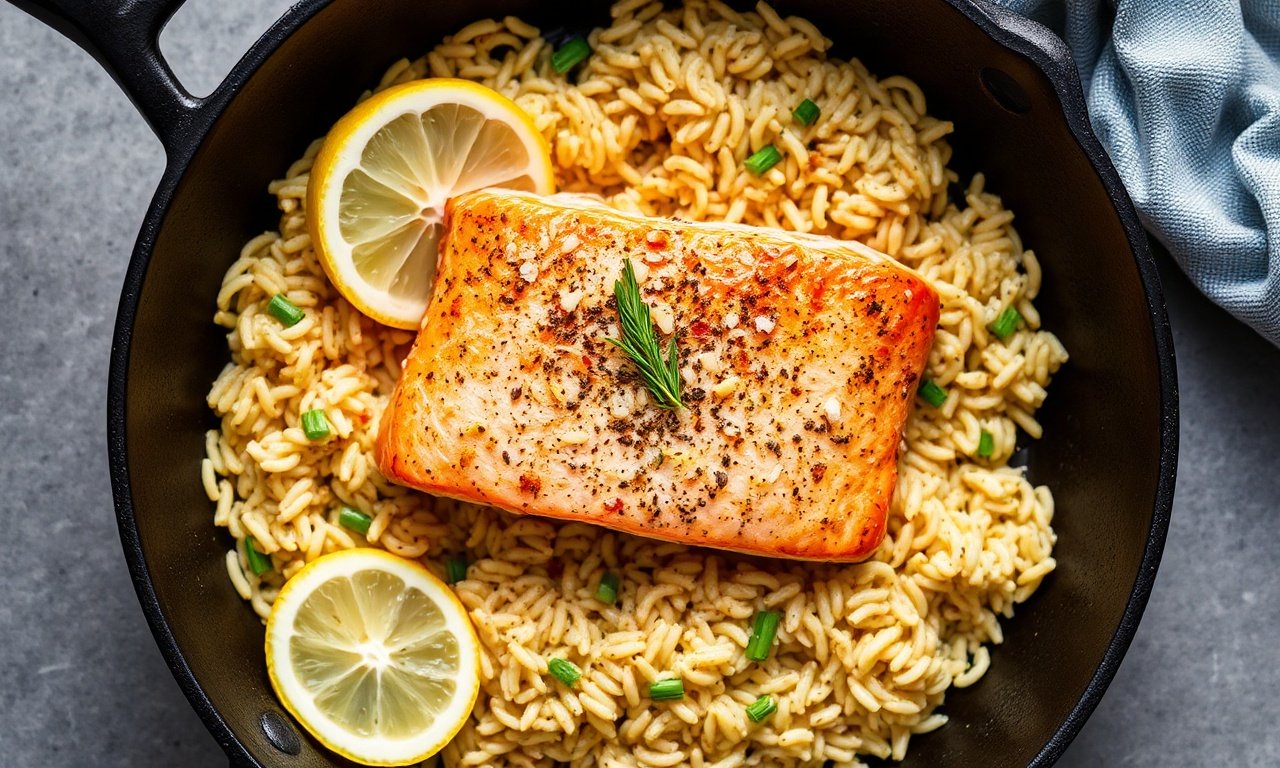
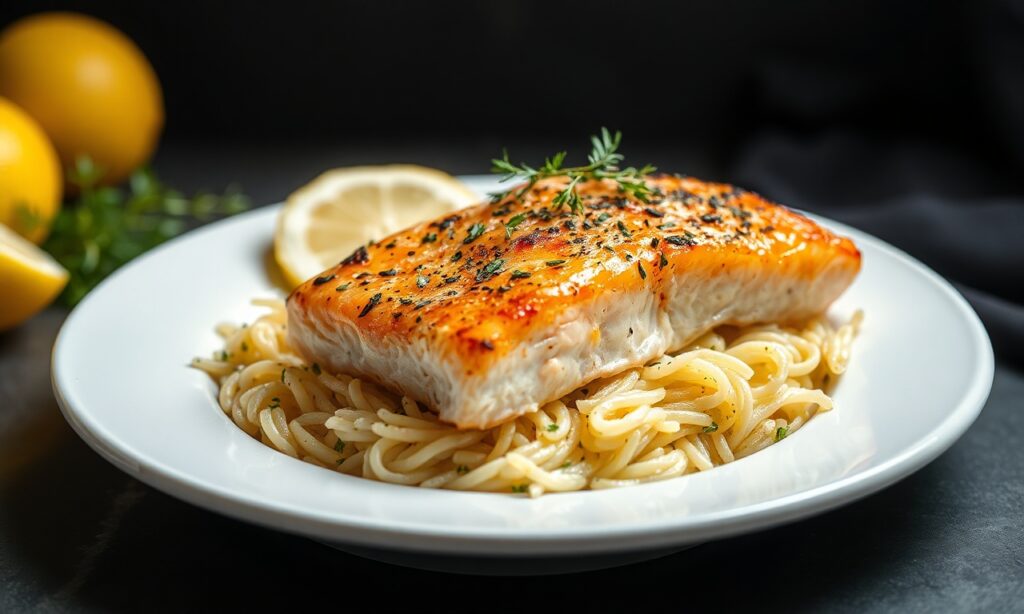
- Serve: Spoon a generous portion of the lemon orzo onto each plate. Carefully place a salmon fillet, skin-side up, on top of the orzo. Spoon any pan juices from the salmon skillet over the fish. Garnish with extra fresh herbs if desired.
Regarding Skillet Salmon, 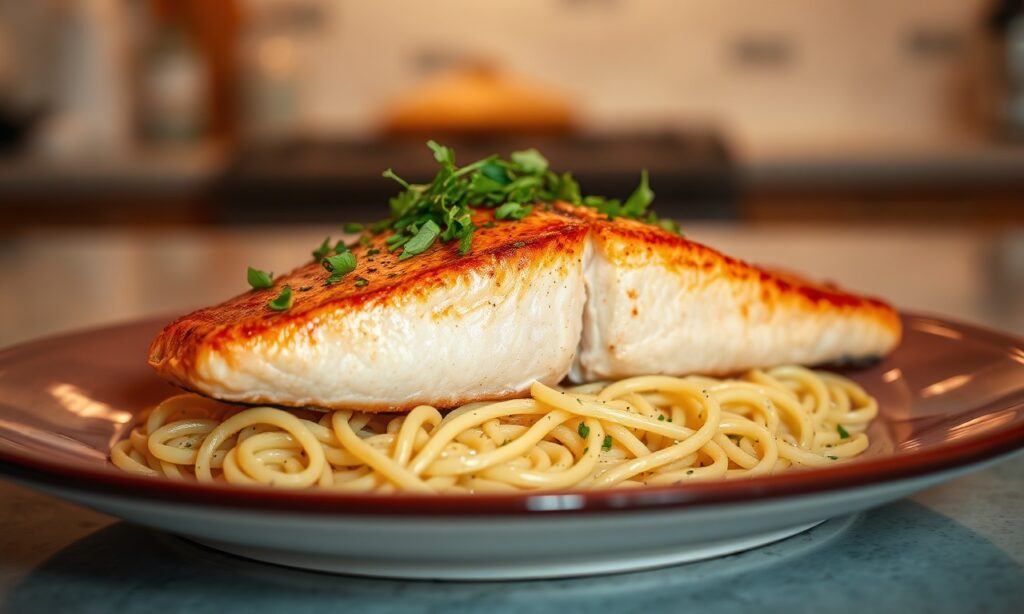
Expert Insights and Pro-Tips for Culinary Excellence
When it comes to Skillet Salmon, Elevating this dish from good to exceptional involves a few expert touches that go beyond the basic recipe. These are the nuances that seasoned chefs employ to ensure consistent, restaurant-quality results.
Temperature Control: The Unsung Hero
In the context of Skillet Salmon, Understanding the temperature of your skillet and the salmon itself is paramount. The initial sear should be on medium-high heat to achieve that golden crust. However, once you flip the salmon, reducing the heat slightly and basting with butter infused with garlic and herbs helps to gently finish the cooking process without drying out the fish. The goal is to reach your desired internal temperature precisely. Using an instant-read thermometer is an invaluable tool for any home cook aiming for precision. For salmon, aim for an internal temperature of 125-135°F (52-57°C) depending on your preference for doneness. Overcooking is the most common pitfall, transforming a moist fillet into something dry and unappealing.
Achieving the Perfect Orzo Texture
Around Skillet Salmon, The orzo, while simpler than the salmon, also benefits from careful attention. Cooking it in broth instead of water adds a foundational layer of flavor. Stirring occasionally prevents the orzo from clumping and sticking to the bottom of the pan, ensuring an even cook. The final addition of lemon zest and juice should be done off the heat to preserve their bright, fresh aromas and flavors. If you desire a creamier orzo, similar to a risotto, you can stir in a tablespoon or two of butter or a small amount of cream cheese at the very end, or incorporate Parmesan cheese.
Nutritional Snapshot: A Wholesome Meal
This Skillet Salmon and Lemon Orzo dish is not only delicious but also a powerhouse of nutrition. It offers a balanced profile of lean protein, healthy fats, and complex carbohydrates, making it a satisfying and guilt-free meal.
- Protein: Salmon is an excellent source of high-quality protein, essential for muscle repair and growth.
- Omega-3 Fatty Acids: Rich in EPA and DHA, these fatty acids are crucial for heart health, brain function, and reducing inflammation. Research suggests that regular consumption of fatty fish like salmon can help lower the risk of cardiovascular disease. For example, one comprehensive review found that increased fish consumption was associated with a reduced risk of major cardiovascular events.
- Vitamins and Minerals: Salmon provides essential vitamins such as Vitamin D and B vitamins, along with minerals like selenium and potassium.
- Complex Carbohydrates: Orzo, as a pasta, offers complex carbohydrates for sustained energy. When made with whole wheat orzo, it also provides dietary fiber.
- Antioxidants: Lemon zest and fresh herbs contribute antioxidants, which help protect the body’s cells from damage.
Regarding Skillet Salmon, Nutritional information is an estimate and can vary based on exact ingredients and portion sizes.
Frequently Asked Questions about Skillet Salmon
What is the best type of pan for cooking skillet salmon?
For achieving perfectly crispy skin and even cooking, a heavy-bottomed skillet is essential. Cast iron skillets are ideal due to their excellent heat retention and distribution, which promotes a consistent sear. Heavy-bottomed stainless steel pans are also a good choice. Avoid thin, non-stick pans, as they often don’t get hot enough or retain heat effectively for a proper sear.
How do I prevent my salmon from sticking to the pan?
Thoroughly drying the salmon fillets with paper towels is the first crucial step. Ensuring your pan is adequately preheated before adding the oil and then the fish is equally important. The oil should shimmer, indicating it’s hot enough. Once the salmon is in the pan, resist the urge to move it for the first few minutes; allow the skin to develop a crust, which will naturally release from the pan when it’s ready. If using a well-seasoned cast iron pan, sticking is rarely an issue.
Can I use frozen salmon for this recipe?
Yes, you can use frozen salmon, but it’s best to thaw it completely before cooking. The most effective method is to place the frozen salmon in a sealed bag and submerge it in cold water for about 20-30 minutes, changing the water periodically, until thawed. Alternatively, thaw it overnight in the refrigerator. Once thawed, pat it very dry, as moisture is the enemy of crispy skin.
What are some good alternatives to orzo for this dish?
If you don’t have orzo or prefer a different starch, couscous, quinoa, or even a simple risotto would make excellent accompaniments. For a lighter option, you could serve the skillet salmon over a bed of steamed asparagus, wilted spinach, or a fresh green salad. The key is to pair the rich salmon with something that provides a contrasting texture or a bright, acidic flavor profile.
How can I tell when my salmon is cooked perfectly?
The most reliable method is to use an instant-read thermometer. For medium-rare salmon, aim for an internal temperature of 125°F (52°C). For medium, 130-135°F (54-57°C). Visually, the flesh should be opaque and flake easily with a fork. The center should still appear slightly translucent and moist. Be careful not to overcook, as salmon can dry out quickly. The residual heat will continue to cook the fish slightly after it’s removed from the pan.
See also: Skillet Salmon