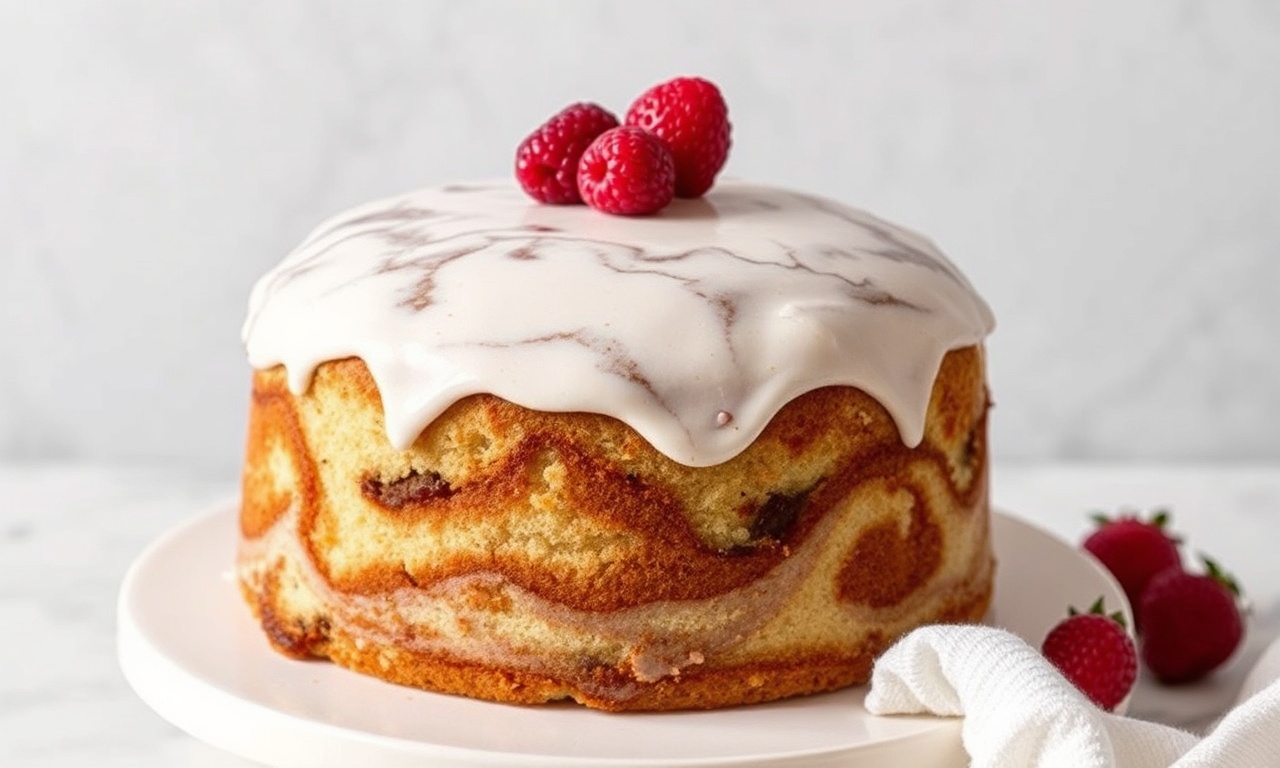

The humble pound cake, a cornerstone of classic baking, often gets a bad rap for being dense, dry, or unimaginably bland. Yet, the truth of marble pound cake lies not in its simplicity, but in the delicate balance of ingredients and technique that transforms a mere dessert into an experience. Forget the supermarket imitations; achieving true marble pound cake perfection is an art, a meticulous dance between richness and visual appeal that, when mastered, yields a slice of pure, unadulterated joy. This isn’t just about following a recipe; it’s about understanding the science and soul behind every creamy swirl and tender crumb.
- The Art and Science of Marble Pound Cake
- Decoding the Ingredients for Superior Marble Pound Cake
- Mastering the Mixing Technique for Ultimate Marble Pound Cake
- Achieving the Perfect Swirl and Bake
- Troubleshooting Common Marble Pound Cake Issues
- Elevating Your Marble Pound Cake: Expert Tips
- Nutritional Information (Approximate Per Serving)
- The Enduring Appeal of Marble Pound Cake
- Frequently Asked Questions About Marble Pound Cake
The true magic of marble pound cake isn’t just in its stunning visual appeal, but in the profound textural symphony that unfolds with every bite, proof of the baker’s understanding of heat, fat, and flour.
The genesis of the pound cake, and by extension its marbled descendant, is rooted in a time when precise measurements were less common and recipes were often based on ratios. The original “pound cake” famously called for a pound each of butter, sugar, eggs, and flour. This foundational simplicity is precisely what makes achieving perfection so nuanced today. Modern bakers often grapple with leavening agents, fat content, and mixing methods, seeking to improve upon tradition without sacrificing its inherent richness. The marble pound cake, with its dual nature, amplifies these challenges, demanding that both the vanilla and chocolate components be equally exquisite, and that their union be seamless.
The Art and Science of Marble Pound Cake
At its core, marble pound cake is proof of the emulsification of fats and liquids, stabilized by the structure of flour and eggs. Research suggests the key to its luxurious texture, distinct from lighter cakes, lies in the high ratio of butter and eggs to flour. This density is what gives pound cake its characteristic moist, yet firm, crumb. The “marble” aspect introduces a layer of complexity, requiring the baker to prepare two distinct batters and artfully combine them. This isn’t merely about swirling two colors together; it’s about ensuring each flavor profile is robust and that the textural integrity of both the vanilla and chocolate components remains uncompromised during the baking process.
Marble Mountain Air Facility — Wikipedia
The science behind a perfect marble pound cake is rooted in the Maillard reaction and caramelization occurring during baking. The sugars in the batter, interacting with amino acids from the flour and eggs under heat, create hundreds of new flavor compounds. The butter, rich in fat, contributes to tenderness by coating flour proteins, preventing excessive gluten development, which would otherwise lead to a tough cake. Understanding how these elements interact is crucial. For instance, overmixing can develop gluten too much, resulting in a rubbery texture, a common pitfall even for experienced bakers.
Decoding the Ingredients for Superior Marble Pound Cake
The foundation of any magnificent marble pound cake lies in the quality and precision of its ingredients. Unlike many lighter cakes, pound cake relies on a higher proportion of fat, which contributes significantly to its dense, moist, and tender crumb.
The Essential Components:
- Butter: Unsalted, high-quality butter is non-negotiable. Its fat content (typically 80-82%) is critical for richness and flavor. For marble pound cake, it acts as the primary emulsifier and flavor carrier.
- Sugar: Granulated sugar not only sweetens but also tenderizes the cake by interfering with gluten development and egg protein coagulation. The fine granules dissolve more easily, contributing to a smoother batter.
- Eggs: Large eggs provide structure, richness, and leavening. Their yolks contribute fat and emulsifiers, while their whites, when whipped slightly or incorporated properly, trap air. Room temperature eggs are key for proper emulsification.
- Flour: Cake flour is often preferred for its lower protein content, which results in a more tender crumb. All-purpose flour can be used, but may yield a slightly denser cake. Sifting flour is vital for aeration and even distribution.
- Dairy: Milk, buttermilk, or sour cream are often used to add moisture and richness. Buttermilk and sour cream, with their acidity, also help tenderize the crumb by reacting with baking soda (if used) and further inhibiting gluten development.
- Flavorings: Pure vanilla extract is essential for the vanilla portion, while high-quality unsweetened cocoa powder (Dutch-processed or natural) is used for the chocolate swirl. A pinch of salt enhances all flavors.
- Leavening: While traditional pound cakes rely solely on eggs for leavening, modern recipes often incorporate a small amount of baking powder and/or baking soda to ensure a more consistent rise and lighter texture, especially in a marble pound cake where two batters are involved.
The Marble Effect: Vanilla vs. Chocolate
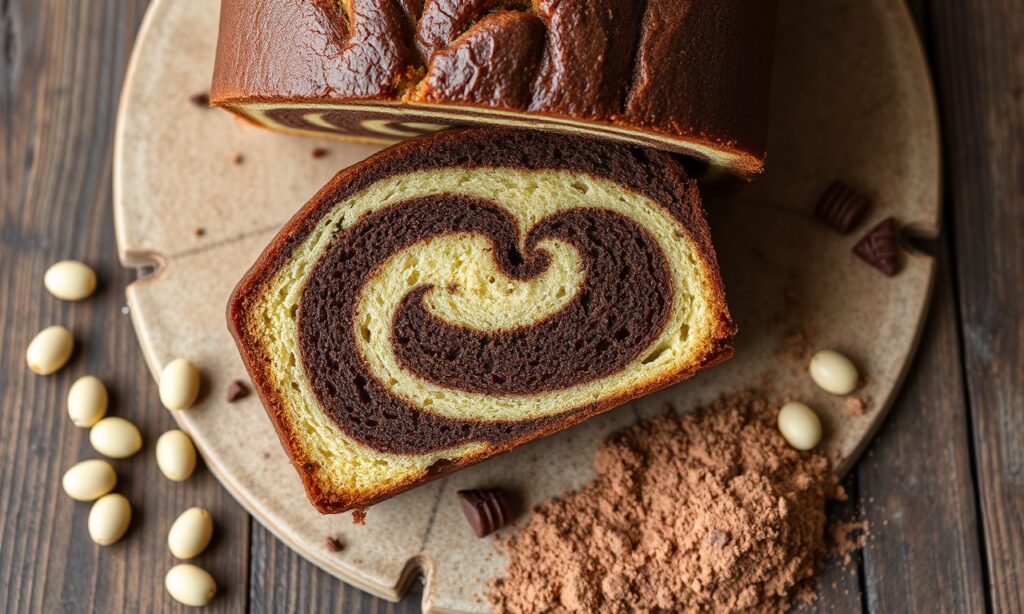
Creating the signature swirl requires preparing two separate batters. The base batter is typically flavored with vanilla. For the chocolate component, a portion of the vanilla batter is taken, and cocoa powder is incorporated. It’s crucial that the cocoa powder is sifted to prevent clumps. Some recipes might add a tablespoon or two of hot water or coffee to the cocoa powder mixture to “bloom” it, intensifying its chocolate flavor and ensuring it incorporates smoothly without drying out the chocolate portion of the marble pound cake. The ratio of vanilla to chocolate batter can be adjusted to personal preference, but a roughly equal split is common.
Mastering the Mixing Technique for Ultimate Marble Pound Cake
The method by which you combine these ingredients is as critical as the ingredients themselves. A correctly mixed marble pound cake batter will be smooth, homogenous, and possess a specific viscosity.
The Creaming Method: A Foundation of Texture
The classic creaming method is paramount for marble pound cake. This process involves beating softened butter and sugar together until the mixture is light, fluffy, and pale yellow. This stage is not merely about combining; it’s about incorporating air into the fat. Millions of tiny air bubbles are created, which will expand during baking, contributing to the cake’s rise and tender crumb.
- Soften Butter: Ensure butter is at true room temperature—soft enough to indent with a finger, but not melted. Cold butter won’t cream properly; melted butter will lead to a greasy cake.
- Cream Butter and Sugar: In a stand mixer fitted with the paddle attachment, or using a hand mixer, beat the softened butter on medium speed for about 2 minutes. Gradually add the granulated sugar and continue beating on medium-high speed for 5-7 minutes, scraping down the bowl frequently. The mixture should become significantly lighter in color and texture, resembling fluffy clouds. This is where much of the cake’s structure and tenderness begins.
- Incorporate Eggs Gradually: Add eggs one at a time, beating well after each addition. Ensure each egg is fully incorporated before adding the next. If the mixture appears to curdle, it means the emulsion is breaking; add a tablespoon of the sifting flour to help stabilize it.
- Alternate Dry and Wet Ingredients: In a separate bowl, whisk together the sifted flour, baking powder (if using), and salt. In a small bowl or measuring cup, combine the milk (or other liquid) with vanilla extract. Begin by adding about one-third of the dry ingredients to the butter-egg mixture, mixing on low speed until just combined. Then, add half of the liquid, mixing until just combined. Continue this alternating process, ending with the dry ingredients. Overmixing at this stage is a common error that develops gluten, leading to a tough marble pound cake. Mix only until no dry streaks of flour remain.
Dividing and Flavoring for the Marble Effect
Once the base vanilla batter is prepared, it’s time to create the chocolate component.
- Divide the Batter: Carefully divide the batter into two roughly equal portions. Use a kitchen scale for precision if you want an even distribution of vanilla and chocolate.
- Prepare the Chocolate Batter: In a small bowl, whisk together the unsweetened cocoa powder with 2-3 tablespoons of hot water or brewed coffee until a smooth paste forms. This process, known as blooming, intensifies the chocolate flavor and ensures the cocoa powder disperses evenly. Add this paste to one of the batter portions and gently fold until just combined. Avoid overmixing.
Achieving the Perfect Swirl and Bake
The visual appeal of marble pound cake is its defining characteristic. The technique for swirling is crucial to achieving that sought-after marbled effect without creating a muddy, indistinct pattern.
Layering and Swirling Techniques
The goal is to create distinct ribbons of vanilla and chocolate that wind through the cake, not to blend them into a uniform color.
- Prepare the Pan: Grease and flour a 9×5 inch loaf pan or a Bundt pan. For a loaf pan, parchment paper can also be used to line the bottom and sides for easier removal.
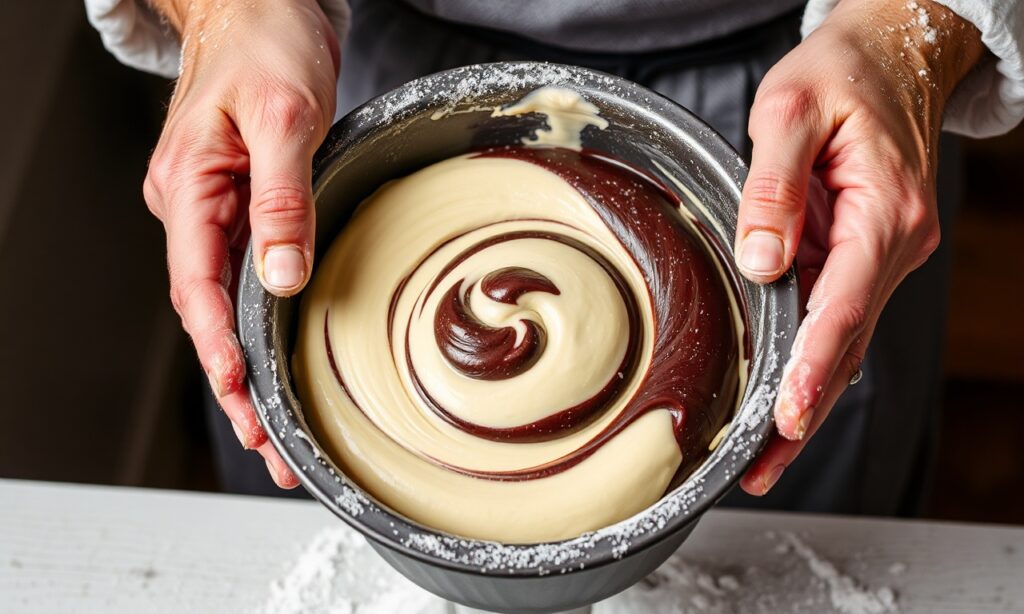
- Layer the Batters: Alternate dollops of vanilla and chocolate batter into the prepared pan. Start with a layer of vanilla, then add dollops of chocolate, then vanilla again, and so on, until all batter is used. Don’t worry about perfect placement; the swirling will create the pattern.
- Create the Swirls: Insert a knife, skewer, or offset spatula into the batter and gently swirl it through the layers. Make broad, sweeping motions rather than intricate zigzags. Aim for about 2-3 complete turns through the batter. Over-swirling will cause the colors to meld, resulting in a less defined marble pattern.
Baking to Perfection
Baking marble pound cake requires patience and attention to temperature. The high density means it needs adequate time to cook through without the exterior becoming overdone.
- Preheat Oven: Preheat your oven to 325°F (160°C). A lower temperature is crucial for pound cake to allow it to bake evenly without burning.
- Bake Time: Bake for 60-80 minutes for a loaf pan, or 50-60 minutes for a Bundt pan, or until a wooden skewer inserted into the center comes out clean or with moist crumbs attached (not wet batter). The exact time will depend on your oven.
- Cooling: Once baked, let the marble pound cake cool in the pan for 15-20 minutes before inverting it onto a wire rack to cool completely. This prevents it from breaking apart.
A common mistake in baking pound cake, especially a marble pound cake, is impatience. Rushing the cooling process or attempting to unmold it too soon can lead to a collapsed cake. The structure needs time to set. Furthermore, many home bakers are tempted to increase the oven temperature to speed up baking, a practice that invariably leads to a dry exterior and an undercooked interior. Patience at 325°F (160°C) is your greatest ally.
Troubleshooting Common Marble Pound Cake Issues
Even with the best intentions, baking can present challenges. Understanding common pitfalls can help you achieve consistently excellent marble pound cake.
Common Problems and Solutions:
- Cake is Dry: This is often due to overbaking, incorrect ingredient ratios (too much flour, not enough fat/liquid), or using all-purpose flour when cake flour is recommended. Measure flour accurately by spooning it into the cup and leveling, rather than scooping directly from the bag, which can compact it.
- Cake Collapsed in the Center: This can be caused by underbaking, opening the oven door too early and too often during baking (causing a temperature fluctuation), or too much leavening. Ensure the cake is fully baked by testing with a skewer.
- Dense, Heavy Texture: This might stem from overmixing the batter, which develops too much gluten, or not creaming the butter and sugar sufficiently to incorporate air. Ensure you are using softened, not melted, butter for creaming.
- Uneven Swirls or Muddy Pattern: This is a swirling technique issue. Avoid over-swirling or using too many strokes. Also, ensure the chocolate batter is not too thin or too thick compared to the vanilla batter, which can affect how they integrate.
- Cracked Top: A cracked top can sometimes be desirable for pound cake, indicating a good rise. However, excessive cracking might be due to oven temperature being too high, or the oven fan being too strong, drying out the surface too quickly.
Elevating Your Marble Pound Cake: Expert Tips
To move beyond a good marble pound cake to an exceptional one, consider these advanced techniques and flavor enhancements.
Flavor Enhancements and Additions:
- Espresso Powder: A teaspoon of espresso powder dissolved in the hot water for the chocolate batter can deepen and intensify the chocolate flavor without adding a coffee taste.
- Citrus Zest: Adding finely grated zest of lemon or orange to the vanilla batter can provide a bright contrast to the richness of the cake.
- Boozy Infusion: A tablespoon or two of a complementary liqueur (like rum, brandy, or coffee liqueur) can be added to either batter for an adult twist.
- Chocolate Chips/Chunks: For an added textural element, fold a small amount of mini chocolate chips or finely chopped chocolate into the chocolate batter.
Glazes and Toppings:
While a plain marble pound cake is delightful, a simple glaze can add another layer of flavor and visual appeal.
- Simple Glaze: Whisk together powdered sugar with a few tablespoons of milk, lemon juice, or even coffee until a pourable consistency is achieved. Drizzle over the cooled cake.
- Chocolate Ganache: A rich chocolate ganache offers a decadent finish that complements the chocolate swirls beautifully.
- Cream Cheese Glaze: A slightly tangy cream cheese glaze provides a lovely counterpoint to the sweetness.
Serving Suggestions:
- Fresh Berries: A simple accompaniment of fresh berries can add a burst of freshness.
- Whipped Cream or Crème Fraîche: A dollop of lightly sweetened whipped cream or a spoonful of tangy crème fraîche enhances the creamy notes of the cake.
- A Scoop of Ice Cream: Vanilla bean or coffee ice cream makes for a classic pairing.
Nutritional Information (Approximate Per Serving)
Please note that nutritional information can vary significantly based on specific ingredients and portion sizes. This is an estimation for a standard slice of marble pound cake.
| Nutrient | Amount (per serving, ~1/12th of cake) |
|---|
| :————– | :———————————- |
| Calories | 350-450 |
|---|
| Total Fat | 20-30g |
| Saturated Fat | 12-18g |
|---|
| Cholesterol | 80-120mg |
| Sodium | 100-200mg |
|---|
| Total Carbohydrates| 40-55g |
| Dietary Fiber | 1-2g |
|---|
| Sugars | 25-35g |
| Protein | 4-6g |
|---|
It’s important to acknowledge that pound cakes, by their very nature due to the high butter and sugar content, are indulgent treats. While they offer a source of energy and can be part of a balanced diet when consumed in moderation, they are not typically considered a health food. Research indicates the presence of eggs and dairy contributes some protein and calcium, but the primary nutritional profile leans towards fats and carbohydrates.
The Enduring Appeal of Marble Pound Cake
The marble pound cake is more than just a dessert; it’s a culinary canvas. Its duality—the classic comfort of vanilla and the rich indulgence of chocolate—speaks to a universal appeal. It’s a cake that bridges generations, evoking nostalgia for some and exciting the taste buds of others. The visual artistry of the swirl, a hallmark of thoughtful preparation, elevates it beyond the ordinary. Mastering the marble pound cake is a journey that rewards the baker with not just a delicious outcome, but a deeper understanding of fundamental baking principles. It’s a reminder that true perfection often lies in the careful execution of simple, high-quality ingredients, transformed by skill and passion into something truly extraordinary.
Frequently Asked Questions About Marble Pound Cake
What is the best way to store marble pound cake?
Marble pound cake is best stored at room temperature, tightly wrapped in plastic wrap or in an airtight container for up to 3-4 days. If it’s very warm, or if you’ve added a glaze that needs to set, you might consider refrigerating it, but this can sometimes dry out the cake. If refrigerated, allow it to come to room temperature for about 30 minutes before serving for optimal texture and flavor.
Can I use oil instead of butter in my marble pound cake?
While oil can be used in some cake recipes, it’s generally not recommended for a traditional pound cake, including marble pound cake. Butter provides a unique flavor and contributes to the specific crumb structure that is characteristic of pound cake. Oil tends to create a cake that is moist but can be gummier and lack the rich, buttery notes that are essential to this dessert.
How do I prevent my marble pound cake from sticking to the pan?
Proper pan preparation is key. Ensure your pan is thoroughly greased with butter or shortening, paying attention to all corners and crevices. Then, dust it generously with flour, tapping out any excess. For loaf pans, lining the bottom and sides with parchment paper offers an extra layer of security against sticking. If you’re using a Bundt pan, a good quality baking spray with flour can be very effective.
Why is my marble pound cake batter so thick?
A marble pound cake batter is naturally quite thick and dense due to the high proportion of butter, sugar, and eggs. If it seems excessively thick, almost unmanageably so, it could indicate that the butter was too cold when creamed, or that too much flour was used. Ensure your butter is properly softened and measure your flour accurately by weight or by spooning and leveling. If it still seems too thick after mixing, you can add a tablespoon or two of milk or buttermilk to loosen it slightly, but be careful not to over-thin it.
What is the difference between a marble pound cake and a regular pound cake?
The primary difference lies in the flavor and appearance. A regular pound cake is typically a single flavor, most commonly vanilla. A marble pound cake, as the name suggests, features a marbled pattern created by artfully swirling two different flavored batters – typically vanilla and chocolate – together. Both share the characteristic dense, rich, and moist crumb of a pound cake, resulting from a similar high ratio of butter, sugar, and eggs to flour.
See also: Marble Pound