
The Soul of the Caribbean on a Plate: Unpacking the Best Jamaican Oxtail
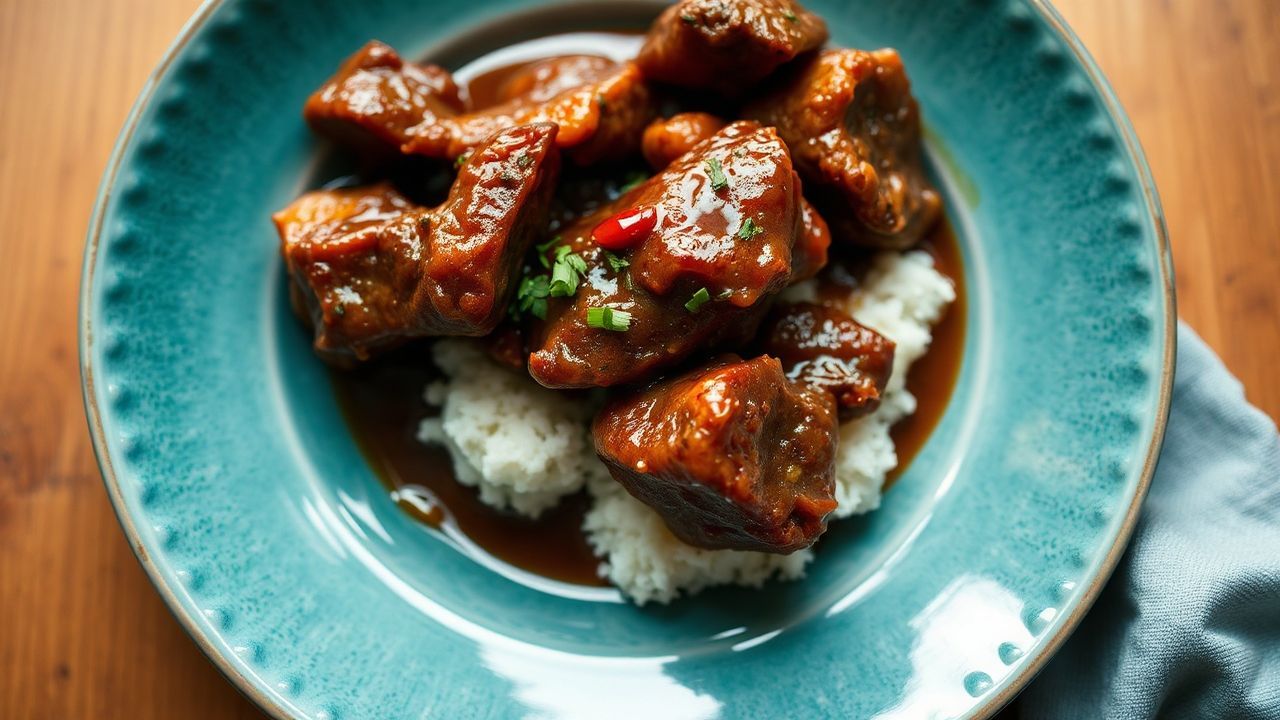
The aroma alone is a portal. It’s a rich, earthy, and deeply savory invitation that speaks of simmering pots, slow afternoons, and generations of culinary wisdom. For many, the mere mention of Jamaican oxtail conjures images of a dish so profoundly comforting, so intensely flavorful, that it transcends mere sustenance to become an experience. But what elevates a good oxtail to the *best* Jamaican oxtail recipe, one that lingers in memory and on the palate long after the last bite? It’s a question that has intrigued home cooks and seasoned chefs alike, a culinary quest for that perfect balance of rich umami, tender meat that falls off the bone, and a gravy that is both complex and soul-satisfying. This isn’t just a recipe; it’s a tradition, a celebration, and proof of the power of simple ingredients transformed through patience and skill.
- The Soul of the Caribbean on a Plate: Unpacking the Best Jamaican Oxtail
- The Cornerstone: Selecting and Preparing the Oxtail
- The Aromatic Foundation: Building Layers of Flavor
- The Slow Braise: The Heartbeat of Tenderness
- The Gravy: The Soulful Culmination
- Expert Touches: Elevating Your Best Jamaican Oxtail
- Nutritional Information (Approximate per Serving)
- Frequently Asked Questions
The best Jamaican oxtail recipe is not merely about cooking meat; it’s about coaxing out its inherent richness through time, technique, and a symphony of aromatic foundations.
This dish, often served as a Sunday dinner centerpiece or a special occasion treat, embodies the vibrant spirit of Jamaican cuisine. It’s a culinary narrative woven with influences from West African, European, and Caribbean culinary traditions, a delicious testament to the island’s rich history. The journey to mastering this iconic dish involves understanding not just the steps, but the philosophy behind them. It’s about respecting the ingredients, embracing the slow cooking process, and layering flavors with intention.
Key Takeaways:
- The foundation of exceptional Jamaican oxtail lies in the quality of the meat and the meticulous browning process.
- Patience is paramount; slow braising is non-negotiable for achieving fork-tender meat.
- Aromatic vegetables and strategic seasoning are crucial for developing the dish’s signature depth of flavor.
- The gravy is as important as the meat itself, requiring careful reduction and balance.
The Cornerstone: Selecting and Preparing the Oxtail
The journey to an unforgettable Jamaican oxtail begins at the butcher’s counter. The quality of the oxtail itself is paramount. Look for pieces that are meaty, with a good proportion of lean meat to fat and connective tissue. The connective tissues, rich in collagen, are what break down during the slow cooking process, rendering the meat incredibly tender and contributing to the luscious texture of the gravy. Ideally, the pieces should be cut into manageable chunks, typically 2-3 inches thick. Some butchers may offer pre-cut oxtail, but if you have the option, selecting larger, more substantial pieces can often yield a superior result.
Once you have your oxtail, the first critical step is thorough preparation. This involves rinsing the meat under cold water and patting it completely dry with paper towels. This drying step is crucial for achieving a proper sear. Moisture on the surface of the meat will steam rather than brown, preventing the development of those deeply flavorful Maillard reaction compounds that are the bedrock of great oxtail. Some cooks also opt to trim excess fat, though a moderate amount is beneficial for flavor and richness.
The browning process is not merely about color; it’s about building flavor. This is where much of the dish’s initial complexity is established. Using a heavy-bottomed pot or Dutch oven, heat a generous amount of cooking oil (such as vegetable or canola oil) over medium-high heat until shimmering. Working in batches to avoid overcrowding the pot—which would lead to steaming rather than searing—brown the oxtail pieces on all sides until they have a deep, rich, mahogany crust. This step requires patience; don’t rush it. The darker the brown, the deeper the flavor. Remove the browned oxtail and set it aside.
The Aromatic Foundation: Building Layers of Flavor
With the oxtail beautifully seared, the stage is set for the aromatic foundation. This is where the magic truly begins to unfold, transforming simple ingredients into a complex tapestry of taste. In the same pot, with the rendered fat from the oxtail, sauté your aromatics. The classic Jamaican oxtail profile relies on a robust trio: onions, garlic, and bell peppers. Dice a large yellow onion and add it to the pot, stirring and scraping up any browned bits from the bottom of the pot. Cook until softened and translucent, about 5-7 minutes. Then, add minced garlic and finely chopped bell peppers (typically green, but a mix of colors can add visual appeal and subtle sweetness). Cook for another 2-3 minutes until fragrant, being careful not to burn the garlic.
Beyond these staples, the true connoisseurs of Jamaican cuisine often incorporate a hint of sweetness and spice. This can be achieved through ingredients like grated fresh ginger, a touch of scotch bonnet pepper (handle with extreme care, as it is exceptionally hot, and a little goes a long way), and sometimes allspice berries. The scotch bonnet, in particular, is a hallmark of Jamaican cooking, providing a fruity heat that complements the richness of the oxtail without overpowering it. If using whole scotch bonnet, it’s often pierced or left whole to infuse its flavor gently, then removed before serving to control the heat.
The inclusion of allspice berries, also known as pimento, is a distinctly Jamaican touch. These small, dried berries lend a warm, complex flavor reminiscent of cloves, cinnamon, and nutmeg, adding an authentic depth to the dish. Research suggests the historical significance and unique aromatic profile of allspice in Caribbean culinary traditions.
The Slow Braise: The Heartbeat of Tenderness
This is where patience becomes a virtue, and the slow braise takes center stage. The oxtail, with its abundant connective tissue, requires time to break down into that signature melt-in-your-mouth tenderness. Once the aromatics are fragrant, return the browned oxtail pieces to the pot. Now, it’s time to introduce the braising liquid. Traditionally, this involves a combination of beef broth or stock and often a splash of red wine or stout beer for added depth. The liquid should come up to almost cover the oxtail.
Seasoning is paramount at this stage. Beyond salt and freshly ground black pepper, Jamaican oxtail benefits from a carefully considered blend of spices. This often includes thyme sprigs, a bay leaf, and sometimes a touch of browning sauce or soy sauce for color and umami. For a truly authentic flavor, many recipes call for a sprinkle of all-purpose seasoning and a dash of Worcestershire sauce. The key is to build the flavor profile gradually, ensuring each component contributes to the overall harmony of the dish.
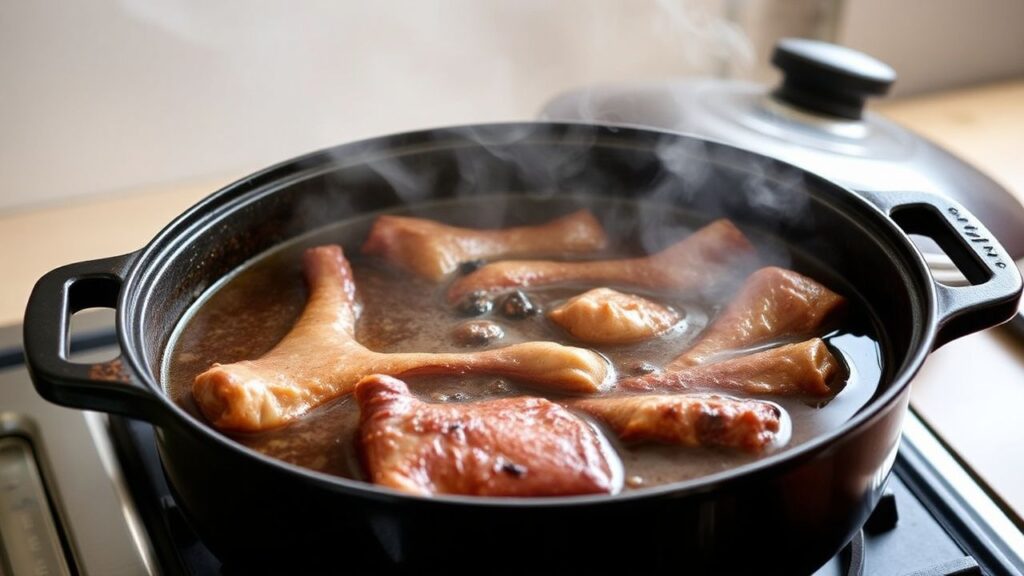
Once everything is in the pot, bring the liquid to a gentle simmer, then cover the pot tightly. The braising can be done on the stovetop over low heat or, for more consistent results and a hands-off approach, in a preheated oven at a moderate temperature, typically around 300-325°F (150-160°C). The cooking time will vary depending on the size and cut of the oxtail, but anticipate a minimum of 2.5 to 4 hours, or until the meat is exceptionally tender and easily pulls away from the bone. This slow, gentle heat is the secret to transforming tough cuts into culinary masterpieces.
The Magic of Collagen Breakdown
The transformation of oxtail from a tough cut to a tender delight is a scientific marvel of culinary art. The connective tissue in oxtail is rich in collagen. When subjected to low, slow heat over an extended period, this collagen gradually breaks down into gelatin. Gelatin is what gives the braising liquid its characteristic unctuousness and body, creating that rich, glossy gravy that is the hallmark of a perfect Jamaican oxtail. This process is also responsible for the incredibly tender texture of the meat itself, as the collagen network loosens its grip, allowing the muscle fibers to separate easily. Food science research has extensively documented the role of collagen conversion in achieving desirable meat tenderness during slow cooking methods like braising.
The Gravy: The Soulful Culmination
As the oxtail nears perfection, the focus shifts to the gravy – the rich, flavorful elixir that binds the dish together. Once the oxtail is tender, carefully remove the pieces from the pot and set them aside, keeping them warm. The braising liquid, now infused with the essence of the meat and aromatics, is the foundation for your sauce.
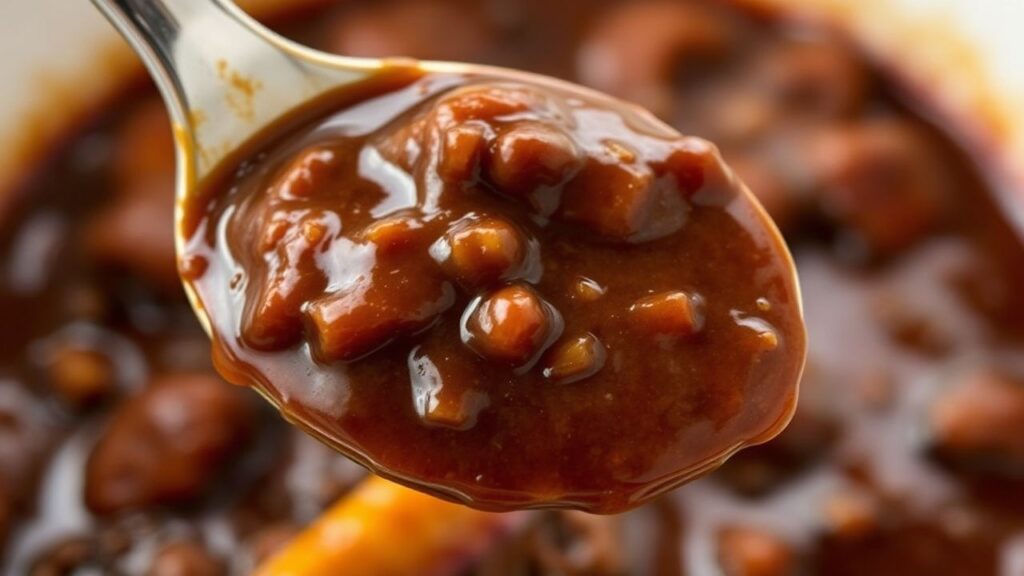
To achieve a beautifully thickened and refined gravy, strain the braising liquid through a fine-mesh sieve into a clean saucepan, discarding the solids. Skim off any excess fat from the surface. Now, you can reduce the liquid over medium heat, allowing it to simmer and thicken naturally. For a richer, more velvety texture, some chefs may create a slurry of cornstarch or flour mixed with a little cold water and whisk it into the simmering liquid until it reaches the desired consistency.
However, true mastery lies in achieving thickness through reduction and the natural gelatinization of the collagen. Season the gravy to taste, adjusting salt and pepper as needed. This is also the time to incorporate any final flavor enhancements. A common practice is to add a bit of tomato paste, sautéed separately for a minute or two to deepen its flavor, or a splash of browning sauce for that characteristic deep, dark hue and subtle caramelized note. Some recipes even call for a touch of butter whisked in at the end for extra gloss and richness. The goal is a gravy that is intensely flavorful, perfectly balanced, and has a luxurious, coating consistency.
Expert Touches: Elevating Your Best Jamaican Oxtail
Achieving an unforgettable oxtail goes beyond following a recipe; it involves understanding the nuances that distinguish good from exceptional. One of the most significant factors is the quality of the beef broth or stock. Using a homemade, deeply flavored beef stock will elevate your gravy exponentially compared to a store-bought, often less robust, version. If using store-bought, opt for low-sodium and choose one with a rich, meaty flavor profile.
Another crucial element is the strategic use of browning sauce. While not strictly traditional in every household, a good quality browning sauce, often made from caramelized sugar, adds an unparalleled depth of color and a subtle, complex sweetness that is hard to replicate. It’s used sparingly, a little goes a long way, but its impact on the final visual and flavor profile is profound.
Finally, consider the finishing touches. A sprinkle of fresh chopped parsley or scallions just before serving adds a burst of freshness and visual appeal, cutting through the richness of the dish. Some adventurous cooks even add a few drops of fresh lime juice to the finished gravy to brighten the flavors.
Serving Suggestions for the Ultimate Experience
The best Jamaican oxtail is rarely served alone. It’s a dish meant to be savored with accompaniments that can soak up its glorious gravy. Traditional pairings include:
- Rice and Peas: The quintessential Jamaican side, made with kidney beans, coconut milk, and fragrant herbs, it’s the perfect canvas for the oxtail gravy.
- White Rice: Simple, fluffy white rice is another classic choice, allowing the oxtail and its sauce to shine.
- Jamaican Bammy: A dense, cassava flatbread, perfect for sopping up every last drop of sauce.
- Steamed Cabbage or Callaloo: These provide a lighter, fresher counterpoint to the richness of the oxtail.
Nutritional Information (Approximate per Serving)
While precise nutritional values can vary based on ingredient ratios and portion sizes, a typical serving of Jamaican Oxtail (approximately 6-8 oz of meat and gravy) can be estimated as follows:
- Calories: 500-700 kcal
- Protein: 40-50g
- Fat: 30-45g (includes saturated fat)
- Carbohydrates: 10-20g (varies greatly with accompaniments)
- Cholesterol: 150-200mg
- Sodium: 400-600mg (can be higher depending on added salt and sauces)
Keep in mind that oxtail is a rich dish, high in protein and fat, particularly saturated fat due to the nature of the cut. It is also typically high in sodium, especially if using broth and added seasonings. For those monitoring their intake, enjoying this dish in moderation as part of a balanced diet is recommended.
Frequently Asked Questions
H3: Can I make Jamaican oxtail in a slow cooker or Instant Pot?
Yes, both appliances can be used to achieve tender oxtail. In a slow cooker, you’ll typically follow a similar browning and aromatic sauté process before transferring everything to the slow cooker and cooking on low for 6-8 hours or high for 3-4 hours. An Instant Pot significantly reduces cooking time, often achieving tenderness in 45-60 minutes under high pressure, followed by a natural release. However, achieving the same depth of flavor and gravy consistency might require additional steps for reduction and thickening after the pressure cooking cycle.
H3: How can I make the gravy thicker if it’s too thin?
If your gravy is too thin after braising, you can thicken it by simmering it uncovered over medium heat to allow excess liquid to evaporate. For a quicker thickening, create a slurry by mixing 1-2 tablespoons of cornstarch or all-purpose flour with an equal amount of cold water until smooth. Gradually whisk this slurry into the simmering gravy until it reaches your desired consistency. Be sure to cook the gravy for a minute or two after adding the slurry to remove any starchy taste.
H3: What is the best way to store leftover Jamaican oxtail?
Leftover Jamaican oxtail can be stored in an airtight container in the refrigerator for up to 3-4 days. The flavors often deepen and meld overnight, making leftovers even more delicious. For longer storage, you can freeze the oxtail and gravy in freezer-safe containers or bags for up to 2-3 months. Thaw in the refrigerator overnight and reheat gently on the stovetop or in the oven to maintain the best texture.
H3: Is it possible to make oxtail less spicy?
Absolutely. The heat in Jamaican oxtail often comes from scotch bonnet peppers. To make the dish less spicy, you can omit the scotch bonnet entirely, or use just a very small piece, making sure to remove it before serving. Alternatively, you can substitute a milder pepper like a bell pepper or poblano pepper for a hint of pepper flavor without the intense heat. Be mindful that the scotch bonnet also contributes a fruity note, so omitting it will slightly alter the flavor profile.
See also: best jamaican