
The Humble Sweet Potato: A Culinary Chameleon
The aroma of spices, the gentle simmer, the promise of a nourishing meal – these are the sensory cues that draw us into the heart of a comforting curry. Within the vast landscape of globally inspired cuisine, few dishes embody such effortless elegance and profound satisfaction as a well-crafted Sweet Potato Chickpea Curry. It’s a dish that transcends seasonality, offering vibrant color and robust flavor, proving that culinary mastery doesn’t always require an exhaustive list of esoteric ingredients or hours of painstaking preparation. This is where the magic of the humble sweet potato truly shines, transforming into a creamy, sweet counterpoint to the earthy depth of chickpeas and the aromatic embrace of spices.
- The Humble Sweet Potato: A Culinary Chameleon
- Unpacking the Core Components: Sweet Potato, Chickpeas, and Spice
- The Essential Recipe: A Foundation for Flavor
- Nutritional Snapshot: A Wholesome Indulgence
- Elevating Your Curry: Pro-Tips for Culinary Excellence
- Exploring Variations: A World of Flavor Possibilities
- Serving Suggestions: The Perfect Accompaniments
- Frequently Asked Questions
For many, the idea of curry conjures images of complex spice blends and time-consuming braises. However, the beauty of this particular iteration lies in its accessibility. It’s proof of how a few well-chosen ingredients, treated with respect and a touch of culinary intuition, can yield a result that is both deeply satisfying and remarkably simple to achieve. Whether you’re a seasoned home cook seeking a weeknight wonder or a novice adventurer eager to explore plant-based cooking, this guide is your trusted companion. We will explore the foundational elements that make this curry sing, variations that cater to diverse palates, and unlock the secrets to achieving restaurant-quality flavor in your own kitchen.
The true beauty of a Sweet Potato Chickpea Curry lies in its ability to deliver profound flavor and nourishment with an almost deceptive simplicity, making it a cornerstone of both comfort and conscious eating.
Unpacking the Core Components: Sweet Potato, Chickpeas, and Spice
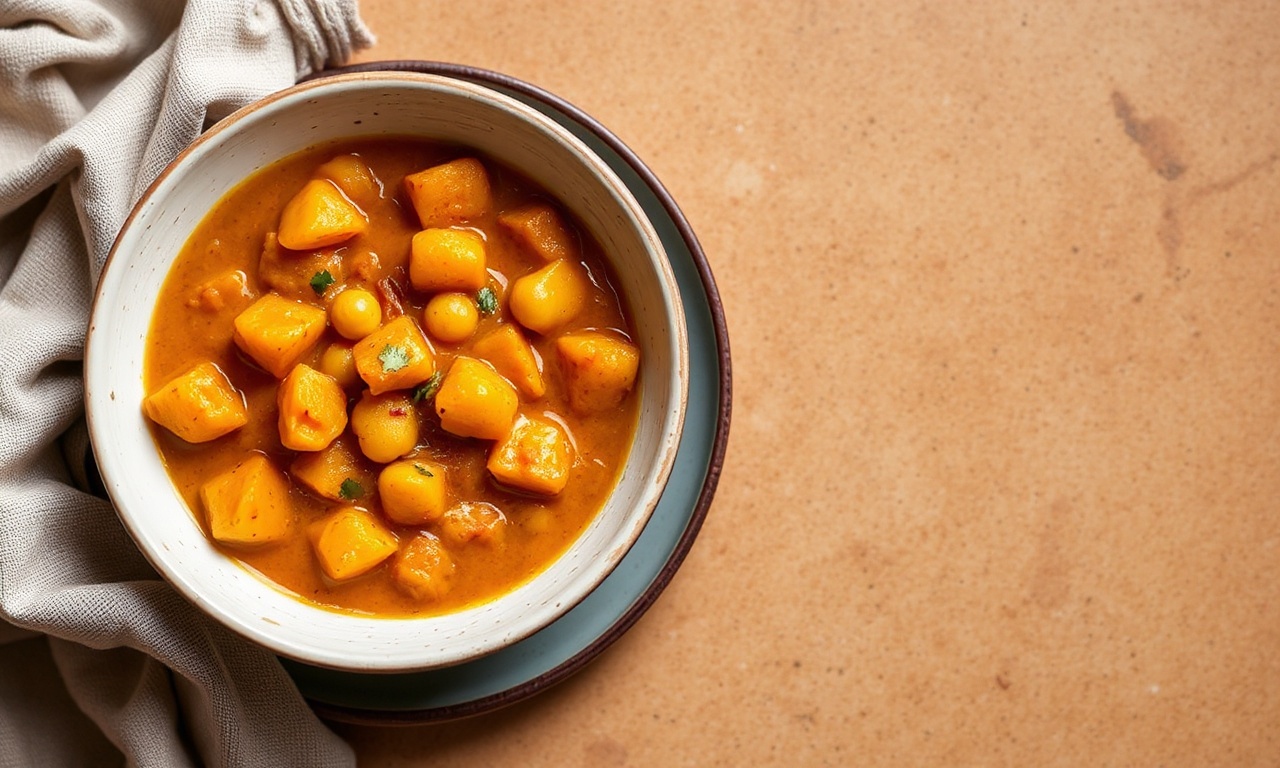
At its heart, this curry is a harmonious marriage of three key elements: the sweet potato, the chickpeas, and the spice profile. Understanding their individual contributions is crucial to appreciating the alchemy that occurs when they come together. The sweet potato, with its naturally high sugar content and creamy texture when cooked, provides a foundational sweetness and a velvety mouthfeel that balances the other ingredients. Its beta-carotene content is also noteworthy; a single medium sweet potato can provide more than 400% of your daily recommended intake of Vitamin A, according to the USDA FoodData Central database. This not only contributes to its vibrant color but also to its significant nutritional punch.
Chickpeas, often referred to as garbanzo beans, bring an essential earthiness and a satisfying, slightly nutty flavor to the dish. Their firm texture, even after simmering, offers a welcome contrast to the softness of the sweet potato. Nutritionally, chickpeas are a powerhouse of plant-based protein and fiber, contributing to the curry’s satiating qualities and making it a robust vegetarian and vegan option. Research has highlighted the role of dietary fiber from pulses like chickpeas in improving gut health and aiding in weight management.
The spice blend, however, is where the true personality of the curry emerges. While variations abound, a classic profile often includes turmeric for its earthy notes and brilliant color, ginger and garlic for their pungent aromatics, cumin for its warmth, coriander for its citrusy undertones, and often a touch of heat from chili powder or fresh chilies. The interplay of these spices transforms simple ingredients into a complex and deeply aromatic experience.
The Essential Recipe: A Foundation for Flavor
This recipe provides a solid foundation for a delicious Sweet Potato Chickpea Curry. It’s designed for ease of preparation without compromising on depth of flavor.
Ingredients:
- For the Curry Base:
- 2 tablespoons coconut oil or other neutral cooking oil
- 1 large onion, finely chopped
- 3 cloves garlic, minced
- 1 tablespoon fresh ginger, grated
- 1 teaspoon ground turmeric
- 1 teaspoon ground cumin
- 1 teaspoon ground coriander
- ½ teaspoon garam masala (optional, for added warmth)
- ¼ teaspoon cayenne pepper or red chili flakes (adjust to taste)
- 1 (14.5 ounce / 400g) can diced tomatoes, undrained
- 1 (13.5 ounce / 400ml) can full-fat coconut milk
- 1 cup (240ml) vegetable broth or water
- Salt and freshly ground black pepper to taste
- For the Curry:
- 2 medium sweet potatoes (about 1.5 lbs / 680g), peeled and cut into 1-inch cubes
- 1 (15 ounce / 425g) can chickpeas, rinsed and drained
- 1 cup (about 150g) fresh or frozen spinach (optional)
- For Garnish:
- Fresh cilantro, chopped
- Lime wedges
- Plain or coconut yogurt (optional)
Preparation Method:
- Sauté Aromatics: Heat the coconut oil in a large pot or Dutch oven over medium heat. Add the chopped onion and cook, stirring occasionally, until softened and translucent, about 5-7 minutes.
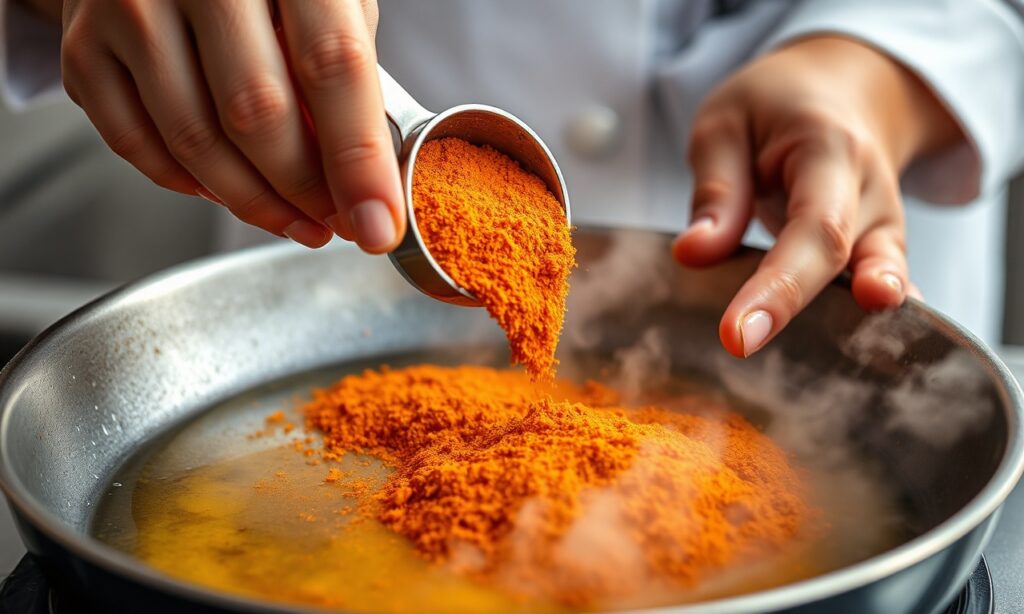
- Bloom Spices: Add the minced garlic and grated ginger to the pot. Cook for another minute until fragrant, being careful not to burn the garlic. Stir in the turmeric, cumin, coriander, garam masala (if using), and cayenne pepper. Cook, stirring constantly, for about 30-60 seconds until the spices are fragrant. This step, known as “blooming” the spices, is crucial for releasing their full flavor potential.
- Add Liquids and Tomatoes: Pour in the diced tomatoes (with their juice), coconut milk, and vegetable broth. Stir well, scraping up any browned bits from the bottom of the pot. Bring the mixture to a gentle simmer.
- Introduce Sweet Potatoes and Chickpeas: Add the cubed sweet potatoes and rinsed chickpeas to the pot. Stir to combine. Season with salt and pepper to taste.
- Simmer to Tenderness: Bring the curry back to a gentle simmer, then reduce the heat to low, cover, and cook for 20-25 minutes, or until the sweet potatoes are fork-tender. Stir occasionally to prevent sticking.
- Wilt Spinach (Optional): If using spinach, stir it into the curry during the last 5 minutes of cooking. Cook until wilted.
- Adjust and Serve: Taste the curry and adjust seasoning as needed with more salt, pepper, or a pinch of sugar if you prefer it sweeter. Serve hot, garnished with fresh cilantro and lime wedges. A dollop of yogurt can add an extra layer of creaminess.
[TIP]Expert Insight: For an even deeper flavor, consider toasting your whole spices (cumin seeds, coriander seeds) before grinding them. This simple step can elevate the aromatic complexity of your curry significantly.
Nutritional Snapshot: A Wholesome Indulgence
One of the most compelling aspects of this Sweet Potato Chickpea Curry is its impressive nutritional profile. It’s a dish that truly nourishes from the inside out, offering a balanced combination of macronutrients and micronutrients. A typical serving (approximately 1.5 cups) is a good source of:
- Calories: Around 350-450 kcal (depending on oil and coconut milk usage)
- Protein: Approximately 10-15 grams, primarily from chickpeas.
- Fiber: A substantial 10-15 grams, contributing to digestive health and satiety.
- Vitamins: Rich in Vitamin A (from sweet potatoes), Vitamin C, and B vitamins.
- Minerals: A good source of potassium, manganese, and iron.
This profile makes it an excellent choice for individuals seeking plant-based protein, those managing their carbohydrate intake (due to the fiber content), and anyone looking for a nutrient-dense meal that doesn’t feel restrictive. The healthy fats from coconut milk also contribute to the absorption of fat-soluble vitamins present in the vegetables.
Elevating Your Curry: Pro-Tips for Culinary Excellence
While the base recipe is wonderfully satisfying, a few strategic additions and techniques can transform your Sweet Potato Chickpea Curry from good to truly exceptional. These are the subtle nuances that often distinguish a home-cooked meal from a restaurant-quality experience.
One such technique involves creating a more complex aromatic base. Instead of just sautéing the onions, consider caramelizing them slowly over low heat until deeply golden brown. This process, which can take 20-30 minutes, unlocks a profound sweetness and depth of flavor that a quick sauté cannot replicate. Similarly, don’t underestimate the power of a fresh spice grind. While pre-ground spices are convenient, grinding your own cumin and coriander seeds just before use releases a far more vibrant and intense aroma.
Another impactful addition is a touch of acidity or umami towards the end of the cooking process. A squeeze of fresh lime juice right before serving brightens all the flavors and cuts through the richness. For an extra layer of umami, consider adding a tablespoon of tomato paste to the aromatics when you add the garlic and ginger, allowing it to caramelize slightly before adding the liquid ingredients. Some chefs also advocate for a small splash of soy sauce or tamari for an added savory dimension, though this should be used judiciously to avoid overpowering the other flavors.
Finally, consider the texture. If you prefer a smoother curry, you can partially blend the finished dish using an immersion blender or by carefully transferring a portion to a regular blender. This will create a creamier consistency without adding extra thickeners. Conversely, for a heartier texture, ensure your sweet potato cubes are of a uniform size so they cook evenly and hold their shape.
Exploring Variations: A World of Flavor Possibilities
The beauty of this Sweet Potato Chickpea Curry lies in its adaptability. It’s a canvas upon which you can paint with a palette of diverse flavors and ingredients. For those who crave a spicier profile, increasing the cayenne pepper or adding a finely minced jalapeño or serrano chili to the aromatic base will provide a more pronounced heat. If you enjoy a tangier curry, a tablespoon of tamarind paste added along with the tomatoes can introduce a delightful sour note.
For a richer, more decadent version, consider using a combination of coconut milk and a splash of heavy cream or cashew cream towards the end of cooking. This will lend an even more luxurious mouthfeel. If you’re looking for a lighter option, you can substitute some of the coconut milk with vegetable broth or even a plant-based milk like almond or oat milk, though this will slightly alter the creamy texture.
Vegetable additions are also incredibly versatile. Beyond spinach, consider adding florets of broccoli, cauliflower, or bell peppers during the last 10-15 minutes of simmering. Cubes of butternut squash can also be used alongside or in place of sweet potato for a slightly different sweetness and texture. For a more substantial meal, you can stir in cooked lentils or quinoa into the finished curry.
[WARNING]Pro-Caution: When experimenting with heat levels, it’s always wise to start with a smaller amount of chili and add more gradually. It’s easier to add heat than to take it away, and an overly spicy curry can mask the delicate flavors of the other ingredients.
Serving Suggestions: The Perfect Accompaniments
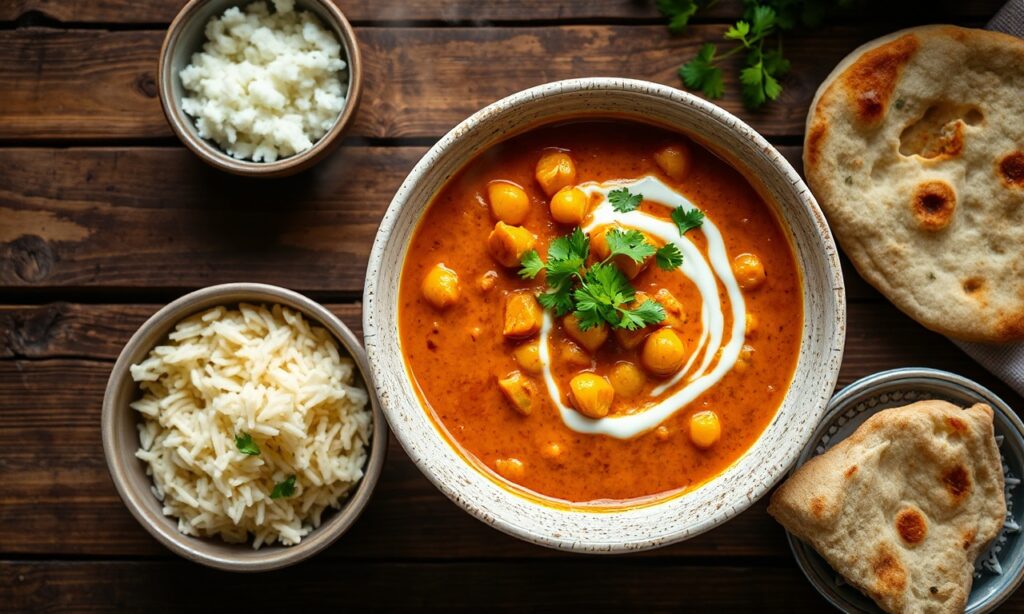
The Sweet Potato Chickpea Curry is a star on its own, but its supporting cast can elevate the entire dining experience. The most classic accompaniment is, of course, fluffy basmati rice. Its delicate aroma and neutral flavor provide the perfect bed for the rich curry. For those seeking a more interactive meal, warm naan bread or roti is an excellent choice for scooping up every last drop of the flavorful sauce.
Beyond these staples, consider a cooling raita or a simple cucumber salad to balance the warmth of the spices. Freshly chopped cilantro is almost non-negotiable as a garnish, providing a burst of herbaceous freshness. A sprinkle of toasted cashews or slivered almonds can add a delightful crunch and nutty depth. For a visually appealing presentation, arrange the curry in a beautiful serving bowl and offer lime wedges on the side, allowing each diner to customize their level of acidity.
Frequently Asked Questions
H3: Can I make Sweet Potato Chickpea Curry ahead of time?
Yes, absolutely. In fact, the flavors in Sweet Potato Chickpea Curry often meld and deepen overnight, making it even more delicious when reheated the next day. Allow it to cool completely before storing it in an airtight container in the refrigerator for up to 3-4 days. Reheat gently on the stovetop or in the microwave, adding a splash of water or broth if it seems too thick.
H3: What are the best types of sweet potatoes to use for curry?
Most varieties of sweet potatoes will work well in this curry. However, orange-fleshed varieties, such as Garnet or Jewel, are popular due to their inherent sweetness and creamy texture when cooked. Purple sweet potatoes can also be used, offering a striking visual contrast and a slightly different flavor profile. Ensure they are ripe and firm for the best results.
H3: Can I freeze Sweet Potato Chickpea Curry?
Yes, Sweet Potato Chickpea Curry freezes remarkably well. Once cooled, portion the curry into freezer-safe containers or bags. It can be stored in the freezer for up to 2-3 months. Thaw overnight in the refrigerator and reheat as usual. Keep in mind that the texture of the sweet potatoes might become slightly softer after freezing and thawing.
H3: Is Sweet Potato Chickpea Curry healthy for weight loss?
Sweet Potato Chickpea Curry can be a very healthy and satisfying meal for weight loss, primarily due to its high fiber and protein content, which promote satiety. By controlling the amount of oil and coconut milk used, and focusing on the nutrient-dense sweet potatoes and chickpeas, it can be a low-calorie, high-volume meal. However, portion control and mindful preparation are key. It’s advisable to consult with a registered dietitian or healthcare professional for personalized dietary advice.
H3: How can I make the curry thicker if it’s too watery?
If your curry is too watery, there are several ways to thicken it. You can simmer it uncovered for a longer period to allow excess liquid to evaporate. Alternatively, you can mash a few of the sweet potato cubes against the side of the pot with your spoon, which will release their starches and naturally thicken the sauce. For a quicker fix, you can create a slurry by mixing a tablespoon of cornstarch or arrowroot powder with a few tablespoons of cold water, then stirring this mixture into the simmering curry until it thickens.
See also: Sweet Potato