
Introduction: The Art of the Harmonious Bite
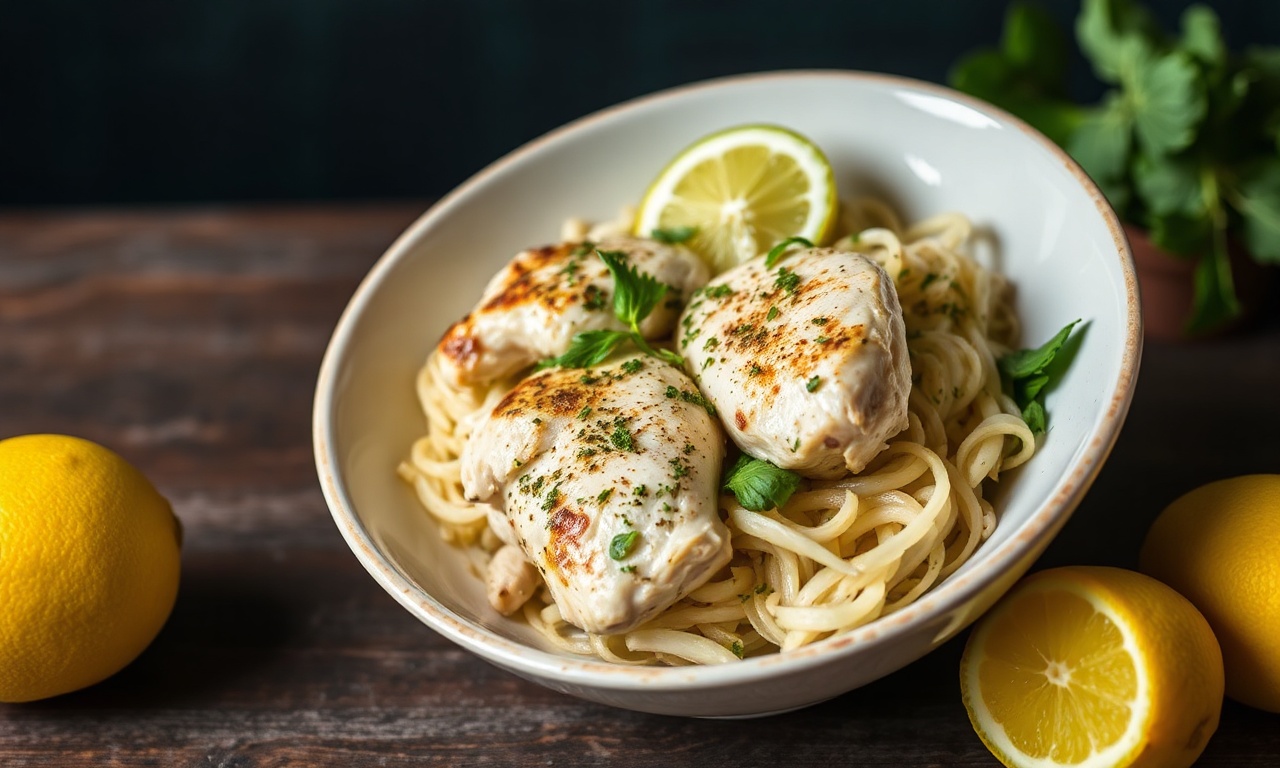
Imagine a plate that sings with a symphony of bright, zesty, and savory aromas that awaken the senses before the first bite. This is the magic of the Lemon-Herb Chicken Bowl. It’s more than just a meal; it’s an experience, proof of how expertly balanced flavors can elevate the everyday into something extraordinary. For those seeking moments of delicious clarity amidst the complexities of modern life, mastering this seemingly simple dish offers a profound sense of culinary accomplishment and a reliable path to delightful, wholesome eating. It’s a dish that, once understood, subtly reshapes your approach to weeknight dinners, elegant brunches, and even light, satisfying lunches.
- Introduction: The Art of the Harmonious Bite
- The Foundational Pillars: Understanding the Lemon-Herb Synergy
- Crafting Your Perfect Lemon-Herb Chicken Bowl: A Culinary Blueprint
- The Nutritional Landscape: Wholesome Indulgence
- Elevating Your Bowl: Expert Tips for Restaurant-Quality Results
- A Global Perspective: The Lemon-Herb Tradition
- Conclusion: The Lasting Impact of Flavor Mastery
- Frequently Asked Questions
The true power of the Lemon-Herb Chicken Bowl lies not just in its taste, but in its ability to deliver vibrant nourishment with an effortless grace, proving that complexity can emerge from profound simplicity.
This culinary creation is a canvas, proof of the power of fresh ingredients and thoughtful preparation. The humble chicken, when kissed by the bright acidity of lemon and the fragrant embrace of herbs, transforms into something succulent, deeply flavorful, and satisfyingly light. But the true genius of this bowl isn’t just about the chicken; it’s about the synergistic interplay of every component. The way tender grains absorb the herby, citrusy juices, how crisp vegetables provide textural contrast, and how a perfectly seasoned dressing ties it all together – this is where the mastery lies. Understanding these elements unlocks a new dimension in home cooking, making this dish a cornerstone for anyone seeking both flavor and well-being.
The Foundational Pillars: Understanding the Lemon-Herb Synergy
At its core, the Lemon-Herb Chicken Bowl is built upon fundamental principles of flavor pairing. Lemon, with its vibrant acidity, acts as a palate cleanser and a flavor enhancer. It cuts through richness, brightens dull notes, and adds a crucial element of freshness that prevents dishes from feeling heavy or one-dimensional. This citrus fruit has been a culinary cornerstone for centuries, celebrated not only for its taste but also for its perceived health benefits. Studies have indicated that the vitamin C content in lemon juice can support immune function, and its antioxidants may play a role in overall wellness, though it’s crucial to emphasize these are supportive, not curative, aspects.
💡 Expert Insight
Expert Insight: Don’t underestimate the power of zest. The essential oils in lemon zest are incredibly aromatic and contain concentrated flavor compounds that significantly amplify the lemon’s impact without adding extra acidity. Always zest before juicing for maximum aromatic benefit.
Herbs provide aromatic depth and complexity. A well-chosen blend can range from the peppery bite of parsley and thyme to the fragrant sweetness of basil and mint, or the pungent warmth of rosemary and oregano. The key is balance. Too much of one herb can overpower the delicate citrus notes, while too little leaves the dish feeling incomplete. The synergy between lemon and herbs is particularly potent because the acidity of the lemon helps to release and meld the volatile oils within the herbs, creating a more integrated and nuanced flavor profile. This interaction is a hallmark of many beloved cuisines, from the Mediterranean to Southeast Asia, demonstrating its universal appeal and effectiveness.
Crafting Your Perfect Lemon-Herb Chicken Bowl: A Culinary Blueprint
Mastering the Lemon-Herb Chicken Bowl requires a systematic approach, starting with the quality of your ingredients and culminating in the thoughtful assembly of the final dish. This isn’t just a recipe; it’s a philosophy for building balanced, delicious meals.
Essential Ingredients for Culinary Excellence
The foundation of any great bowl lies in selecting the finest components. For a truly exceptional Lemon-Herb Chicken Bowl, consider these elements:
- The Chicken: Opt for boneless, skinless chicken thighs or breasts. Thighs offer more moisture and flavor due to their higher fat content, making them forgiving for less experienced cooks. Breasts cook faster and are leaner. The key is to ensure they are free from excess sinew and are of uniform thickness for even cooking.
- The Citrus: Fresh lemons are non-negotiable. Look for firm, heavy fruits with smooth, bright yellow skin. Meyer lemons, a hybrid of a lemon and a mandarin orange, offer a sweeter, more floral note if available.
- The Herbs: A combination is often best. Fresh parsley and cilantro provide a bright, fresh base. Mint adds a cooling counterpoint, while dill brings a subtle, grassy sweetness. For a more robust flavor, consider adding rosemary or thyme, but use them judiciously. The freshness of herbs is paramount; wilted or bruised leaves will detract from the dish’s vibrancy.
- The Grain Base: Quinoa, farro, brown rice, or even couscous provide a hearty and nutritious foundation. Consider cooking your grains in broth rather than water for an added layer of flavor.
- The Vegetables: A colorful medley is ideal. Roasted or grilled vegetables like bell peppers, zucchini, cherry tomatoes, red onion, and broccoli florets add texture, sweetness, and essential nutrients. Raw elements like cucumber, shredded carrots, or mixed greens can provide a refreshing crunch.
- The Dressing: This is where the lemon and herbs truly shine. A simple vinaigrette made with olive oil, lemon juice, minced garlic, and a generous amount of your chosen herbs is a classic. A touch of honey or maple syrup can balance the acidity, while Dijon mustard acts as an emulsifier.
The Preparation Method: A Step-by-Step Guide to Flavor
Achieving perfection in your Lemon-Herb Chicken Bowl involves a thoughtful sequence of preparation and cooking techniques.
- Marinate the Chicken: In a bowl, combine fresh lemon juice, olive oil, minced garlic, finely chopped fresh herbs (such as parsley, thyme, and oregano), salt, and freshly ground black pepper. Add your chicken pieces and ensure they are thoroughly coated. For optimal flavor infusion, marinate for at least 30 minutes at room temperature, or up to 4 hours in the refrigerator.
- Prepare the Grains: While the chicken marinates, cook your chosen grain according to package directions. For enhanced flavor, consider using low-sodium chicken or vegetable broth instead of water. Once cooked, fluff with a fork.
- Roast or Grill the Vegetables: Toss your selected vegetables (e.g., bell peppers, zucchini, red onion, broccoli) with a drizzle of olive oil, salt, pepper, and a pinch of dried herbs. Spread them in a single layer on a baking sheet and roast in a preheated oven at 400°F (200°C) for 20-30 minutes, or until tender and slightly caramelized. Alternatively, grill them for a smoky depth.
- Cook the Chicken: Remove the chicken from the marinade, discarding excess liquid. You can grill the chicken over medium-high heat for 6-8 minutes per side, or pan-sear it in a hot skillet with a tablespoon of olive oil for 5-7 minutes per side, until cooked through and nicely browned. For breasts, be mindful of overcooking to prevent dryness. A meat thermometer should register 165°F (74°C). Let the chicken rest for 5-10 minutes before slicing.
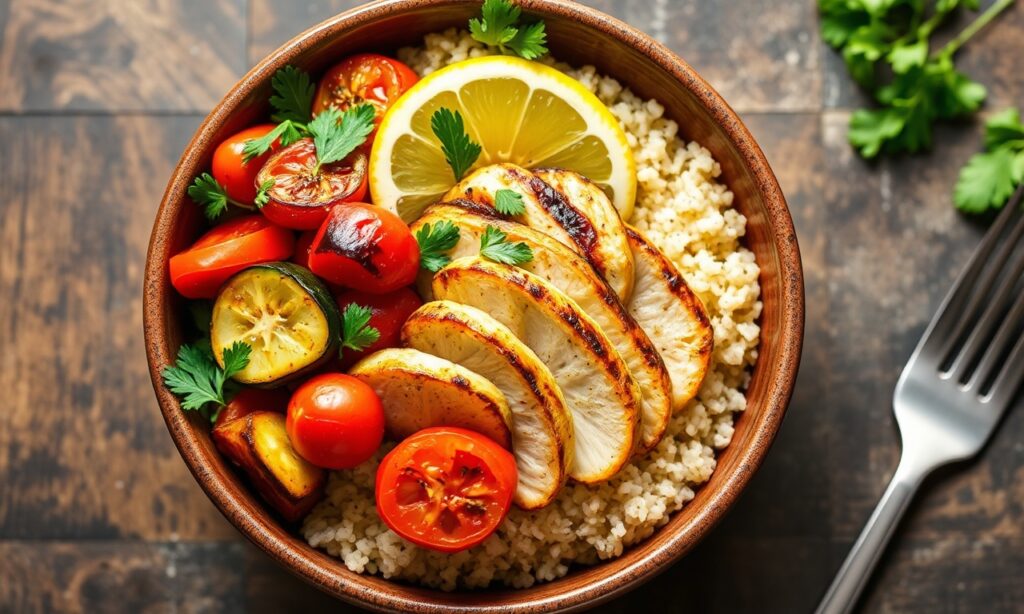
- Assemble the Bowl: In each serving bowl, start with a generous portion of your cooked grains. Arrange the sliced chicken and roasted vegetables over the grains. Add any fresh elements like cucumber slices or a handful of spinach.
- Dress and Serve: Whisk together your dressing: a base of extra virgin olive oil, fresh lemon juice, a minced clove of garlic, finely chopped fresh herbs, salt, and pepper. A touch of Dijon mustard or a drizzle of honey can be added to taste. Drizzle generously over the bowl just before serving.
The Nutritional Landscape: Wholesome Indulgence
The Lemon-Herb Chicken Bowl is a nutritional powerhouse, offering a balanced profile of macronutrients and essential micronutrients. When prepared with lean protein, whole grains, and a variety of vegetables, it stands as a beacon of healthy eating without sacrificing flavor.
A typical serving of a Lemon-Herb Chicken Bowl, depending on exact ingredients and portion sizes, can provide:
- Protein: Primarily from the chicken, essential for muscle repair and satiety. A 4-ounce serving of chicken breast can offer around 30 grams of protein.
- Complex Carbohydrates: From grains like quinoa or brown rice, these provide sustained energy and dietary fiber, crucial for digestive health. Research suggests that whole grains are linked to a reduced risk of chronic diseases.
- Healthy Fats: Olive oil in the marinade and dressing contributes monounsaturated fats, beneficial for cardiovascular health.
- Vitamins and Minerals: The combination of lemon, herbs, and a rainbow of vegetables delivers a spectrum of vitamins (such as Vitamin C, Vitamin A, and B vitamins) and minerals (like potassium, magnesium, and iron). The vibrant colors are often indicators of potent antioxidant compounds.
⚠️ Pro-Caution
Pro-Caution: While lemon and herbs contribute positively to a healthy diet, this dish should not be considered a cure or primary treatment for any medical condition. Always consult with a healthcare professional or a registered dietitian for personalized dietary advice, especially if managing chronic health issues.
The beauty of this bowl lies in its adaptability to various dietary needs. For a lower-carbohydrate option, cauliflower rice or a bed of mixed greens can substitute for grains. For a vegan variation, marinated and grilled tofu or tempeh can replace the chicken, and nutritional yeast can add a savory, cheesy note to the dressing. This inherent flexibility underscores why the Lemon-Herb Chicken Bowl is so enduringly popular and practical.
Elevating Your Bowl: Expert Tips for Restaurant-Quality Results
Moving beyond the basic recipe, several nuanced techniques can transform your Lemon-Herb Chicken Bowl from merely good to truly exceptional, rivaling dishes served in high-end establishments.
- Brining for Supreme Tenderness: For exceptionally moist chicken, especially chicken breasts, consider a brief brine. A simple brine of 1/4 cup salt and 2 tablespoons sugar dissolved in 4 cups of water, with your chicken submerged for 30-60 minutes before marinating and cooking, can make a remarkable difference. This process helps the chicken retain moisture during cooking.
- The Power of a Pan Sauce: After searing or grilling your chicken, deglaze the pan. Add a splash more lemon juice and a knob of butter or a swirl of olive oil, scraping up any browned bits from the bottom of the pan. This creates a rich, flavorful sauce that can be drizzled over the chicken and the entire bowl.
- Herbal Infusion in the Grains: Don’t stop at cooking grains in broth. Stir in a generous amount of finely chopped fresh herbs and a squeeze of lemon juice into the cooked grains while they are still warm. This allows the flavors to meld beautifully.
- Texture is Key: Incorporate a contrasting textural element. Toasted nuts (almonds, pistachios), seeds (sunflower, pumpkin), or even a sprinkle of crispy fried shallots can add a delightful crunch that elevates the overall eating experience.
- Layering Flavors in the Dressing: Beyond the basic olive oil and lemon, consider adding a whisper of a complementary flavor to your dressing. A touch of honey or maple syrup for sweetness, a dash of red pepper flakes for mild heat, or a spoonful of finely minced shallots can add layers of complexity.
💡 Expert Insight
Expert Insight: When roasting vegetables, ensure they are spaced adequately on the baking sheet. Overcrowding leads to steaming rather than roasting, preventing the desirable caramelization and tender-crisp texture that adds so much character to the bowl.
The precision in these details—the perfect sear on the chicken, the vibrant char on the vegetables, the bright, well-emulsified dressing—is what separates a competent home cook from a truly masterful one. These are the subtle refinements that demonstrate a deep understanding of flavor and technique.
A Global Perspective: The Lemon-Herb Tradition
The combination of lemon and herbs isn’t confined to any single cuisine; it’s a universal language of flavor, appearing in countless culinary traditions worldwide. In the Mediterranean, lemon and oregano are staples with grilled fish and lamb. In the Middle East, parsley, mint, and lemon form the base of vibrant salads like Tabbouleh. Italian cuisine frequently pairs lemon with basil and rosemary for chicken and pasta dishes.
This widespread adoption speaks to the fundamental appeal of this flavor pairing. It’s bright, clean, and incredibly versatile. The acidity of lemon acts as a natural tenderizer for meats and a brightener for vegetables, while the aromatic complexity of herbs adds depth and character. Research into flavor science often highlights how balanced acidity and aromatic compounds can create a more palatable and satisfying eating experience. Studies have highlighted how the interplay of sourness and aromatic compounds significantly influences consumer liking of savory dishes. The Lemon-Herb Chicken Bowl is a perfect embodiment of this principle, harmonizing these elements into a cohesive and delightful whole.
Conclusion: The Lasting Impact of Flavor Mastery
The Lemon-Herb Chicken Bowl, in its elegant simplicity, offers a profound lesson in culinary artistry. It teaches us that exceptional flavor doesn’t always require exotic ingredients or complicated techniques. Instead, it hinges on understanding fundamental flavor principles—the bright lift of citrus, the aromatic depth of herbs, the satisfying chew of grains, and the savory succulence of perfectly cooked protein.
By mastering this seemingly straightforward dish, you gain a versatile template that can be adapted endlessly to suit your palate, the seasons, and the occasion. It’s a reliable go-to for a healthy, flavorful meal that nourishes the body and delights the senses. The confidence gained from successfully executing this flavor combination will undoubtedly spill over into other culinary endeavors, empowering you to experiment with new pairings and techniques. Ultimately, the Lemon-Herb Chicken Bowl is more than just a recipe; it’s an invitation to explore the boundless potential of simple, fresh ingredients, orchestrated with skill and intention.
Frequently Asked Questions
What are the best herbs to use in a Lemon-Herb Chicken Bowl?
The “best” herbs are subjective and depend on your personal preference, but a classic and highly effective combination includes fresh parsley for brightness, dill for a subtle grassy sweetness, and a touch of thyme or oregano for earthy depth. Mint can also add a refreshing, cooling note. For a more robust flavor, a small amount of rosemary can be incorporated, but be mindful of its potent aroma. Experimenting with different herb blends is part of the joy of mastering this dish.
Can I prepare the components of the Lemon-Herb Chicken Bowl in advance?
Absolutely. This is one of the dish’s greatest advantages for meal prep. The chicken can be marinated and cooked ahead of time, then sliced. Grains can be cooked in batches. Vegetables can be roasted or grilled a day or two in advance. The dressing can also be made several days ahead and stored in an airtight container in the refrigerator. Assemble just before serving to ensure optimal freshness and texture, especially for any raw greens or crunchy elements.
How can I make the Lemon-Herb Chicken Bowl spicier?
To add a spicy kick, incorporate red pepper flakes into your chicken marinade or sprinkle them over the roasted vegetables. You can also add a finely minced jalapeño or serrano pepper to the marinade or to the dressing. For a spicier dressing, a dash of your favorite hot sauce or a pinch of cayenne pepper can be effective.
What are some good substitutes for chicken in this bowl?
For a vegetarian or vegan option, firm or extra-firm tofu, tempeh, or seitan are excellent substitutes. Marinate and pan-sear or bake them similarly to the chicken. For a pescatarian twist, grilled salmon or shrimp marinated in lemon and herbs would be delicious. White beans or chickpeas can also be added for extra plant-based protein and fiber.
How can I ensure my chicken isn’t dry?
The key to moist chicken lies in several factors: not overcooking it, using thighs (which are more forgiving), and proper marinating. If using chicken breasts, consider a brief brine (as mentioned in the expert tips) or pounding them to an even thickness before cooking. Resting the chicken for 5-10 minutes after cooking allows the juices to redistribute, ensuring tenderness.
See also: Lemon