
The Allure of Sticky Sesame Cauliflower: More Than Just an Appetizer
For years, the humble cauliflower has been relegated to the sidelines of the culinary world, often steaming blandly on dinner plates or masquerading as a reluctant substitute. Yet, in recent times, a vibrant transformation has occurred, propelled by dishes that showcase its inherent versatility and capacity for spectacular flavor. Among these culinary phoenixes, Sticky Sesame Cauliflower has emerged as a true star, capturing the palates of discerning food lovers worldwide. It’s not merely an appetizer; it’s a revelation, a perfect storm of textures and tastes that transcends its simple origins. I recall a gathering years ago, where a guest brought a plate of these glistening florets.
- The Allure of Sticky Sesame Cauliflower: More Than Just an Appetizer
- Why Sticky Sesame Cauliflower Reigns Supreme
- The Foundation: Achieving Perfect Cauliflower Texture
- Mastering the Sticky Sesame Glaze: A Symphony of Flavors
- The Art of Application: Coating the Cauliflower
- Serving and Garnishing: The Finishing Touches
- The Recipe: Sticky Sesame Cauliflower – Your Essential Guide
- Ingredients:
- Preparation Method:
- Nutritional Information (Approximate per serving, based on 4 servings):
- Expert Pro-Tips for Next-Level Sticky Sesame Cauliflower
- Frequently Asked Questions about Sticky Sesame Cauliflower
When it comes to Sticky Sesame, The immediate hush that fell over the room as people took their first bite was testament to their power. It was the kind of dish that stops conversations, that prompts immediate requests for the recipe, and that leaves an indelible mark on the memory of a meal. This dish, in its sticky, sweet, savory, and slightly spicy glory, represents a pinnacle of appetizer innovation, proving that even the most familiar ingredients can be reborn into something utterly extraordinary.
The magic of Sticky Sesame Cauliflower lies in its ability to marry comforting familiarity with an exhilarating explosion of global flavors, making it an undisputed champion of the appetizer circuit.
Why Sticky Sesame Cauliflower Reigns Supreme
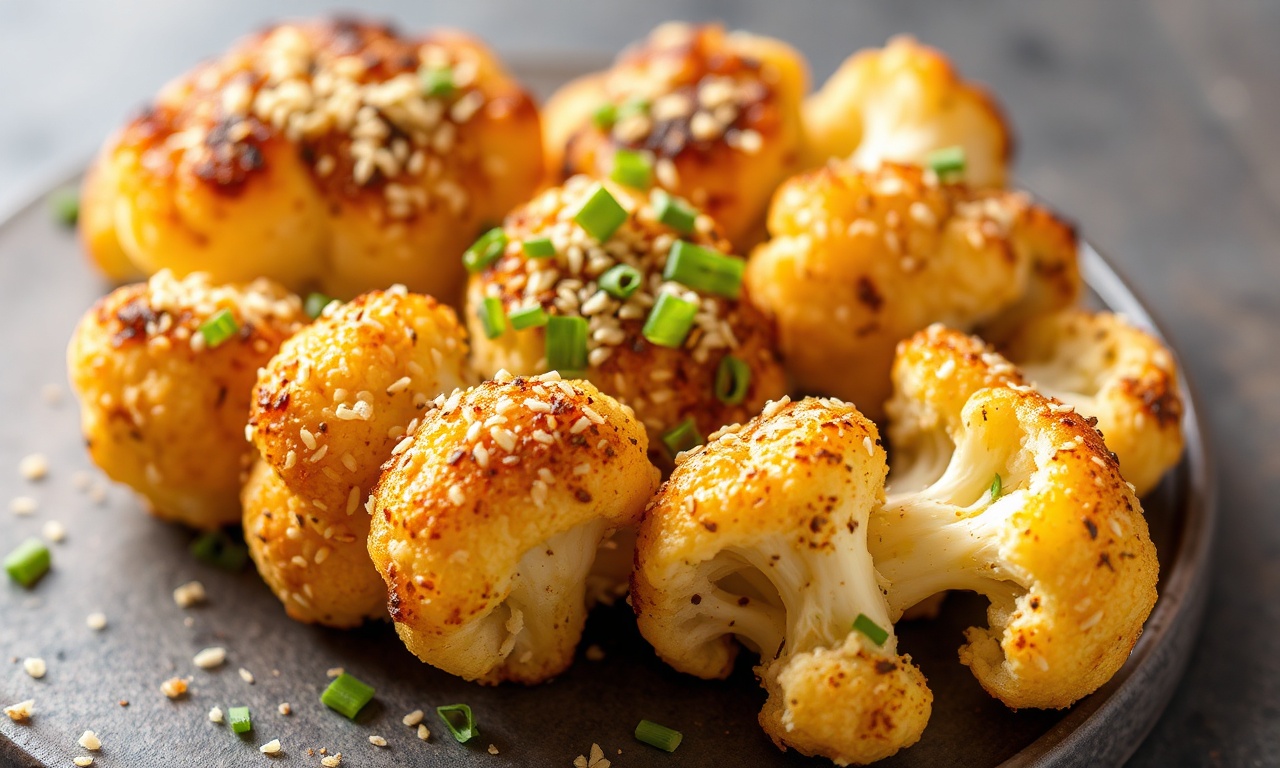
The ascendancy of Sticky Sesame Cauliflower isn’t accidental. It’s a dish that masterfully balances multiple sensory delights, hitting all the right notes for modern palates. Its appeal lies in a confluence of factors: the satisfyingly tender-yet-crisp texture of the roasted cauliflower, the addictive glaze that clings to every morsel, and the harmonious blend of sweet, savory, and subtly spicy notes. This dish taps into primal cravings for umami and a touch of sweetness, all while delivering a satisfying crunch that is inherently moreish. Furthermore, its visual appeal is undeniable; the deep amber glaze, flecked with toasted sesame seeds and verdant scallions, is a feast for the eyes before it even reaches the mouth.
In the context of Sticky Sesame, It’s a dish that speaks to a globalized palate, drawing inspiration from Asian cuisines but presenting it in an accessible, universally beloved format. The sheer adaptability of the dish, allowing for variations in spice levels and accompanying garnishes, further solidifies its status as a crowd-pleaser.
Research consistently highlights consumer demand for appetizers offering complex flavor profiles and textural contrasts, a niche that Sticky Sesame Cauliflower fills perfectly. Studies also indicate a strong consumer preference for dishes that combine sweet and savory elements, often found in popular global street foods, which this dish emulates.
The Foundation: Achieving Perfect Cauliflower Texture
Around Sticky Sesame, Before the glaze can work its magic, the cauliflower itself must be prepared to perfection. The goal is a tender interior with delightfully crisp, caramelized edges – a textural duality that is critical to the dish’s success. Overcooked, mushy cauliflower is the enemy of a great appetizer, while undercooked florets can be unpleasantly crunchy. The method of preparation is paramount. While frying can yield a crispy exterior, it’s often messy and less healthy. Roasting, on the other hand, offers a more controlled and equally satisfying outcome, allowing the natural sugars in the cauliflower to caramelize beautifully in the oven’s dry heat.
Regarding Sticky Sesame, The key to achieving this superior texture lies in a few crucial steps: ensuring the florets are uniformly sized, not overcrowding the baking sheet, and roasting at a sufficiently high temperature.
When it comes to Sticky Sesame, The temptation to rush the roasting process is a common pitfall. Patience here is rewarded exponentially, as adequate time at the right temperature allows for deep caramelization, which unlocks much of the cauliflower’s inherent sweetness and nutty flavor.
In the context of Sticky Sesame, 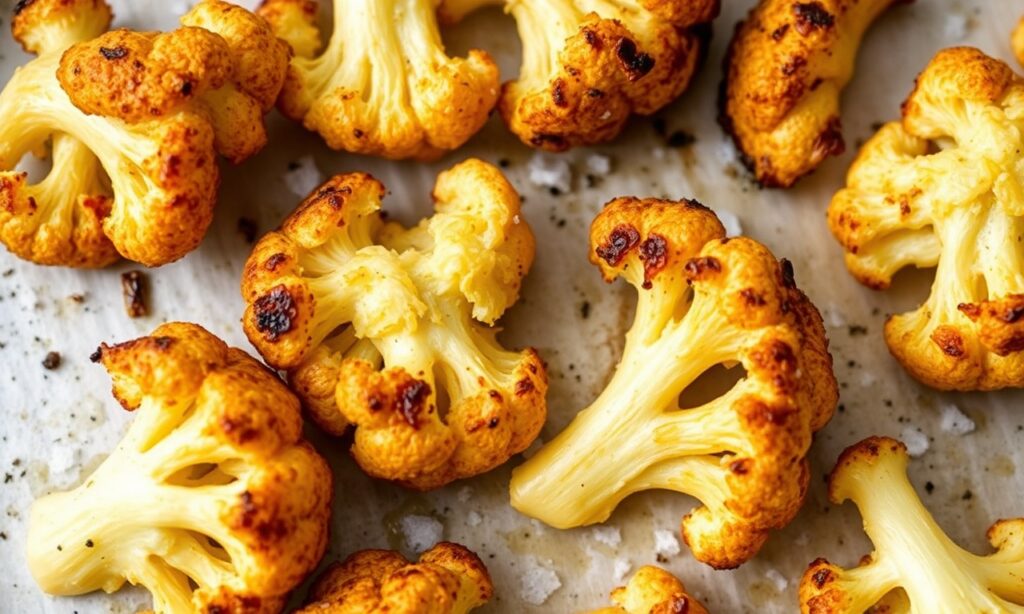
Mastering the Sticky Sesame Glaze: A Symphony of Flavors
The soul of Sticky Sesame Cauliflower resides in its eponymous glaze. This is where culinary alchemy happens, transforming simple ingredients into a sticky, glossy coating that is utterly irresistible. The perfect glaze strikes a delicate balance between sweetness, savoriness, and a hint of tang, with the nutty notes of sesame oil and toasted sesame seeds providing a foundational depth. The fundamental components typically include soy sauce or tamari for umami, honey or maple syrup for sweetness and stickiness, rice vinegar for acidity, and sesame oil for its distinct aroma and flavor. Garlic and ginger are often included to add a pungent, aromatic layer.
Around Sticky Sesame, The technique for creating the glaze is as important as the ingredients themselves; it needs to be cooked down to a syrupy consistency that will coat the cauliflower without becoming overly thick or burnt.
Regarding Sticky Sesame, The art of the glaze is in its reduction. Too little time, and it’s watery; too much, and it hardens unpleasantly. It requires constant attention, a gentle simmer, and a watchful eye to achieve that perfect, clinging texture.
Essential Glaze Components:
- Soy Sauce/Tamari: Provides the salty, umami backbone. Use tamari for a gluten-free option.
- Honey/Maple Syrup: Contributes sweetness and is crucial for achieving that signature sticky consistency.
- Rice Vinegar: Adds a bright, tangy counterpoint to the sweetness and richness.
- Sesame Oil: The star ingredient, lending its distinctive nutty aroma and flavor. Toasted sesame oil is preferred for a more intense taste.
- Garlic and Ginger: Freshly minced, these aromatics build complex flavor layers.
- Cornstarch (Optional): A small amount can be used to thicken the glaze if it’s too thin, ensuring it adheres beautifully to the cauliflower.
The Art of Application: Coating the Cauliflower
When it comes to Sticky Sesame, Once the cauliflower is roasted and the glaze is perfectly rendered, the final step is to bring them together. This is where the “sticky” truly comes to life. The cauliflower florets should be gently tossed in the warm glaze, ensuring each piece is thoroughly coated. It’s crucial to do this while both the cauliflower and the glaze are still warm, as this allows the glaze to adhere most effectively. Over-mixing or being too aggressive can break apart the tender florets, so a gentle folding motion with a spatula or large spoon is recommended. The immediate visual reward is a cascade of glistening florets, promising a burst of flavor with every bite.
Many home cooks err by adding the glaze to cool cauliflower, resulting in a watery sauce that slides off. The residual heat of both components is your best friend here, creating a truly cohesive and delicious coating.
Serving and Garnishing: The Finishing Touches
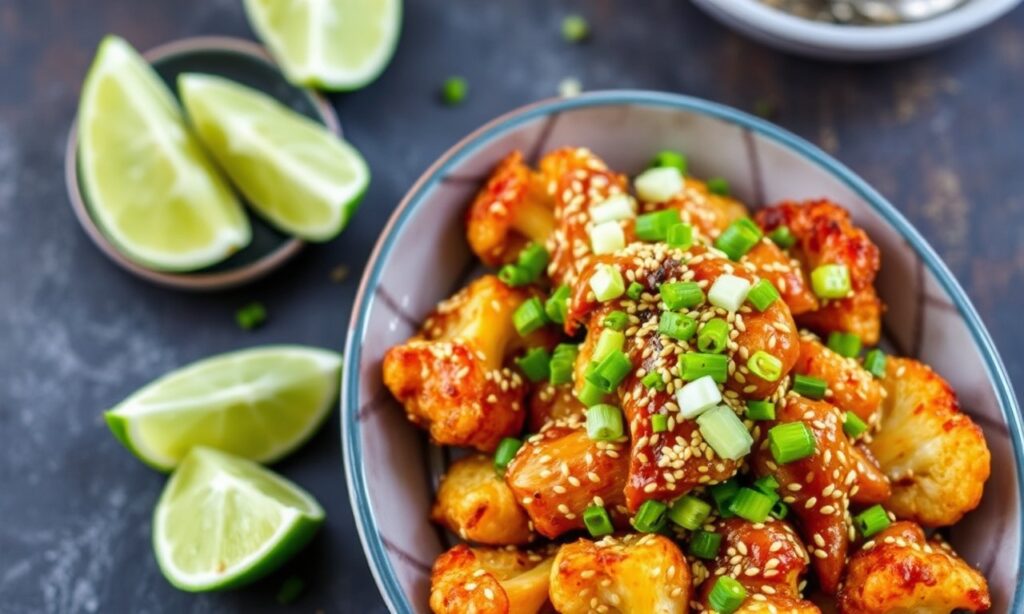
The final flourish for Sticky Sesame Cauliflower comes in the form of garnishes. These aren’t just for show; they add crucial contrasting flavors and textures that elevate the dish from delicious to extraordinary. Toasted sesame seeds are, of course, non-negotiable, providing an extra layer of nutty crunch and visual appeal. Freshly chopped scallions (green onions) offer a bright, oniony bite that cuts through the richness of the glaze. For those who enjoy a bit of heat, a sprinkle of red pepper flakes or a drizzle of sriracha can be added.
Some chefs also like to add a touch of fresh cilantro for an herbaceous note, or even a squeeze of fresh lime juice just before serving for an extra pop of acidity. The presentation should be as appealing as the taste, with the florets arranged attractively on a serving platter.
Garnishing Ideas:
- Toasted Sesame Seeds: Essential for flavor and texture.
- Freshly Chopped Scallions: Adds a fresh, pungent counterpoint.
- Red Pepper Flakes: For a touch of heat and visual contrast.
- Fresh Cilantro: Offers an herbaceous, refreshing element.
- Lime Wedges: For a bright, acidic finish.
The Recipe: Sticky Sesame Cauliflower – Your Essential Guide
This recipe aims to deliver restaurant-quality Sticky Sesame Cauliflower in your own kitchen. It emphasizes the techniques and ingredient ratios that have been proven to yield the most satisfying results, ensuring a perfect balance of tender-crisp cauliflower and a rich, flavorful glaze.
Ingredients:
For the Cauliflower:
- 1 large head of cauliflower (about 2 lbs or 900g), cut into bite-sized florets
- 2 tablespoons olive oil
- ½ teaspoon salt
- ¼ teaspoon black pepper
For the Sticky Sesame Glaze:
- ¼ cup soy sauce (or tamari for gluten-free)
- 3 tablespoons honey (or maple syrup for vegan)
- 2 tablespoons rice vinegar
- 1 tablespoon toasted sesame oil
- 2 cloves garlic, minced
- 1 teaspoon grated fresh ginger
- 1 teaspoon cornstarch (optional, for thickening)
- 2 tablespoons water (if using cornstarch)
For Garnish:
- 2 tablespoons toasted sesame seeds
- 2 green onions (scallions), thinly sliced
- Red pepper flakes (optional, to taste)
Preparation Method:
- Preheat Oven & Prepare Baking Sheet: Preheat your oven to 400°F (200°C). Line a large baking sheet with parchment paper for easy cleanup.
- Prepare Cauliflower: Wash and thoroughly dry the cauliflower florets. Ensure they are as dry as possible, as excess moisture can steam the cauliflower rather than roast it, hindering crispiness.
- Season Cauliflower: In a large bowl, toss the cauliflower florets with olive oil, salt, and black pepper until evenly coated.
- Roast Cauliflower: Spread the seasoned cauliflower in a single layer on the prepared baking sheet. Avoid overcrowding the pan; if necessary, use two baking sheets to ensure proper air circulation, which is crucial for achieving crispy edges. Roast for 20-25 minutes, or until the cauliflower is tender and the edges are nicely caramelized and slightly browned.
- Prepare the Glaze: While the cauliflower is roasting, prepare the glaze. In a small saucepan, combine the soy sauce, honey (or maple syrup), rice vinegar, toasted sesame oil, minced garlic, and grated ginger.
- Simmer the Glaze: Place the saucepan over medium heat. Bring the mixture to a gentle simmer, stirring occasionally. Let it simmer for 3-5 minutes, allowing the flavors to meld and the sauce to slightly reduce.
- Thicken Glaze (Optional): If you prefer a thicker, more syrupy glaze, whisk together the cornstarch and water in a small bowl until smooth. Pour this slurry into the simmering glaze, whisking constantly. Continue to simmer and whisk for another 1-2 minutes until the glaze thickens to your desired consistency. Be careful not to overcook, as it can burn.
- Combine Cauliflower and Glaze: Once the cauliflower is roasted and the glaze is ready, remove the cauliflower from the oven. Carefully transfer the roasted florets back into the large bowl (or a clean, large bowl). Pour the warm glaze over the cauliflower.
- Toss Gently: Using a spatula or large spoon, gently toss the cauliflower florets to ensure each piece is evenly coated in the sticky glaze. Work quickly but carefully to avoid breaking up the tender florets.
- Garnish and Serve: Transfer the glazed cauliflower to a serving platter. Sprinkle generously with toasted sesame seeds and thinly sliced green onions. Add red pepper flakes if desired for a touch of heat. Serve immediately while warm.
Nutritional Information (Approximate per serving, based on 4 servings):
This is an approximate breakdown and can vary based on exact ingredient quantities and brands used.
| Nutrient | Amount |
|---|---|
| Calories | 250-300 kcal |
| Total Fat | 10-15g |
| Saturated Fat | 1-2g |
| Cholesterol | 0-5mg |
| Sodium | 700-900mg (can be reduced with lower-sodium soy sauce) |
| Total Carbohydrates | 35-45g |
| Dietary Fiber | 5-7g |
| Sugars | 20-25g (primarily from honey/maple syrup) |
| Protein | 5-7g |
| Vitamin C | ~70% DV |
| Vitamin K | ~20% DV |
Note: This information is for guidance only. For precise nutritional data, consult a registered dietitian or use a reliable nutritional calculator with your specific ingredients.
Expert Pro-Tips for Next-Level Sticky Sesame Cauliflower
Elevating Sticky Sesame Cauliflower from a good dish to a truly exceptional one involves a few insider techniques and considerations that seasoned chefs employ. These aren’t complicated, but they make a significant difference in the final outcome, ensuring your appetizer is met with rave reviews.
The balance of sugars and acids in the glaze is key to maintaining a pleasant chewiness once cooled. Using a combination of honey or maple syrup for sweetness and stickiness, along with rice vinegar for acidity, helps prevent the glaze from hardening into brittle candy. If your glaze seems too thin, a judicious use of cornstarch, as detailed in the recipe, is effective for thickening. However, avoid over-thickening to prevent a gummy texture. Always opt for toasted sesame oil; the un-toasted variety has a much milder flavor and won’t impart the characteristic nutty depth that defines this dish.
To achieve a more even coating and a thicker, more integrated glaze, consider returning the cauliflower to a warmed, empty pan after roasting and then adding the glaze to the pan, tossing the cauliflower in the residual heat. Don’t hesitate to experiment with aromatics; while garlic and ginger are standard, finely minced shallot can add subtle sweetness and complexity. A very light dusting of flaky sea salt just before serving can provide delightful little bursts of salinity that enhance all the other flavors.
Frequently Asked Questions about Sticky Sesame Cauliflower
Is it possible to make Sticky Sesame Cauliflower ahead of time?
While Sticky Sesame Cauliflower is best served immediately after preparation to maintain optimal texture and crispness, you can make certain components ahead. The cauliflower can be roasted up to a few hours in advance and kept at room temperature. The glaze can also be prepared and stored in an airtight container in the refrigerator; gently reheat it on the stovetop before tossing with the cauliflower. However, be aware that the cauliflower will lose some of its crispness if pre-roasted and held for extended periods. For the absolute best results, roast and glaze just before serving.
Can I make this dish vegan or gluten-free?
Yes, absolutely! To make this dish vegan, simply substitute the honey in the glaze with maple syrup or agave nectar. For a gluten-free version, use tamari instead of soy sauce. Ensure all other ingredients, including any spice blends you might use, are certified gluten-free. The core components of the dish lend themselves very well to these dietary modifications without significant loss of flavor or texture.
What if I don’t have rice vinegar?
If rice vinegar is unavailable, you can substitute it with another mild vinegar such as white wine vinegar or apple cider vinegar. Use the same quantity. While the flavor profile might be slightly different, it will still provide the necessary acidity to balance the sweetness of the glaze. Avoid strong vinegars like balsamic or red wine vinegar, as they will overpower the delicate flavors of the dish.
How can I make the cauliflower crispier?
To achieve maximum crispiness, ensure your cauliflower florets are very dry before roasting. Don’t overcrowd the baking sheet, allowing air to circulate around each floret. Roasting at a high temperature (400-425°F or 200-220°C) is crucial for caramelization. Some chefs also advocate for a light dusting of flour or cornstarch on the cauliflower before roasting, which helps create a crispier exterior that holds the glaze better. The two-stage roasting method mentioned in the expert tips is often the most effective for superior crispness.
See also: Sticky Sesame