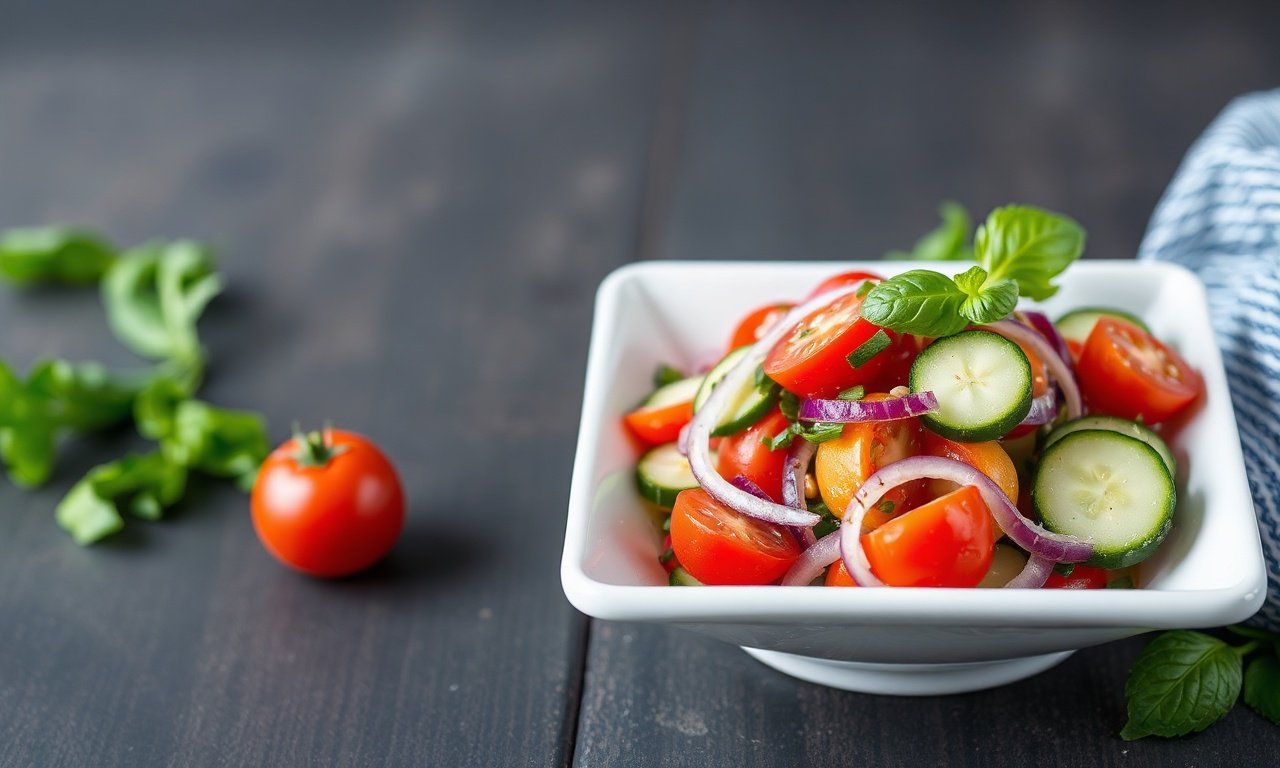

Have you ever craved a dish that is not only a symphony of fresh, vibrant flavors but also proof of culinary simplicity and profound nutritional benefits? The humble Mediterranean Salad, often a star of summer gatherings and a symbol of healthy eating, is far more than just a side dish. It’s a cornerstone of cuisines that have nourished populations for millennia, embodying a philosophy of fresh ingredients, minimal processing, and a celebration of natural taste. This isn’t just about combining a few vegetables; it’s about understanding the alchemy of perfectly ripe produce, the subtle interplay of acidity and fat, and the inherent goodness that makes this salad a perennial favorite.
- The Enduring Appeal of Mediterranean Salad
- Deconstructing the Classic Mediterranean Salad: Key Ingredients and Their Roles
- Cucumbers: The Cool Foundation
- Tomatoes: The Burst of Sweetness and Acidity
- Onions: The Pungent Zing
- Bell Peppers: The Sweet Crispness
- Olives: The Salty, Briny Kick
- Feta Cheese: The Tangy Creaminess
- The Perfect Vinaigrette: Harmonizing Flavors
- Extra Virgin Olive Oil: The Golden Elixir
- Lemon Juice or Red Wine Vinegar: The Tangy Brightness
- Herbs and Seasonings: The Aromatic Accents
- The Art of Preparation: A Step-by-Step Guide to Mediterranean Salad Perfection
- Nutritional Insights: More Than Just a Salad
- Macronutrient Breakdown (Approximate per serving, assuming 4 servings):
- Key Micronutrients and Antioxidants:
- Expert Tips for Elevating Your Mediterranean Salad
- Mediterranean Salad: A Global Icon of Health and Taste
- Frequently Asked Questions
- What makes this Mediterranean Salad recipe so reliable?
- Can I make Mediterranean Salad ahead of time?
- What are the best vegetables to include in a Mediterranean Salad?
- How can I make my Mediterranean Salad more substantial for a meal?
- Are there any specific types of onions or tomatoes that are best for this salad?
The true magic of a Mediterranean Salad lies not in complex techniques, but in the reverence for peak-season ingredients and the harmonious balance of simple, wholesome components.
This salad, at its core, is a celebration of the Mediterranean diet, a dietary pattern recognized globally for its health-promoting qualities. Research consistently highlights the benefits associated with this way of eating, with studies showing a significant reduction in cardiovascular events among participants adhering to a Mediterranean diet supplemented with olive oil and nuts. The very ingredients that form the backbone of this salad – cucumbers, tomatoes, onions, and often bell peppers, olives, and feta cheese – are packed with vitamins, minerals, antioxidants, and healthy fats. This makes the Mediterranean Salad not just a culinary delight, but a powerhouse of wellness, offering a delicious path towards a more vibrant and healthier lifestyle.
When it comes to Mediterranean Salad, Its reliability stems from its inherent nutritional density and its ability to satisfy without overwhelming, a rare feat in the modern culinary landscape.
The Enduring Appeal of Mediterranean Salad
The enduring appeal of the Mediterranean Salad is multifaceted, reaching far beyond its immediate taste and appearance. It represents a lifestyle – one of freshness, community, and a deep connection to the earth’s bounty. Historically, the ingredients have been staples in regions bordering the Mediterranean Sea for centuries, cultivated and consumed in their natural state. This tradition has cemented its place in the culinary identity of countries like Greece, Italy, and parts of North Africa. The simplicity of its preparation means that its essence is preserved, allowing the natural flavors of the produce to shine through.
Mediterranean salad — Wikipedia
In an era where processed foods often dominate, the Mediterranean Salad stands as a beacon of authentic, unprocessed nourishment, offering a refreshing counterpoint to the complexities of modern dining.
In the context of Mediterranean Salad, The reliability of this salad is rooted in its versatility and its consistent ability to deliver satisfaction. Whether served as a light lunch, a vibrant accompaniment to grilled meats or fish, or as a central part of a mezze platter, it never fails to impress. Its components are readily available in most markets, and its preparation requires no specialized equipment or advanced culinary skills. This accessibility, combined with its universal appeal, makes it a go-to option for home cooks and professional chefs alike. It’s a dish that can be adapted to personal preferences, yet its core identity remains intact, making it a truly dependable recipe.
Deconstructing the Classic Mediterranean Salad: Key Ingredients and Their Roles
At the heart of any exemplary Mediterranean Salad are its foundational elements, each contributing a distinct texture, flavor, and nutritional profile. Understanding these components is key to appreciating the salad’s overall brilliance.
Cucumbers: The Cool Foundation
Around Mediterranean Salad, Cucumbers are the refreshing backbone of the salad, providing a crisp, watery crunch that balances the other, more assertive ingredients. Primarily composed of water (about 95%), they are incredibly hydrating and low in calories, making them an ideal base for a health-conscious dish. Their mild flavor acts as a neutral canvas, allowing the vinaigrette and other vegetables to take center stage. For the best texture, it’s often recommended to use English cucumbers or Persian cucumbers, which have thinner skins and fewer seeds, requiring less prep.
Tomatoes: The Burst of Sweetness and Acidity
Tomatoes bring a vital sweetness and a pleasant tang to the salad, their juicy interiors adding moisture and a burst of flavor with every bite. Ripe, in-season tomatoes are paramount; their depth of flavor is unparalleled. Varieties like Roma, cherry, or heirloom tomatoes all lend themselves well to this salad, each offering a slightly different balance of sweetness and acidity. Tomatoes are rich in lycopene, a powerful antioxidant known for its health benefits.
Onions: The Pungent Zing
The inclusion of onions, typically red or white, adds a sharp, pungent note that cuts through the richness and sweetness of other ingredients, providing a crucial layer of complexity. Red onions, with their milder, sweeter profile and vibrant color, are often preferred. To temper their raw bite, slicing them thinly and soaking them in cold water for a few minutes, or even briefly marinating them in lemon juice or vinegar, can soften their intensity while retaining their essential character. Onions are also a good source of flavonoids and sulfur compounds, contributing to their perceived health benefits.
Bell Peppers: The Sweet Crispness
While not always present in the most minimalist versions, bell peppers – especially red, yellow, or orange varieties – introduce another layer of sweetness and a satisfying crunch. Their vibrant colors enhance the visual appeal of the salad, making it even more inviting. Like tomatoes, they are rich in Vitamin C and other antioxidants.
Olives: The Salty, Briny Kick
Kalamata or other Mediterranean-style olives are indispensable for many, providing a briny, salty counterpoint that elevates the entire flavor profile. Their distinct, robust flavor adds depth and a touch of Mediterranean authenticity.
Feta Cheese: The Tangy Creaminess
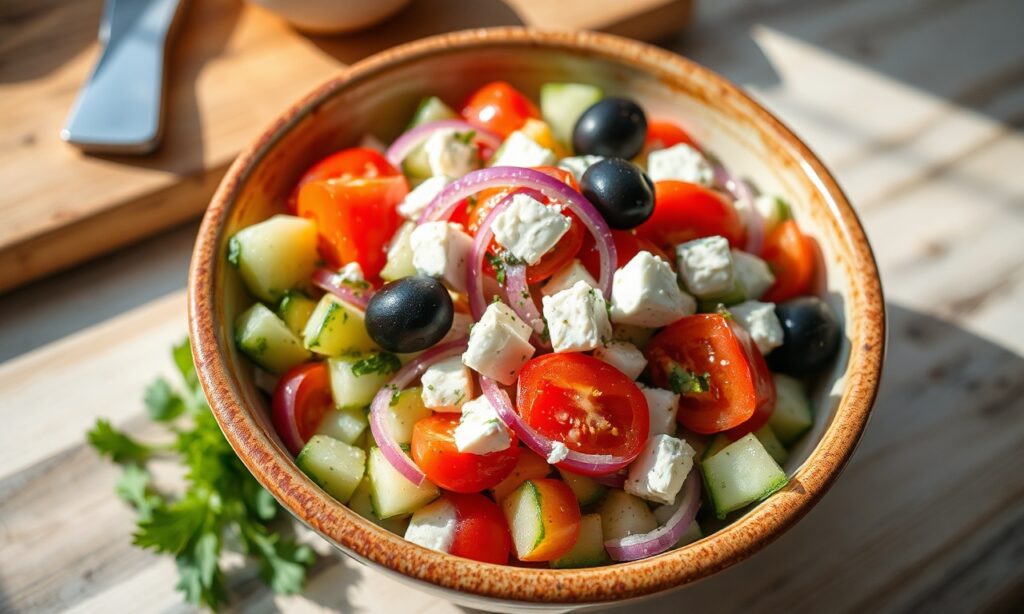
Crumbled feta cheese, with its distinct salty tang and creamy texture, is a classic addition that binds the flavors together beautifully. It offers a delightful contrast to the crisp vegetables and adds a satisfying richness. Opting for high-quality block feta and crumbling it yourself will yield a superior taste and texture compared to pre-crumbled varieties.
The Perfect Vinaigrette: Harmonizing Flavors
No Mediterranean Salad is complete without a well-balanced vinaigrette. This dressing is the unifying force, bringing together the diverse flavors and textures of the salad into a cohesive and delightful whole. The classic Mediterranean vinaigrette is deceptively simple, relying on high-quality ingredients to create maximum impact.
Extra Virgin Olive Oil: The Golden Elixir
The cornerstone of any Mediterranean dressing is extra virgin olive oil. Its fruity, sometimes peppery notes are essential to the authentic flavor. Opt for a high-quality, robust extra virgin olive oil for the best results. It’s not just about flavor; olive oil is a source of monounsaturated fats, which are beneficial for heart health.
Lemon Juice or Red Wine Vinegar: The Tangy Brightness
Acidity is crucial for balancing the richness of the olive oil and the sweetness of the vegetables. Freshly squeezed lemon juice offers a bright, zesty flavor, while red wine vinegar provides a deeper, more robust tang. A combination of both can also be incredibly effective.
Herbs and Seasonings: The Aromatic Accents
Fresh or dried herbs such as oregano, parsley, mint, or dill add aromatic complexity. A pinch of salt and freshly ground black pepper are essential for seasoning. Some variations might include a touch of garlic, Dijon mustard, or a hint of honey for added depth.
The Art of Preparation: A Step-by-Step Guide to Mediterranean Salad Perfection
Creating a truly exceptional Mediterranean Salad is an exercise in mindful preparation. While the ingredients are simple, the technique and attention to detail can elevate it from good to extraordinary.
- Ingredient Selection: Start by choosing the freshest, ripest produce available. This is the most critical step. Look for firm cucumbers with smooth, unblemished skin, vibrant, deeply colored tomatoes, and crisp onions.
- Washing and Drying: Thoroughly wash all vegetables under cool running water. It’s crucial to dry them completely, especially the cucumbers and tomatoes, as excess water can dilute the vinaigrette and make the salad soggy. A salad spinner is an invaluable tool for this.
- Chopping Technique: Aim for consistent, bite-sized pieces. This ensures that each forkful contains a balanced mix of flavors and textures. Cut the cucumbers into half-moons or cubes, tomatoes into wedges or chunks, and onions into thin slices or finely diced. If using bell peppers, dice them uniformly.
- Preparing the Onions: If you find raw onion too sharp, slice them thinly and soak them in a bowl of ice water for 10-15 minutes. This process significantly mellows their pungency. Drain them thoroughly before adding to the salad.
- Making the Vinaigrette: In a small bowl or jar, whisk together the extra virgin olive oil, lemon juice or red wine vinegar, dried oregano, salt, and freshly ground black pepper. Taste and adjust seasoning as needed. For a richer emulsion, you can add a teaspoon of Dijon mustard.
- Assembly: In a large mixing bowl, combine the chopped cucumbers, tomatoes, onions, and bell peppers (if using). Add the olives and crumbled feta cheese.
- Dressing the Salad: Pour the vinaigrette over the salad. Gently toss to ensure all ingredients are evenly coated. Be careful not to over-toss, which can bruise the delicate ingredients.
- Resting (Optional but Recommended): For the flavors to meld beautifully, allow the salad to sit for at least 15-30 minutes at room temperature before serving. This allows the vegetables to absorb some of the dressing’s flavor.
Nutritional Insights: More Than Just a Salad
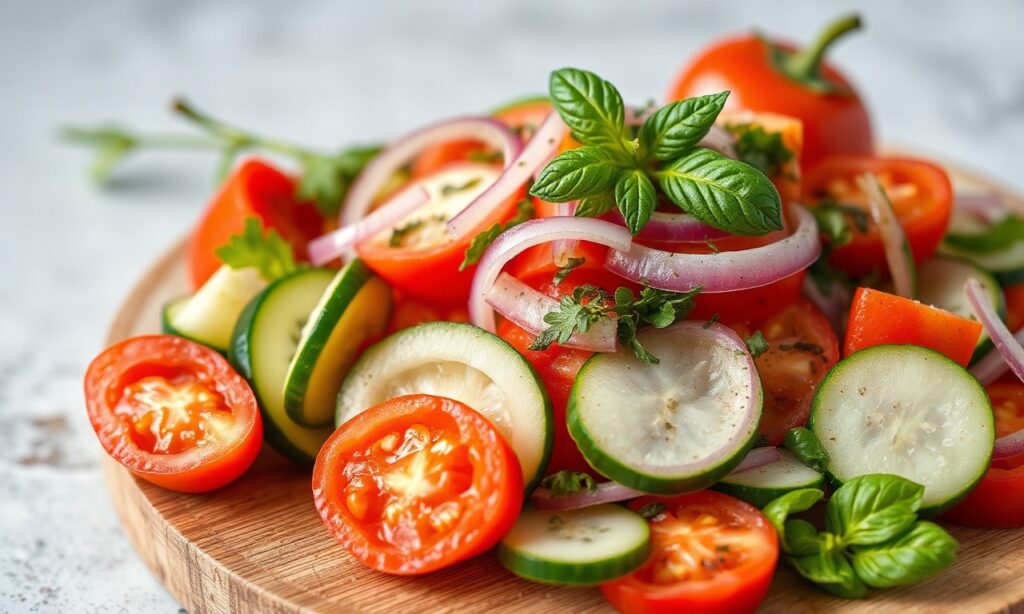
The Mediterranean Salad is a nutritional powerhouse, offering a wealth of benefits that contribute to overall well-being. Its composition makes it an excellent choice for those seeking to maintain a healthy weight, improve cardiovascular health, and boost their intake of essential nutrients.
Macronutrient Breakdown (Approximate per serving, assuming 4 servings):
- Calories: 150-250 kcal (Varies based on olive oil and feta quantity)
- Fat: 10-18g (Primarily healthy monounsaturated fats from olive oil)
- Carbohydrates: 10-15g (From vegetables)
- Protein: 5-8g (Primarily from feta cheese)
- Fiber: 3-5g (From vegetables)
Key Micronutrients and Antioxidants:
- Vitamin C: Abundant in tomatoes and bell peppers, crucial for immune function and skin health.
- Vitamin K: Found in cucumbers and tomatoes, important for blood clotting and bone health.
- Potassium: Present in tomatoes and cucumbers, helps regulate blood pressure.
- Lycopene: A potent antioxidant in tomatoes, linked to reduced risk of certain cancers.
- Quercetin: Found in onions, a flavonoid with anti-inflammatory properties.
- Healthy Fats: Monounsaturated fats from olive oil are excellent for heart health, helping to lower LDL cholesterol.
Expert Tips for Elevating Your Mediterranean Salad
While the basic recipe is fantastic, a few professional touches can truly transform your Mediterranean Salad into a restaurant-quality masterpiece. These tips focus on ingredient quality, preparation nuances, and creative additions.
The Importance of Ingredient Quality
This cannot be stressed enough: the quality of your ingredients will directly dictate the quality of your salad.
- Tomatoes: Use vine-ripened tomatoes in season for peak flavor. If out of season, consider high-quality canned San Marzano tomatoes (drained and chopped) or excellent cherry tomatoes.
- Olive Oil: Invest in a good quality extra virgin olive oil. Its flavor is a dominant characteristic of the salad.
- Feta: Buy a block of good quality feta (preferably sheep’s milk) and crumble it yourself. It has a superior texture and flavor to pre-crumbled varieties.
Preparation Nuances
Small details in preparation make a big difference.
- Uniform Cuts: Aim for similar-sized pieces of vegetables. This creates a more balanced and visually appealing salad.
- Seasoning Layering: Season the vegetables lightly with salt and pepper *before* adding the dressing. This allows each component to be seasoned individually, building flavor from the ground up.
- Herbs: For maximum flavor, use fresh herbs whenever possible. Chop parsley, mint, or dill finely and add them just before serving to preserve their freshness and aroma.
Creative Additions
While the classic is superb, consider these additions to further enhance your salad:
- Cucumber Variations: For a different texture, try grilling or lightly pickling cucumber slices.
- Adding Grains or Legumes: To make the salad a more substantial meal, consider adding cooked quinoa, couscous, or chickpeas.
- Spice and Heat: A pinch of red pepper flakes or finely diced jalapeño can add a subtle kick.
- Avocado: Creamy avocado adds a luxurious texture and healthy fats, complementing the other ingredients beautifully.
- Marinated Artichoke Hearts: These add a tangy, slightly sweet, and tender element.
- Toasted Nuts or Seeds: Pine nuts, slivered almonds, or sunflower seeds can provide a delightful crunch and nutty flavor.
Mediterranean Salad: A Global Icon of Health and Taste
The Mediterranean Salad is more than just a recipe; it’s a culinary philosophy that has transcended geographical boundaries and time. Its enduring popularity is proof of the power of simple, fresh ingredients prepared with care. The combination of crisp cucumbers, juicy tomatoes, pungent onions, and a bright, zesty vinaigrette is a harmonious blend that consistently delights the palate. Its inherent nutritional value, rich in vitamins, antioxidants, and healthy fats, makes it a champion of the Mediterranean diet, a lifestyle recognized for its profound health benefits.
From its humble origins to its status as a global culinary icon, the Mediterranean Salad remains a reliable, refreshing, and remarkably healthy choice. It embodies the essence of mindful eating – a celebration of nature’s bounty, prepared with simplicity and enjoyed with pleasure. Whether you’re a seasoned chef or a beginner cook, this recipe offers an accessible yet profoundly satisfying culinary experience that nourishes both the body and the soul. It’s a dish that proves that the most delicious and beneficial foods are often the ones that are the most straightforward.
Frequently Asked Questions
What makes this Mediterranean Salad recipe so reliable?
The reliability of this Mediterranean Salad stems from its use of readily available, fresh, and inherently flavorful ingredients. The simple preparation method allows the natural taste of the produce to shine, and the balanced vinaigrette enhances rather than masks these flavors. It’s a dish that consistently delivers a refreshing and satisfying culinary experience, making it a dependable choice for any occasion.
Can I make Mediterranean Salad ahead of time?
Yes, you can prepare many components of the Mediterranean Salad ahead of time. You can chop the vegetables and store them separately in airtight containers in the refrigerator. The vinaigrette can also be made in advance and stored in a sealed jar. However, it’s best to combine the ingredients and dress the salad no more than 1-2 hours before serving to maintain the crispness of the vegetables and prevent sogginess.
What are the best vegetables to include in a Mediterranean Salad?
The foundational vegetables are cucumbers, tomatoes, and onions. Beyond these, common and highly recommended additions include bell peppers (red, yellow, or orange), Kalamata olives, and sometimes chopped parsley or mint. Some variations also incorporate ingredients like romaine lettuce, chickpeas, or even artichoke hearts.
How can I make my Mediterranean Salad more substantial for a meal?
To transform this salad into a more filling meal, consider adding protein sources like grilled chicken breast, shrimp, salmon, or hard-boiled eggs. You can also incorporate grains such as quinoa, couscous, or farro, or add legumes like chickpeas or lentils. A serving of crusty bread on the side also enhances its meal-like quality.
Are there any specific types of onions or tomatoes that are best for this salad?
For onions, red onions are often preferred for their milder flavor and vibrant color. Soaking them in cold water before adding can further reduce their sharpness. For tomatoes, ripe, in-season varieties like Roma, beefsteak, or heirloom tomatoes are excellent. Cherry or grape tomatoes, when halved, also work beautifully and add a burst of sweetness.
See also: Mediterranean Salad