
“The art of cooking is a constant exploration, a journey of discovery where simple ingredients can be transformed into extraordinary experiences.” – Julia Child
- Understanding the Essence of Stroganoff
- The Foundation: Essential Ingredients for Vegan Mushroom Stroganoff
- Mushroom Medley: The Heart of the Dish
- Aromatics and Flavor Builders
- The Creamy Elixir: Achieving Velvety Richness
- For Serving
- The Art of Preparation: A Step-by-Step Journey to Perfect Vegan Mushroom Stroganoff
- Step 1: Preparing the Cashew Cream
- Step 2: Sautéing the Mushrooms to Perfection
- Step 3: Building the Aromatic Base
- Step 4: Deglazing and Creating the Sauce Base
- Step 5: Marrying the Components
- Step 6: Serving Your Masterpiece
- Nutritional Snapshot: A Wholesome Indulgence
- Elevating Your Vegan Mushroom Stroganoff: Expert Tips for Restaurant-Quality Results
- The Power of Browning Mushrooms
- Embrace Umami Layers
- The Tang Factor
- Textural Contrast
- Choosing the Right Pasta
- A Culinary Staple for Every Table
- Frequently Asked Questions
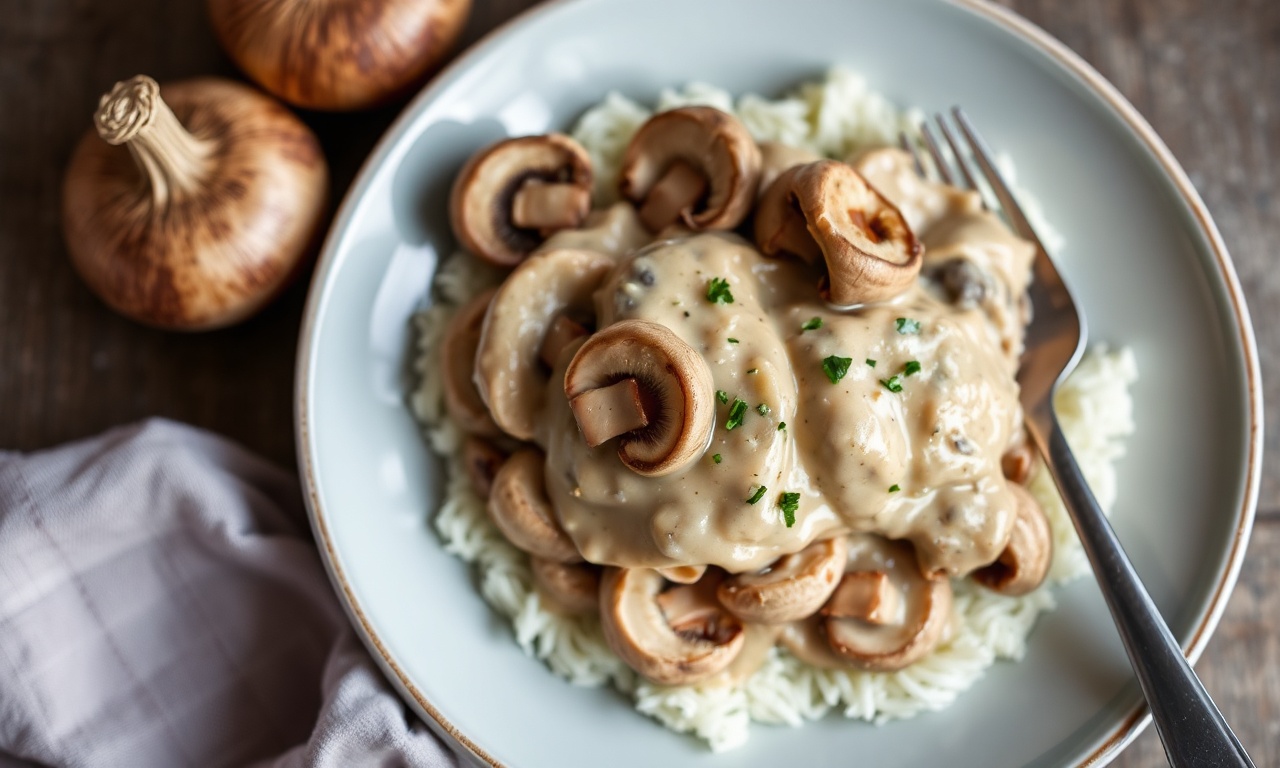
The humble mushroom, often overlooked in its earthy simplicity, possesses a remarkable capacity for culinary alchemy. When coaxed with the right techniques and complementary flavors, it can ascend from a mere side dish to the star of a deeply satisfying, comforting meal. Vegan Mushroom Stroganoff, a dish that historically relies on rich dairy and meat, presents a fascinating challenge and an even more rewarding opportunity for creative plant-based cooking. This guide is not merely about replicating a classic; it’s about understanding the soul of stroganoff and reimagining it with vibrant, plant-powered ingredients that deliver unparalleled depth and satisfaction, proving that plant-based dining can be both luxurious and remarkably accessible.
This comprehensive exploration will equip you with the knowledge and techniques to craft a Vegan Mushroom Stroganoff that is not only quick and easy but also possesses the nuanced flavors and creamy texture that define this beloved dish. We will cover ingredient selection, precise cooking methods, and expert tips to elevate your stroganoff from merely good to truly unforgettable, ensuring it becomes a staple in your culinary repertoire.
Key Takeaways:
- Achieving a rich, creamy texture in vegan stroganoff relies on a balanced blend of plant-based fats and thickening agents, with cashew cream and nutritional yeast playing pivotal roles.
- The depth of flavor is paramount; layering umami-rich ingredients like mushrooms, tamari, and Dijon mustard is crucial for a satisfying, authentic taste.
- Properly sautéing mushrooms is key to unlocking their inherent sweetness and savory notes, preventing a watery final dish.
- Serving stroganoff over a neutral base like egg-free noodles or mashed potatoes allows the complex flavors of the sauce to shine.
Understanding the Essence of Stroganoff
At its heart, Stroganoff is a dish built on a foundation of savory, umami-rich flavors and a luxurious, creamy sauce. Traditionally, this involves pan-seared beef, sautéed onions and mushrooms, and a sauce often enriched with sour cream, broth, and sometimes mustard. The challenge in veganizing this classic lies in replicating that characteristic richness and depth of flavor without animal products. This requires a thoughtful approach to ingredient selection and technique, focusing on ingredients that naturally provide that sought-after savoriness and velvety mouthfeel.
The evolution of vegan cuisine has provided an abundance of ingredients that can brilliantly mimic the textural and flavor profiles of traditional stroganoff. From the earthy, meaty texture of various mushroom varieties to the creamy, tangy notes achievable with plant-based dairy alternatives and fermented ingredients, the possibilities are vast. The success of a vegan stroganoff hinges on understanding how these elements interact and how to coax out their maximum potential.
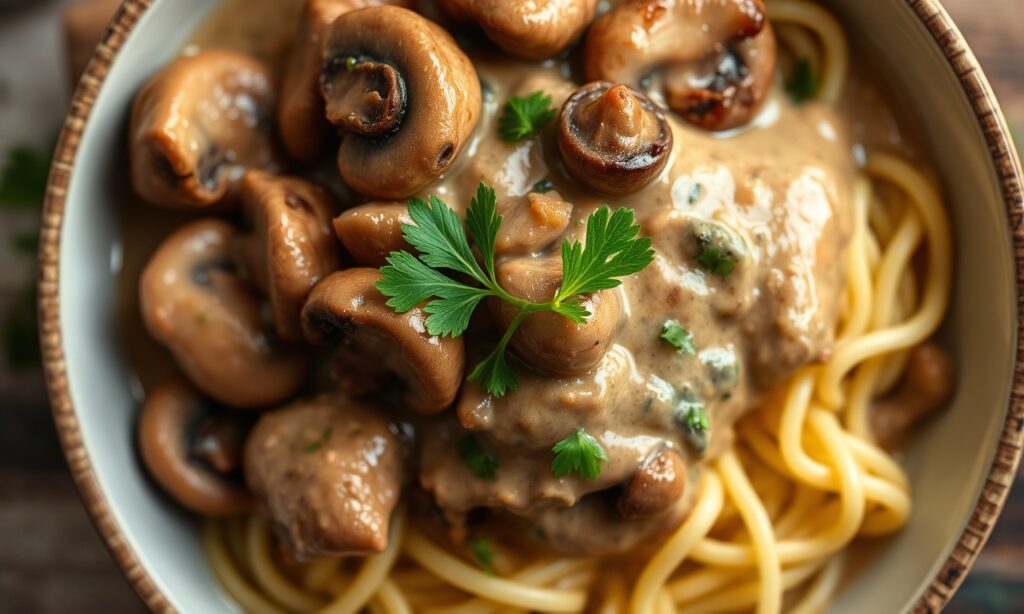
The Foundation: Essential Ingredients for Vegan Mushroom Stroganoff
Crafting an exceptional Vegan Mushroom Stroganoff begins with selecting the finest ingredients. Each component matter significantly in building the complex flavor profile and satisfying texture.
Mushroom Medley: The Heart of the Dish
The choice of mushrooms is critical. A blend offers a more complex flavor and varied texture than a single type.
- Cremini Mushrooms: These are the workhorses, providing a robust, earthy flavor and a firm texture that holds up well to cooking. About 1 pound (450g).
- Shiitake Mushrooms: Their distinct, smoky, umami-rich flavor adds a significant depth that is difficult to replicate. Remove stems before slicing. About 8 ounces (225g).
- Oyster Mushrooms: Their delicate, slightly sweet flavor and wonderfully tender, almost buttery texture contribute a luxurious feel. About 4 ounces (115g).
Aromatics and Flavor Builders
These ingredients form the aromatic base and provide the essential savory notes.
- Yellow Onion: Finely diced, it offers sweetness and a foundational savory layer. 1 large.
- Garlic: Minced, it provides pungent depth. 4-5 cloves.
- Vegetable Broth: A good quality, low-sodium vegetable broth is crucial for the sauce’s liquid base. 2 cups (475ml).
- Tamari or Soy Sauce: For a deep umami punch. Use tamari for a gluten-free option. 2 tablespoons.
- Dijon Mustard: Adds a tangy, slightly spicy complexity that cuts through the richness. 1 tablespoon.
- Smoked Paprika: Imparts a subtle smoky undertone that complements the mushrooms. 1 teaspoon.
- Fresh Thyme: Its herbaceous notes are a classic pairing with mushrooms. 1 teaspoon, chopped (or ½ teaspoon dried).
The Creamy Elixir: Achieving Velvety Richness
This is where the vegan magic happens, creating that signature creamy stroganoff texture.
- Raw Cashews: Soaked and blended, they form the unparalleled creamy base. About 1 cup (150g), soaked for at least 4 hours or in boiling water for 15 minutes.
- Nutritional Yeast: Imparts a cheesy, savory, almost umami flavor that is indispensable in vegan cooking. ¼ cup (15g).
- Unsweetened Plant-Based Milk: Such as almond, soy, or oat milk, to adjust the cream’s consistency. About ½ cup (120ml), or more as needed.
- Lemon Juice: A touch of acidity brightens the sauce and mimics the tang of sour cream. 1 tablespoon.
For Serving
The perfect vehicle for your stroganoff.
- Egg-Free Noodles: Wide, flat noodles like fettuccine or pappardelle are traditional and excellent.
- Fresh Parsley: For a vibrant, fresh garnish.
- Optional: Fresh dill, a dollop of vegan sour cream.
The Art of Preparation: A Step-by-Step Journey to Perfect Vegan Mushroom Stroganoff
Mastering this dish is about precision and patience, particularly when it comes to developing the complex flavors and achieving that luxurious texture.
Step 1: Preparing the Cashew Cream
This forms the luxurious backbone of your stroganoff sauce.
- Drain and Rinse: Thoroughly drain the soaked cashews and rinse them under cool water.
- Blend Until Silky: Combine the drained cashews in a high-speed blender with the nutritional yeast, plant-based milk, and lemon juice. Blend on high speed until the mixture is incredibly smooth and creamy, with no gritty texture. This may take several minutes. Add a tablespoon or two more plant-based milk if needed to achieve a thick, pourable consistency, similar to heavy cream. Set aside.
Step 2: Sautéing the Mushrooms to Perfection
This is arguably the most critical step for developing deep mushroom flavor and achieving the desired texture.
- Heat the Pan: Heat 2 tablespoons of olive oil or vegan butter in a large, heavy-bottomed skillet or Dutch oven over medium-high heat. It’s important to let the pan get hot before adding the mushrooms.
- Cook in Batches: Add the sliced mushrooms to the hot skillet in a single layer. Do not overcrowd the pan, as this will steam the mushrooms instead of searing them. Cook in batches if necessary.
- Achieve Golden Brown: Allow the mushrooms to cook undisturbed for 3-4 minutes until they develop a deep golden-brown crust. Stir them and cook for another 2-3 minutes until nicely browned and slightly tender. This browning process is what caramelizes their sugars and develops their rich, savory flavor.
- Remove and Set Aside: Once browned, remove the mushrooms from the skillet and set them aside in a bowl.
Step 3: Building the Aromatic Base
The foundation for the rich sauce.
- Sauté Onions: Add another tablespoon of olive oil or vegan butter to the same skillet (no need to wipe it clean, as the mushroom essence is desirable). Add the finely diced yellow onion and sauté over medium heat for 5-7 minutes, until softened and translucent.
- Infuse with Garlic and Herbs: Add the minced garlic and chopped fresh thyme (or dried thyme) to the skillet. Cook for 1 minute more, until fragrant, being careful not to burn the garlic.
Step 4: Deglazing and Creating the Sauce Base
This step captures all the flavorful browned bits from the pan.
- Deglaze with Broth: Pour in the vegetable broth and scrape the bottom of the pan with a wooden spoon to loosen any browned bits (fond). Let the broth simmer for 2-3 minutes to reduce slightly.
- Incorporate Flavor Enhancers: Stir in the tamari (or soy sauce), Dijon mustard, and smoked paprika. Allow to simmer for another minute to meld the flavors.
Step 5: Marrying the Components
Bringing it all together for the final, creamy masterpiece.
- Return Mushrooms: Add the sautéed mushrooms back into the skillet with the sauce base. Stir to combine.
- Add Cashew Cream: Pour the prepared cashew cream into the skillet. Stir gently until the sauce is smooth and coats the mushrooms and onions evenly.
- Simmer and Thicken: Reduce the heat to low and let the stroganoff simmer gently for 5-7 minutes, stirring occasionally, until the sauce has thickened to your desired consistency. Avoid boiling, as this can cause the cashew cream to separate.
- Adjust Seasoning: Taste the stroganoff and adjust seasoning with salt and freshly ground black pepper as needed. A tiny pinch of sugar can also help balance the flavors if the tang from the Dijon is too pronounced.
Step 6: Serving Your Masterpiece
The culmination of your culinary efforts.
- Prepare Noodles: While the stroganoff simmers, cook your egg-free noodles according to package directions until al dente.
- Combine or Serve Separately: You can either toss the cooked noodles directly into the stroganoff, or serve the stroganoff spooned generously over a bed of noodles.
- Garnish: Garnish with freshly chopped parsley and, if desired, a dollop of vegan sour cream or fresh dill.
Nutritional Snapshot: A Wholesome Indulgence
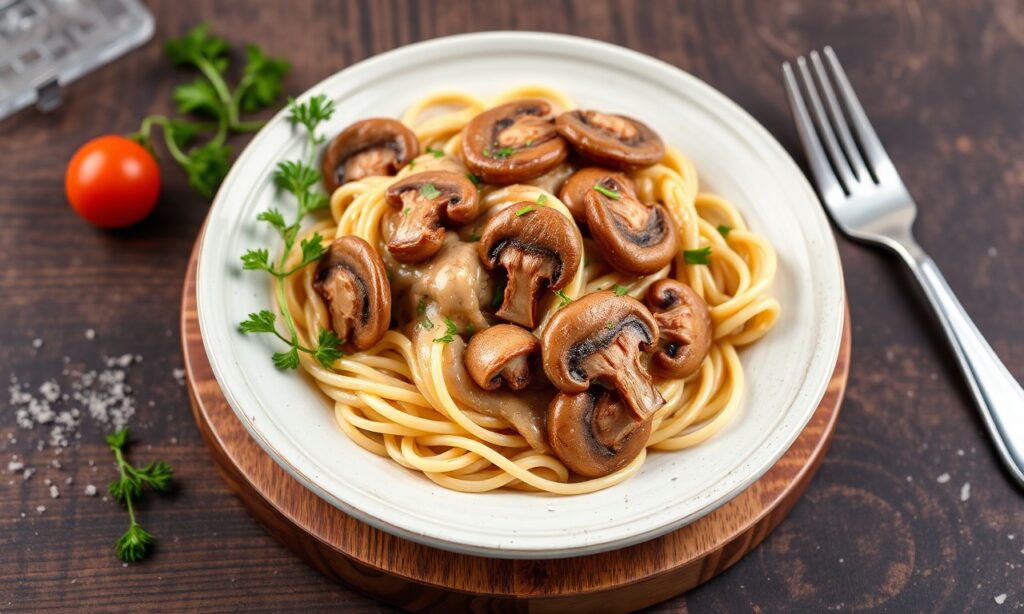
While undeniably decadent, Vegan Mushroom Stroganoff can be a surprisingly balanced meal. The exact nutritional profile will vary based on specific ingredients and portion sizes, but here’s a general breakdown per serving (assuming 4 servings):
- Calories: Approximately 450-550 kcal
- Protein: 12-18g (from cashews, nutritional yeast, and optional noodles)
- Fat: 25-35g (primarily from healthy fats in cashews and olive oil)
- Carbohydrates: 40-50g (largely from noodles and vegetables)
- Fiber: 5-8g (from mushrooms and vegetables)
- Vitamins and Minerals: Rich in B vitamins (especially B12 from fortified nutritional yeast), potassium, selenium (from mushrooms), and iron.
Research suggests that mushrooms are a good source of selenium, an antioxidant mineral. Studies published in scientific journals have highlighted that mushrooms can vary significantly in their selenium content depending on species and growing conditions, but they remain a valuable dietary source.
This dish offers a satisfying blend of macronutrients and essential micronutrients. The healthy fats from cashews contribute to satiety, while the fiber from the vegetables and mushrooms aids digestion. For those concerned about B12, ensuring your nutritional yeast is fortified is a straightforward way to meet this requirement.
Elevating Your Vegan Mushroom Stroganoff: Expert Tips for Restaurant-Quality Results
Achieving a truly outstanding stroganoff goes beyond the basic recipe. These expert insights will transform your home-cooked meal into a gourmet experience.
The Power of Browning Mushrooms
Properly browning mushrooms is the single most impactful technique for developing deep, savory flavor. Do not rush this step. Ensure your pan is hot, do not overcrowd, and let them develop a rich, mahogany crust. This process caramelizes their natural sugars and intensifies their umami profile, a crucial element missing if they are merely sautéed until soft.
Embrace Umami Layers
Beyond the mushrooms and tamari, consider adding a tablespoon of miso paste (white or yellow) to the sauce base for an extra layer of fermented, savory depth. A pinch of dried porcini mushroom powder can also work wonders to amplify the mushroom flavor.
The Tang Factor
While Dijon mustard and lemon juice provide tang, a tablespoon of vegan sour cream or a swirl of plant-based yogurt stirred in at the very end of cooking can add an authentic, creamy sourness that is characteristic of traditional stroganoff.
Textural Contrast
For added texture and visual appeal, consider pan-frying a few extra mushrooms separately until crispy, or toasting some slivered almonds to sprinkle on top. A sprinkle of fresh dill alongside the parsley adds another aromatic dimension.
Choosing the Right Pasta
While wide noodles are classic, consider using a hearty whole wheat or lentil-based pasta for added protein and fiber. Alternatively, serve over creamy mashed potatoes (made with plant-based milk and butter) or even a bed of fluffy quinoa for a gluten-free option.
A Culinary Staple for Every Table
Vegan Mushroom Stroganoff is more than just a recipe; it’s proof of the versatility and richness of plant-based cuisine. It’s a dish that comforts, satisfies, and impresses, proving that ethical eating can be synonymous with extraordinary flavor and culinary delight. Whether you are a seasoned vegan cook or simply looking to explore more plant-forward meals, this guide provides the roadmap to creating a truly exceptional stroganoff. Its adaptability means you can tailor it to your preferences, making it a reliable go-to for weeknight dinners and special occasions alike.
The journey from simple ingredients to a complex, deeply flavorful dish like stroganoff is a rewarding one. By understanding the interplay of textures and flavors, and by employing thoughtful cooking techniques, you can unlock the full potential of plant-based ingredients. This recipe, with its emphasis on quality ingredients and deliberate preparation, is designed to guide you towards that perfect bowl of creamy, savory, and utterly delicious Vegan Mushroom Stroganoff.
Frequently Asked Questions
What are the best mushrooms to use for vegan stroganoff?
A blend of mushrooms provides the best flavor and texture. Cremini mushrooms offer a robust earthiness, shiitake mushrooms contribute a deep umami and smoky note, and oyster mushrooms lend a delicate sweetness and tender texture. Using a variety ensures a more complex and satisfying dish.
How can I make the stroganoff sauce extra creamy without dairy?
The key to a creamy vegan sauce is a well-made cashew cream. Soaking raw cashews and blending them until completely smooth with unsweetened plant-based milk and nutritional yeast creates a luxurious base that mimics the richness of dairy. Nutritional yeast also adds a cheesy, savory depth.
Can I make this stroganoff gluten-free?
Absolutely. Ensure you use gluten-free wide noodles or serve the stroganoff over gluten-free pasta, quinoa, or mashed potatoes. Use tamari instead of soy sauce, and double-check that all other ingredients, such as vegetable broth, are certified gluten-free.
How do I prevent the cashew cream sauce from separating?
Avoid boiling the sauce once the cashew cream has been added. Simmer it gently on low heat and stir frequently. Overheating or vigorous boiling can cause the fats in the cashews to separate from the water content, leading to a grainy or oily texture.
What are some common mistakes to avoid when making vegan stroganoff?
Overcrowding the pan when sautéing mushrooms is a common error that leads to steaming rather than browning, resulting in less flavor. Rushing the cashew cream blending process, which can leave a gritty texture, is another mistake. Finally, not allowing enough time for the flavors to meld during simmering can result in a less developed taste.
See also: Vegan Mushroom