
Avocado Pesto Zucchini Noodles: The Essential, Proven Guide
“The art of cooking is to capture a moment, a memory, an emotion, and translate it onto the plate. It’s about more than just sustenance; it’s about connection and storytelling.” – Chef Massimo Bottura
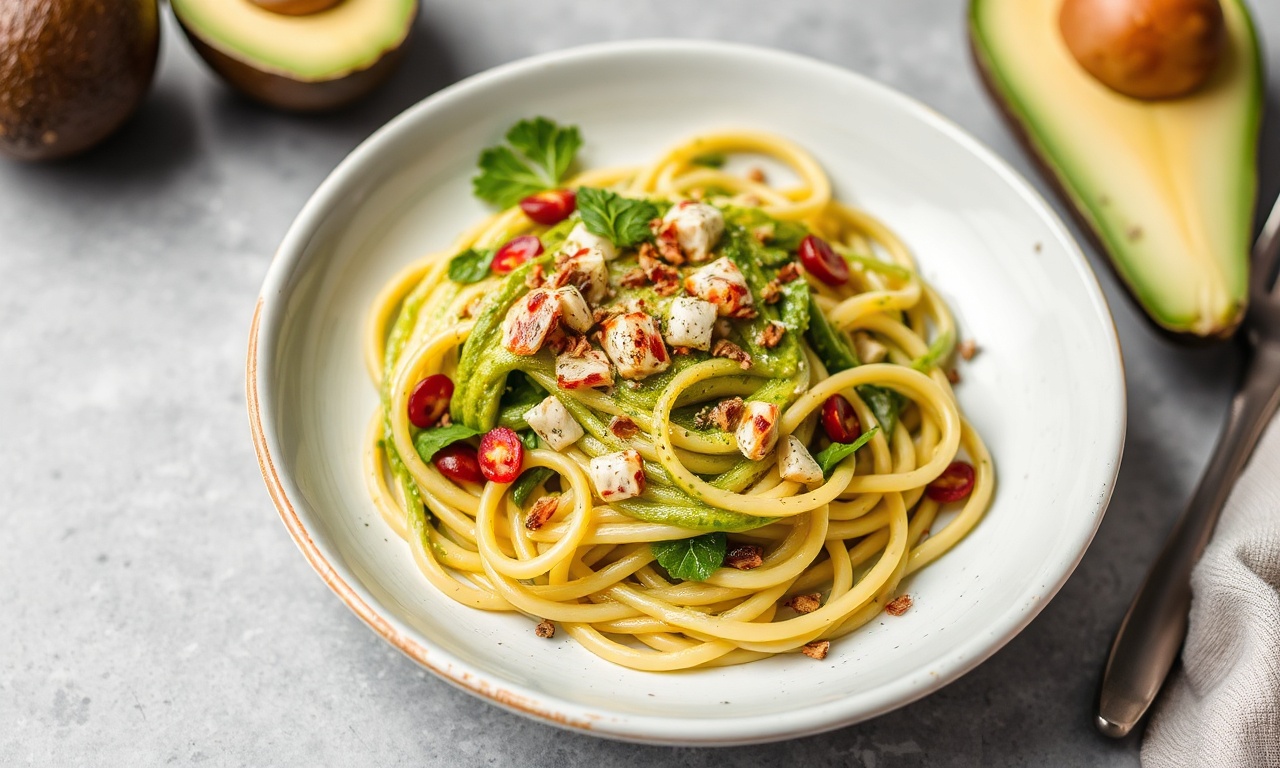
The culinary landscape is in a constant state of delightful evolution, driven by a collective yearning for dishes that are not only aesthetically pleasing and incredibly delicious but also align with a more health-conscious lifestyle. In this pursuit, the humble zucchini has ascended from its supporting role to star status, particularly when transformed into delicate noodles. But what truly elevates this trend from fleeting fad to enduring staple is the sauce that coats these verdant strands. Enter Avocado Pesto Zucchini Noodles, a dish that masterfully marries the creamy richness of avocado with the vibrant, herbaceous punch of traditional pesto, all without the heavy fats or calories of conventional pasta and cheese. This is not merely a substitute; it is an innovation, proof of how culinary creativity can deliver both unparalleled flavor and exceptional nutritional benefits.
This comprehensive guide will demystify the process of creating perfect Avocado Pesto Zucchini Noodles, offering insights into ingredient selection, technique, and the science behind why this dish resonates so powerfully with discerning palates and health-conscious individuals alike. We will explore the nuances that transform simple ingredients into a gourmet experience, making this recipe accessible for the home cook yet sophisticated enough to impress even the most seasoned gourmand.
The true beauty of food lies in its ability to nourish not just the body, but the soul, offering comfort, excitement, and a profound connection to nature’s bounty.
The concept of “zoodles” – zucchini noodles – gained significant traction as a low-carb, gluten-free alternative to traditional pasta. This movement was fueled by a growing awareness of dietary sensitivities and a desire for lighter, more nutrient-dense meals. Simultaneously, the culinary world was embracing the versatility of avocados, recognizing their creamy texture and healthy fat profile as ideal for a myriad of applications beyond guacamole. The natural synergy between the smooth, emulsifying properties of avocado and the robust, aromatic elements of pesto was almost inevitable. Traditional pesto, typically reliant on Parmesan cheese and olive oil for its richness, found a worthy counterpart in avocado. This fusion created an Avocado Pesto that is remarkably similar in mouthfeel and flavor intensity, yet significantly lighter and packed with different, yet equally beneficial, nutrients.
This innovation speaks volumes about the adaptable nature of classic flavors and the power of ingredient substitution to redefine dishes for a modern audience.
Crafting Exceptional Avocado Pesto Zucchini Noodles
Crafting exceptional Avocado Pesto Zucchini Noodles is a journey of balancing fresh flavors and achieving the perfect texture. This recipe focuses on simplicity and impact, ensuring that even novice cooks can achieve outstanding results.
Ingredients for Success
To achieve the signature creamy texture and vibrant flavor of Avocado Pesto Zucchini Noodles, the quality and freshness of your ingredients are paramount.
For the Zucchini Noodles:
- 2 large zucchinis (about 1 lb or 450g total), firm and unblemished
- 1 tablespoon extra virgin olive oil (optional, for sautéing)
- Pinch of sea salt
For the Avocado Pesto:
- 1 large ripe avocado, yielding about 1 cup of mashed avocado
- 1 cup fresh basil leaves, packed (about 1.5 oz or 45g)
- 1/4 cup pine nuts, lightly toasted (or substitute with walnuts or almonds)
- 1-2 cloves garlic, minced (adjust to taste)
- 2 tablespoons fresh lemon juice (from about 1/2 lemon)
- 1/4 cup nutritional yeast (for a cheesy, umami flavor, optional but recommended)
- 2-4 tablespoons extra virgin olive oil (use good quality)
- Salt and freshly ground black pepper, to taste
- Pinch of red pepper flakes (optional, for a hint of heat)
Optional Garnishes:
- Cherry tomatoes, halved
- Toasted pine nuts
- Fresh basil leaves
- A drizzle of high-quality olive oil
Step-by-Step Mastery
Precision and timing are key to transforming these components into a harmonious dish. Follow these steps for an impeccable result.
-
Prepare the Zucchini Noodles:
Wash the zucchinis thoroughly. Trim off the ends. Using a spiralizer, mandoline with a julienne attachment, or a vegetable peeler (for wider ribbons), create the zucchini noodles. If using a peeler, make long, even strokes down the length of the zucchini. Aim for strands that are roughly the thickness of spaghetti. Place the zucchini noodles in a colander set over a bowl, sprinkle with a pinch of salt, and let them sit for about 15-20 minutes. This process draws out excess moisture, preventing the noodles from becoming watery and mushy. Gently pat them dry with paper towels.
-
Toast the Pine Nuts:
While the zucchini drains, lightly toast the pine nuts in a dry skillet over medium-low heat. Stir frequently until they are golden brown and fragrant, about 3-5 minutes. Be cautious, as they can burn quickly. Remove from the skillet immediately and set aside to cool.
-
Craft the Avocado Pesto:
In a food processor, combine the basil leaves, toasted pine nuts, minced garlic, fresh lemon juice, and nutritional yeast (if using). Pulse a few times until the ingredients are finely chopped. Add the flesh of the ripe avocado and 2 tablespoons of extra virgin olive oil. Process until the mixture is smooth and creamy, scraping down the sides of the bowl as needed. If the pesto is too thick, add more olive oil, one tablespoon at a time, until the desired consistency is reached. Season generously with salt and freshly ground black pepper. Taste and adjust seasonings – you might want more lemon juice for brightness or more garlic for punch. Stir in a pinch of red pepper flakes if you desire a subtle kick.
-
Combine and Serve:
In a large bowl, gently toss the prepared zucchini noodles with the Avocado Pesto. Ensure each strand is evenly coated. For a slightly warmer dish, you can briefly sauté the zucchini noodles in a non-stick skillet with 1 tablespoon of olive oil over medium heat for 1-2 minutes, just until slightly tender but still al dente. Do not overcook, as they will become mushy. If serving warm, add the pesto to the pan and toss quickly to coat.
-
Garnish and Enjoy:
Divide the Avocado Pesto Zucchini Noodles among serving plates. Garnish with halved cherry tomatoes, a sprinkle of toasted pine nuts, fresh basil leaves, and an optional drizzle of high-quality extra virgin olive oil. Serve immediately.

The Nutritional Powerhouse
The appeal of Avocado Pesto Zucchini Noodles extends far beyond their delightful flavor. This dish is a nutritional goldmine, offering a wealth of health benefits that align perfectly with modern dietary goals.
- Avocado: Rich in monounsaturated fats, which are heart-healthy and can help lower LDL cholesterol levels. Avocados are also an excellent source of fiber, potassium, folate, and vitamins K, C, B6, and E. According to the Hass Avocado Board, a single serving (one-third of a medium avocado) provides approximately 8 grams of healthy fats and 7 grams of fiber.
- Zucchini: Low in calories and carbohydrates, making it an ideal pasta substitute. It’s a good source of vitamin C, potassium, and antioxidants like lutein and zeaxanthin, which are beneficial for eye health.
- Basil: Packed with antioxidants, anti-inflammatory compounds, and vitamins A, K, and C. It also contains essential oils that contribute to its aromatic properties and potential health benefits, such as aiding digestion.
- Pine Nuts: Offer a good source of protein, healthy fats, and minerals like magnesium, manganese, and zinc. They also contain pinolenic acid, which may contribute to satiety.
- Lemon Juice: A fantastic source of vitamin C, an antioxidant that supports immune function and skin health. It also aids in digestion.
- Nutritional Yeast: A deactivated yeast that provides a cheesy, nutty flavor without dairy. It’s a complete protein and a good source of B vitamins, including B12 if fortified, which is crucial for nerve function and energy production.
Approximate Nutritional Breakdown (per serving, highly variable)
- Calories: 250-300 kcal
- Protein: 5-8g
- Fat: 18-25g (predominantly healthy monounsaturated and polyunsaturated fats)
- Carbohydrates: 15-20g
- Fiber: 8-10g
- Sugar: 5-7g
💡 Expert Insight
Expert Insight: When selecting avocados for your pesto, look for fruits that yield slightly to gentle pressure. A perfectly ripe avocado will have a creamy, smooth texture that emulsifies beautifully, creating that signature lusciousness in the pesto without requiring excessive added oil. Avoid overripe avocados, as they can sometimes develop an off-flavor.
Elevating Your Avocado Pesto Zucchini Noodles
Transforming a good dish into an exceptional one often comes down to nuanced techniques and thoughtful additions that enhance flavor, texture, and presentation.
Key Techniques and Tips
-
The Sautéed Zoodle Technique:
While raw zoodles are delightful, a brief sauté can add a subtle warmth and tender-crisp texture that many prefer. Heat 1 tablespoon of olive oil in a non-stick skillet over medium heat. Add the zoodles and toss for just 1-2 minutes until they are slightly softened. This prevents them from releasing too much water when combined with the pesto.
-
Balancing Acidity and Fat:
The key to a perfectly balanced Avocado Pesto is the interplay between the creamy avocado, the bright lemon juice, and the richness of the olive oil. Taste as you go. If it tastes flat, add more lemon juice or a pinch more salt. If it feels too sharp, a touch more avocado or olive oil can mellow it out.
-
Toasting Nuts for Depth:
Never skip toasting the pine nuts. The process unlocks their natural oils, enhancing their nutty aroma and flavor, which adds a crucial layer of complexity to the pesto. Walnuts or almonds can be used as a more budget-friendly alternative, but be sure to toast them thoroughly as well.
-
The Power of Nutritional Yeast:
For those accustomed to the umami depth of Parmesan in traditional pesto, nutritional yeast is a revelation. It provides a savory, cheesy undertone that is both satisfying and entirely plant-based. It’s a staple in many vegan kitchens for a reason.
-
Garnishes that Matter:
Don’t underestimate the impact of garnishes. The burst of sweetness and acidity from halved cherry tomatoes cuts through the richness of the pesto. A final sprinkle of toasted pine nuts adds a welcome crunch, and fresh basil leaves offer an aromatic finish.
⚠️ Pro-Caution
Pro-Caution: Be extremely careful not to overcook the zucchini noodles, whether raw or sautéed. Overcooked zoodles will become watery and mushy, losing their appealing texture and compromising the integrity of the dish. The goal is a tender-crisp bite, not a soft, limp strand.
Real-World Impact: Sarah’s Story
Consider Sarah, a busy professional with a keen interest in maintaining a healthy lifestyle. She often struggles to find quick, satisfying meals that don’t compromise her dietary goals. She discovered Avocado Pesto Zucchini Noodles through a health blog and was initially skeptical, wondering if it could truly rival the comforting richness of pasta dishes. After preparing it using a similar method to the one outlined above, she was astounded. “It was incredibly creamy and flavorful,” she remarked. “I felt satisfied without feeling heavy, and the fact that it was so quick to make meant I could enjoy a gourmet-quality meal even on a weeknight.” Sarah now regularly incorporates this dish into her meal rotation, proving that deliciousness and health can coexist harmoniously. This anecdote highlights the practical appeal and significant impact of dishes like Avocado Pesto Zucchini Noodles on everyday eating habits.
The Future of Flavor and Wellness
The journey of Avocado Pesto Zucchini Noodles is proof of culinary ingenuity. It represents a shift towards dishes that are not only perceived as “healthy” but are genuinely so, without sacrificing the sensory pleasure that food provides. As dietary landscapes continue to evolve, and as our understanding of nutrition deepens, we can expect to see more such inspired fusions. This dish is more than just a recipe; it’s a philosophy – one that champions fresh, whole ingredients, celebrates vibrant flavors, and demonstrates that mindful eating can be an utterly delicious experience. It’s a dish that nourishes the body, delights the palate, and speaks to a future where culinary excellence and well-being are inextricably linked.
Storage and Make-Ahead Tips
- Leftovers should be stored in an airtight container in the refrigerator for no more than 1-2 days. The avocado in the pesto can oxidize and turn brown, but the flavor is usually still good. It’s best to consume them fresh. If you plan to reheat, do so very gently to avoid overcooking the zucchini.
- Yes, you can make the Avocado Pesto a few hours in advance. Store it in an airtight container in the refrigerator, pressing a piece of plastic wrap directly onto the surface of the pesto to minimize air exposure and prevent browning. Add the lemon juice towards the end of preparation to help preserve its vibrant green color.
Variations and Dietary Adaptations
- You can enhance this dish with a variety of healthy additions. Consider adding grilled chicken or shrimp for extra protein, steamed broccoli florets, sautéed mushrooms, or a sprinkle of toasted sunflower seeds or pumpkin seeds for added crunch and nutrients. A small amount of sundried tomatoes can also add a concentrated burst of flavor.
- Absolutely. This Avocado Pesto Zucchini Noodles recipe is inherently vegan, provided you use nutritional yeast instead of Parmesan cheese. It’s a fantastic, satisfying, and nutrient-dense option for those following a plant-based lifestyle.
Troubleshooting: Watery Zoodles
The key to less watery zucchini noodles is the salting and draining process. Place the spiralized zucchini in a colander, sprinkle with a pinch of salt, and let it sit for at least 15-20 minutes. The salt will draw out excess moisture. Gently pat the noodles dry with paper towels before proceeding.

See also: Avocado Pesto