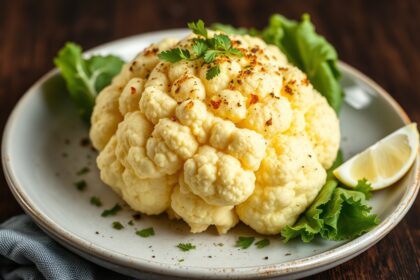

Buffalo Cauliflower. The very name conjures images of vibrant orange heat, a satisfying crunch, and the comforting embrace of classic bar food, reimagined into a plant-powered delight. For many, it represents a culinary bridge, a way to enjoy beloved flavors without compromise, catering to diverse dietary preferences and a growing appreciation for vegetables as the star of the plate. It’s a dish that has transcended its humble origins to become a staple in kitchens and menus worldwide, celebrated for its versatility and sheer deliciousness. The journey from a simple cruciferous vegetable to a coveted appetizer is proof of creative cooking and the universal appeal of well-executed comfort food.
- Understanding the Foundation: Choosing and Preparing Your Cauliflower
- The Art of the Coating: Creating that Irresistible Crust
- Mastering the Cook: Achieving Crispy Perfection
- The Quintessential Buffalo Sauce: Balancing Heat and Flavor
- Serving Suggestions and Accompaniments
- Nutritional Profile: A Healthier Indulgence
- Expert Tips for Elevating Your Buffalo Cauliflower Game
- Frequently Asked Questions
This guide aims to equip you with the knowledge and techniques to achieve truly exceptional Buffalo Cauliflower wings, whether you’re a seasoned home chef or embarking on your first culinary adventure. We’ll dissect the critical elements that elevate this dish from good to unforgettable, covering everything from selecting the perfect cauliflower to mastering the ideal coating and achieving that coveted crispy texture without deep-frying.
Key Takeaways:
- Achieving crispiness is paramount and relies on thorough drying, a robust coating, and a high-heat baking or air-frying method.
- The sauce is more than just heat; it’s a balance of spice, tang, and richness that complements the cauliflower.
- Presentation matters; serve hot with classic accompaniments for the full experience.
Understanding the Foundation: Choosing and Preparing Your Cauliflower
The success of your Buffalo Cauliflower hinges significantly on the quality of your primary ingredient. Not all cauliflower heads are created equal, and understanding how to select and prepare them can make a substantial difference in the final outcome. A well-chosen cauliflower will provide a firm texture that holds up to cooking and sauce, ensuring each bite offers a satisfying resistance rather than a mushy disappointment.
When selecting cauliflower, opt for heads that are dense and firm, with tightly packed florets. The color should be a creamy white, free from any significant brown spots or blemishes. A slight green tinge on the leaves is acceptable, indicating freshness, but the core vegetable itself should be pristine. Avoid cauliflower that feels loose, spongy, or has visibly wilting leaves. The size of the head is also a consideration; while larger heads may seem economical, they can sometimes be older and have a coarser texture. Medium-sized heads often yield the most tender yet firm florets.
Once you have your cauliflower, the preparation is straightforward but crucial. Begin by trimming away the outer green leaves, leaving a small amount of the core intact to help hold the florets together. Then, carefully cut the head into bite-sized florets. Aim for uniformity in size; this ensures even cooking. If you find it difficult to cut, you can gently twist the florets off the core. After cutting, thoroughly wash the florets under cool running water and then, most importantly, dry them completely. Moisture is the enemy of crispiness. Spread the florets on a clean kitchen towel or paper towels and pat them dry, or even better, let them air dry for at least 30 minutes. This step is non-negotiable for achieving a desirable texture.
The Art of the Coating: Creating that Irresistible Crust
The coating is where the magic truly begins to happen for Buffalo Cauliflower. It’s the vehicle for flavor and the primary contributor to that sought-after crispy exterior. A well-formulated coating will adhere to the cauliflower, provide a satisfying crunch, and, crucially, absorb the vibrant Buffalo sauce without becoming soggy. There are several approaches to coating, each with its own merits.
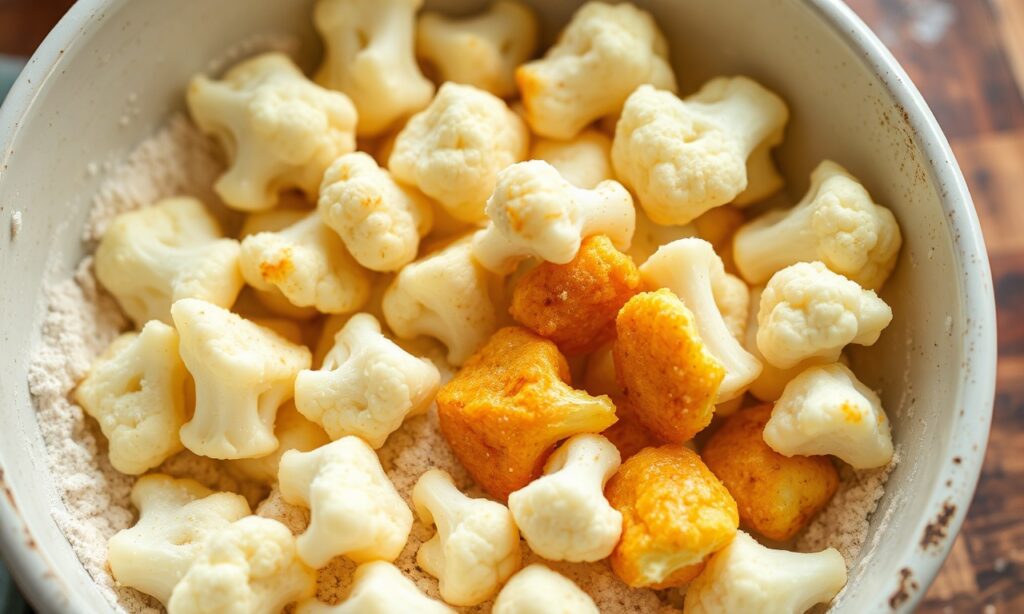
A classic method involves a two-stage dredging process. First, the dried cauliflower florets are tossed in a seasoned flour mixture, often incorporating ingredients like paprika, garlic powder, onion powder, salt, and pepper. This initial layer of flour helps to create a dry surface for the subsequent wet coating to adhere to. The wet coating is typically an egg wash or a buttermilk mixture. Buttermilk, with its slight acidity, not only adds a subtle tang but also helps to tenderize the cauliflower slightly. After being dipped in the wet mixture, the florets are then returned to the seasoned flour (or a mixture of flour and breadcrumbs for extra crunch) and tossed to ensure they are thoroughly coated. This multi-layer approach builds a robust crust that stands up remarkably well to the sauce.
Another popular and often simpler method utilizes a batter. This involves whisking together flour, a leavening agent like baking powder (for lightness), and a liquid such as water, milk, or even a light beer. Seasonings are added to the batter, and the cauliflower florets are then submerged, ensuring each piece is evenly coated. The batter creates a slightly thicker, more cohesive crust that can be incredibly satisfying when fried or baked to perfection. The key to any coating is ensuring it’s well-seasoned. Bland coatings will result in bland wings, no matter how good the sauce is.
Mastering the Cook: Achieving Crispy Perfection
The cooking method is arguably the most critical step in transforming coated cauliflower into delicious wings. While deep-frying is the traditional route for chicken wings, achieving a fantastic crispiness with Buffalo Cauliflower is entirely possible using healthier, more accessible methods like baking or air-frying. The goal is to create a crust that is golden brown and wonderfully crunchy, providing a delightful contrast to the tender cauliflower within.
Baking at a high temperature is a highly effective method. Preheat your oven to a robust 220°C (425°F). Arrange the coated cauliflower florets in a single layer on a baking sheet lined with parchment paper. It’s vital not to overcrowd the pan; this allows hot air to circulate freely around each floret, promoting even crisping and preventing steaming. Bake for approximately 20-25 minutes, flipping the florets halfway through, until they are golden brown and crisp. The exact time will depend on your oven and the size of your florets.
Air-frying offers an even quicker path to crispiness and is a favorite for many home cooks seeking that “fried” texture with significantly less oil. Preheat your air fryer to around 200°C (400°F). Place the coated cauliflower in the air fryer basket in a single layer, working in batches if necessary to avoid overcrowding. Air fry for 12-18 minutes, shaking the basket every few minutes, until the wings are golden and crispy. The efficiency of air circulation in an air fryer often results in superior crispness compared to traditional oven baking.
The Quintessential Buffalo Sauce: Balancing Heat and Flavor
No discussion of Buffalo Cauliflower is complete without exploring the sauce that gives it its iconic name. The classic Buffalo sauce is a deceptively simple concoction, yet its balance of ingredients is key to its widespread appeal. At its heart, it’s a blend of hot sauce and butter, but the nuances of this ratio and the addition of complementary flavors can elevate it significantly.
The base of a traditional Buffalo sauce is typically Frank’s RedHot Original Cayenne Pepper Sauce. This specific brand is favored for its vinegar-forward tang and moderate heat, which allows it to be the perfect canvas for other flavors. Melted butter is then whisked into the hot sauce. The butter not only mellows the heat slightly but also adds a rich mouthfeel and helps the sauce to cling to the wings. A common ratio is 1:1, but this can be adjusted to personal preference – more butter for a milder, richer sauce, or more hot sauce for a spicier kick.
Beyond the basic two ingredients, there’s room for personalization. A dash of Worcestershire sauce can add a layer of umami depth. A small amount of garlic powder or a finely minced clove of fresh garlic can introduce aromatic complexity. A pinch of sugar can help to balance the acidity and heat, while a touch of smoked paprika can lend a subtle smoky undertone. For those seeking a creamier sauce, a small dollop of mayonnaise or a swirl of ranch dressing can be incorporated after the main sauce is made. The key is to warm the sauce gently, allowing the butter to fully incorporate, and then toss the hot, crispy cauliflower wings immediately to ensure they are evenly coated.
Serving Suggestions and Accompaniments

The presentation and accompaniments can transform your Buffalo Cauliflower from a simple dish into a complete culinary experience. Served hot and fresh, these wings are a guaranteed crowd-pleaser, perfect for game nights, parties, or simply as a satisfying weeknight meal. The vibrant orange hue of the sauce, often dotted with flecks of herbs, makes for an appealing visual.
The classic pairings for Buffalo wings are essential for a reason. Creamy, cooling dipping sauces like ranch dressing or blue cheese dressing are indispensable. Their tang and richness provide a welcome counterpoint to the heat of the Buffalo sauce, cleansing the palate between bites. A generous amount of both should be offered.
Alongside the dipping sauces, fresh, crisp vegetables are a must. Celery sticks and carrot sticks are traditional for a reason; their crunch and refreshing qualities cut through the richness and spice. Ensure they are cut into manageable, finger-food sizes.
For a more substantial meal, Buffalo Cauliflower can be served as a topping for salads, tucked into wraps or sandwiches, or even served over a bed of rice or quinoa. Consider garnishing with fresh chopped parsley or chives for a burst of color and freshness. A sprinkle of toasted sesame seeds can add a subtle nutty flavor and textural contrast.
“The true genius of Buffalo Cauliflower lies not just in its spice, but in its ability to be a vessel for celebration – a plant-based icon that brings people together with its irresistible crunch and bold flavor.”
Nutritional Profile: A Healthier Indulgence
While often lauded for its flavor, Buffalo Cauliflower also presents a more nutritious alternative to traditional fried chicken wings. Cauliflower itself is a powerhouse of vitamins and minerals. It’s an excellent source of Vitamin C, crucial for immune function and skin health, and a good source of Vitamin K, important for blood clotting and bone health. It also provides a decent amount of fiber, which aids digestion and promotes satiety.
The nutritional profile can vary significantly based on the preparation method and the sauce. Baking or air-frying, as detailed above, uses considerably less oil than deep-frying, drastically reducing the fat and calorie content. The Buffalo sauce, while containing butter, is used in a coating rather than as a deep-frying medium. When made with a moderate amount of butter and hot sauce, and served with vegetable sticks and a lighter dressing, Buffalo Cauliflower can be a guilt-free indulgence.
Research suggests that increasing vegetable intake offers significant health benefits, and dishes like Buffalo Cauliflower offer an appealing way to do just that.
Expert Tips for Elevating Your Buffalo Cauliflower Game
Achieving restaurant-quality Buffalo Cauliflower at home is an attainable goal with a few strategic enhancements. These tips focus on maximizing flavor, texture, and overall appeal, drawing from professional culinary insights.
One often overlooked aspect is the type of flour used for the coating. While all-purpose flour works well, consider experimenting with gluten-free blends or even chickpea flour for a unique flavor and slightly different texture. For an exceptionally crispy coating, a mix of all-purpose flour and cornstarch (in a 2:1 ratio) can provide an unparalleled crunch. Cornstarch also helps to absorb excess moisture, contributing to crispiness.
When it comes to the sauce, don’t be afraid to infuse it with extra flavor. Consider adding a small amount of liquid smoke for a barbecue-like depth, or a pinch of cayenne pepper to amplify the heat beyond the standard hot sauce. For a touch of sweetness that balances the heat, a drizzle of honey or maple syrup can be incorporated.
The temperature of the sauce when tossing is also important. Ensure your baked or air-fried cauliflower is hot and fresh from the oven or air fryer. Gently warm the Buffalo sauce, but do not boil it. Tossing the hot wings in warm sauce ensures they are coated thoroughly and evenly, and the residual heat helps the sauce adhere beautifully.
Finally, consider a finishing touch. A light dusting of nutritional yeast can add a cheesy, umami note without dairy. For those who enjoy a bit of zest, a squeeze of fresh lime juice over the finished wings just before serving can add a bright, refreshing counterpoint to the rich, spicy flavors.
Frequently Asked Questions
What is the best way to make Buffalo Cauliflower crispy?
To achieve maximum crispiness, ensure your cauliflower florets are thoroughly dried after washing. Use a robust coating, such as a double-dredge in seasoned flour or a seasoned batter. Cook at a high temperature using an oven or air fryer, ensuring there is ample space between florets for air circulation. Avoid overcrowding the pan or basket.
Can I prepare Buffalo Cauliflower ahead of time?
It is best to serve Buffalo Cauliflower immediately after cooking for optimal crispiness. The coating tends to soften and become soggy if left to sit for too long, especially after being coated in sauce. If you must prepare components in advance, cook the cauliflower until crispy, prepare the sauce separately, and then toss and serve just before eating.
What kind of hot sauce is best for Buffalo Cauliflower?
Frank’s RedHot Original Cayenne Pepper Sauce is the classic choice for authentic Buffalo flavor due to its balanced heat and vinegar tang. However, you can experiment with other cayenne pepper-based hot sauces or even a blend of your favorite hot sauces to achieve your desired level of spice and flavor complexity.
How can I make Buffalo Cauliflower spicier?
To increase the heat, you can add more hot sauce to the Buffalo sauce mixture, or introduce additional sources of heat such as cayenne pepper, red pepper flakes, or a dash of a hotter hot sauce (like sriracha or habanero sauce) to the recipe. Ensure you taste and adjust the sauce gradually to avoid making it overwhelmingly spicy.
Is Buffalo Cauliflower a healthy dish?
Buffalo Cauliflower can be a healthier alternative to traditional fried chicken wings, especially when baked or air-fried and served with a moderate amount of sauce. Cauliflower is rich in vitamins, minerals, and fiber. However, the healthfulness depends on the preparation method and the ingredients used in the sauce and accompaniments. Opting for healthier oils, less butter in the sauce, and serving with plenty of fresh vegetables will further enhance its nutritional profile.
See also: Buffalo Cauliflower