
Vegetarian Enchiladas: The Ultimate Guide to Flavorful, Nourishing Mexican Classics
- The Enduring Allure of Vegetarian Enchiladas
- Mastering the Foundation: The Art of the Enchilada Sauce
- The Heart of the Dish: Crafting a Superior Sweet Potato and Black Bean Filling
- The Crucial Step: Perfecting Tortilla Preparation for Optimal Texture
- Assembling and Baking: The Grand Finale of Vegetarian Enchiladas
- Elevating Your Vegetarian Enchiladas: Expert Tips and Considerations
- Nutritional Insights: A Wholesome Indulgence
- Frequently Asked Questions About Vegetarian Enchiladas
- Can I prepare the enchilada sauce and filling ahead of time?
- What are the best types of tortillas to use for vegetarian enchiladas?
- How can I make my vegetarian enchiladas spicier?
- Can vegetarian enchiladas be frozen?
- What other vegetables can I use for vegetarian enchilada fillings?
- Final Recommendations: Embrace the Art of Vegetarian Enchiladas
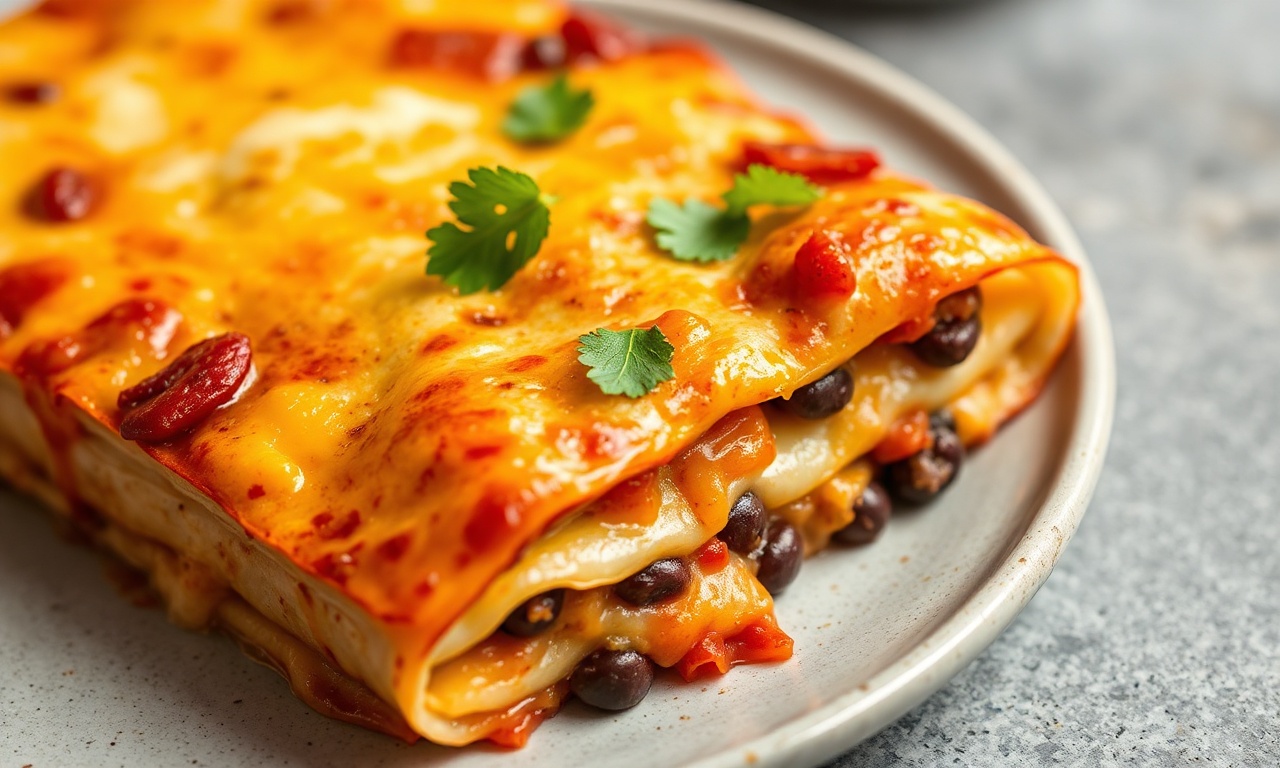
Vegetarian Enchiladas are no longer a mere substitute for their meat-laden counterparts; they have ascended to a culinary art form, celebrated for their vibrant flavors, diverse textures, and inherent wholesome goodness. Imagine a dish that encapsulates the warmth of home cooking, the zest of authentic Mexican spices, and the satisfying heartiness of thoughtfully chosen plant-based ingredients. This is the promise of expertly crafted vegetarian enchiladas, a meal that can transform a weeknight dinner into a memorable feast and impress even the most discerning palates. Forget the notion of bland or uninspired meatless meals; we’re about to start to create vegetarian enchiladas that are not just satisfying, but truly sublime.
The true magic of vegetarian enchiladas lies in the harmonious interplay of humble ingredients, elevated through technique and thoughtful seasoning to create a symphony of taste and texture.
This comprehensive guide will demystify the process, revealing the secrets to achieving restaurant-quality vegetarian enchiladas right in your own kitchen. We’ll explore the foundational elements, from crafting an unparalleled enchilada sauce to preparing a filling that bursts with flavor and character. You’ll learn crucial techniques for achieving perfect tortilla texture and discover how to layer flavors for maximum impact. Prepare to elevate your cooking and delight your senses with the unparalleled joy of truly exceptional vegetarian enchiladas.
The Enduring Allure of Vegetarian Enchiladas
Enchiladas, a cornerstone of Mexican cuisine, boast a rich history dating back to pre-Hispanic times, where corn tortillas were a staple, rolled around various fillings and bathed in chile-based sauces. Over centuries, this foundational concept evolved, absorbing influences and adapting to available ingredients. The modern iteration of vegetarian enchiladas is proof of this culinary evolution, showcasing how plant-based ingredients can stand proudly at the center of this beloved dish. The appeal is multifaceted: they offer a deeply comforting and familiar flavor profile while providing a versatile canvas for an astonishing array of vegetables, beans, and grains. For those seeking healthier, plant-forward meals, vegetarian enchiladas present a compelling option that doesn’t compromise on taste or satisfaction. Research from institutions like the Harvard T.H.
Chan School of Public Health consistently highlights the benefits of diets rich in legumes and vegetables, suggesting that meals like these can contribute to improved cardiovascular health and weight management.
The intrinsic appeal of vegetarian enchiladas also lies in their adaptability. Whether you prefer the subtle sweetness of roasted sweet potatoes, the earthy robustness of black beans, the creamy richness of poblano peppers, or the hearty texture of mushrooms and spinach, the possibilities are virtually endless. This adaptability makes them a perfect choice for home cooks looking to cater to various dietary preferences and a fantastic way to use up seasonal produce.
Mastering the Foundation: The Art of the Enchilada Sauce
The soul of any truly exceptional enchilada, vegetarian or otherwise, is its sauce. While store-bought options can be a convenient shortcut, they often lack the depth, complexity, and vibrant character that elevates a good dish to a great one. Crafting a homemade enchilada sauce is not an arduous task, but rather a rewarding culinary adventure that unlocks a new dimension of flavor. The key lies in building layers of taste through carefully selected chiles, aromatics, and spices.
A fundamental approach involves using dried chiles like ancho or guajillo, which impart a mild, fruity heat and a beautiful reddish-brown hue. Roasting these chiles, along with tomatoes, onions, and garlic, under a broiler or directly over a flame, intensifies their natural sweetness and adds a desirable smoky undertone. This charring process is crucial for developing complex flavor compounds. For instance, studies in food chemistry have shown that the Maillard reaction and caramelization that occur during roasting significantly alter the flavor profile of vegetables and spices, creating richer, more nuanced tastes.
The blended mixture, combined with vegetable broth and a symphony of spices such as cumin, coriander, and oregano, then simmers gently. This slow simmering allows the flavors to meld and deepen, resulting in a sauce that is both comforting and invigorating. A secret weapon for some chefs is a touch of unsweetened cocoa powder, a technique borrowed from traditional mole sauces, which adds an unexpected depth and velvety richness without imparting a chocolatey taste. This meticulous preparation ensures that every bite of your vegetarian enchiladas is infused with a sauce that is as memorable as the filling itself.
The Heart of the Dish: Crafting a Superior Sweet Potato and Black Bean Filling
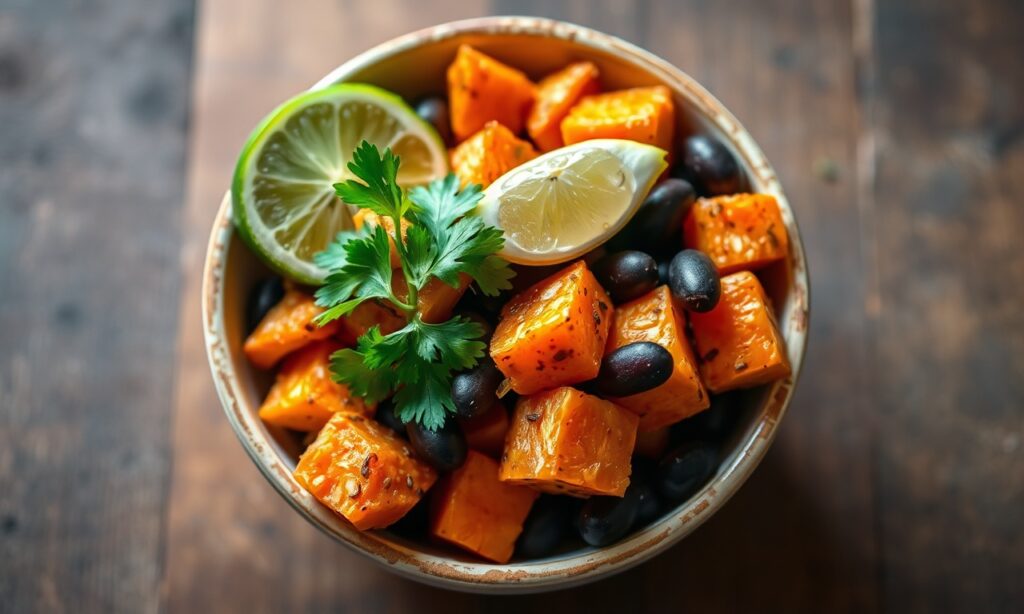
When it comes to vegetarian enchiladas, the filling is where the creative magic truly happens. While many fillings are delicious, the combination of roasted sweet potatoes and black beans offers a particularly compelling synergy of flavors and textures. Sweet potatoes, especially when roasted until tender and slightly caramelized, provide a natural sweetness and a creamy, yielding texture that beautifully contrasts with the more robust, earthy notes of black beans. This pairing is not just about taste; it’s also a nutritional powerhouse. Sweet potatoes are rich in beta-carotene (a precursor to Vitamin A), essential for vision and immune function, and provide a good source of dietary fiber. Black beans, conversely, are an excellent source of plant-based protein, fiber, iron, and antioxidants, contributing to satiety and sustained energy release.
To prepare this filling, start by roasting diced sweet potatoes until they are fork-tender and their edges are lightly browned, coaxing out their inherent sweetness. Simultaneously, sauté finely chopped red onion and minced garlic until softened and fragrant, forming an aromatic base. Combine the roasted sweet potatoes with rinsed and drained black beans, the sautéed aromatics, and a carefully balanced blend of spices: cumin for warmth, smoked paprika for a hint of smokiness, and chili powder for a customizable kick. A generous squeeze of fresh lime juice brightens all the flavors, while chopped fresh cilantro adds a burst of herbaceous freshness. Gently tossing these ingredients together ensures that each component retains its integrity while harmonizing into a cohesive, flavorful mixture. This filling is not merely a binder; it’s a flavorful component that stands on its own, providing substance and deliciousness to every rolled tortilla.
The Crucial Step: Perfecting Tortilla Preparation for Optimal Texture
One of the most common pitfalls in making enchiladas is the dreaded soggy tortilla. The key to avoiding this is proper tortilla preparation, a step that is often overlooked but critically important for achieving the desired texture. While some recipes suggest simply warming tortillas, a more effective method for authentic results involves a brief dip or light fry in oil. This technique, known as “tempering” or “flash-frying,” seals the tortilla, making it more pliable and less prone to absorbing excess moisture from the sauce and filling, thereby preventing sogginess.
For this process, heat a modest amount of neutral oil, such as vegetable or canola oil, in a skillet over medium-high heat. You’re not aiming for crispy tortillas, but rather for them to become soft and pliable. Dip each corn tortilla in the hot oil for about 15-20 seconds per side, just until it softens and becomes flexible enough to roll without cracking. Immediately remove the tortilla and drain it on paper towels to absorb any excess oil. This brief frying not only prevents sogginess but also imparts a subtle, pleasant chewiness that enhances the overall eating experience. While flour tortillas can be used, corn tortillas are traditionally preferred for their authentic flavor and texture in enchiladas, and this tempering method is especially beneficial for them. Adhering to this step ensures that your vegetarian enchiladas have a delightful bite, rather than a mushy texture.
Assembling and Baking: The Grand Finale of Vegetarian Enchiladas
With the sauce prepped, the filling ready, and the tortillas perfectly tempered, it’s time for the satisfying assembly and baking process. This is where all the individual elements converge to create the final, magnificent dish. Begin by preheating your oven to a moderate temperature, typically around 375°F (190°C).
The assembly starts with a thin layer of your rich enchilada sauce spread across the bottom of a baking dish, usually a 9×13 inch pan. This provides a flavorful base and prevents the first layer of enchiladas from sticking. Then, take a tempered tortilla, lay it flat, and spoon a generous portion of your sweet potato and black bean filling down the center. Roll the tortilla up snugly and place it seam-side down in the prepared baking dish. Continue this process, arranging the rolled enchiladas in a single layer, ensuring they are nestled together.
Once all the enchiladas are rolled and in the dish, generously pour the remaining enchilada sauce over the top, ensuring each one is well-coated. This sauce layer is crucial for infusing the tortillas and filling with flavor as they bake. If you opt for cheese, now is the time to sprinkle it liberally over the sauced enchiladas. Cover the baking dish tightly with aluminum foil. This traps steam and heat, allowing the enchiladas to cook through evenly and the flavors to meld beautifully. Bake for approximately 20-25 minutes, or until the sauce is bubbling and the enchiladas are heated through. For the final few minutes of baking, if you’ve added cheese, removing the foil will allow it to melt and achieve a desirable golden-brown finish.
After baking, allow the enchiladas to rest for about 5-10 minutes before serving. This resting period is vital as it allows the enchiladas to set slightly, making them easier to serve without falling apart and enabling the flavors to settle. Garnish generously with fresh cilantro, and offer a selection of complementary toppings such as sliced avocado, a dollop of sour cream or Greek yogurt, crumbled cotija cheese (or a vegan alternative), or pickled red onions for a tangy counterpoint.
Elevating Your Vegetarian Enchiladas: Expert Tips and Considerations
Achieving truly exceptional vegetarian enchiladas involves more than just following a recipe; it’s about understanding the nuances that elevate a good meal to a memorable one. Seasoned chefs often employ specific techniques and considerations that make a tangible difference.
One critical aspect is the quality and preparation of your spices. For instance, toasting whole cumin and coriander seeds in a dry skillet before grinding them can unlock their essential oils, dramatically intensifying their aroma and flavor. This principle of “blooming” spices can also be applied to ground spices; a brief sauté in a little oil before adding other ingredients can awaken their full flavor potential.
Another consideration is the balance of flavors. While the sweet potato and black bean filling is inherently delicious, a touch of acidity can cut through the richness and enhance the overall taste. As mentioned, lime juice is excellent in the filling, but a splash of apple cider vinegar in the enchilada sauce can also provide that crucial brightness. Don’t be afraid to taste and adjust seasonings throughout the cooking process. For example, if your sauce seems a little flat, a tiny pinch of sugar or a bit more salt can make all the difference.
Nutritional Insights: A Wholesome Indulgence
Beyond their undeniable deliciousness, vegetarian enchiladas, particularly this sweet potato and black bean iteration, offer a significant nutritional advantage. This meal is proof of how plant-based eating can be both deeply satisfying and incredibly healthy. A typical serving of 2-3 enchiladas can provide a substantial amount of dietary fiber, which is crucial for digestive health, blood sugar regulation, and promoting a feeling of fullness. The plant-based protein from the black beans contributes to muscle repair and satiety, making this a complete and well-rounded meal.
The beta-carotene in sweet potatoes is converted by the body into Vitamin A, vital for maintaining healthy vision, skin, and immune function. Tomatoes, a key component of the enchilada sauce, are rich in lycopene, a powerful antioxidant linked to reduced risk of certain cancers. Furthermore, the combination of legumes and vegetables aligns with dietary guidelines that promote heart health and can aid in managing blood pressure and cholesterol levels. This makes vegetarian enchiladas a choice that nourishes the body as much as it delights the palate. For those managing specific dietary needs, such as gluten-free or vegan diets, this recipe can be easily adapted. Using 100% corn tortillas ensures a gluten-free option, and by omitting dairy cheese and using vegan sour cream alternatives, the dish becomes entirely plant-based.
Frequently Asked Questions About Vegetarian Enchiladas
Can I prepare the enchilada sauce and filling ahead of time?
Absolutely. The enchilada sauce can be made up to 3-4 days in advance and stored in an airtight container in the refrigerator. Its flavor often deepens and melds further with time. Similarly, the sweet potato and black bean filling can be prepared a day in advance and stored separately. This makes assembly on the day of serving much quicker and more convenient.
What are the best types of tortillas to use for vegetarian enchiladas?
Corn tortillas are traditionally preferred for their authentic flavor and texture. They hold up well when tempered and sauced. For a gluten-free option, ensure you are using 100% corn masa tortillas. While flour tortillas can be used, they tend to be softer and may absorb more moisture, leading to a different texture.
How can I make my vegetarian enchiladas spicier?
To increase the heat, consider adding a fresh jalapeño or serrano pepper (with seeds and membranes for maximum heat) when blending your enchilada sauce. You can also add a pinch of cayenne pepper or a dash of your favorite hot sauce to the filling or sauce. For a smoky heat, chipotle peppers in adobo sauce are an excellent addition to the enchilada sauce.
Can vegetarian enchiladas be frozen?
Yes, vegetarian enchiladas freeze exceptionally well. Assemble and bake them in a freezer-safe dish, cover tightly with plastic wrap and then aluminum foil, and freeze for up to 2-3 months. To reheat, thaw overnight in the refrigerator and bake as directed, adding a few extra minutes to ensure they are thoroughly heated. Alternatively, you can bake from frozen, which will require a longer cooking time.
What other vegetables can I use for vegetarian enchilada fillings?
The beauty of enchiladas lies in their versatility. Excellent additions or substitutions include roasted poblano peppers, sautéed mushrooms and spinach, butternut squash, corn kernels, diced bell peppers, zucchini, or even a hearty mix of lentils and vegetables. The key is to ensure any vegetables used are cooked until tender and their flavors are concentrated before incorporating them into the filling.
Final Recommendations: Embrace the Art of Vegetarian Enchiladas
Creating exceptional vegetarian enchiladas is a journey that rewards patience, attention to detail, and a willingness to embrace flavor. This guide has equipped you with the knowledge to craft a dish that is not only a delight to eat but also a nourishing choice. From the foundational richness of a homemade enchilada sauce to the satisfying texture of perfectly prepared tortillas and the vibrant complexity of a sweet potato and black bean filling, every element matter significantly.
Don’t shy away from experimentation. Taste your ingredients, adjust your spices, and find the perfect balance that suits your palate. Whether you’re a seasoned cook or just beginning your culinary adventures, these vegetarian enchiladas offer a gateway to understanding the depth and satisfaction that plant-based cooking can provide. So, gather your ingredients, fire up your stove, and prepare to experience the unparalleled joy of truly magnificent vegetarian enchiladas. They are more than just a meal; they are an experience waiting to be savored.
RELATED TOPICS: Plant-Based Mexican Cuisine, Healthy Dinner Recipes, Comfort Food Classics, Vegetable-Forward Cooking, Flavorful Vegan Meals
See also: Vegetarian Enchiladas