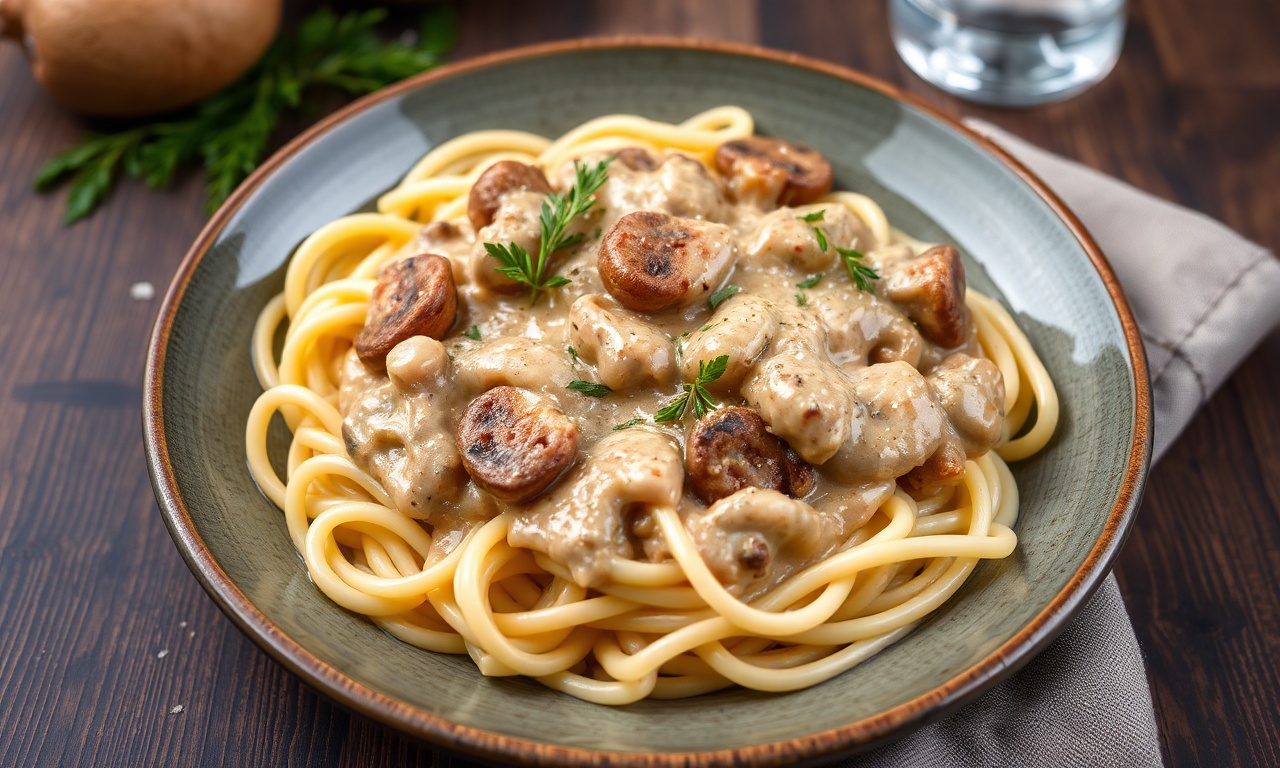

Mushroom Stroganoff: A Symphony of Creamy Comfort
Have you ever found yourself craving a dish that is simultaneously elegant and deeply comforting, a culinary hug that satisfies on every level? Mushroom Stroganoff, with its roots tracing back to 19th-century Russia, embodies this very essence. It’s a dish that, when prepared with care and understanding, transcends its humble ingredients to become a truly memorable experience. Far from being a simple sauté, a truly exceptional Mushroom Stroganoff is proof of the art of balancing rich, earthy flavors with a luxurious, velvety texture. This guide aims to demystify the process, transforming it from a potentially daunting recipe into an achievable, deeply rewarding culinary endeavor, suitable for both the novice home cook and the seasoned gourmand seeking to refine their technique.
- Mushroom Stroganoff: A Symphony of Creamy Comfort
- Mastering the Mushroom: The Heart of the Dish
- The Art of the Sauce: Creaminess with Complexity
- The Supporting Cast: Beyond Mushrooms and Sauce
- Elevating Your Mushroom Stroganoff: Pro-Tips for Restaurant-Quality Results
- Frequently Asked Questions about Mushroom Stroganoff
Mushroom Stroganoff is more than just a meal; it’s a diverse mix of history, flavor, and comforting textures, elevated by thoughtful preparation.
This dish, often associated with French haute cuisine due to its development and popularization in the early 20th century, has a fascinating lineage. Originally conceived by a French chef for the Stroganov family, it has since evolved, with countless variations emerging across the globe. The core elements – mushrooms, a creamy sauce, and typically a protein – remain, but the true magic lies in the execution. We’ll explore not just how to make it, but *why* certain steps yield superior results, exploring the nuances that separate a good Stroganoff from an extraordinary one. Our journey will cover everything from selecting the perfect mushrooms to achieving that signature silken sauce, ensuring your Mushroom Stroganoff is not just cooked, but truly mastered.
The Genesis of a Classic: A Brief Culinary History
The tale of Stroganoff, as it’s often affectionately shortened, begins in the opulent dining rooms of mid-19th century Russia. Legend attributes its creation to a French chef employed by Count Pavel Alexandrovich Stroganov, a prominent statesman and military figure. The dish was reportedly designed to be a refined yet accessible meal for the Count’s guests, showcasing the best of Russian ingredients with a touch of French culinary finesse. Early versions likely featured beef, onions, and a sour cream-based sauce, perhaps served with potatoes or buckwheat. It was a dish designed for substance and sophistication, a hallmark of the era’s aristocratic dining.
The dish’s journey westward, particularly to America, saw significant adaptations. The advent of readily available canned mushrooms and the desire for quicker preparation methods led to variations that, while still delicious, sometimes strayed from the original’s nuanced texture and depth. In many American interpretations, the sauce can become too thick, the mushrooms lose their distinct character, and the overall balance can be compromised. This guide, however, aims to recapture the spirit of that original elegance, focusing on techniques that honor the ingredients and deliver a consistently superior outcome, whether you’re making a traditional beef version or a vegetarian delight.
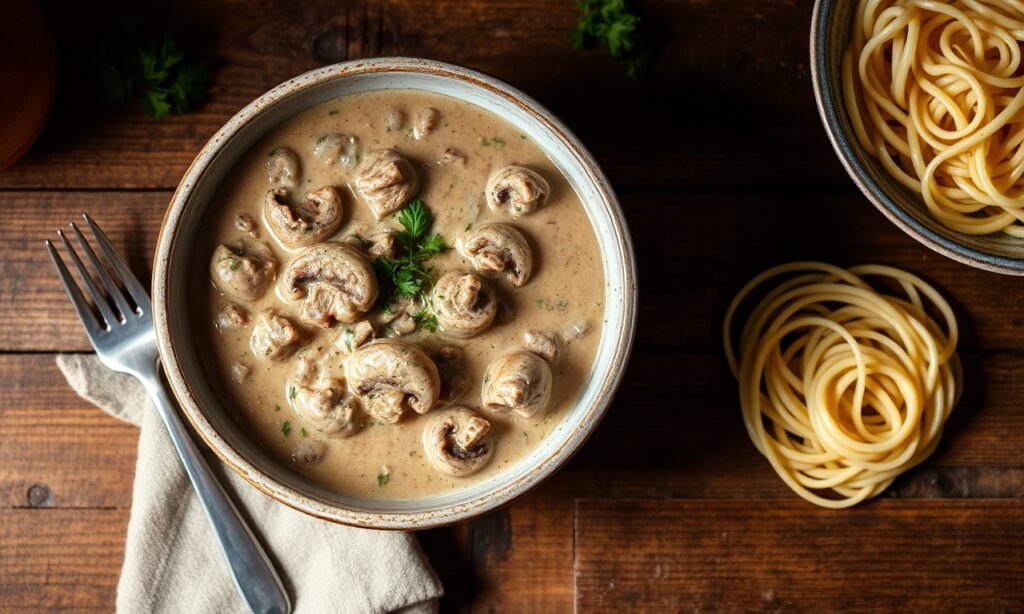
Mastering the Mushroom: The Heart of the Dish
The cornerstone of any great Mushroom Stroganoff is, unequivocally, the mushrooms themselves. Their earthy aroma, unique texture, and ability to absorb and enhance flavors are what give this dish its soul. Simply tossing in any mushroom you have on hand won’t suffice for true culinary excellence. Understanding the characteristics of different varieties and how to treat them is paramount.
For a truly exceptional Mushroom Stroganoff, a blend of mushrooms is often the secret to layering complexity. Cremini (baby bella) mushrooms are an excellent starting point, offering a robust flavor and firm texture that holds up well to sautéing. Their slightly deeper flavor compared to white button mushrooms provides a good foundation. To add another dimension, consider incorporating shiitake mushrooms. Their distinct umami profile and chewy texture contribute a sophisticated depth that elevates the dish significantly. For those seeking a touch of luxury, a few oyster mushrooms can add a delicate, almost seafood-like quality and a tender bite.
The preparation of these fungi is as crucial as their selection. Overcrowding the pan during sautéing is a cardinal sin, leading to steamed rather than seared mushrooms. This results in a watery, flabby texture and a diminished flavor. Instead, cook the mushrooms in batches over medium-high heat, allowing them to brown properly. This process, known as the Maillard reaction, is responsible for developing those complex, savory notes that are indispensable to Stroganoff. Don’t be afraid to let them develop a rich, golden-brown crust. This browning is where the flavor truly resides.
[TIP]Expert Insight: When sautéing mushrooms, resist the urge to stir them constantly. Allow them to sit undisturbed for a minute or two between stirs. This promotes better caramelization and prevents them from releasing too much moisture prematurely. Season them with salt towards the end of their cooking time, as salt can draw out moisture.
Selecting the Perfect Mushrooms: A Chef’s Perspective
When sourcing your mushrooms, look for firm, plump specimens with no signs of bruising or sliminess. For the best flavor, it’s often recommended to use fresh mushrooms rather than pre-sliced ones, as they tend to retain more moisture and can be more uniformly browned. If using dried mushrooms, such as porcini, rehydrate them in warm water before adding them to the dish. Reserve the flavorful soaking liquid (strained to remove any grit) to add an extra layer of earthy intensity to your sauce. This practice is a common technique in classic European cooking, demonstrating a deep understanding of ingredient utilization and flavor extraction.
The quantity of mushrooms is also a factor. A truly mushroom-forward Stroganoff should have a generous proportion of mushrooms to sauce. A common ratio to aim for is roughly equal parts by volume of mushrooms to the final sauce, or even slightly more mushrooms. This ensures that every bite is a delightful encounter with their unique texture and taste.
The Art of the Sauce: Creaminess with Complexity
The sauce is the silken embrace that binds the elements of Mushroom Stroganoff together. Achieving its characteristic rich, creamy texture without it becoming heavy or cloying requires a delicate balance of ingredients and techniques. The foundation of the sauce typically involves sautéed aromatics, a deglazing liquid, and the creamy element.
Onions and garlic are the usual starting point for the aromatic base. Finely minced onions, sautéed until softened and translucent, lay the groundwork for sweetness. Garlic, added towards the end of the onion’s cooking time to prevent burning, introduces pungency. A splash of brandy or dry white wine used to deglaze the pan after sautéing the mushrooms and aromatics is crucial. This step not only loosens any flavorful browned bits (fond) from the bottom of the pan but also adds a layer of acidity and complexity that cuts through the richness of the cream. The alcohol cooks off, leaving behind a more nuanced flavor profile.
The creamy element is traditionally sour cream, which provides a characteristic tanginess. However, for a richer, more stable sauce, a combination of heavy cream and a touch of sour cream or crème fraîche often yields superior results. The heavy cream provides luxurious body, while the sour cream or crème fraîche adds that essential bright, slightly acidic note that prevents the sauce from tasting flat. Some recipes also incorporate a thickening agent, such as a roux (butter and flour cooked together) or a cornstarch slurry, to achieve the desired consistency.
[WARNING]Pro-Caution: When adding sour cream or crème fraîche to a hot sauce, temper it first to prevent curdling. Whisk a small amount of the hot sauce into the sour cream gradually before stirring the tempered mixture back into the main pot. This gradual increase in temperature helps the sour cream emulsify smoothly into the sauce.
Achieving Velvety Smoothness: Techniques and Tips
Beyond the tempering of dairy, several other techniques contribute to a perfect sauce. Simmering the sauce gently after all ingredients are combined allows the flavors to meld and deepen. Avoid boiling the sauce vigorously once the cream and sour cream are added, as this can cause them to separate. A low, slow simmer is key.
For an even more refined sauce, consider straining some of the aromatics if you prefer an ultra-smooth finish, although leaving them in adds texture and visual appeal. The consistency should be thick enough to coat the back of a spoon but still pourable. If it’s too thick, a little extra broth or cream can be added to thin it. If it’s too thin, a cornstarch slurry or a light roux can be used to thicken it further. The final seasoning with salt and freshly ground black pepper is the last, critical step. Taste and adjust until the flavors sing.
The Supporting Cast: Beyond Mushrooms and Sauce
While mushrooms and sauce are the undisputed stars, the accompanying elements matter significantly in the overall harmony of Mushroom Stroganoff. Traditionally, Stroganoff is served over noodles, but the type of noodle and preparation can significantly impact the dish.
The most classic pairing is egg noodles. Wide, flat egg noodles are ideal, as their broad surface area beautifully cradles the rich sauce. It’s imperative to cook them *al dente* – tender but with a slight bite. Overcooked, mushy noodles will detract from the dish’s texture. A small amount of butter or olive oil tossed with the drained noodles can prevent them from clumping and add a touch of richness.
However, the versatility of Mushroom Stroganoff extends beyond egg noodles. For a lighter option, pasta variations like fettuccine or linguine work well. For a gluten-free or more rustic approach, serving over quinoa, rice (especially basmati or wild rice for an earthy counterpoint), or even creamy polenta can be incredibly satisfying. The key is to choose a base that complements the richness of the Stroganoff without overpowering it.
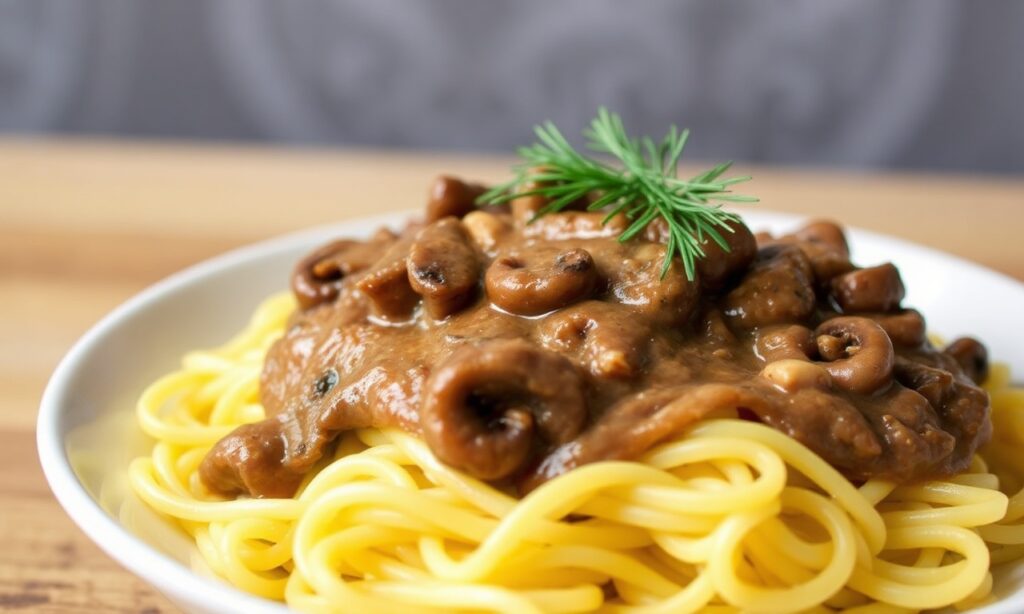
Adding Depth: Proteins and Vegetarian Alternatives
While this guide focuses on Mushroom Stroganoff, Notably, the original dish often included beef. Thinly sliced sirloin or tenderloin, seared quickly to medium-rare, can be incorporated for a more substantial meal. The key is to cook the beef separately and add it at the very end, preserving its tenderness.
For a purely vegetarian or vegan iteration, the mushrooms themselves are the star. However, you can introduce other elements for added texture and protein. Sautéed lentils, pan-fried halloumi cheese (for a vegetarian version), or even tofu cubes marinated and pan-fried until crispy can provide satisfying protein boosts. For a vegan sauce, substitute the dairy with a base of sautéed cashews blended with vegetable broth and plant-based milk, seasoned with nutritional yeast for a cheesy undertone.
Elevating Your Mushroom Stroganoff: Pro-Tips for Restaurant-Quality Results
Moving beyond the basic recipe, several expert touches can elevate your Mushroom Stroganoff from delicious home cooking to something truly exceptional. These are the subtle nuances that chefs employ to create depth, balance, and a memorable dining experience.
One such technique involves building layers of flavor from the very beginning. Instead of just sautéing mushrooms and onions, consider caramelizing the onions slowly until deeply golden brown. This process intensifies their sweetness and adds a profound depth to the sauce. Similarly, browning the mushrooms in batches, as previously mentioned, is non-negotiable for developing their full flavor potential.
Another impactful tip is the judicious use of umami-rich ingredients. Beyond the mushrooms themselves, a tablespoon or two of tomato paste, sautéed with the aromatics until it darkens slightly, adds a concentrated savory note. A dash of Worcestershire sauce (ensure it’s vegetarian or vegan if needed) or a splash of soy sauce can also boost the umami significantly. For a truly gourmet touch, a small amount of truffle oil drizzled over the finished dish just before serving can impart an intoxicating aroma and flavor.
[TIP]Expert Insight: Don’t underestimate the power of fresh herbs. While parsley is a common garnish, a sprinkle of fresh dill or chives just before serving can add a bright, herbaceous counterpoint to the richness of the Stroganoff. Dill, in particular, has a long-standing traditional pairing with creamy, mushroom-based dishes.
The Finishing Touches: Presentation and Seasoning
Presentation matters, even in comfort food. Serving your Mushroom Stroganoff in a rustic earthenware bowl or a classic cast-iron skillet can enhance its appeal. A final garnish of fresh herbs, a dollop of extra sour cream or crème fraîche, or a dusting of smoked paprika can add visual flair.
Finally, seasoning is an ongoing process. Don’t wait until the very end to salt and pepper your dish. Season the mushrooms as they sauté, season the aromatics, and season the sauce as it simmers. Taste and adjust at each stage. This ensures that the flavors are well-integrated and balanced throughout the entire dish. A well-seasoned dish is one where no single flavor dominates, but rather they all work in concert.
Frequently Asked Questions about Mushroom Stroganoff
H3: What are the best mushrooms to use for Mushroom Stroganoff?
For optimal flavor and texture, a combination of mushrooms is recommended. Cremini (baby bella) mushrooms provide a robust base, while shiitake mushrooms add a deep umami flavor. Oyster mushrooms can offer a delicate touch. Using a blend ensures a more complex and satisfying taste profile. For an even richer flavor, consider rehydrating dried porcini mushrooms and using their soaking liquid.
H3: How can I prevent my Stroganoff sauce from curdling?
Curdling typically occurs when dairy is added too quickly to a hot liquid. To prevent this, temper the sour cream or crème fraîche. Whisk a small amount of the hot sauce into the dairy mixture gradually before stirring the tempered dairy back into the main pot. Always maintain a gentle simmer rather than a rolling boil once the dairy has been added. Using a combination of heavy cream and sour cream can also improve stability.
H3: Can I make Mushroom Stroganoff ahead of time?
Yes, Mushroom Stroganoff can be made ahead of time, but with some considerations. The sauce and mushrooms can be prepared and stored separately in the refrigerator for up to 2-3 days. Reheat gently on the stovetop, adding a splash of broth or cream if needed to loosen the sauce. Cook noodles fresh just before serving to maintain their texture. It’s generally best to add any final garnishes or delicate herbs just before serving.
H3: What are some good side dishes to serve with Mushroom Stroganoff?
Classic pairings include wide egg noodles, but other excellent options include fettuccine, linguine, rice (basmati or wild rice), quinoa, or creamy polenta. For a lighter meal, a simple green salad with a vinaigrette can provide a refreshing contrast to the richness of the Stroganoff. Steamed green beans or asparagus also make for a lovely accompaniment.
H3: How can I make a vegan Mushroom Stroganoff?
To create a vegan version, replace the butter with olive oil or vegan butter, use vegetable broth instead of beef broth, and opt for plant-based dairy alternatives. Cashew cream, coconut milk (full-fat), or a blend of silken tofu and vegetable broth can create a creamy sauce. Ensure your Worcestershire sauce is vegan or substitute with a touch of soy sauce and a pinch of sugar. Omit any cheese garnish or use a vegan cheese alternative.
See also: Mushroom Stroganoff