
“The most fundamental, most important thing to understand about food is that it is about people. It is about culture. It is about community. It is about nourishment.” – Alice Waters
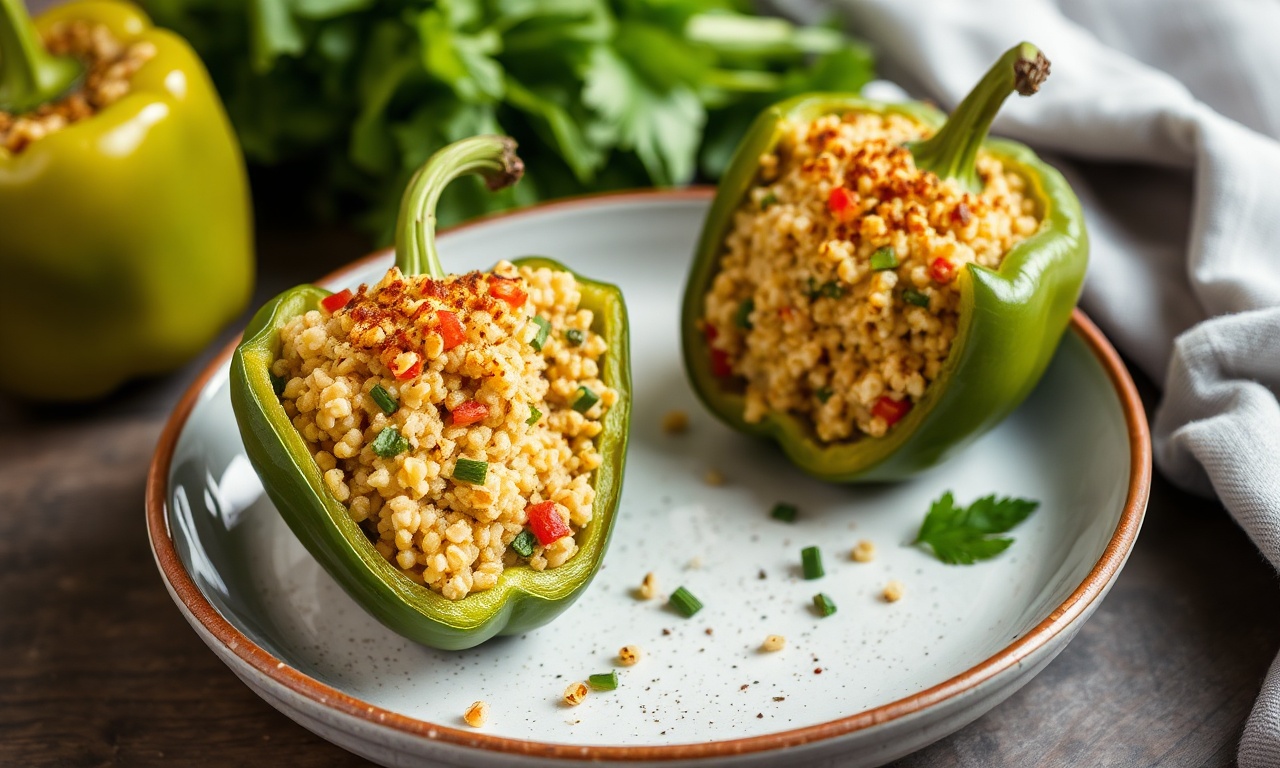
Few dishes embody the vibrant intersection of health, flavor, and culinary artistry quite like Quinoa Stuffed Peppers. This preparation, where bell peppers are transformed into edible vessels for a nutrient-dense quinoa filling, has transcended fleeting food trends to become a staple in kitchens worldwide. It speaks to our growing desire for wholesome, plant-based meals without compromising on taste or satisfaction. As a seasoned culinary journalist, I’ve seen firsthand how Quinoa Stuffed Peppers have evolved from a niche health food to a universally beloved comfort meal. Achieving gluten-free vegetarian perfection with this dish isn’t just about following a recipe; it’s about understanding ingredient synergy, mastering simple techniques, and appreciating its inherent versatility.
“Quinoa Stuffed Peppers are more than just a meal; they are proof of how simple, wholesome ingredients can be transformed into a culinary masterpiece that nourishes both body and soul.”
This guide offers a comprehensive look at what makes Quinoa Stuffed Peppers so exceptional, from selecting the finest ingredients to achieving that perfect texture. We’ll explore the nutritional benefits of quinoa, creative filling variations, and actionable tips to elevate your stuffed pepper game.
The Genesis and Appeal of Quinoa Stuffed Peppers
The concept of stuffing vegetables with grains and other fillings is ancient, with roots tracing back to various cultures across the Mediterranean and Middle East. However, the modern iteration, particularly with quinoa, gained significant traction in the late 20th and early 21st centuries, coinciding with a global surge in interest in healthy eating and gluten-free lifestyles. Quinoa, a pseudocereal originating from the Andes, became a culinary darling due to its complete protein profile, high fiber content, and gluten-free nature. Bell peppers, with their naturally hollow interiors and mild sweetness, proved to be ideal edible containers, offering a delightful contrast in texture and vibrant visual appeal.
The appeal of Quinoa Stuffed Peppers lies in their inherent adaptability. They serve as a blank canvas for a multitude of flavors, catering to diverse palates and dietary needs. Whether you’re a seasoned vegetarian, exploring gluten-free options, or simply seeking a nutritious and satisfying weeknight meal, this dish delivers. Its ability to be prepared ahead of time also makes it a practical choice for busy individuals and families. The satisfaction derived from a well-executed Quinoa Stuffed Pepper is profound; it’s a meal that feels both indulgent and virtuous.
The Heart of the Dish: Perfect Quinoa and Flavorful Fillings
The foundation of any exceptional Quinoa Stuffed Pepper is the quinoa itself. It’s crucial to cook it perfectly – fluffy, distinct grains, not mushy or clumped. This requires precise water-to-quinoa ratios and proper cooking techniques. Beyond the quinoa, the magic truly happens in the filling, where creativity and personal preference come into play.
Essential Ingredients for Classic Quinoa Stuffed Peppers
To achieve gluten-free vegetarian perfection, start with high-quality ingredients. For a standard recipe serving 4-6 people, you will need:
- Bell Peppers: 4-6 large bell peppers (any color: red, yellow, orange, or green), tops sliced off, seeds and membranes removed.
- Quinoa: 1 cup (about 185g) uncooked quinoa, rinsed thoroughly.
- Vegetable Broth: 2 cups (about 480ml) low-sodium vegetable broth or water.
- Olive Oil: 2 tablespoons extra virgin olive oil.
- Onion: 1 medium yellow onion, finely chopped.
- Garlic: 3-4 cloves garlic, minced.
- Black Beans: 1 can (15oz / 425g) black beans, rinsed and drained.
- Corn: 1 cup (about 150g) fresh or frozen corn kernels.
- Diced Tomatoes: 1 can (14.5oz / 411g) diced tomatoes, undrained.
- Spices: 1 teaspoon chili powder, 1/2 teaspoon cumin, 1/4 teaspoon smoked paprika, salt and freshly ground black pepper to taste.
- Fresh Cilantro: 1/4 cup chopped fresh cilantro (optional, for garnish and flavor).
- Optional Toppings: Shredded cheese (cheddar, Monterey Jack, or a vegan alternative), avocado slices, sour cream or plain yogurt (or vegan alternatives).
Step-by-Step Preparation Method
Mastering Quinoa Stuffed Peppers involves a series of straightforward yet crucial steps.
- Prepare the Peppers: Preheat your oven to 375°F (190°C). Slice off the tops of the bell peppers and carefully remove the seeds and white membranes. Trimming a small slice off the bottom of each pepper can help them stand upright. Blanching the peppers in boiling water for 2-3 minutes can help soften them slightly and reduce baking time, though this step is optional.
- Cook the Quinoa: Combine the rinsed quinoa and vegetable broth (or water) in a medium saucepan. Bring to a boil, then reduce heat to low, cover, and simmer for 15 minutes, or until the liquid is absorbed and the quinoa is fluffy. Let it steam, covered, for an additional 5 minutes off the heat. Fluff with a fork.
- Sauté the Aromatics: While the quinoa cooks, heat the olive oil in a large skillet or Dutch oven over medium heat. Add the chopped onion and cook until softened and translucent, about 5-7 minutes. Add the minced garlic and cook for another minute until fragrant, being careful not to burn it.
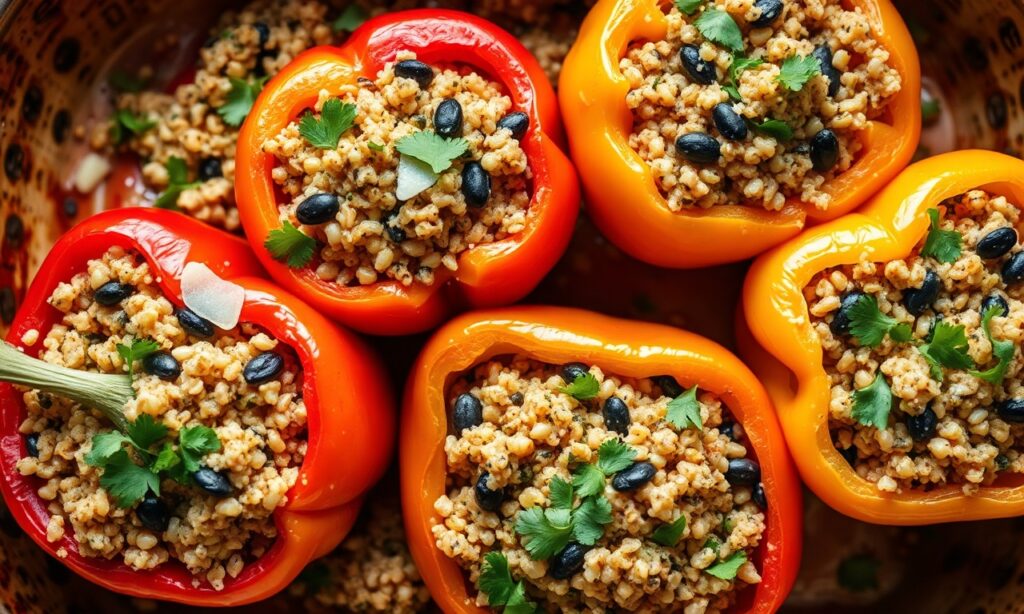
- Build the Filling: Stir in the rinsed black beans, corn kernels, diced tomatoes (with their juice), chili powder, cumin, and smoked paprika. Cook for 5-7 minutes, stirring occasionally, allowing the flavors to meld. Season with salt and freshly ground black pepper to taste.
- Combine Filling Ingredients: Add the cooked quinoa to the skillet with the vegetable mixture. Stir well to combine everything evenly. Taste and adjust seasonings as needed. If using, stir in half of the chopped cilantro at this stage.
- Stuff the Peppers: Generously spoon the quinoa mixture into each prepared bell pepper, packing it in gently. Place the stuffed peppers in a baking dish.
- Bake: Pour about 1/2 inch of water or vegetable broth into the bottom of the baking dish. This will create steam and help the peppers cook evenly without drying out. Cover the baking dish tightly with aluminum foil. Bake for 30-40 minutes, or until the peppers are tender when pierced with a fork.
- Add Toppings (Optional): If you’re using cheese, remove the foil during the last 10-15 minutes of baking and sprinkle cheese over the top of the stuffed peppers. Bake until the cheese is melted and bubbly.
- Serve: Let the Quinoa Stuffed Peppers rest for a few minutes before serving. Garnish with the remaining fresh cilantro and any other desired toppings like avocado slices or a dollop of sour cream.
Nutritional Insights: A Wholesome Powerhouse
The nutritional profile of Quinoa Stuffed Peppers is one of their most compelling attributes, aligning perfectly with modern dietary goals. Quinoa is a complete protein, meaning it contains all nine essential amino acids, a rarity among plant-based foods. Research suggests one cup of cooked quinoa (about 185g) provides approximately 8 grams of protein and 5 grams of fiber. This combination of protein and fiber is crucial for satiety, helping you feel fuller for longer, which can be beneficial for weight management.
Beyond protein, quinoa is an excellent source of manganese, magnesium, phosphorus, and folate. The inclusion of black beans adds further plant-based protein and significant amounts of iron and fiber. Corn contributes complex carbohydrates and some essential vitamins. Bell peppers themselves are rich in Vitamin C, with red bell peppers containing substantial amounts of the daily recommended intake per serving, alongside Vitamin A and antioxidants. This synergy makes Quinoa Stuffed Peppers a nutritionally dense meal that supports overall health and well-being.
A typical serving (one stuffed pepper, without optional toppings) can provide:
- Calories: Approximately 300-350 kcal
- Protein: 10-15g
- Fiber: 8-12g
- Healthy Fats: 8-10g
- Vitamins & Minerals: Significant amounts of Vitamin C, Vitamin A, Iron, Magnesium, and Manganese.
These figures can vary based on the specific ingredients and portion sizes used. This dish is naturally gluten-free, making it an excellent option for individuals with celiac disease or gluten sensitivity.
Beyond the Classic: Creative Variations and Expert Tips
The beauty of Quinoa Stuffed Peppers lies in their infinite potential for variation. Don’t be afraid to experiment with different flavor profiles and ingredients to make them your own.
Flavorful Filling Inspirations:
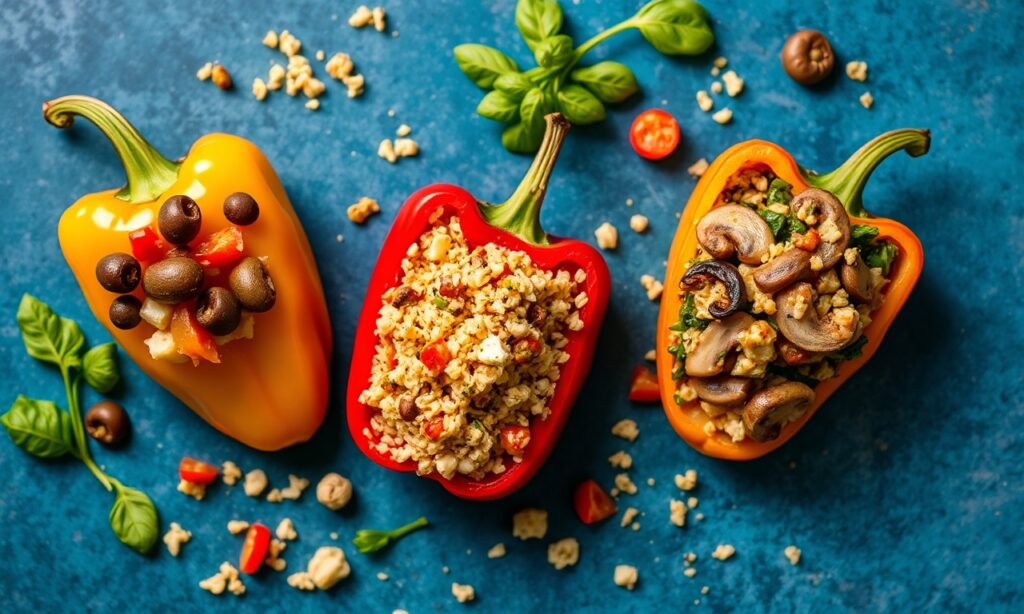
- Mediterranean Delight: Incorporate Kalamata olives, sun-dried tomatoes, artichoke hearts, crumbled feta cheese (or vegan alternative), and a blend of oregano and basil.
- Spicy Southwest: Add diced jalapeños, a pinch of cayenne pepper, black olives, and a dollop of lime-infused cashew cream on top.
- Earthy Mushroom & Spinach: Sauté finely chopped mushrooms and wilted spinach with the onions and garlic. Add a touch of nutritional yeast for a cheesy, umami flavor.
- Hearty Lentil & Vegetable: Replace black beans with cooked brown or green lentils and add other finely diced vegetables like zucchini, carrots, or celery for an extra nutrient boost.
Expert Pro-Tips for Culinary Excellence:
- Rinsing Quinoa is Non-Negotiable: Quinoa naturally contains saponins, a bitter coating. Thorough rinsing under cold water removes this, ensuring a clean, pleasant taste.
- Don’t Overcook the Quinoa: Aim for fluffy, separate grains. Overcooked quinoa becomes gummy and detracts from the texture.
- Pre-roast Peppers for Deeper Flavor: For an even richer, sweeter pepper flavor, you can roast the peppers whole at a high temperature (around 400°F/200°C) until slightly charred, then peel them before stuffing and baking. This adds a smoky depth.
- Balance Textures: Combine softer ingredients like beans and tomatoes with firmer textures from corn or nuts (if using) to create a more engaging mouthfeel.
- Taste and Adjust Seasonings: This is paramount. The spices and salt can make or break the dish. Taste the filling before stuffing and again before baking.
- The Baking Liquid is Key: The water or broth at the bottom of the baking dish creates steam, ensuring the peppers become tender without drying out. It also helps infuse subtle flavor into the base of the peppers.
- Resting is Crucial: Allowing the stuffed peppers to rest for a few minutes after baking allows the flavors to settle and makes them easier to handle and serve.
Common Pitfalls and How to Avoid Them
While Quinoa Stuffed Peppers are relatively forgiving, a few common issues can arise. Being aware of these can help ensure success.
- Watery Filling: This often happens if canned tomatoes are not drained sufficiently or if too much liquid is added to the filling mixture. Ensure all canned ingredients are well-drained.
- Tough or Undercooked Peppers: This is usually due to insufficient baking time or inadequate moisture in the baking dish. Ensure the peppers are tender and cover the dish tightly during the initial baking phase.
- Bland Flavor: The key is to build layers of flavor through sautéed aromatics, well-seasoned spices, and tasting/adjusting throughout the process.
- Peppers Tipping Over: As mentioned, trimming a small slice off the bottom of the peppers can create a stable base. Alternatively, baking them upright in a loaf pan can prevent them from falling.
Frequently Asked Questions About Quinoa Stuffed Peppers
What kind of quinoa is best for stuffed peppers?
All varieties of quinoa – white, red, or black – work well. White quinoa has the mildest flavor and cooks to a fluffier texture, while red and black quinoa hold their shape a bit better and offer a slightly nuttier taste. The key is to rinse it thoroughly before cooking.
Can I make Quinoa Stuffed Peppers ahead of time?
Yes. You can prepare the filling and stuff the peppers a day in advance. Store them covered in the refrigerator. When ready to bake, simply follow the baking instructions, perhaps adding a few extra minutes to account for the chill. The peppers might be slightly softer than if baked fresh.
How can I make this dish vegan?
The base recipe is easily made vegan. Ensure you use vegetable broth, omit any cheese topping or use a vegan shredded cheese alternative, and serve with vegan sour cream or plain plant-based yogurt if desired.
Are Quinoa Stuffed Peppers a complete meal?
Yes, Quinoa Stuffed Peppers are a nutritionally complete meal on their own. They provide a balanced combination of carbohydrates, complete protein, fiber, vitamins, and minerals. You can serve them as is, or with a side salad for added freshness.
What are the benefits of eating quinoa?
Quinoa is a nutritional powerhouse. It’s a complete protein, rich in fiber, and a good source of essential minerals like magnesium, phosphorus, and folate. Its high fiber and protein content contribute to satiety, helping with appetite control and digestive health. Furthermore, it’s naturally gluten-free.
See also: Quinoa Stuffed