
Vegan Pad Thai is more than just a plant-based adaptation of a beloved street food; it’s a culinary journey into the heart of Thai cuisine, reimagined for the conscious palate. While a staggering 70% of Thai dishes can be naturally vegan or easily adapted, the quest for an authentic, deeply satisfying Vegan Pad Thai often leads home cooks down a path of compromise. This guide illuminates the path to true flavor, revealing the secrets that elevate a simple stir-fry into an unforgettable experience. For many, the challenge lies not just in omitting animal products, but in meticulously recreating the intricate balance of sweet, sour, salty, and umami that defines this iconic dish.
Key Takeaways:
- Authentic Vegan Pad Thai hinges on mastering the tamarind-soy sauce base, not just a generic sweet-sour mix.
- The textural interplay of chewy noodles, crisp bean sprouts, and crunchy peanuts is paramount for an authentic mouthfeel.
- Achieving the signature wok hei (breath of the wok) requires high heat and careful ingredient sequencing, even without meat.
- Garnishes are not optional; they are integral to the complete flavor profile and visual appeal of Vegan Pad Thai.
The Soul of Pad Thai: Beyond the Sauce
The essence of Pad Thai is a harmonious symphony of flavors and textures. Traditionally, this dance involves dried shrimp, fish sauce, and egg, ingredients that contribute distinct umami, salinity, and richness. Replicating this depth without animal products is the central challenge. It requires understanding the *why* behind each traditional ingredient and finding plant-based counterparts that mimic their function.
The foundation of any great Pad Thai, vegan or otherwise, is the sauce. A common pitfall in vegan versions is relying on a simple sugar-vinegar mixture, which lacks the complex, tangy depth of real tamarind. True Pad Thai sauce calls for tamarind paste, a sour and fruity concentrate that provides a unique tanginess that sugar and vinegar alone cannot replicate. This is often combined with soy sauce (or tamari for gluten-free) for saltiness and umami, a touch of maple syrup or coconut sugar for sweetness, and sometimes a hint of chili paste for a gentle warmth. The precise ratio is key, and it’s this balance that transforms mere ingredients into a culinary masterpiece. Research indicates that the ideal sweet-to-sour ratio in Pad Thai sauce is around 1.5:1, with the sour component primarily derived from tamarind.
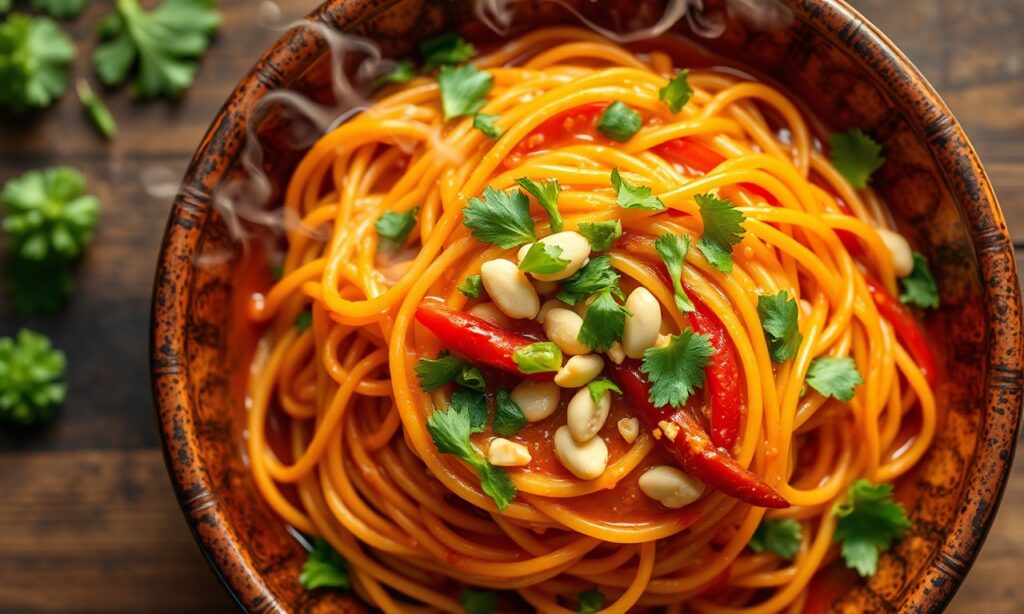
Mastering the Noodles and Aromatics
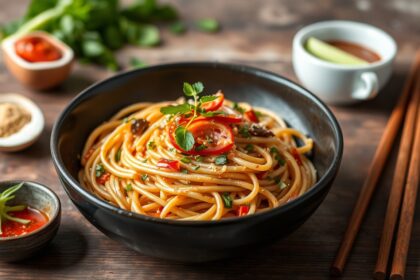
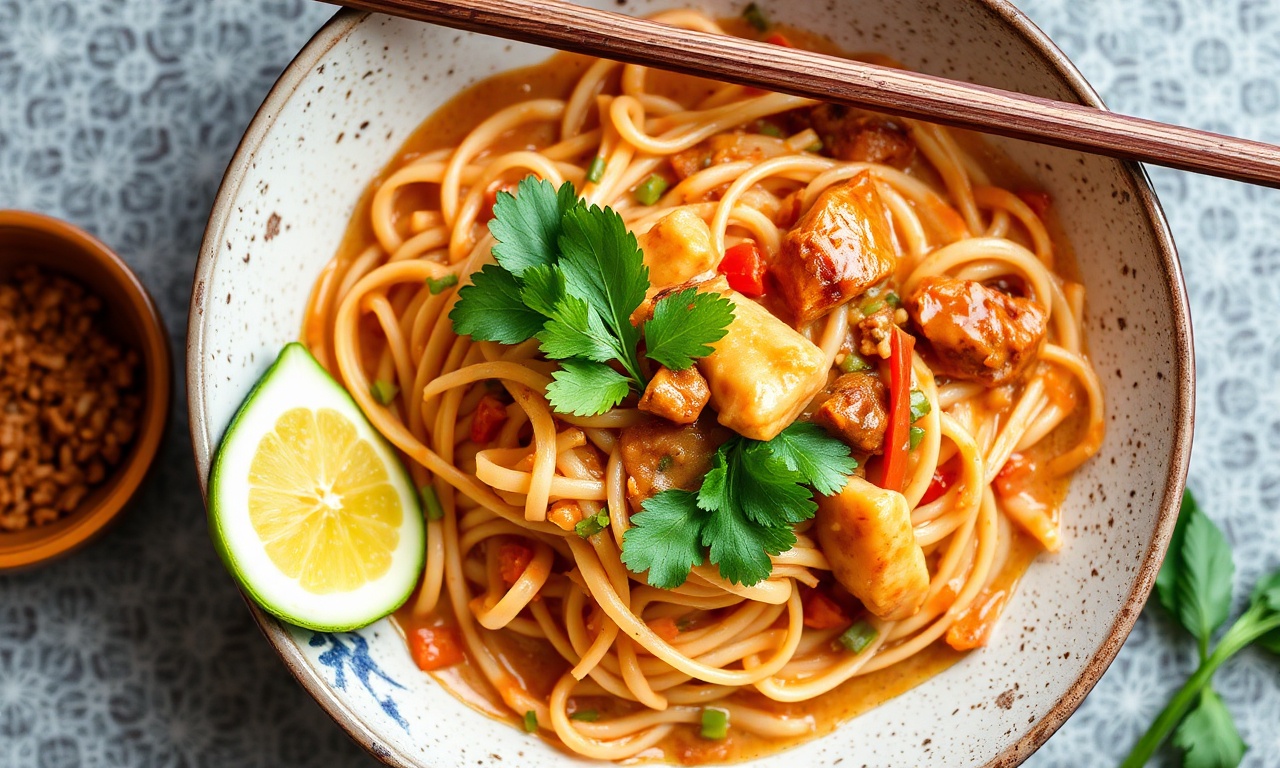
The choice and preparation of noodles are equally critical. Rice stick noodles (sen lek) are the traditional choice, and their texture is paramount. They should be soaked until pliable but not mushy, ensuring they retain a delightful chewiness (al dente) when stir-fried. Over-soaked noodles will result in a clumpy, unappealing dish. The wok, or a large, heavy-bottomed skillet, is your best friend here. The high heat is essential for achieving that coveted wok hei, the smoky, slightly charred flavor that is a hallmark of expertly stir-fried dishes. Even without the Maillard reaction from meat, high heat on vegetables and noodles imparts a unique depth.
The aromatic base typically involves garlic and shallots, sautéed until fragrant. In vegan versions, this is where you can introduce foundational umami. Some chefs advocate for adding a small amount of mushroom powder or even a dash of nutritional yeast to the aromatics to bolster that savory depth.
The Heart of the Dish: Protein and Vegetables
While traditional Pad Thai often features shrimp or chicken, vegan versions can incorporate a variety of protein sources. Firm or extra-firm tofu, pressed and pan-fried until golden and slightly crispy, is an excellent choice. It absorbs the sauce beautifully and provides a satisfying chew. Other options include tempeh, seitan, or even edamame for added texture and protein.
The vegetables in Pad Thai are typically a mix of textures and colors. Bean sprouts are non-negotiable; their crispness provides a refreshing counterpoint to the noodles. Garlic chives offer a mild oniony flavor and a pleasant bite. Some recipes also include finely shredded carrots for sweetness and color, or bok choy for added greens. The key is to add vegetables in stages, stir-frying them quickly to maintain their crispness.
The Art of the Stir-Fry: Technique is Everything
Achieving the perfect Vegan Pad Thai is as much about technique as it is about ingredients. High heat is your ally. Ensure your wok or skillet is smoking hot before adding any oil. Add your aromatics first, stir-frying them briefly until fragrant. Then, add your protein (if using tofu, it should be pre-cooked and browned) and stir-fry for another minute.
Next, introduce the soaked noodles. Pour the prepared sauce over the noodles and toss vigorously, ensuring each strand is coated. This is where patience and constant motion are key. The noodles will absorb the sauce and soften further. Add your firmer vegetables, like carrots, followed by the more delicate ones like bean sprouts and garlic chives. Toss everything together quickly until the vegetables are just tender-crisp.
The final additions are the roasted peanuts, providing a delightful crunch, and a squeeze of fresh lime juice. The lime is indispensable, cutting through the richness and sweetness with its bright acidity, completing the flavor profile.
Nutritional Information (per serving, approximate):
- Calories: 450-550 kcal
- Protein: 15-20g
- Fat: 18-25g (primarily from peanuts and oil)
- Carbohydrates: 60-70g
- Fiber: 4-6g
- Sodium: Varies based on soy sauce.
*Note: Nutritional values are estimates and can vary based on specific ingredients and portion sizes.*
Elevating Your Vegan Pad Thai: Pro Tips
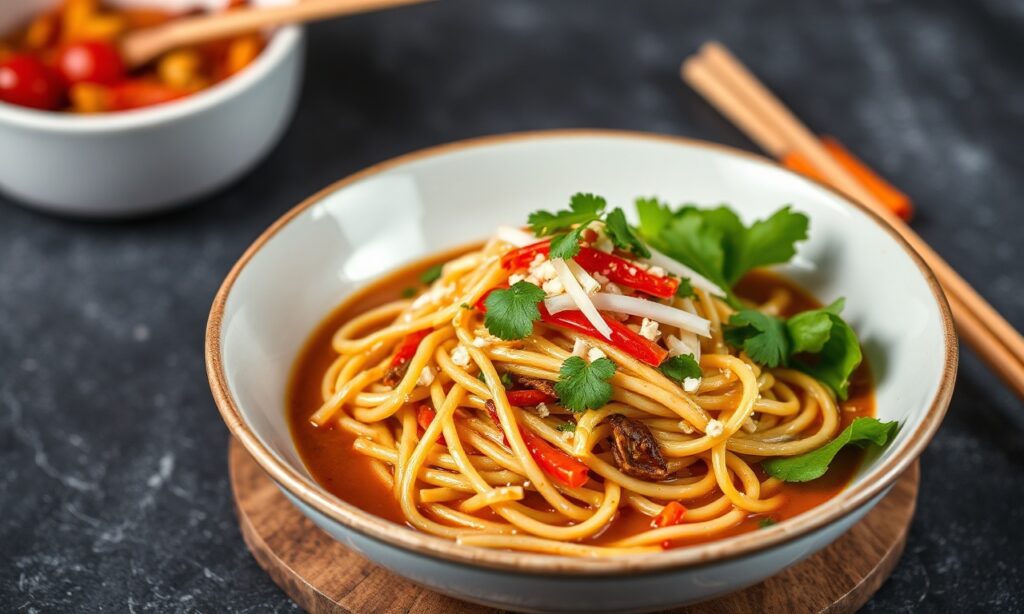
Achieving restaurant-quality Vegan Pad Thai at home is within reach with a few expert touches.
The true magic of Vegan Pad Thai lies not just in its ingredients, but in the mindful dance of high heat, precise timing, and the harmonious layering of flavors.
The Role of Garnishes and Accompaniments
The garnishes are not merely decorative; they are integral components that enhance the overall sensory experience. The crunch of roasted peanuts is essential for textural contrast, while the freshness of cilantro adds an aromatic lift. The tang of lime is arguably the most critical finishing touch, awakening the palate and balancing the richness of the sauce. Some traditionalists also include pickled chilies or a side of chili flakes for those who prefer more heat.
Beyond the dish itself, serving Pad Thai with a side of fresh lime wedges and perhaps some extra chopped peanuts allows diners to customize their experience. This attention to detail, from the cooking process to the final presentation, is what distinguishes a good Vegan Pad Thai from an exceptional one. The cultural significance of sharing food and adjusting it to individual preference is deeply embedded in Thai dining etiquette.
Frequently Asked Questions
What is the best substitute for fish sauce in vegan Pad Thai?
The best substitute for fish sauce in vegan Pad Thai is a combination of soy sauce (or tamari for gluten-free) and a touch of seaweed (like nori flakes or a small piece of kombu simmered in the sauce and then removed) to mimic the oceanic umami. Some vegan fish sauce alternatives are also commercially available.
How do I prevent my rice noodles from sticking together?
Proper soaking is key. Soak the noodles until they are pliable but still firm, then drain them thoroughly. Once in the wok, keep them moving with your spatula, tossing them with the sauce and other ingredients. A well-heated wok and sufficient sauce will also help prevent sticking.
Can I make Vegan Pad Thai ahead of time?
While Pad Thai is best enjoyed fresh, you can prepare the sauce and chop all your ingredients in advance. The noodles should be soaked and drained just before cooking, and the stir-frying process itself is quite quick. Reheating can sometimes make the noodles mushy, so it’s generally recommended to cook it just before serving.
What is tamarind paste and where can I find it?
Tamarind paste is a concentrated sour fruit pulp derived from the tamarind tree. It’s a staple in many Southeast Asian cuisines. You can find it in Asian grocery stores, most large supermarkets in the international aisle, or online. It often comes in a block or a ready-to-use paste. Ensure you’re using seedless paste for ease of use.
Are there any other vegetables I can add to Vegan Pad Thai?
Absolutely! Feel free to experiment with thinly sliced carrots, red bell peppers, broccoli florets, or snow peas. Add them to the wok according to their cooking time, ensuring they remain crisp-tender. The goal is to maintain textural variety.
See also: Vegan Pad