
“The joy of cooking is discovery.” – Julia Child
- The Allure of Pad Thai: A Culinary Icon
- Deconstructing the Deliciousness: The Core Components
- The ‘Easy’ Factor: Streamlining for Success
- The Recipe: Your Blueprint for Effortless Deliciousness
- Nutritional Information (Per Serving, approximate)
- Elevating Your Easy Vegan Pad Thai: Pro-Tips for Restaurant-Quality Results
- The Enduring Appeal of Easy Vegan Pad Thai
- Frequently Asked Questions
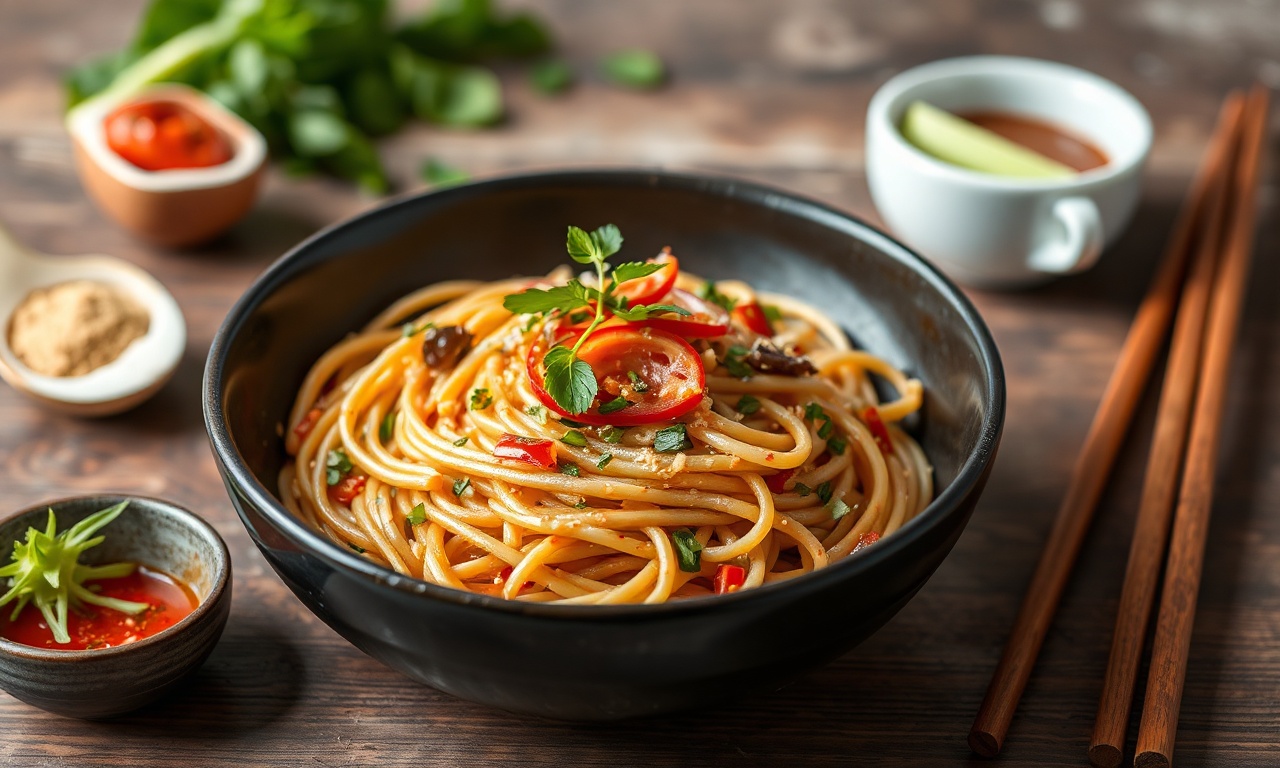
Easy Vegan Pad Thai has achieved a remarkable culinary status, transcending its origins to become a global phenomenon. Its allure lies not just in its vibrant flavors and textures, but in its surprising adaptability and the inherent satisfaction derived from creating such a complex dish with relative ease. This isn’t merely a plant-based imitation; it’s a celebration of fresh ingredients, aromatic spices, and a harmonious balance of sweet, sour, salty, and umami notes that captivate the palate. The magic of an *easy* vegan version is its ability to distill these essential elements into a weeknight-friendly format without sacrificing authenticity or depth.
The essence of truly delicious vegan cooking lies in celebrating the inherent flavors of plant-based ingredients, coaxing out their best through thoughtful preparation and balanced seasoning.
The Allure of Pad Thai: A Culinary Icon
Pad Thai, a national dish of Thailand, is a stir-fried rice noodle dish renowned for its intricate flavor profile. Traditionally, it features rice noodles, tofu, shrimp, scrambled egg, bean sprouts, and a sauce typically made from tamarind, fish sauce, chili, and sugar. The vegan adaptation, however, presents a fascinating challenge and opportunity: how to replicate that signature umami and complexity without animal products, while maintaining the dish’s beloved characteristics. The “easy” aspect comes from streamlining processes, selecting readily available ingredients, and employing techniques that minimize complexity, proving that gourmet-level flavor doesn’t require hours in the kitchen. Research highlights Pad Thai’s global popularity and its role as a cultural ambassador for Thai cuisine, underscoring the importance of accessible versions for home cooks.
Key Takeaways:
- Easy Vegan Pad Thai achieves deliciousness through a careful balance of sweet, sour, salty, and umami flavors.
- The “easy” aspect relies on streamlined techniques and accessible ingredients for a weeknight-friendly dish.
- Adaptability is a core strength, allowing for ingredient substitutions and personalized spice levels.
- Authentic flavor hinges on quality ingredients and precise sauce construction, even in simplified recipes.
Deconstructing the Deliciousness: The Core Components
The effortless deliciousness of Easy Vegan Pad Thai is a symphony of carefully orchestrated elements. It’s not one single ingredient or technique, but the synergistic interplay of several key components.
The Foundation: Perfect Noodles
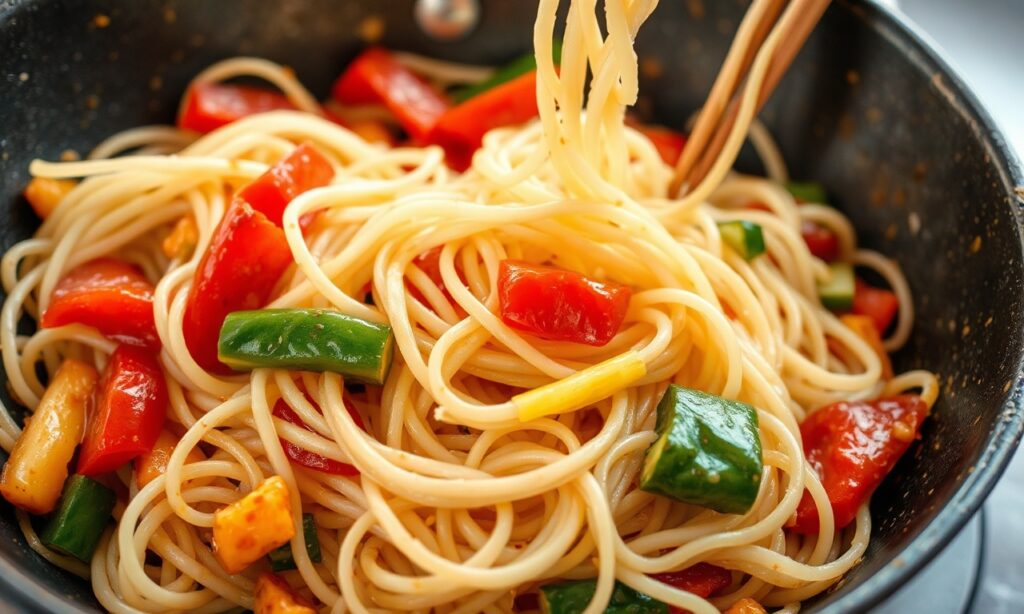
The choice of rice noodles is paramount. Thin, flat rice noodles (sen lek) are traditional, but slightly wider ones can also work. The key is to achieve the perfect al dente texture – tender yet slightly chewy, with a satisfying bite. Overcooked noodles become mushy, losing their structural integrity and diluting the dish’s textural appeal. Properly soaked and then quickly stir-fried noodles absorb the sauce beautifully without disintegrating.
The Umami Engine: Crafting the Vegan Sauce
This is where the vegan magic truly happens. Traditional Pad Thai relies heavily on fish sauce for its deep, savory, umami punch. Replicating this requires a thoughtful combination of plant-based alternatives.
- Soy Sauce/Tamari: Provides a salty, fermented base. Tamari offers a richer, less salty alternative for those sensitive to gluten or seeking a more nuanced flavor.
- Vegan Fish Sauce: A modern marvel, these sauces, often derived from fermented seaweed or mushrooms, offer a remarkable approximation of the original’s complexity. A good quality vegan fish sauce is crucial.
- Tamarind Paste: The soul of Pad Thai’s tanginess. It provides a unique fruity sourness that brightens the entire dish. Ensure you use pure tamarind paste, not a pre-sweetened tamarind drink.
- Sweetener: Palm sugar is traditional for its caramel notes, but brown sugar or even maple syrup can be used. This balances the sourness and saltiness.
- Sriracha or Chili Paste: For that essential kick of heat. The amount is entirely customizable to individual preference.
The Supporting Cast: Flavor and Texture Enhancers
Beyond the noodles and sauce, a host of ingredients contribute to the dish’s layered deliciousness and satisfying texture.
- Firm or Extra-Firm Tofu: Provides a protein-rich, textural element. Pressing the tofu to remove excess water is crucial for it to crisp up beautifully when stir-fried.
- Fresh Vegetables: Bean sprouts offer a crisp, refreshing counterpoint, while garlic chives (or regular chives/scallions) add a mild oniony bite. Other additions like shredded carrots or bell peppers can enhance color and nutrients.
- Aromatics: Garlic and shallots form the fragrant backbone of the stir-fry, releasing their pungent aromas as they sizzle.
- Garnishes: The finishing touches are non-negotiable. Crushed roasted peanuts add crunch and nutty depth, lime wedges provide a final burst of acidity, and fresh cilantro offers a herbaceous lift. Dried chili flakes can be added for those who desire extra heat.
The ‘Easy’ Factor: Streamlining for Success
The “easy” in Easy Vegan Pad Thai isn’t about cutting corners on flavor; it’s about intelligent preparation and efficient execution.
Mise en Place: The Chef’s Secret Weapon
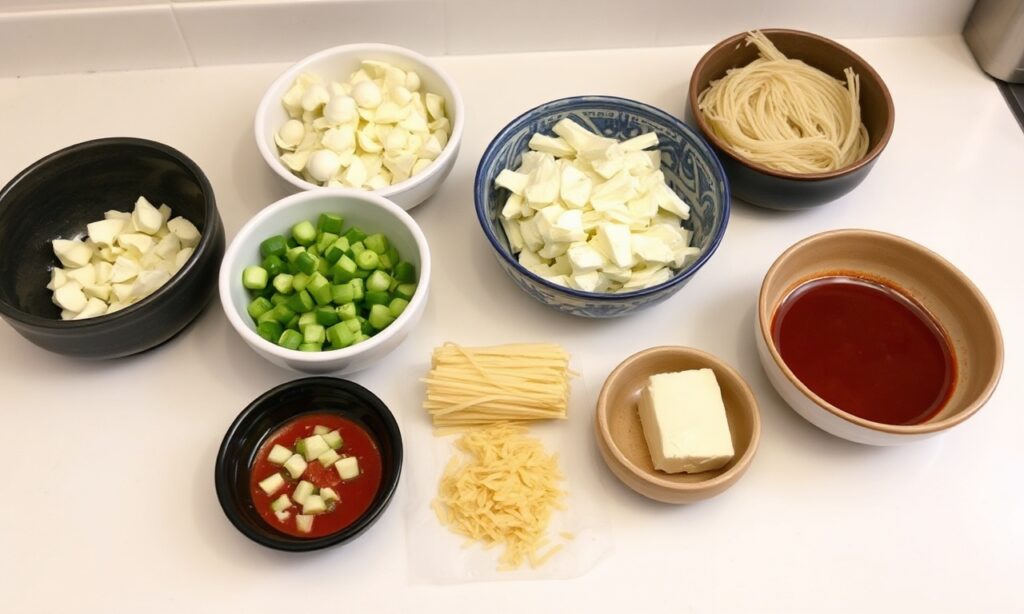
A successful stir-fry relies on having everything prepped and ready *before* the heat hits the pan. This means chopping vegetables, pressing tofu, mixing the sauce, and having all ingredients within arm’s reach. Stir-frying is a fast process, and fumbling for ingredients mid-cook will lead to unevenly cooked food.
The Wok Hei: Achieving That Smoky Char
While true “wok hei” (the breath of the wok) is achieved with extremely high heat, home cooks can approximate this smoky essence. Using a cast-iron skillet or a well-seasoned carbon steel wok over high heat is essential. Allowing ingredients to sear and caramelize briefly before stirring creates those desirable charred edges and adds depth. Don’t overcrowd the pan; cook in batches if necessary to ensure proper searing.
Mastering the Noodle Soak
The correct noodle preparation is critical. Most dried rice noodles require soaking in warm water until pliable but not yet soft. Over-soaking leads to breakage and a mushy final product. The exact time will vary by noodle thickness and water temperature, so it’s best to test a strand. They should still have a slight firmness, as they will continue to cook in the wok.
The Recipe: Your Blueprint for Effortless Deliciousness
This recipe is designed to be straightforward, delivering authentic flavors with manageable steps.
Ingredients (Serves 2-3)
- For the Noodles:
- 8 oz (225g) dried flat rice noodles (sen lek)
- 1 tbsp neutral cooking oil (like vegetable or canola)
- For the Sauce:
- 3 tbsp tamarind paste (seedless)
- 2 tbsp soy sauce or tamari
- 1 tbsp vegan fish sauce
- 2 tbsp palm sugar or brown sugar
- 1 tsp sriracha or chili paste (or to taste)
- 2 tbsp water
- For the Stir-Fry:
- 1 tbsp neutral cooking oil
- 8 oz (225g) firm or extra-firm tofu, pressed and cut into ½-inch cubes
- 2 cloves garlic, minced
- 1 shallot, thinly sliced
- 1 cup bean sprouts
- 2 green onions (scallions), cut into 1-inch pieces (white and green parts separated)
- ½ cup chopped fresh cilantro
- For Garnish:
- ¼ cup roasted peanuts, roughly chopped
- Lime wedges
- Red pepper flakes (optional)
Preparation Method
- Prepare the Noodles: Place the dried rice noodles in a large bowl. Cover with warm water and let them soak for 20-30 minutes, or until they are pliable but still have a slight bite. Drain them thoroughly in a colander.
- Mix the Sauce: In a small bowl, whisk together the tamarind paste, soy sauce (or tamari), vegan fish sauce, palm sugar (or brown sugar), sriracha, and water. Set aside.
- Cook the Tofu: Heat 1 tablespoon of neutral oil in a large wok or skillet over medium-high heat. Add the pressed tofu cubes and cook, stirring occasionally, until golden brown and slightly crispy on all sides. Remove the tofu from the wok and set aside.
- Sauté Aromatics: Add the remaining 1 tablespoon of neutral oil to the same wok. Add the minced garlic and sliced shallot. Stir-fry for about 30 seconds until fragrant, being careful not to burn the garlic.
- Add Noodles and Sauce: Add the drained rice noodles to the wok. Pour the prepared sauce over the noodles. Toss gently to coat the noodles evenly with the sauce. Cook for 1-2 minutes, allowing the noodles to absorb the sauce and soften slightly.
- Combine Ingredients: Add the cooked tofu, white parts of the green onions, and half of the bean sprouts to the wok. Stir-fry for another 1-2 minutes, tossing everything together until the bean sprouts are slightly wilted but still retain some crunch.
- Finish and Serve: Stir in the chopped cilantro and the green parts of the green onions. Toss briefly to combine. Remove from heat.
- Garnish and Enjoy: Serve immediately. Garnish generously with chopped roasted peanuts, fresh lime wedges (to be squeezed over the dish), and optional red pepper flakes.
Nutritional Information (Per Serving, approximate)
- Calories: 450-550
- Protein: 15-20g
- Fat: 15-20g
- Carbohydrates: 60-70g
- Fiber: 4-6g
- Sodium: Varies significantly based on soy sauce and vegan fish sauce used.
Elevating Your Easy Vegan Pad Thai: Pro-Tips for Restaurant-Quality Results
While this recipe is designed for ease, a few expert touches can truly elevate it.
The Power of Acidity
Don’t underestimate the role of lime juice. Squeezing fresh lime juice over the finished dish right before eating provides a bright, cutting acidity that awakens all the other flavors and balances the richness. It’s a crucial step that many home cooks overlook.
Texture Play: Crispy Shallots and Radish
For an extra layer of crunch and flavor, consider thinly slicing a second shallot and frying it until golden brown and crispy. Sprinkle these over the finished dish. Some traditionalists also add finely chopped preserved radish for a salty-sweet crunch.
Spice Level Control
The heat in Pad Thai is a personal preference. Start with the suggested amount of sriracha or chili paste and taste the sauce before adding it to the noodles. You can always add more heat at the table with chili flakes.
The Enduring Appeal of Easy Vegan Pad Thai
The success of Easy Vegan Pad Thai lies in its inherent deliciousness, its accessibility, and its adaptability. It proves that plant-based eating can be incredibly flavorful and satisfying, offering a culinary experience that rivals its traditional counterpart. By understanding the core components – the noodles, the umami-rich sauce, and the textural elements – and employing a few strategic techniques, any home cook can master this beloved dish. It’s proof of the power of simple, fresh ingredients and balanced flavors, making it a truly effortless path to a deliciously satisfying meal. The sheer joy of creating something so vibrant and flavorful from scratch, with ease, is a reward in itself.
Frequently Asked Questions
What is the most important ingredient for authentic Pad Thai flavor?
The most crucial elements are the tamarind paste for its signature sourness, and a good source of umami, traditionally fish sauce. In a vegan version, a high-quality vegan fish sauce or a combination of soy sauce/tamari with mushroom or seaweed extracts is essential to replicate that savory depth.
Can I use different types of noodles for Easy Vegan Pad Thai?
While flat rice noodles are traditional, you can experiment. Thicker rice noodles (like linguine-sized) will require a longer soaking time. Some people even use ramen noodles or spaghetti in a pinch, though the texture and flavor profile will differ significantly from authentic Pad Thai.
How can I make my Easy Vegan Pad Thai spicier?
You can increase the amount of sriracha or chili paste in the sauce. Additionally, serving with red pepper flakes on the side allows individuals to customize their spice level. Some recipes also call for fresh chilies to be added during the stir-frying process.
What are some common substitutions for tofu in Easy Vegan Pad Thai?
If you don’t have tofu, tempeh is an excellent alternative, offering a firmer texture and nutty flavor. Seitan can also be used for a chewier, meat-like texture. For a lighter option, consider adding more vegetables like broccoli florets or snap peas.
Why is my Easy Vegan Pad Thai sticky or clumpy?
This usually happens if the noodles are over-soaked or if the wok is overcrowded. Ensure noodles are just pliable before stir-frying. Cook in smaller batches if necessary, allowing each component to sear properly rather than steam. Insufficient heat can also lead to clumping.
See also: Easy Vegan