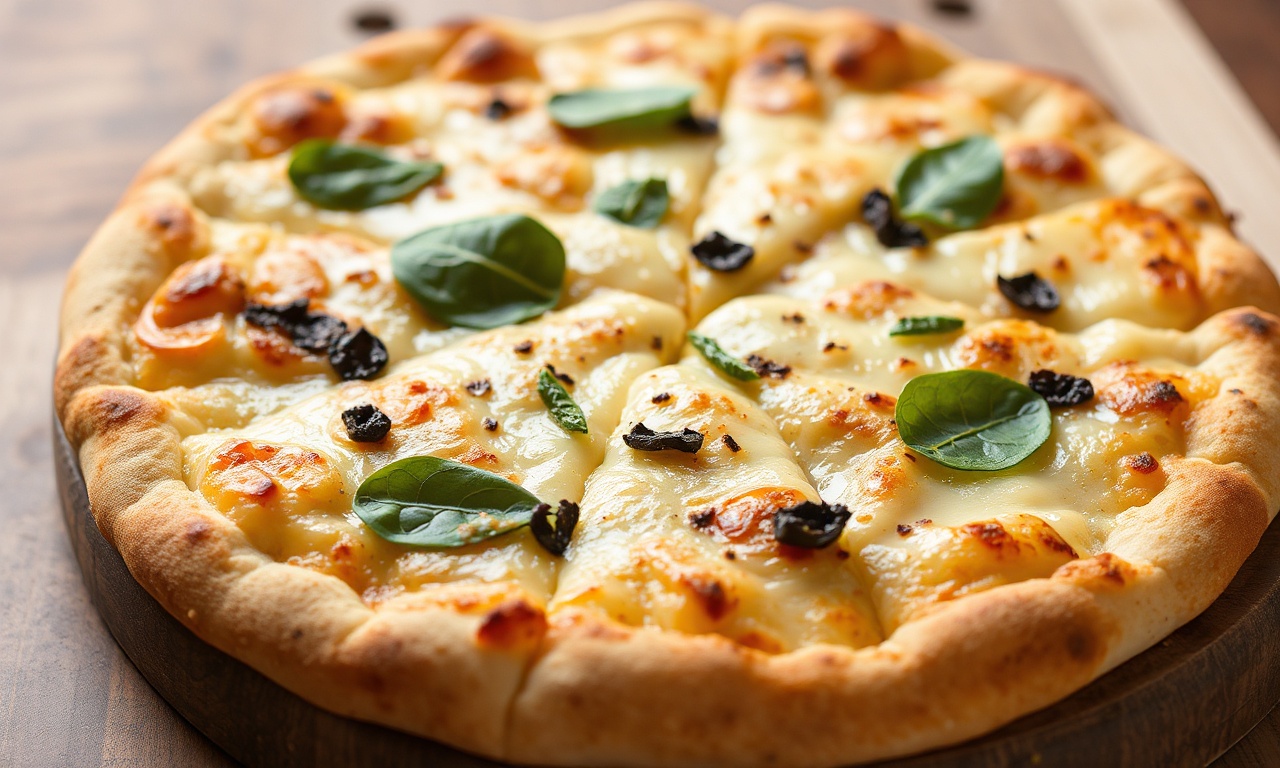

Have you ever craved the comforting embrace of a pizza, only to be met with the carb-heavy guilt that often follows? What if you could achieve that same satisfying, cheesy, and flavorful experience, entirely guilt-free, by transforming a humble vegetable into the star of your culinary show? The quest for a healthier, lighter pizza base has led many down the path of culinary experimentation, and at the forefront of this movement stands the remarkably versatile cauliflower.
- The Allure of the Vegetarian Cauliflower Crust
- Essential Ingredients for a Flawless Base
- The Star: Cauliflower
- The Binder: Holding It All Together
- Flavor Enhancers: Elevating the Palate
- The Tool: Essential Equipment
- Streamlined Preparation: Mastering the Cauliflower Dough
- Step 1: Prepare the Cauliflower Rice
- Step 2: Cook the Cauliflower
- Step 3: The Crucial Moisture Extraction
- Step 4: Form the Dough
- Step 5: Shape the Crust
- Step 6: Pre-Bake the Crust
- Step 7: Add Toppings and Final Bake
- Nutritional Snapshot: A Healthier Indulgence
- Expert Tips for Elevating Your Cauliflower Crust
- 1. The Double Bake for Ultimate Crispness
- 2. Embrace the Herbs and Spices
- 3. The Binder Variations
- 4. Strategic Topping Application
- 5. Cooling is Key
- Frequently Asked Questions
Key Takeaways:
- Mastering vegetarian cauliflower crust requires precise moisture removal for optimal texture.
- The right binder is crucial for cohesion, preventing a crumbly base.
- Baking at the correct temperature and duration ensures a crisp, golden-brown crust.
- Flavor infusion techniques elevate the cauliflower base beyond its humble origins.
For years, the traditional pizza crust, a delightful but often calorific carbohydrate vehicle, has been the undisputed champion of pizza night. However, with a growing global consciousness towards health and well-being, particularly concerning carbohydrate intake and the rise of gluten-free and ketogenic diets, the search for alternatives has intensified. Vegetarian cauliflower pizza crust has emerged not merely as a trend, but as a sophisticated culinary solution that doesn’t compromise on taste or satisfaction. It represents a pivotal shift in how we perceive familiar dishes, demonstrating that healthy eating can indeed be both delicious and deeply gratifying. This guide aims to demystify the process, providing you with the expertise needed to create a flawless vegetarian cauliflower pizza crust every single time, transforming your kitchen into a hub of wholesome indulgence.
The Allure of the Vegetarian Cauliflower Crust
The appeal of a vegetarian cauliflower pizza crust is multifaceted, extending far beyond its nutritional advantages. At its core, it offers a lighter, more nutrient-dense alternative to conventional doughs. Cauliflower, a cruciferous vegetable rich in vitamins C and K, fiber, and antioxidants, provides a wholesome foundation. Studies have indicated that diets high in cruciferous vegetables are associated with a reduced risk of certain cancers, highlighting the inherent health benefits of incorporating cauliflower into your diet. Research published in reputable journals has consistently pointed to the protective effects of these vegetables against oxidative stress and inflammation.
Furthermore, it caters to a wide array of dietary needs. For those adhering to a gluten-free lifestyle, it’s a revelation. Individuals following a ketogenic or low-carbohydrate diet will find its significantly lower carb count a welcome relief. Even for those simply looking to reduce their calorie intake or incorporate more vegetables into their meals, the cauliflower crust presents an elegant solution. Its mild flavor profile acts as a neutral canvas, readily absorbing the vibrant tastes of herbs, spices, and the toppings you choose, ensuring that the pizza experience remains robust and satisfying.
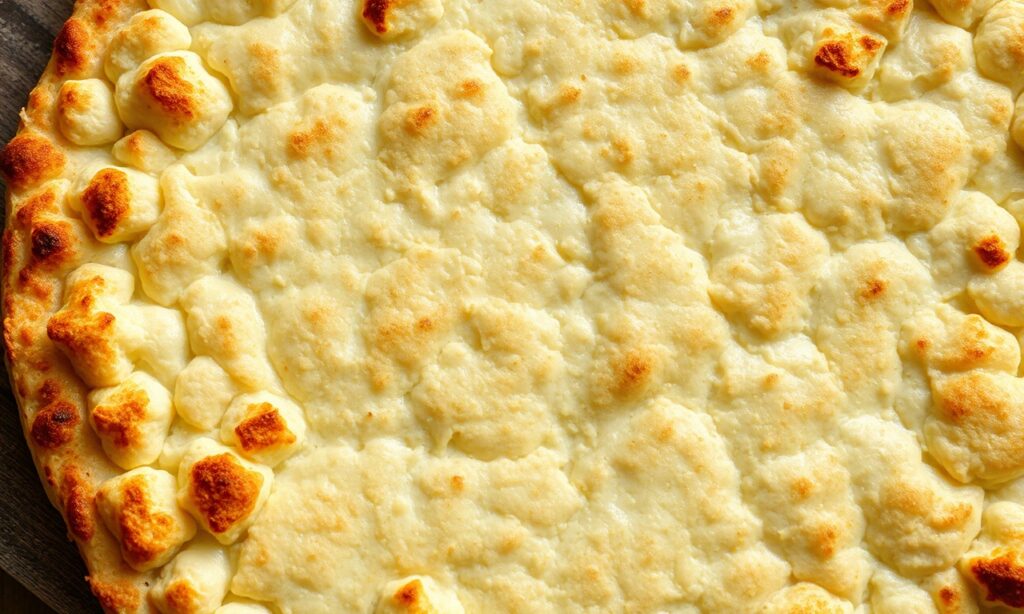
The textural transformation is another significant draw. When prepared correctly, the cauliflower crust can achieve a delightful crispness on the edges and a pleasing chew in the center, mimicking the satisfying mouthfeel of a traditional crust. This is a far cry from some of the less successful low-carb alternatives that can end up soggy or overly brittle. The magic lies in the preparation – specifically, how effectively we can extract moisture from the cauliflower.
Essential Ingredients for a Flawless Base
Crafting the ultimate vegetarian cauliflower pizza crust hinges on the quality and precise measurement of its components. While the star is undoubtedly cauliflower, the supporting cast plays a critical role in achieving the desired texture and flavor. It’s not merely about combining ingredients; it’s about understanding their function within the matrix of the crust.
The Star: Cauliflower
- 1 medium head of cauliflower (about 2-2.5 lbs or 1-1.2 kg): Choose a firm, fresh head with tight florets. The quantity will yield approximately 3 cups of riced cauliflower.
The Binder: Holding It All Together
The binder is arguably the most crucial element after moisture removal, preventing your crust from crumbling into a pile of delicious, albeit disjointed, cauliflower florets. The aim is to create a cohesive dough that can be shaped and baked. Eggs are the traditional choice for their binding properties and ability to add richness, while a touch of cheese enhances flavor and further aids in cohesion.
- 1 large egg: Lightly beaten. This acts as the primary binding agent.
- ½ cup (about 50g) grated Parmesan cheese (ensure vegetarian rennet is used if strictly vegetarian): Adds a savory depth and helps create a crispier crust. Pecorino Romano can be substituted for a sharper flavor.
Flavor Enhancers: Elevating the Palate
Cauliflower itself is mild, so judicious use of seasonings is key to imbuing the crust with character. This is where you can truly personalize your pizza base.
- 1 teaspoon dried oregano
- ½ teaspoon garlic powder
- ¼ teaspoon salt (or to taste)
- Pinch of black pepper
- Optional: Pinch of red pepper flakes for a hint of heat.
The Tool: Essential Equipment
While not ingredients, the right tools are indispensable for success.
- Food processor: For ricing the cauliflower.
- Microwave or steamer: To pre-cook the cauliflower.
- Cheesecloth or a fine-mesh nut milk bag: Absolutely critical for squeezing out moisture.
- Baking sheet
- Parchment paper
- Spatula or large spoon
Streamlined Preparation: Mastering the Cauliflower Dough
The process for creating vegetarian cauliflower pizza crust can be broken down into several key stages, each vital for achieving that perfect, firm base. Rushing any step, particularly moisture extraction, will invariably lead to a less-than-ideal outcome. Think of this as a culinary alchemy, where patience and precision yield delicious results.
Step 1: Prepare the Cauliflower Rice
Begin by washing and thoroughly drying the cauliflower head. Remove the leaves and core, then break it into florets. Place the florets into a food processor and pulse until they resemble coarse rice or couscous. Be careful not to over-process into a mush. You should have approximately 3 cups of riced cauliflower. If you don’t have a food processor, you can use the large holes of a box grater, though this is more labor-intensive.
Step 2: Cook the Cauliflower
The goal here is to soften the cauliflower enough to make moisture extraction easy. You have a few options:
- Microwave Method: Place the riced cauliflower in a microwave-safe bowl, cover, and microwave on high for 4-5 minutes, or until tender.
- Steaming Method: Place the riced cauliflower in a steamer basket over simmering water and steam for 5-7 minutes until tender.
- Roasting Method (less common for dough, but can add flavor): Spread the riced cauliflower on a baking sheet and roast at 400°F (200°C) for 15-20 minutes until tender. This method may introduce more moisture initially.
Allow the cooked cauliflower to cool slightly. It needs to be cool enough to handle but still warm enough that moisture can be readily extracted.
Step 3: The Crucial Moisture Extraction
This is arguably the most important step for a crisp crust. Transfer the slightly cooled, cooked cauliflower rice into a clean cheesecloth or a fine-mesh nut milk bag. Gather the edges of the cloth and twist firmly, squeezing out as much liquid as humanly possible. You will be astonished at the amount of water you can extract; this watery component is the enemy of a crisp crust. Continue squeezing until no more liquid can be expelled. This process might take a few minutes of determined effort. The drier the cauliflower pulp, the better your crust will bake.
Step 4: Form the Dough
In a medium bowl, combine the thoroughly squeezed, dry cauliflower pulp with the beaten egg, grated Parmesan cheese, oregano, garlic powder, salt, and pepper. Mix everything together with a spatula or your hands until it forms a cohesive dough. It will be sticky but should hold together when pressed.
Step 5: Shape the Crust
Preheat your oven to 400°F (200°C). Line a baking sheet with parchment paper. Transfer the cauliflower dough onto the parchment paper. Using your hands or a spatula, spread the dough evenly into a pizza shape, about ¼ to ½ inch thick. Aim for a uniform thickness to ensure even baking. You can create a slightly thicker edge if you prefer a traditional pizza crust rim.
Step 6: Pre-Bake the Crust
Place the baking sheet in the preheated oven and bake the crust for 20-25 minutes, or until it is golden brown and firm to the touch. The pre-baking step is essential for setting the crust and ensuring it can support toppings without becoming soggy. Once pre-baked, carefully remove it from the oven.
Step 7: Add Toppings and Final Bake
Now comes the creative part! Spread your favorite pizza sauce evenly over the pre-baked crust, leaving a small border for the edge. Add your chosen vegetarian toppings, such as vegetables, vegan cheese, or plant-based proteins. Return the pizza to the oven and bake for another 10-15 minutes, or until the cheese is melted and bubbly, and the toppings are cooked through. For an extra crispy bottom, you can carefully slide the pizza (still on parchment) directly onto the oven rack for the last few minutes of baking.
Allow the pizza to cool for a few minutes before slicing and serving. This resting period allows the flavors to meld and the crust to firm up further.
Nutritional Snapshot: A Healthier Indulgence
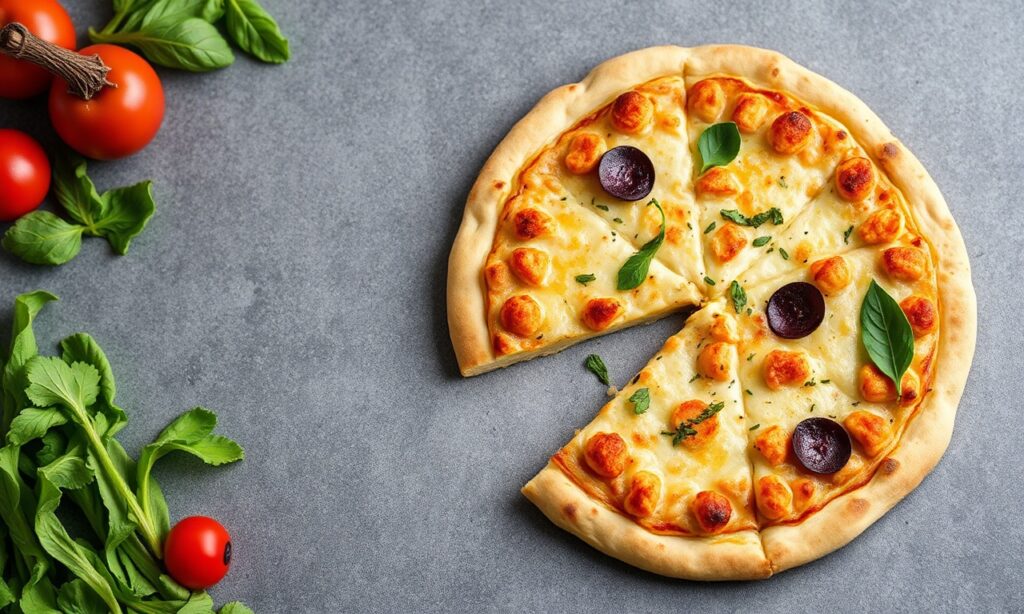
The nutritional profile of a vegetarian cauliflower pizza crust is a significant departure from its traditional counterpart. While exact figures will vary based on topping choices and ingredient specifics (e.g., type of cheese used), a typical cauliflower crust (without toppings) is remarkably lower in carbohydrates and calories, while offering more fiber and essential micronutrients.
For a standard serving of a plain cauliflower crust (approximately 1/8th of a 12-inch pizza, made with the ingredients listed above), you can expect:
- Calories: Roughly 70-100 kcal
- Carbohydrates: Approximately 5-8g net carbs
- Fiber: Around 2-3g
- Protein: Approximately 5-7g (primarily from the egg and cheese)
- Fat: Around 3-5g (from the cheese and egg yolk)
Compare this to a traditional white flour pizza crust, which can easily contain 150-200 calories and 30-40g of carbohydrates per serving. The significant reduction in net carbs makes it an excellent option for those managing blood sugar levels or following low-carb diets. Furthermore, the inclusion of cauliflower provides beneficial phytonutrients that are largely absent in refined flour doughs.
Keep in mind that while the crust itself is a nutritional powerhouse, the overall healthiness of the pizza will depend on your topping choices. Loading it with excessive cheese, processed meats, or sugary sauces will naturally increase the calorie and fat content. Opting for a tomato-based sauce, lean vegetable toppings, and moderate amounts of cheese or plant-based alternatives will help maintain the health benefits of the cauliflower base.
Expert Tips for Elevating Your Cauliflower Crust
Transforming a good vegetarian cauliflower pizza crust into an exceptional one requires a nuanced understanding of flavor, texture, and technique. These tips, honed through experience, will help you achieve restaurant-quality results in your own kitchen.
1. The Double Bake for Ultimate Crispness
While one pre-bake is good, a double pre-bake can be even better for those who prioritize a truly crispy bottom. After the initial 20-25 minute bake, allow the crust to cool slightly. Then, carefully flip it over and bake the other side for another 10-15 minutes before adding toppings. This ensures both sides are thoroughly dried and crisped, creating a robust foundation that can handle even the most generous topping applications without becoming soggy.
2. Embrace the Herbs and Spices
Don’t be shy with your seasonings. Beyond the basic oregano and garlic powder, consider adding Italian seasoning blends, a touch of smoked paprika for depth, or finely chopped fresh herbs like rosemary or thyme directly into the dough mixture. A pinch of nutritional yeast can also add a cheesy, umami flavor without additional dairy.
3. The Binder Variations
While egg and Parmesan are classic, there are alternatives. For a vegan version, you can experiment with flax eggs (1 tbsp flaxseed meal mixed with 3 tbsp water, let sit for 5 minutes) or psyllium husk powder (about 1-2 tablespoons) as binders. For added richness and binding, consider adding a tablespoon or two of almond flour or coconut flour to the dough mixture, though this will slightly alter the texture and carb count.
4. Strategic Topping Application
When it comes to toppings, think about moisture content. Water-rich vegetables like mushrooms, zucchini, or bell peppers can benefit from a quick sauté before being added to the pizza. This not only removes excess water but also intensifies their flavor. Similarly, pre-cook any meats or plant-based proteins you plan to use.
Consider a thin layer of pesto or a garlic-infused olive oil spread on the crust before the tomato sauce for an extra layer of flavor and a barrier against moisture.
5. Cooling is Key
Resist the urge to slice your pizza immediately after it comes out of the oven. Allowing it to rest on a wire rack for at least 5-10 minutes is crucial. This allows the cheese to set and the crust to cool and firm up, preventing toppings from sliding off and ensuring cleaner slices. The residual heat will continue to cook the center gently.
A perfectly executed vegetarian cauliflower pizza crust is not just a substitute; it’s a culinary achievement that proves healthy eating can be incredibly satisfying and endlessly adaptable.
Frequently Asked Questions
What is the best way to ensure my cauliflower crust doesn’t become soggy?
The most critical step is thorough moisture extraction. After cooking the cauliflower rice, squeeze out as much liquid as physically possible using cheesecloth or a nut milk bag. The drier the cauliflower pulp, the crisper your crust will be. Additionally, pre-baking the crust until it’s golden brown and firm before adding toppings is essential. Avoid overloading the pizza with excessively watery sauces or toppings.
Can I make a vegetarian cauliflower pizza crust without eggs?
Yes, absolutely. For a vegan or egg-free version, you can use a “flax egg” (1 tablespoon ground flaxseed mixed with 3 tablespoons water, left to sit for 5-10 minutes until gelled) or psyllium husk powder (about 1-2 tablespoons mixed with the cauliflower and other dry ingredients) as a binder. The texture may vary slightly, but it will still hold together.
How long does a pre-baked cauliflower crust last?
A pre-baked cauliflower crust can be stored in an airtight container in the refrigerator for 1-2 days. It’s best to let it cool completely before storing. You can also freeze pre-baked crusts for longer storage; wrap them tightly in plastic wrap and then in foil. Reheat in the oven to crisp them up before adding toppings.
What are some good vegetarian topping ideas for a cauliflower crust pizza?
The possibilities are vast! Consider roasted vegetables like broccoli florets, bell peppers, onions, or cherry tomatoes. Fresh spinach, mushrooms, artichoke hearts, olives, and jalapeños are also excellent choices. For protein, try seasoned tofu, tempeh crumbles, or plant-based pepperoni. Don’t forget fresh basil, a drizzle of balsamic glaze, or a sprinkle of red pepper flakes after baking for added flavor.
Is cauliflower crust truly low-carb?
Yes, compared to traditional wheat-based pizza crusts, vegetarian cauliflower pizza crust is significantly lower in carbohydrates. A typical serving can have as few as 5-8 grams of net carbohydrates, making it an excellent option for individuals following ketogenic, low-carb, or diabetic-friendly diets. However, the exact carb count will depend on the amount of cheese and any added flours used as binders.
See also: Vegetarian Cauliflower