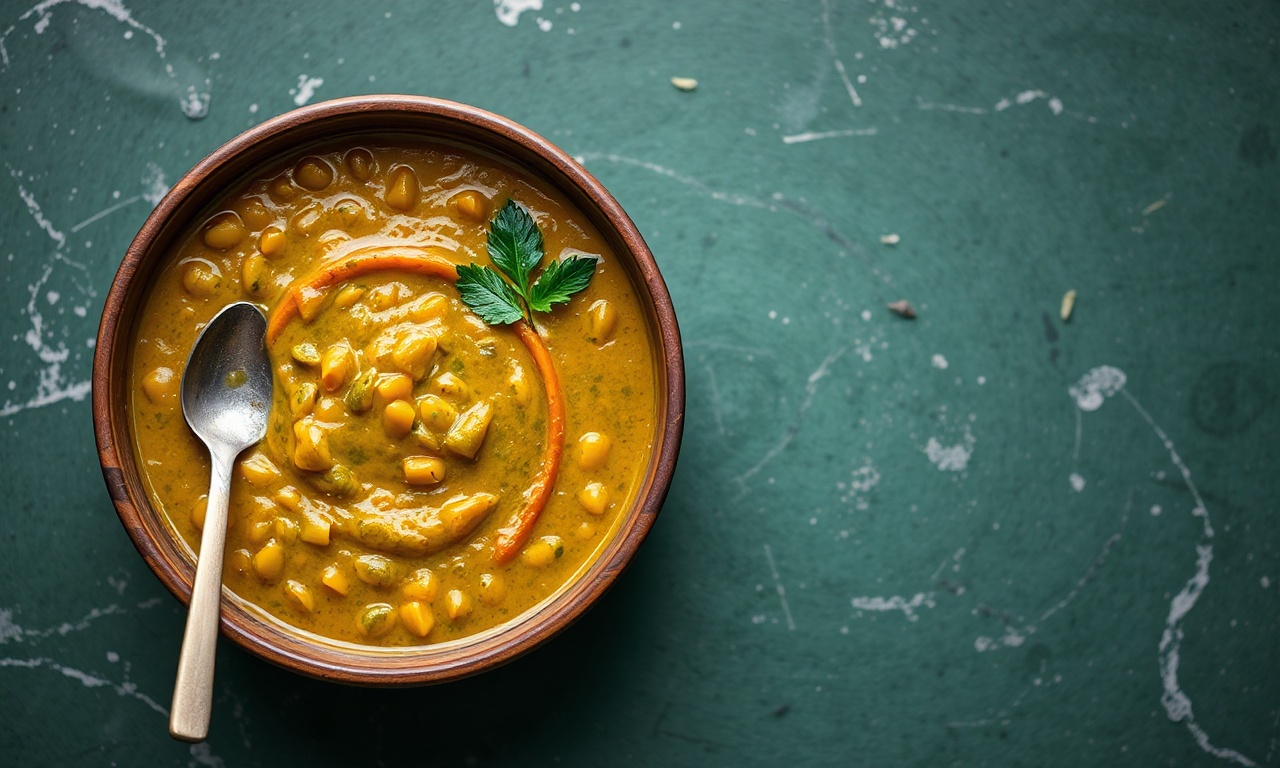

The aroma of simmering spices, the comforting warmth of a hearty lentil stew – few culinary experiences are as grounding and satisfying as a well-made dal. For many, particularly those navigating the demands of modern life, preparing such a dish can seem daunting, conjuring images of multiple pots, complex techniques, and a lengthy process. Yet, the truth is far more liberating. The humble 1-pot green lentil dal stands as proof of simplicity, proving that profound flavor and nourishing sustenance can be achieved with minimal fuss and maximum impact. This dish, a staple across the Indian subcontinent and beloved worldwide, offers a gateway into vibrant, plant-based cooking that is both forgiving for the novice and endlessly adaptable for the seasoned cook.
- The Enduring Appeal of 1-Pot Green Lentil Dal
- Essential Ingredients for Authentic Flavor
- Mastering the 1-Pot Method: Step-by-Step
- Nutritional Insights and Health Benefits
- Elevating Your 1-Pot Dal: Expert Tips and Variations
- 💡 Expert Insight Expert Insight: The Tadka Technique
- 💡 Expert Insight Expert Insight: Achieving the Perfect Consistency
- Variations to Explore
- Frequently Asked Questions
Mastering a 1-pot green lentil dal is not merely about following a recipe; it’s about understanding the alchemy of humble ingredients transforming into a symphony of taste and texture with remarkable ease.
The Enduring Appeal of 1-Pot Green Lentil Dal
The concept of a “one-pot meal” has gained immense traction, driven by a collective desire for efficiency without compromising on quality. The 1-pot green lentil dal perfectly embodies this ethos. Its allure lies in its inherent practicality: fewer dishes to wash, a streamlined cooking process, and a concentrated burst of flavor that develops beautifully as ingredients meld together in a single vessel. Beyond convenience, green lentils, also known as sabut masoor dal or whole red lentils (though often green when dried), are nutritional powerhouses. They are an excellent source of plant-based protein, dietary fiber, iron, and folate, making this dish a cornerstone of healthy eating.
Research highlights the significant contribution of pulses like lentils to a balanced diet, particularly in providing essential macronutrients and micronutrients.
The beauty of this particular dal lies in its adaptability. While a classic preparation involves a straightforward lentil base, the addition of aromatic spices, fresh herbs, and a finishing tempering elevates it from a simple stew to a culinary masterpiece. This dish, when executed with care, offers a deeply satisfying experience that can be tailored to individual palates, making it a true kitchen workhorse.
Essential Ingredients for Authentic Flavor
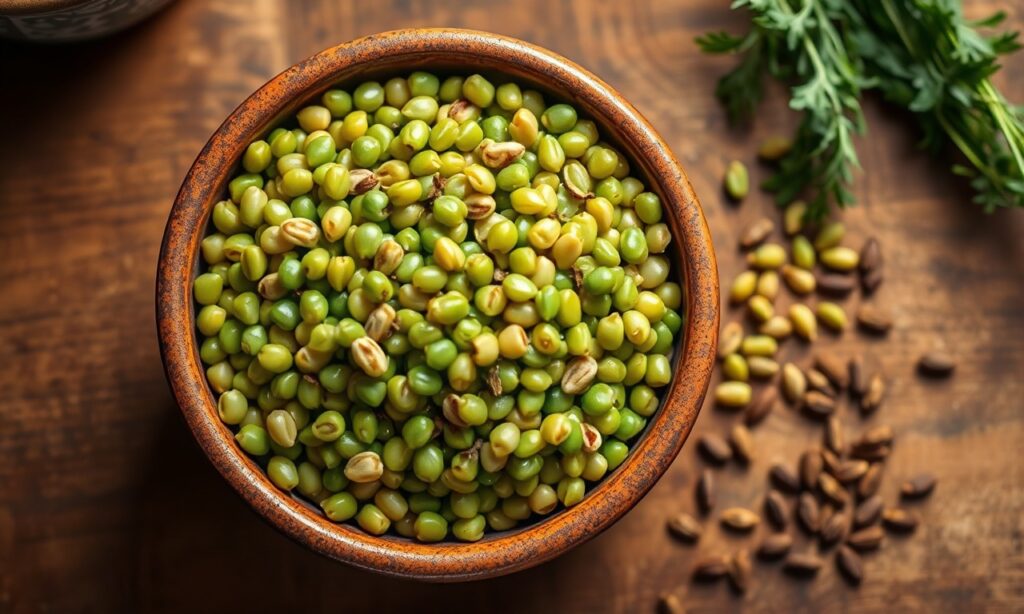
The magic of a 1-pot dal begins with selecting the right ingredients. While variations abound, a foundational set ensures authentic flavor and optimal texture. The star, of course, is the green lentil. These smaller, whole lentils hold their shape better than split varieties, offering a pleasing bite and a slightly earthier flavor profile. They require a bit more cooking time but reward the patience with a substantial, satisfying texture.
The Lentil Foundation
- Green Lentils (Sabut Masoor Dal): 1 cup (approximately 200g). Ensure they are thoroughly rinsed and picked over for any small stones or debris.
Aromatic Base
This trio forms the aromatic soul of most Indian dals, providing depth and complexity.
- Ghee or Neutral Oil: 2 tablespoons. Ghee, clarified butter, imparts a rich, nutty flavor, while a neutral oil like canola or sunflower offers a lighter alternative.
- Cumin Seeds: 1 teaspoon. These release a warm, earthy aroma when bloomed in hot fat.
- Mustard Seeds: ½ teaspoon. Adds a subtle pungency and a delightful pop of texture.
- Asafoetida (Hing): A generous pinch (about ¼ teaspoon). This potent resin adds a unique umami depth, often described as oniony or garlicky. Use sparingly, as it can be overpowering.
- Onion: 1 medium, finely chopped. Provides sweetness and body.
- Garlic: 3-4 cloves, minced. Essential for its pungent, savory notes.
- Ginger: 1-inch piece, grated or finely minced. Adds a fresh, zesty warmth.
- Green Chilies: 1-2, slit or finely chopped (adjust to heat preference). For a vibrant kick.
Spice Symphony
These ground spices are crucial for building the dal’s characteristic flavor profile.
- Turmeric Powder: ½ teaspoon. Imparts a beautiful golden hue and earthy notes.
- Coriander Powder: 1½ teaspoons. Offers a warm, citrusy undertone.
- Cumin Powder: ½ teaspoon. Complements the whole cumin seeds with a deeper, roasted flavor.
- Red Chili Powder (Kashmiri or regular): ½ teaspoon (adjust to heat preference). For color and a gentle heat.
- Garam Masala: ½ teaspoon (added towards the end). A complex blend of warming spices that adds a final aromatic flourish.
Liquid and Finishing Touches
- Water or Vegetable Broth: 4-5 cups. Broth adds an extra layer of flavor.
- Tomatoes: 1 medium, finely chopped, or 2 tablespoons tomato paste. Adds a touch of acidity and sweetness.
- Salt: To taste.
- Fresh Cilantro: A handful, chopped, for garnish.
- Lemon or Lime Juice: A squeeze, to finish. Brightens all the flavors.
Mastering the 1-Pot Method: Step-by-Step
The beauty of this 1-pot dal lies in its sequential layering of flavors. Each step builds upon the last, culminating in a rich, harmonious dish. The key is to allow each aromatic element to release its essence before proceeding to the next.
- Rinse the Lentils: Thoroughly rinse the green lentils under cold running water until the water runs clear. This removes any dust or starch. Drain well.
- Bloom the Whole Spices: Heat the ghee or oil in a heavy-bottomed pot or Dutch oven over medium heat. Once shimmering, add the cumin seeds and mustard seeds. Let them splutter and become fragrant, which takes about 30-60 seconds. Be careful not to burn them.
- Sauté the Aromatics: Add the asafoetida and stir for a few seconds. Immediately add the finely chopped onion and sauté until softened and translucent, about 5-7 minutes. Then, add the minced garlic, grated ginger, and green chilies. Cook for another 1-2 minutes until fragrant, taking care not to burn the garlic.
- Toast the Ground Spices: Stir in the turmeric powder, coriander powder, cumin powder, and red chili powder. Cook for about 30 seconds, stirring constantly, until the spices are fragrant. This toasting process deepens their flavor and aroma.
- Incorporate Tomatoes: Add the chopped tomatoes or tomato paste to the pot. Cook for 2-3 minutes, stirring, until the tomatoes soften and begin to break down. If using tomato paste, cook it for a minute to remove the raw taste.
- Add Lentils and Liquid: Add the rinsed and drained green lentils to the pot. Stir to coat them with the spice mixture. Pour in 4 cups of water or vegetable broth and season generously with salt. Bring the mixture to a boil.
- Simmer and Cook: Once boiling, reduce the heat to low, cover the pot, and let the dal simmer gently. Stir occasionally to prevent sticking. Cook for 25-35 minutes, or until the lentils are tender and have started to break down, creating a creamy consistency. If the dal becomes too thick, add the remaining cup of water or broth.
- Finish with Garam Masala: Stir in the garam masala and cook for another 2 minutes, allowing its complex aroma to infuse the dal. Taste and adjust salt if necessary.
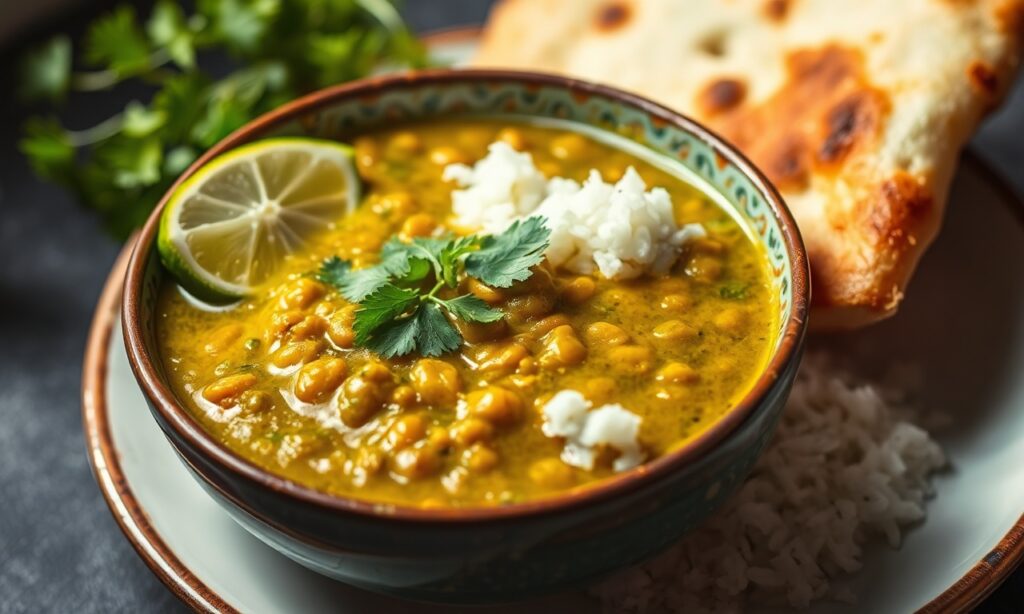
- Garnish and Serve: Ladle the dal into serving bowls. Garnish generously with fresh chopped cilantro and a squeeze of fresh lemon or lime juice. Serve hot with rice, roti, or naan.
Nutritional Insights and Health Benefits
The 1-pot green lentil dal is a nutritional powerhouse, offering a wealth of benefits that contribute to overall well-being. This dish is a prime example of how plant-based eating can be both incredibly satisfying and health-promoting. Data from the USDA FoodData Central indicates that 100 grams of cooked green lentils provide approximately 116 calories, 9 grams of protein, and 8 grams of fiber. This makes them an excellent choice for satiety, weight management, and digestive health.
The significant fiber content matter significantly in regulating blood sugar levels. Studies have demonstrated that the soluble fiber in lentils can slow down the absorption of glucose, preventing sharp spikes and crashes in blood sugar. This is particularly beneficial for individuals managing diabetes or seeking to prevent its onset. Furthermore, the iron content in lentils is vital for preventing iron-deficiency anemia, a common concern, especially among women and vegetarians. The vitamin C from the optional lemon juice can enhance iron absorption, making the dish even more effective.
The protein in lentils is a complete protein when combined with grains like rice, forming a complementary protein source essential for muscle repair and growth. The antioxidants present in the spices, particularly turmeric and ginger, contribute anti-inflammatory properties, which are increasingly recognized for their role in preventing chronic diseases. This dish is naturally cholesterol-free and low in fat (especially if made with oil instead of solely ghee), making it heart-healthy.
Approximate Nutritional Information Per Serving (assuming 4 servings):
- Calories: 250-300 kcal
- Protein: 12-15g
- Fiber: 10-12g
- Fat: 5-8g (varies with ghee/oil)
- Carbohydrates: 30-35g
- Iron: 15-20% Daily Value
Note: These are estimates and can vary based on ingredient quantities and specific brands used.
Elevating Your 1-Pot Dal: Expert Tips and Variations
While the basic recipe for 1-pot green lentil dal is already deeply satisfying, a few expert touches can transform it into a restaurant-quality dish. These are the nuances that seasoned cooks employ to coax out the utmost flavor and texture.
The true artistry in a 1-pot dal lies not just in its simplicity, but in the subtle layering of aromatics and the judicious use of finishing spices to create a symphony of layered flavors.
💡 Expert Insight
Expert Insight:
The Tadka Technique
The tadka, or tempering, is a crucial step in many Indian dals. It involves heating ghee or oil and frying whole spices, chilies, and sometimes garlic or onions in it, then pouring this sizzling mixture over the cooked dal just before serving. This final infusion of flavor is what provides that unmistakable aromatic punch. For this 1-pot dal, while many tempering spices are incorporated into the main cooking process, a small, dedicated tadka can be a significant improvement. Heat 1 tablespoon of ghee or oil in a small pan. Add ½ teaspoon cumin seeds, a pinch of asafoetida, and 1-2 dried red chilies (optional). Once the cumin splutters, pour this over the dal immediately before serving.
This adds a fresh, bright layer of spice that complements the cooked flavors beautifully.
💡 Expert Insight
Expert Insight:
Achieving the Perfect Consistency
The desired consistency of dal varies greatly by region and personal preference. For a creamier dal, you can mash some of the lentils against the side of the pot with your spoon towards the end of cooking. Alternatively, for a thinner, soupier dal, simply add more water or broth until your desired consistency is reached. Don’t be afraid to adjust the liquid as you cook.
Variations to Explore
- Spinach Addition: Stir in a generous handful of fresh spinach during the last 5-10 minutes of cooking. It will wilt down and add extra nutrients and a lovely green hue.
- Coconut Milk Creaminess: For a richer, South Indian-inspired dal, stir in ½ cup of full-fat coconut milk during the last 5 minutes of simmering. This adds a subtle sweetness and velvety texture.
- Smoked Paprika Twist: For a hint of smokiness, add ½ teaspoon of smoked paprika along with the other ground spices. This is a non-traditional but delicious addition.
- Tangy Finish: A small amount of tamarind paste (about 1 teaspoon) dissolved in hot water and added in the last 10 minutes can provide a delightful sour counterpoint to the richness.
Experimentation is key. The beauty of a 1-pot dal is its forgiving nature. You can add vegetables like diced carrots, potatoes, or bell peppers along with the lentils, adjusting cooking times as needed. The foundational aromatic base and spice blend remain constant, providing a reliable canvas for your culinary creativity.
Ensure your pot is adequately sized for the ingredients and liquid to prevent boil-overs, especially during the initial boiling stage. A heavy-bottomed pot is also recommended for even heat distribution and to prevent scorching at the bottom.
Frequently Asked Questions
H3: Can I use other types of lentils for this recipe?
Absolutely. While green lentils are recommended for their texture and cooking profile, you can adapt this recipe for other types of lentils. Red lentils (masoor dal) will cook faster and break down more readily, resulting in a creamier, mushier dal. Yellow lentils (moong dal) are also a good option and cook relatively quickly. Adjust the cooking time and liquid accordingly; split lentils generally require less cooking time than whole ones.
H3: How long does it take to cook green lentils?
Whole green lentils typically take 25-35 minutes to become tender when simmered after an initial boil. This time can vary depending on the age of the lentils and the intensity of your simmer. It’s always best to check for tenderness rather than relying strictly on the clock. They should be easily mashable with a spoon but still retain some form.
H3: Can this 1-pot green lentil dal be made ahead of time?
Yes, this dal stores very well and often tastes even better the next day as the flavors meld further. Allow it to cool completely before transferring to an airtight container and refrigerating. It can be stored in the refrigerator for up to 3-4 days. Reheat gently on the stovetop or in the microwave, adding a splash of water or broth if it has become too thick.
H3: What are the best accompaniments for 1-pot green lentil dal?
This dal is incredibly versatile. Traditionally, it’s served with steamed basmati rice, which provides a neutral canvas for the dal’s flavors. It also pairs beautifully with Indian flatbreads like roti, chapati, or naan, perfect for scooping up every last drop. A side of plain yogurt or a simple cucumber raita can offer a cooling contrast, while a fresh salad or pickled onions can add brightness.
H3: Is green lentil dal suitable for a vegan diet?
Yes, this recipe is inherently vegan-friendly if you use a neutral oil (like canola, sunflower, or coconut oil) instead of ghee for sautéing the aromatics and tempering. All other ingredients are plant-based. Ensure your vegetable broth is also vegan.
See also: 1