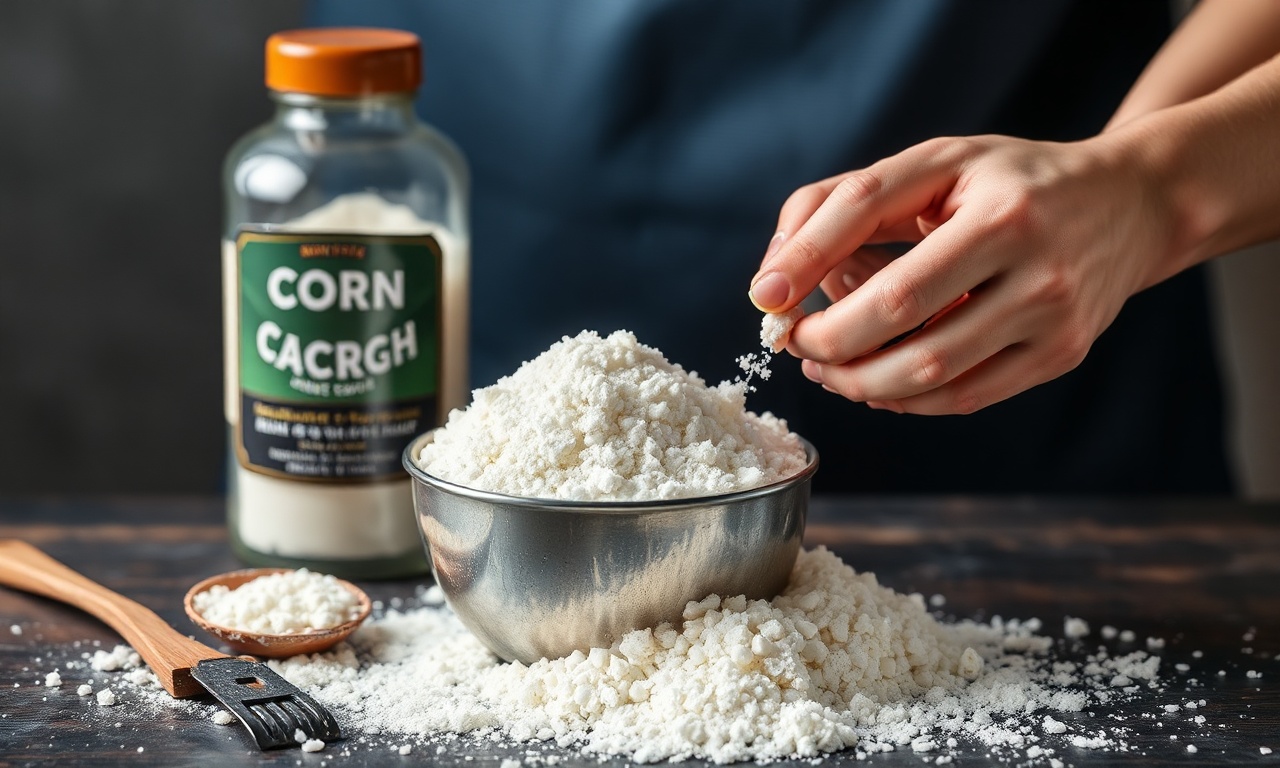

The humble box of cornstarch, often relegated to the back of the pantry, holds within its fine white granules a culinary alchemist’s dream. For generations, home cooks and professional chefs alike have relied on its seemingly simple properties to transform ordinary dishes into extraordinary experiences. I remember a particular Thanksgiving dinner years ago, where a lumpy, watery gravy threatened to derail the entire meal. A last-minute dash of cornstarch, expertly whisked, saved the day, transforming the sauce into a silken, rich accompaniment that drew rave reviews. It’s this quiet power, this ability to elevate and perfect, that makes cornstarch an indispensable tool.
- The Science Behind Cornstarch’s Culinary Prowess
- Mastering the Art of Thickening with Cornstarch
- Cornstarch Beyond Thickening: A Culinary Chameleon
- Baking Brilliance: Tender Cakes and Crispy Crusts
- Frying Fundamentals: Achieving the Perfect Crisp
- Sweet Applications: Glossy Fruit Fillings and Silken Custards
- Expert Tips for Unlocking Cornstarch’s Full Potential
- Cornstarch’s Surprising Non-Culinary Roles
- Nutritional Information and Considerations
- Frequently Asked Questions
It’s not just a thickener; it’s a textural architect, a flavor enhancer, and a secret weapon for achieving that elusive “flawless” finish in countless culinary creations.
Key Takeaways:
- Cornstarch is a versatile ingredient that acts as a powerful thickener, stabilizer, and tenderizer.
- Its unique properties allow for smooth, glossy sauces and gravies, unlike flour-based alternatives.
- Proper handling, including creating a slurry and managing cooking temperatures, is crucial for optimal results.
- Beyond thickening, cornstarch offers surprising benefits in baking, frying, and even non-culinary applications.
The Science Behind Cornstarch’s Culinary Prowess
At its core, cornstarch is derived from the endosperm of corn kernels, a process that isolates its starch molecules. When heated in liquid, these starch granules absorb water, swell, and eventually rupture, releasing amylose and amylopectin molecules. These long-chain carbohydrates then entwine with each other and with water molecules, forming a three-dimensional network that traps liquid and increases viscosity. This process, known as gelatinization, is the fundamental mechanism behind cornstarch’s thickening power. Unlike flour, which contains proteins that can develop gluten and lead to a chewier texture, cornstarch provides a clean, smooth, and glossy finish, making it ideal for delicate sauces, fruit fillings, and custards.
Research published in scientific journals has detailed the intricate molecular interactions during starch gelatinization, explaining how factors like temperature, pH, and the presence of other ingredients can influence the final texture and stability of thickened mixtures. This scientific understanding allows for harnessing cornstarch’s potential with precision. For instance, the rapid swelling of cornstarch granules means it thickens faster than flour, often requiring less time on the stovetop, thus preserving more delicate flavors.
Mastering the Art of Thickening with Cornstarch
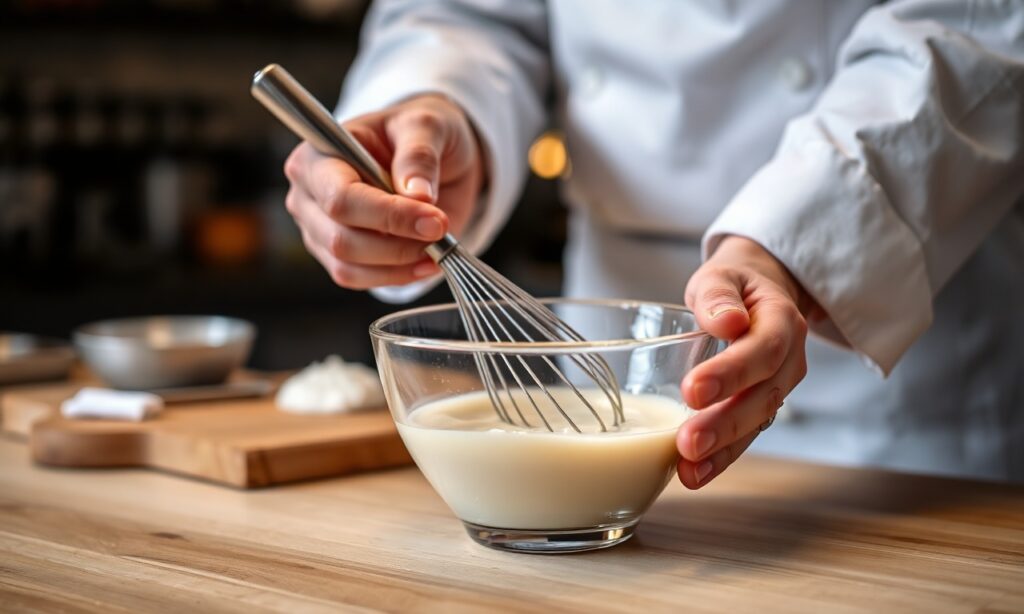
The most common application for cornstarch is thickening. However, achieving a lump-free, perfectly consistent result requires a specific technique: the slurry. A slurry is simply a mixture of cornstarch and a cold liquid (water, broth, milk, or juice) whisked together until smooth and free of lumps. Adding dry cornstarch directly to hot liquid will invariably result in clumps. The cold liquid prevents the starch granules from clumping together prematurely.
The Slurry Technique: A Step-by-Step Guide
- Measure Accurately: Determine the amount of cornstarch needed based on the desired thickness. A general guideline is 1-2 tablespoons of cornstarch per cup of liquid for a light to medium thickness.
- Choose Your Liquid: Select a cold liquid that complements the dish you are preparing. Water is neutral, while broth adds savory depth, and milk or cream can contribute richness.
- Whisk Until Smooth: In a small bowl, combine the measured cornstarch with the cold liquid. Whisk vigorously until the mixture is completely smooth and no dry lumps of cornstarch remain. It should have a milky, opaque appearance.
- Incorporate into Hot Liquid: Gradually pour the cornstarch slurry into the simmering liquid of your dish, whisking constantly. Do not dump it all in at once.
- Simmer and Thicken: Continue to simmer the mixture over medium-low heat, stirring frequently, until it reaches your desired consistency. This typically takes 1-2 minutes. Boiling the mixture for too long after adding cornstarch can break down the starch molecules, causing the thickening to dissipate.
Troubleshooting Common Thickening Issues
Even with the slurry method, challenges can arise. If your sauce is too thin, prepare another small slurry and whisk it into the simmering sauce, allowing it to thicken further. Conversely, if your sauce becomes too thick, you can thin it by whisking in more hot liquid until the desired consistency is achieved. Over-boiling is a common culprit for sauces that lose their thickness, as the heat can degrade the starch structure. Adding cornstarch towards the end of the cooking process minimizes this risk.
Cornstarch Beyond Thickening: A Culinary Chameleon
While its thickening capabilities are paramount, cornstarch’s utility extends far beyond sauces and gravies. In baking, it matter significantly in achieving tender crumb structures and preventing the toughening that can occur with excessive gluten development.
Baking Brilliance: Tender Cakes and Crispy Crusts
In cakes, replacing a small portion of flour with cornstarch can result in a noticeably more tender and delicate crumb. For example, in a classic pound cake recipe, substituting 2 tablespoons of flour per cup with cornstarch can yield a cake that melts in your mouth. This technique is often employed in “shortcakes” or delicate sponge cakes where a light texture is paramount. The presence of cornstarch inhibits gluten formation, leading to a softer mouthfeel.
For pie crusts and pastry doughs, cornstarch can contribute to a flakier texture. When incorporated into the flour mixture, it helps to keep the fat particles separated, leading to more distinct layers during baking. Some bakers even dust their rolling pins with a light coating of cornstarch to prevent dough from sticking, although a well-floured surface is generally preferred for maintaining dough integrity.
An insightful observation from seasoned bakers is that cornstarch acts as a “tenderizer” in baked goods by interfering with gluten development, allowing for a more delicate and melt-in-your-mouth texture, particularly in cakes and cookies.
Frying Fundamentals: Achieving the Perfect Crisp
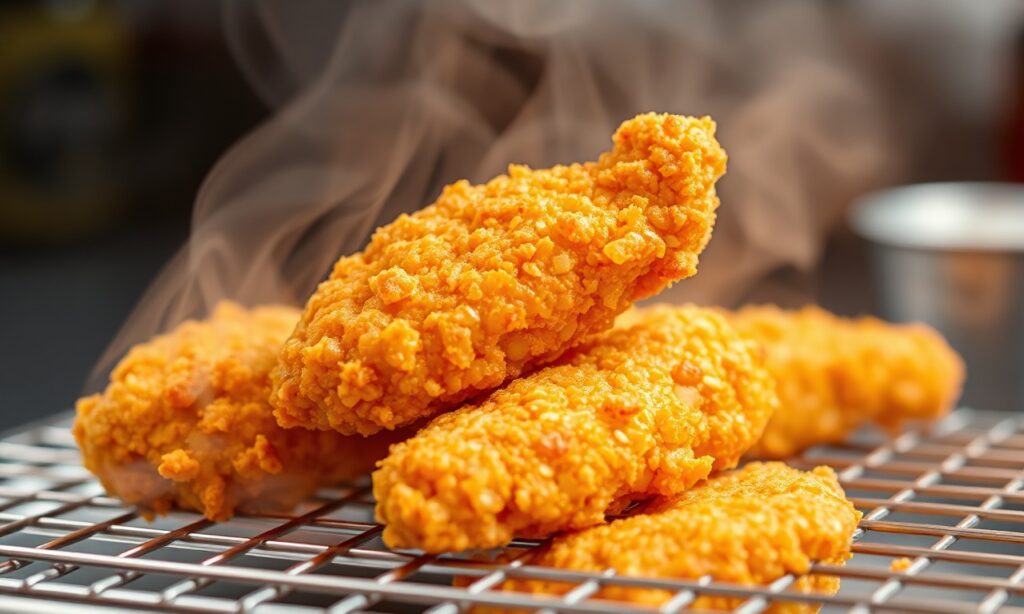
The magic of cornstarch truly shines when it comes to achieving an ultra-crispy exterior on fried foods. When used as a coating for chicken, fish, or vegetables, cornstarch creates a light, brittle crust that fries up beautifully golden and exceptionally crunchy. Its fine texture adheres well to food, and during frying, it undergoes rapid gelatinization and dehydration, forming that coveted crispness.
The Crispy Coating Method
- Prepare Your Food: Ensure your protein or vegetables are dry. Pat them thoroughly with paper towels to remove excess moisture, which can prevent the coating from adhering.
- Create the Coating Mix: In a shallow dish, combine cornstarch with flour, salt, pepper, and any desired herbs or spices. A common ratio for a light, crispy coating is 2 parts cornstarch to 1 part all-purpose flour.
- Dredge Evenly: Toss your food items in the cornstarch mixture, ensuring they are fully and evenly coated. Shake off any excess.
- Fry to Perfection: Heat your oil to the appropriate temperature (usually around 350-375°F or 175-190°C). Fry in batches until golden brown and cooked through.
Sweet Applications: Glossy Fruit Fillings and Silken Custards
Cornstarch is a non-negotiable ingredient for many fruit pie and tart fillings. It effectively thickens the juices released by fruits during baking, preventing a soggy bottom crust and creating a luscious, spoonable filling. Cooking the fruit filling briefly with the cornstarch before assembling the pie ensures the starch is fully activated and the filling achieves its optimal consistency.
For custards, puddings, and pastry creams, cornstarch provides a smooth, creamy texture without the eggy richness that can sometimes dominate flour-thickened versions. It allows the delicate flavors of vanilla, chocolate, or fruit to come to the forefront. The clarity of cornstarch-thickened sauces is also a significant advantage, allowing the vibrant colors of ingredients like berries or citrus to shine through.
Expert Tips for Unlocking Cornstarch’s Full Potential
A few expert insights can elevate your use of cornstarch from functional to phenomenal.
When creating fruit fillings, remember that the acidity of certain fruits (like berries or citrus) can sometimes affect the thickening power of cornstarch. To counteract this, you can either slightly increase the amount of cornstarch or pre-cook the fruit with the cornstarch for a minute or two before adding other ingredients. This pre-activation helps ensure consistent thickening regardless of fruit type.
Cornstarch’s Surprising Non-Culinary Roles
The absorbent and fine-particle nature of cornstarch lends itself to applications beyond the kitchen. Its ability to absorb moisture and oils makes it a popular ingredient in DIY cosmetics and personal care products. For instance, it can be used as a dry shampoo to absorb excess oil from the scalp, or as a base for homemade powders and bronzers. In a pinch, it can even be used to remove grease stains from fabric. Sprinkle generously on the stain, let it sit for several hours (or overnight), and then brush off before laundering as usual. The cornstarch absorbs the grease, making it easier to wash out.
Nutritional Information and Considerations
Cornstarch is primarily composed of carbohydrates and offers little in terms of protein, fat, or fiber. A typical serving (approximately 1 tablespoon or 10 grams) contains about 30-35 calories and around 8-9 grams of carbohydrates, with negligible amounts of other macronutrients. While it’s a useful culinary tool, its nutritional value is minimal, and it should be consumed in moderation as part of a balanced diet. For individuals managing blood sugar levels, it’s important to be mindful of the carbohydrate content.
Nutritional Breakdown (Approximate per 1 tablespoon / 10g)
| Nutrient | Amount |
|---|---|
| Calories | 30-35 kcal |
| Carbohydrates | 8-9 g |
| Protein | < 0.5 g |
| Fat | < 0.1 g |
| Fiber | 0 g |
Frequently Asked Questions
What is the difference between cornstarch and corn flour?
Cornstarch is derived from the endosperm of the corn kernel and is almost pure starch, resulting in a fine, powdery texture and excellent thickening power with a glossy finish. Corn flour, on the other hand, is made from the entire ground corn kernel, including the bran and germ. It has a coarser texture and a slightly yellow hue, and while it can thicken, it produces a less glossy and sometimes slightly grittier result compared to cornstarch.
Can I substitute cornstarch with flour in recipes?
Yes, but with caveats. Flour can be used as a substitute for cornstarch, but you’ll typically need twice the amount of flour because it’s less potent as a thickener. Also, flour will result in a more opaque, less glossy finish, and may impart a slight floury taste if not cooked sufficiently. It’s best to use cornstarch when a clear, glossy, and smooth texture is desired.
How should I store cornstarch?
Cornstarch should be stored in a cool, dry place in an airtight container to prevent it from absorbing moisture or odors from the air. Properly stored, it can last for several years, although its thickening efficacy might slightly diminish over time. Always check for any signs of clumping or off-smells before use, especially if it’s been stored for an extended period.
Why does my cornstarch sauce sometimes become gummy?
A gummy texture is often a result of using too much cornstarch or over-boiling the mixture. Over-boiling can degrade the starch structure, leading to an undesirable texture. Using the correct ratio of cornstarch to liquid and simmering gently for the recommended time are crucial for achieving a smooth, non-gummy sauce.
Is cornstarch gluten-free?
Yes, pure cornstarch is naturally gluten-free, making it a valuable ingredient for individuals with celiac disease or gluten sensitivity. However, always check product labels to ensure there is no cross-contamination during manufacturing, as some products may be processed in facilities that also handle gluten-containing grains.
See also: Cornstarch