
—
“The art of baking is a delicate balance of science and intuition, a dance between precision and passion.” – Julia Child
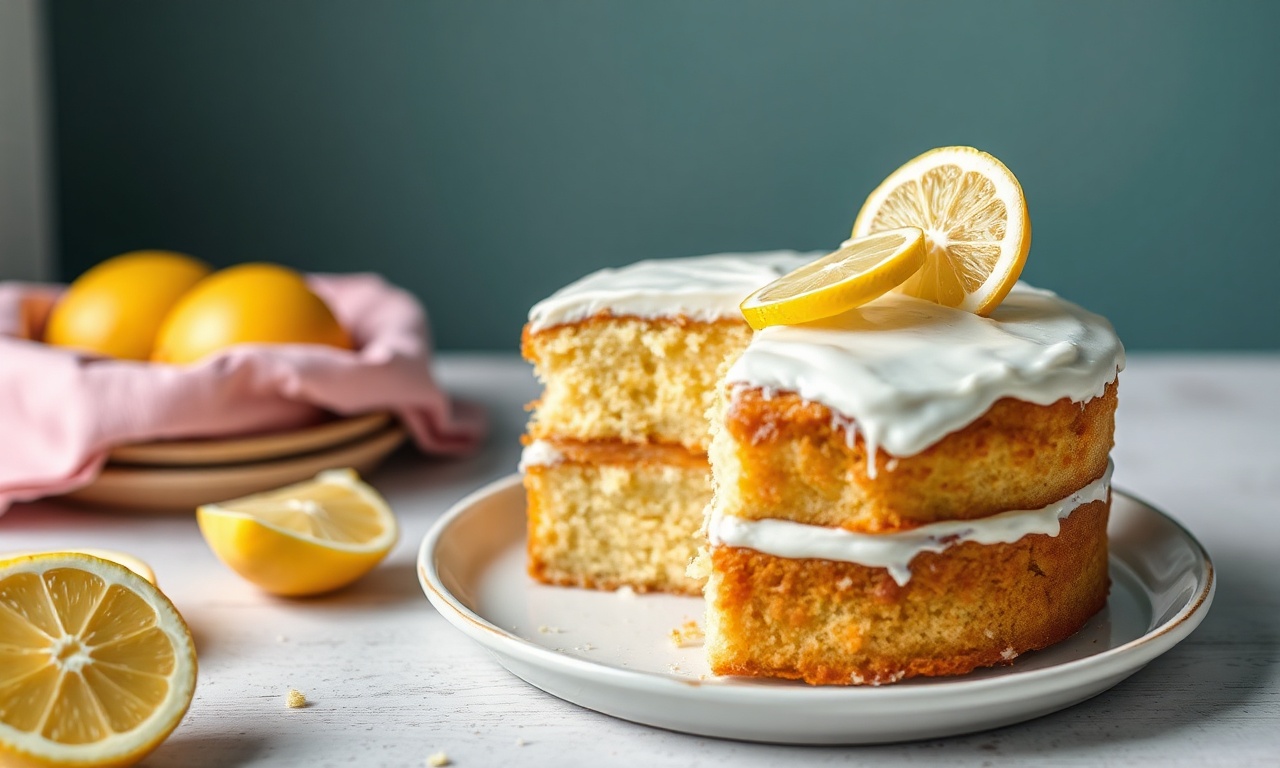
Lemon cake. The very name evokes sunshine, a bright burst of citrus cutting through rich sweetness, a comforting aroma filling the kitchen. It’s a dessert that transcends seasons, equally at home at a summer picnic or a cozy winter gathering. But achieving that perfect, ethereal lightness, that vibrant, soul-stirring zest, requires more than just following a recipe. It demands understanding, technique, and a touch of culinary artistry. This guide is your comprehensive roadmap to mastering the art of the lemon cake, transforming a simple bake into a truly zesty perfection.
The history of lemon cake is deeply intertwined with the rise of home baking and the increasing availability of citrus fruits in Western kitchens. Early cakes were often denser, relying on spices and dried fruits for flavor. However, as sugar became more accessible and baking techniques evolved, the vibrant tang of lemon began to be incorporated, offering a refreshing counterpoint to the prevailing richness. The development of lighter cake flours and more efficient leavening agents further paved the way for the delicate, airy lemon cakes cherished today. Its enduring popularity speaks to its universal appeal: a harmonious marriage of sweet and tart that awakens the palate.
The perfect lemon cake is not merely a dessert; it’s an experience. It’s the bright spark that ignites conversation and the sweet note that lingers long after the last crumb is savored.
As we start to baking enlightenment, let’s acknowledge the foundational elements that contribute to a superior lemon cake. It’s a symphony of carefully selected ingredients, precise measurements, and thoughtful preparation. Understanding the role of each component – from the subtle nuances of different flours to the vital impact of zest versus juice – is paramount. This isn’t just about mixing and baking; it’s about coaxing the best from your ingredients and your oven.
The Anatomy of a Superior Lemon Cake
At its core, a truly exceptional lemon cake hinges on a few key principles. The *moisture content* is paramount; a dry cake is a disappointment. This is achieved through the careful balance of fats (butter, oil), liquids (milk, buttermilk, lemon juice), and sugars. The *texture* is equally critical. We aim for a tender crumb, neither too dense nor too crumbly, with a delicate lift. This is a result of proper mixing techniques, the type and amount of leavening, and the quality of the flour used. Finally, the *flavor profile* must be a vibrant, authentic expression of lemon. This means using fresh, aromatic lemons and understanding how to extract their essence without introducing excessive bitterness.
Ingredients: The Foundation of Flavor and Texture
The selection of ingredients is not a mere formality; it’s where the magic begins. Each item plays a distinct role, and substituting without understanding can lead to culinary missteps. For a truly superior lemon cake, opt for the finest quality ingredients you can source.
For the Cake:
- All-Purpose Flour: 2 ½ cups (320g). While cake flour can create an even lighter texture, all-purpose flour, when handled correctly, yields a delightfully tender result suitable for most home bakers.
- Granulated Sugar: 1 ¾ cups (350g). This provides sweetness and contributes to the cake’s moisture and tender crumb.
- Baking Powder: 2 teaspoons. The primary leavening agent, ensuring a good rise.
- Salt: ½ teaspoon. Enhances all other flavors and balances sweetness.
- Unsalted Butter: 1 cup (227g), softened to room temperature. Butter provides richness, flavor, and contributes to a tender crumb. Ensure it’s truly at room temperature – soft enough to indent easily with a finger, but not melted.
- Large Eggs: 3, at room temperature. Eggs bind ingredients, add richness, and contribute to the cake’s structure and rise. Room temperature eggs emulsify better, leading to a smoother batter.
- Lemon Zest: From 2-3 medium lemons (about 2-3 tablespoons). This is where the intense, aromatic lemon flavor resides. Use a microplane or fine grater to zest only the yellow part, avoiding the bitter white pith.
- Fresh Lemon Juice: ½ cup (120ml), from the same lemons. This provides the tartness and liquid base. Straining it removes pulp and seeds.
- Milk: 1 cup (240ml), at room temperature. Whole milk is preferred for its fat content, contributing to richness and moisture.
- Vanilla Extract: 1 teaspoon. A subtle enhancer that rounds out the citrus notes without overpowering them.
For the Lemon Glaze (Optional but Highly Recommended):
- Powdered Sugar: 1 ½ cups (180g), sifted. Sifting prevents lumps for a smooth glaze.
- Fresh Lemon Juice: 2-3 tablespoons, or as needed. Adjust for desired consistency and tartness.
The Art of Preparation: From Bowl to Oven
The method employed in mixing your cake batter can significantly impact the final outcome. Overmixing develops gluten, leading to a tough cake, while undermixing can result in uneven texture and flavor. Precision is key.
Step-by-Step Mastery: Crafting Your Zesty Masterpiece
- Preheat and Prepare: Preheat your oven to 350°F (175°C). Grease and flour a 9-inch (23cm) round cake pan or a standard loaf pan. For an extra layer of protection against sticking and to enhance browning, you can line the bottom with parchment paper.
- Combine Dry Ingredients: In a large bowl, whisk together the all-purpose flour, granulated sugar, baking powder, and salt. Ensure these ingredients are thoroughly combined to distribute the leavening evenly.
- Cream the Butter and Sugar: In a separate, larger bowl (or the bowl of a stand mixer fitted with the paddle attachment), cream the softened unsalted butter until light and fluffy. Gradually add the granulated sugar, beating until the mixture is pale yellow and airy, about 3-5 minutes. This process, known as creaming, incorporates air into the batter, which is crucial for a light texture.
- Incorporate Eggs: Add the room-temperature eggs one at a time, beating well after each addition until fully incorporated. Scrape down the sides of the bowl as needed.
- Introduce Lemon Zest and Vanilla: Stir in the fresh lemon zest and vanilla extract. The aroma at this stage is already intoxicating, a promise of the bright flavor to come.
- Alternate Dry and Wet Ingredients: This is a critical step for achieving a tender crumb. Add about one-third of the dry ingredients to the butter mixture and mix on low speed until just combined. Then, add half of the milk and half of the lemon juice and mix again until just incorporated. Repeat this process, alternating between the dry ingredients and the liquid mixture, ending with the dry ingredients. Be careful not to overmix; stop as soon as no dry streaks remain. Overmixing can toughen the cake.
- Achieve the Perfect Batter Consistency: The batter should be smooth, creamy, and thick but pourable. If it seems too stiff, you can add another tablespoon of milk.
- Bake to Golden Perfection: Pour the batter evenly into the prepared cake pan. Smooth the top with a spatula. Bake for 30-40 minutes for a round cake, or 50-60 minutes for a loaf pan, or until a wooden skewer or toothpick inserted into the center comes out clean. The top should be golden brown and spring back lightly when touched.
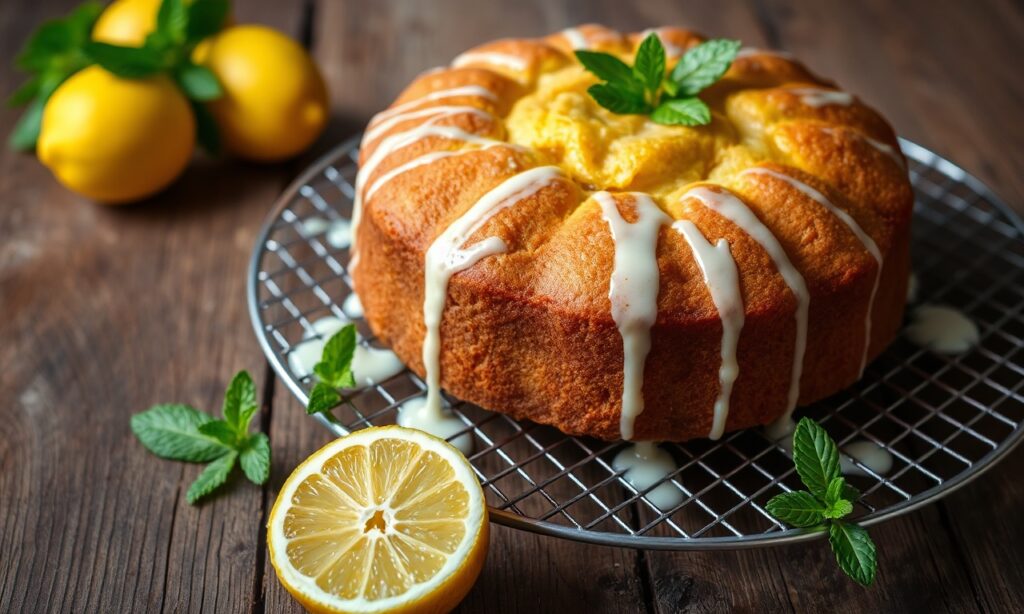
- Cooling and Glazing: Let the cake cool in the pan for about 10-15 minutes before inverting it onto a wire rack to cool completely. While the cake is cooling, prepare the glaze by whisking together the sifted powdered sugar and lemon juice until smooth. Add more lemon juice a teaspoon at a time if needed to reach your desired drizzling consistency. Once the cake is entirely cool, drizzle the glaze generously over the top, allowing it to drip down the sides.
The Science Behind the Zest: Enhancing Lemon Flavor
The intensity and quality of lemon flavor in a cake are not accidental. It’s a result of understanding how to best extract and preserve the volatile aromatic compounds found in lemon zest and juice. The *oil glands* in the lemon peel are where the majority of the aromatic oils are concentrated. Zesting carefully, avoiding the pith, ensures you capture these fragrant oils without introducing unwanted bitterness. When combined with the acidity of lemon juice, these oils create that signature bright, refreshing taste.
Research published in the *Journal of Agricultural and Food Chemistry* has highlighted how different extraction methods can impact the perceived lemon aroma in baked goods. The principle holds true for home bakers: the way you handle your lemons directly influences the final flavor profile. For instance, allowing the zest to macerate in the sugar for a short period before mixing can help to “bloom” the essential oils, intensifying their aroma and flavor release during baking.
The Crucial Role of Room Temperature Ingredients
A common pitfall for novice bakers is the failure to use room-temperature ingredients, particularly butter, eggs, and dairy. Cold ingredients do not emulsify properly. When cold butter is added to sugar, it doesn’t cream effectively, leading to a less aerated batter. Similarly, cold eggs won’t integrate smoothly into the batter, potentially creating a greasy or curdled texture. Room-temperature ingredients blend seamlessly, creating a stable emulsion that allows for maximum aeration and a consistently tender crumb. This is why taking the time to let these items sit out for at least 30-60 minutes before baking is a fundamental step toward baking success.
Troubleshooting Common Lemon Cake Conundrums
Even with the best intentions, baking can sometimes present challenges. Understanding how to identify and rectify common issues can save your bake and boost your confidence.
Why is my Lemon Cake Dry?
A dry cake is often a consequence of overbaking, improper ingredient ratios, or insufficient fat or liquid.
- Overbaking: This is the most frequent culprit. Always rely on visual cues and the toothpick test, rather than just the timer. Ovens can vary in temperature.
- Ingredient Ratios: Too much flour or not enough fat or liquid can lead to dryness. Ensure you are accurately measuring your flour by weight if possible, or by the “spoon and level” method (spoon flour into the measuring cup and level off the top with a straight edge).
- Insufficient Fat/Liquid: If your recipe calls for a specific amount of butter or milk, ensure you’re using it.
Why is my Lemon Cake Dense or Heavy?
A dense cake typically results from overmixing, insufficient leavening, or using cold ingredients that didn’t emulsify properly.
- Overmixing: Developing too much gluten in the flour will create a tough, dense texture. Mix only until ingredients are just combined.
- Leavening Issues: Ensure your baking powder is fresh. It loses its potency over time. You can test it by adding a teaspoon to hot water; it should bubble vigorously.
- Cold Ingredients: As discussed, cold butter and eggs prevent proper aeration, leading to a denser cake.
Why is my Lemon Cake Bitter?
Bitterness in lemon cake almost invariably comes from the white pith of the lemon peel.
- Zesting Technique: Use a microplane or a fine grater and be mindful to zest only the yellow outer layer. The white pith underneath is bitter and should be avoided. If you accidentally grate some pith, you can try to pick it out, but prevention is key.
Elevating Your Lemon Cake: Beyond the Basics
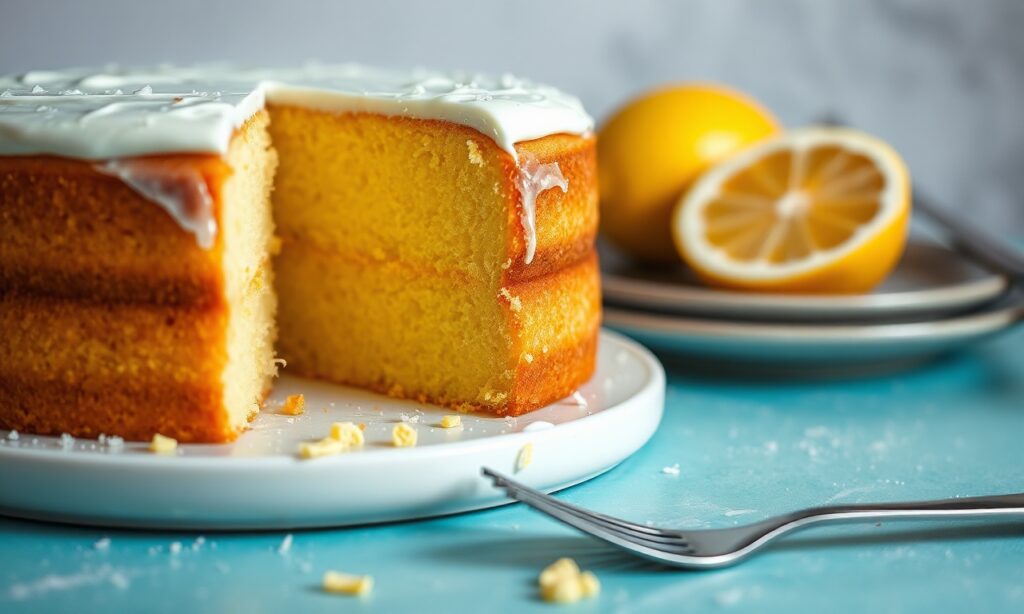
Once you’ve mastered the fundamental recipe, you can explore ways to elevate your lemon cake to extraordinary heights. These are the subtle touches that distinguish a good cake from a truly memorable one.
The Perfect Lemon Glaze: A Balancing Act
The glaze is more than just a sweet topping; it’s an integral part of the lemon cake experience. The tartness of the lemon juice in the glaze cuts through the sweetness of the cake and the powdered sugar, creating a delightful contrast.
- Consistency is Key: Aim for a glaze that is thick enough to coat the cake but thin enough to drizzle elegantly. If it’s too thick, add lemon juice a teaspoon at a time. If it’s too thin, add more powdered sugar, a tablespoon at a time.
- Flavor Boost: For an extra pop of flavor, you can add a tiny amount of lemon extract to the glaze, but use it sparingly as it can be overpowering.
Creative Variations to Explore
Once you are comfortable with the classic lemon cake, consider these delightful variations:
- Lemon Raspberry Cake: Fold fresh raspberries gently into the batter before baking for bursts of tart-sweet flavor and vibrant color.
- Lemon Poppy Seed Cake: Add 2-3 tablespoons of poppy seeds to the dry ingredients for a delightful textural contrast and a subtle nutty flavor.
- Lemon Blueberry Cake: Similar to raspberry, gently fold in fresh blueberries. They tend to “bleed” less color than raspberries, creating lovely blue streaks.
- Lemon Olive Oil Cake: Substitute half of the butter with a high-quality extra virgin olive oil for a uniquely moist and fragrant cake with a slightly Mediterranean flair.
A culinary case study often cited involves a renowned pastry chef who, when faced with a challenge to create the “ultimate lemon dessert,” spent weeks experimenting not just with lemon varieties but also with the *timing* of zest incorporation. He discovered that allowing the zest to steep in warm butter for a brief period before creaming yielded a more profound, layered lemon aroma that permeated the entire cake, a technique that has since become a hallmark of his celebrated lemon creations.
Nutritional Snapshot: A Sweet Indulgence
While a lemon cake is a treat to be savored, understanding its general nutritional profile can be helpful for those mindful of their intake. The exact nutritional values will vary based on ingredient brands and precise measurements, but here is an approximate breakdown per serving (assuming 12 servings of a standard 9-inch cake):
- Calories: Approximately 350-450 kcal
- Fat: Approximately 15-25g (with saturated fat depending on butter and milk content)
- Carbohydrates: Approximately 50-65g (including sugars)
- Protein: Approximately 4-6g
- Sodium: Approximately 200-300mg
Keep in mind that baking is a form of culinary art, and treats like lemon cake are best enjoyed in moderation as part of a balanced diet. The zest itself, however, offers trace amounts of vitamins and antioxidants. Research suggests that citrus peels are rich in flavonoids and essential oils, which have been studied for their potential health benefits, though the amounts consumed in a typical slice of cake are small.
Conclusion: Embrace the Zest
Mastering the lemon cake is a rewarding culinary endeavor. It’s a journey that hones your baking skills, deepens your understanding of ingredients, and ultimately, brings pure joy to those who share in its delightful flavor. By focusing on quality ingredients, precise techniques, and a willingness to experiment, you can consistently create a lemon cake that is not merely good, but truly perfect. The bright, invigorating taste of lemon, when balanced with a tender, moist crumb, is an unparalleled pleasure. So, preheat your ovens, gather your lemons, and embark on the delightful path to zesty perfection.
Frequently Asked Questions
What is the best type of lemon to use for lemon cake?
For the most vibrant and aromatic lemon flavor, Meyer lemons are often preferred. They have a thinner rind, less acidity, and a more floral, slightly sweeter taste. However, standard Lisbon or Eureka lemons are also excellent choices and readily available. The key is to use fresh, fragrant lemons and to zest them carefully, avoiding the bitter white pith.
How can I ensure my lemon cake is moist and not dry?
Moisture in a lemon cake comes from a careful balance of fats, liquids, and careful baking. Ensure you’re using softened butter and room-temperature eggs and milk, as they emulsify better. Don’t overmix the batter, and most importantly, do not overbake. Start checking for doneness a few minutes before the recipe suggests, and use the toothpick test: when it comes out with a few moist crumbs attached, but no wet batter, the cake is ready. Allowing the cake to cool in the pan for a short period before transferring it to a wire rack also helps retain moisture.
Can I make lemon cake ahead of time?
Yes, lemon cake can be made ahead of time. It can be baked a day in advance and stored at room temperature, well-wrapped in plastic wrap or in an airtight container. The glaze is best applied closer to serving time, but a cake with glaze can also be stored at room temperature for a day or two. For longer storage, the unfrosted cake can be frozen for up to 2-3 months. Thaw it at room temperature before glazing.
What are the key differences between a lemon loaf and a lemon bundt cake?
The primary difference lies in the pan used, which affects baking time and texture. A loaf pan typically yields a denser cake with a more concentrated flavor because the batter is thicker. A bundt pan, with its central tube, allows for more even heat circulation, often resulting in a lighter, more evenly baked cake with a beautiful decorative exterior. Baking times will vary significantly; a loaf cake will take longer to bake through than a similarly sized cake in a bundt pan.
Is it possible to make a dairy-free lemon cake?
Absolutely! You can easily make a dairy-free lemon cake by substituting the milk with a plant-based milk such as almond, soy, or oat milk. For the butter, use a high-quality vegan butter substitute. Ensure the vegan butter is solid at room temperature, similar to dairy butter, for optimal creaming. The rest of the ingredients, including eggs and lemon, can remain the same. The resulting cake will be just as moist and flavorful.
See also: Lemon cake