The aroma of simmering tomato sauce, the richness of melted cheese, the comforting embrace of pasta – for many, lasagna embodies the very soul of Italian comfort food. Yet, for those adhering to a ketogenic lifestyle, this beloved dish often feels like a distant, forbidden pleasure. The high carbohydrate count inherent in traditional pasta sheets presents a significant hurdle. But what if you could recreate that quintessential lasagna experience, layering rich flavors and textures, all while staying firmly within your low-carb goals? This isn’t a mere culinary compromise; it’s an elevation, a reinvention that honors the spirit of Italian cuisine while embracing modern dietary science. We’re talking about Keto Zucchini Lasagna, a dish that has captivated home cooks and food enthusiasts alike, proving that indulgence and health can coexist beautifully on the same plate.
- The Genesis of Keto Zucchini Lasagna: A Culinary Evolution
- Mastering the Art of the Zucchini “Noodle”
- The Heart of the Lasagna: Rich, Keto-Friendly Fillings
- Assembling Your Masterpiece: Layer by Layer
- Baking to Perfection: Achieving Golden, Bubbly Bliss
- Nutritional Insights: The Keto Zucchini Advantage
- Elevating Your Keto Zucchini Lasagna: Pro Tips for Restaurant-Quality Results
- Frequently Asked Questions
- Embrace the transformative power of vegetables in classic comfort food.
- Achieve restaurant-quality flavor and texture with simple keto-friendly substitutions.
- Unlock a guilt-free Italian dining experience without sacrificing authenticity.
The Genesis of Keto Zucchini Lasagna: A Culinary Evolution
The journey of reimagining classic dishes for modern dietary needs is as old as cooking itself. Lasagna, with its layered structure, has always been a prime candidate for adaptation. While the exact origins of the zucchini “noodle” substitution are somewhat fluid, its rise to prominence is intrinsically linked to the burgeoning popularity of low-carb and ketogenic diets. As individuals sought ways to enjoy familiar flavors without the carb load, resourceful cooks began experimenting. Zucchini, with its mild flavor, tender texture when cooked, and natural moisture content, emerged as a near-perfect candidate to replace traditional pasta sheets. Unlike some vegetable substitutes that can overpower a dish, zucchini acts as a neutral, yet texturally satisfying, vessel for the robust flavors of a classic lasagna filling. This evolution is proof of culinary ingenuity, demonstrating how tradition can be respected and even enhanced through thoughtful innovation.
For more on the culinary history of lasagna, one can look to its origins in Italian cuisine.
The appeal of Keto Zucchini Lasagna extends beyond mere dietary adherence; it’s about reclaiming comfort food. For many, the inability to enjoy dishes like lasagna can lead to feelings of deprivation. This keto-friendly version offers a delicious solution, allowing individuals to partake in a cherished culinary tradition without triggering the metabolic consequences of high carbohydrate intake. It democratizes a classic, making it accessible to a wider audience seeking healthier alternatives.
Mastering the Art of the Zucchini “Noodle”
The foundation of any successful Keto Zucchini Lasagna lies in the preparation of the zucchini itself. This is where experience truly shines, as a few key techniques can make the difference between a watery disappointment and a perfectly structured masterpiece. The primary challenge with zucchini is its high water content. If not managed properly, this excess moisture can dilute your sauce, make the lasagna soggy, and compromise the overall texture. Therefore, the crucial first step is to draw out as much of this water as possible.
There are several proven methods for achieving this. The most common involves slicing the zucchini lengthwise into thin, uniform strips. A mandoline slicer is invaluable here, ensuring consistent thickness, which is vital for even cooking. Once sliced, the strips should be lightly salted. Salt acts as a dehydrator, drawing moisture out of the vegetable. You’ll notice beads of water forming on the surface within minutes. After letting them sit for at least 15-30 minutes, gently pat them dry with paper towels. Some chefs advocate for a brief grill or oven bake of the zucchini strips at this stage. A quick sear on a hot grill pan or a few minutes under a broiler can further evaporate moisture and impart a subtle smoky flavor, adding another layer of complexity to the final dish.
The goal is not to cook the zucchini through, but to firm it up and reduce its water content significantly.
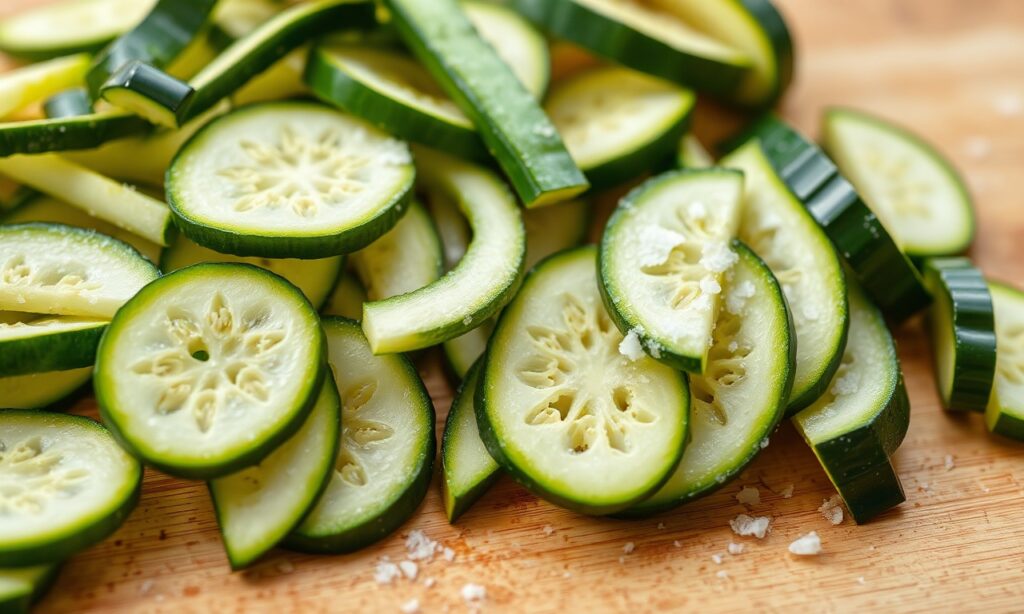
The thickness of your zucchini strips is paramount. Too thin, and they might disintegrate during baking. Too thick, and they may remain too firm or release too much water. Aim for slices approximately 1/8 to 1/4 inch thick. This ensures they become tender and pliable enough to mimic the texture of traditional pasta, yet sturdy enough to hold their shape and support the weight of the fillings. Consider the type of zucchini as well; larger zucchini tend to have more seeds and a higher water content, so opting for medium-sized, firm specimens is generally advisable.
The Heart of the Lasagna: Rich, Keto-Friendly Fillings
While the zucchini provides the structure, the true soul of the lasagna resides in its fillings. For a keto-friendly rendition, this means focusing on high-quality, low-carb ingredients that deliver immense flavor and satisfying richness. The classic components—ricotta cheese, a robust meat sauce, and mozzarella—can all be adapted with spectacular results.
The Meat Sauce: A traditional Bolognese or Ragu is naturally low in carbohydrates, making it an excellent base. Opt for a good quality ground beef, pork, or a blend. Sautéing the meat with finely diced onions, garlic, and perhaps some celery (mirepoix) forms the flavor foundation. Avoid pre-made sauces that often contain added sugars. Instead, create your own using crushed tomatoes (check labels for minimal added sugar), a splash of red wine (which cooks off most of its carbs), and a generous blend of Italian herbs like oregano, basil, and thyme. Simmering this sauce slowly is key to developing depth of flavor. Research suggests that longer, slower cooking times allow for greater Maillard reactions and caramelization of sugars, leading to more complex flavor profiles. For an even richer sauce, consider adding a touch of heavy cream or a parmesan rind during the simmering process.
The Cheese Layer: The creamy ricotta layer is essential for that characteristic lasagna texture. For a keto version, full-fat ricotta cheese is your best friend. To enhance its flavor and texture, whisk in an egg, a generous amount of grated Parmesan cheese, and season with salt, pepper, and a pinch of nutmeg. Nutmeg, when used sparingly, provides a subtle warmth that complements dairy beautifully. Some cooks also like to add a tablespoon or two of heavy cream to the ricotta mixture for extra creaminess. This egg-and-Parmesan-infused ricotta provides binding and a luscious texture that contrasts perfectly with the meat sauce and zucchini.
The Topping: A generous blanket of shredded mozzarella cheese is non-negotiable for that glorious, bubbly, golden-brown crust that defines a perfect lasagna. For an even more decadent topping, consider a blend of mozzarella and provolone, or even a sprinkle of shredded Gruyère for added nutty complexity. The key here is to ensure the cheese melts evenly and browns beautifully during the final baking stage.
Assembling Your Masterpiece: Layer by Layer
The assembly of Keto Zucchini Lasagna is a ritual that builds anticipation for the delicious meal to come. It’s a process that, while straightforward, benefits from thoughtful execution to ensure structural integrity and even cooking.
Begin by lightly greasing your baking dish. A standard 9×13 inch dish is ideal for a family-sized lasagna. Start with a thin layer of your prepared meat sauce at the bottom of the dish. This prevents the first layer of zucchini from sticking and provides a moist base. Next, arrange a single layer of your prepared zucchini strips, overlapping them slightly to create a solid foundation. Don’t worry if there are small gaps; the other ingredients will fill them in.
Upon the zucchini layer, spread about half of your seasoned ricotta cheese mixture evenly. Gently dollop spoonfuls of ricotta and then spread it out with the back of a spoon or a small offset spatula. The aim is a consistent layer that will bake into a creamy stratum. Follow this with another generous layer of your meat sauce, ensuring it covers the ricotta completely. Finally, sprinkle a portion of your shredded mozzarella cheese over the meat sauce.
Repeat the layering process: zucchini strips, the remaining ricotta mixture, more meat sauce, and a final, abundant layer of mozzarella cheese. For an extra touch of authenticity and flavor, you can sprinkle some grated Parmesan cheese over the mozzarella before baking. This dual cheese topping ensures a deeply flavorful and satisfyingly browned crust.
[TIP]Expert Insight: For an exceptionally flavorful ricotta layer, consider adding a tablespoon of finely chopped fresh parsley or basil to the mix. This simple addition brightens the flavor and adds a beautiful fleck of green throughout the creamy cheese.</[TIP]
Baking to Perfection: Achieving Golden, Bubbly Bliss
The baking process is where all your careful preparation comes together. The oven’s heat melds the flavors, cooks the remaining moisture out of the zucchini, and transforms the cheese into a glorious, golden blanket. Preheat your oven to 375°F (190°C).
Cover the assembled lasagna tightly with aluminum foil. This is crucial for the initial baking phase. The foil traps steam, which helps to cook the zucchini through evenly and melt the cheese without drying out the top. Bake for approximately 30-40 minutes with the foil on. The exact time will depend on your oven and the thickness of your lasagna.
[WARNING]Pro-Caution: Over-baking with the foil on can lead to a watery bottom layer. Keep an eye on the cooking time and be prepared to remove the foil as directed.</[WARNING]
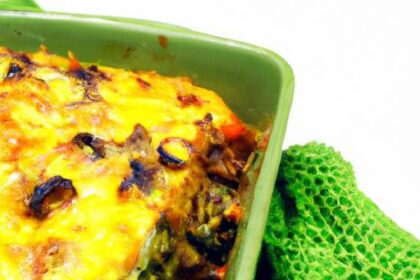
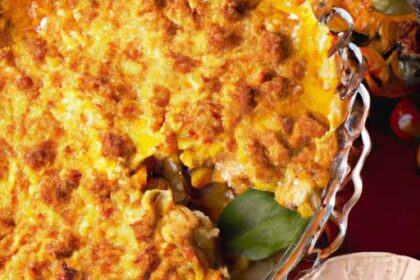
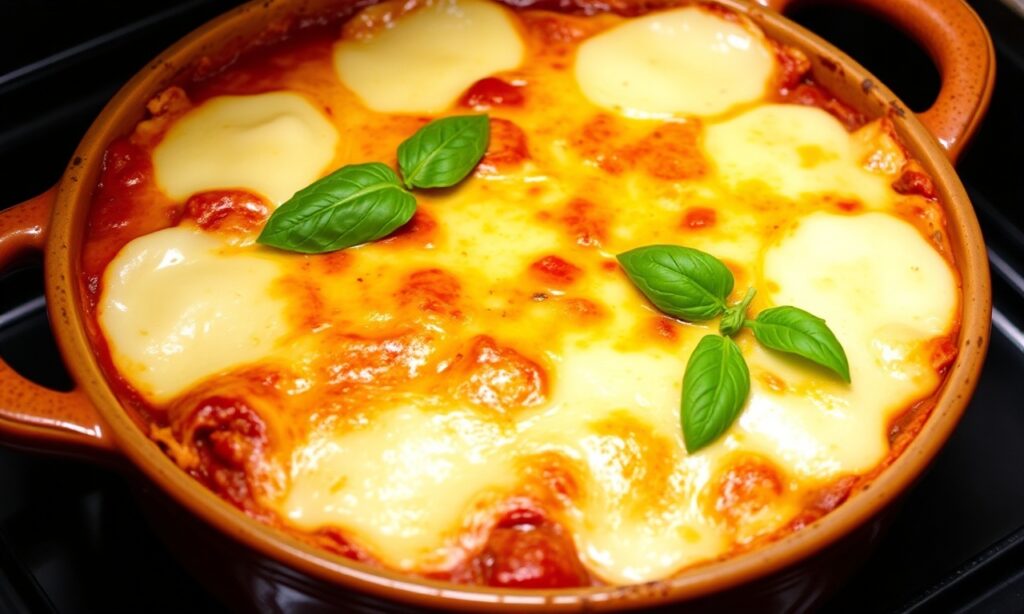
After the initial baking period, carefully remove the aluminum foil. Continue to bake for another 15-20 minutes, or until the cheese is deeply golden brown and bubbly, and you can see the sauce gently simmering around the edges. If the cheese is browning too quickly, you can loosely tent the lasagna with foil again, or place it on a lower oven rack. The goal is a beautiful, caramelized crust that signifies a perfectly baked lasagna.
Once baked, it is absolutely critical to let the Keto Zucchini Lasagna rest. This is a step often overlooked, but it is vital for the dish to set. Allowing it to rest for at least 10-15 minutes after removing it from the oven allows the layers to firm up, making it much easier to slice and serve clean portions. Cutting it too soon will result in a messy, soupy presentation, regardless of how well it was baked.
Nutritional Insights: The Keto Zucchini Advantage
One of the most compelling aspects of Keto Zucchini Lasagna is its favorable nutritional profile compared to its traditional counterpart. By replacing high-carbohydrate pasta with nutrient-dense zucchini, you significantly reduce the overall carbohydrate count, making it an excellent choice for ketogenic dieters and anyone looking to lower their sugar intake. A typical serving of traditional lasagna can easily contain 40-50 grams of carbohydrates, primarily from the pasta. In contrast, a well-made Keto Zucchini Lasagna can contain as little as 8-15 grams of net carbohydrates per serving, depending on the specific ingredients used (especially the sweetness of the tomato sauce and any added sweeteners).
Furthermore, zucchini is a good source of vitamins and minerals, including vitamin C, vitamin K, and potassium, as well as dietary fiber. This fiber content contributes to satiety, helping you feel fuller for longer. The use of lean ground meats and full-fat cheeses in the keto version provides a substantial amount of protein and healthy fats, essential macronutrients for ketogenic diets that promote satiety and support metabolic health. Research indicates that 100 grams of raw zucchini contains approximately 3.1 grams of total carbohydrates, of which only 1.9 grams are net carbs. This makes it an incredibly versatile low-carb vegetable.
When evaluating the nutritional impact, it’s also important to consider the quality of ingredients. Opting for grass-fed beef, organic vegetables, and high-quality cheeses can further enhance the health benefits of your Keto Zucchini Lasagna. This dish isn’t just a diet-friendly substitute; it’s a genuinely nutritious meal that can be a cornerstone of a healthy eating plan.
Elevating Your Keto Zucchini Lasagna: Pro Tips for Restaurant-Quality Results
To truly transform your Keto Zucchini Lasagna from a good meal into an exceptional culinary experience, consider these expert-level tips:
- Roast the Aromatics: Instead of sautéing your onions and garlic for the sauce, try roasting them alongside your tomatoes. Roasting caramelizes their natural sugars more deeply, imparting a sweeter, more complex flavor to your sauce.
- Infuse Your Cheese: For the ricotta layer, consider infusing your dairy with extra flavor. Gently warm some heavy cream with a clove of garlic and a sprig of fresh rosemary or thyme. Let it steep for 15 minutes, then strain and use this infused cream in your ricotta mixture.
- Herbal Freshness: Don’t underestimate the power of fresh herbs. While dried herbs are excellent for simmering sauces, a generous sprinkle of freshly chopped basil, parsley, or even chives over the finished, rested lasagna before serving adds a vibrant burst of freshness that cuts through the richness.
- Umami Boost: For an extra layer of savory depth, consider adding a tablespoon of tomato paste to your sauce and cooking it down for a minute or two before adding the crushed tomatoes. A dash of Worcestershire sauce (check for low-carb versions) or a teaspoon of mushroom powder can also amplify the umami notes.
- The Perfect Crust: If you desire an extra crispy cheese topping, you can broil the lasagna for the last 1-2 minutes of baking, watching it very carefully to prevent burning.
Frequently Asked Questions
Can I make Keto Zucchini Lasagna ahead of time?
Yes, absolutely. Keto Zucchini Lasagna is an excellent make-ahead dish. You can assemble the entire lasagna and refrigerate it for up to 24 hours before baking. Allow it to sit at room temperature for about 30 minutes before baking, and you may need to add an extra 5-10 minutes to the covered baking time to ensure it’s heated through. It also freezes well, either baked or unbaked. If freezing unbaked, thaw overnight in the refrigerator before baking. If freezing baked, thaw and reheat in the oven or microwave.
What kind of meat is best for the sauce?
A blend of ground beef and pork offers a fantastic depth of flavor and texture for the meat sauce. Lean ground beef (85/15 or 90/10) works well, as does ground Italian sausage (check for sugar content). For a lighter option, ground turkey or chicken can be used, though they may require a bit more fat (like a tablespoon of olive oil) during the initial sautéing to prevent dryness. The key is to brown the meat well to develop rich flavors.
My zucchini lasagna is watery. How can I prevent this?
The most common culprit for watery lasagna is insufficient water removal from the zucchini. Ensure you are salting the zucchini slices and patting them thoroughly dry. Some chefs also recommend lightly grilling or baking the sliced zucchini for a few minutes after salting and patting dry to further reduce moisture content. Ensure your tomato sauce is not too thin; simmering it down can help concentrate its flavors and reduce excess liquid.
Can I use different vegetables in my Keto Zucchini Lasagna?
While zucchini is the classic choice, you can experiment with other low-carb vegetables. Thinly sliced eggplant, when prepared similarly to zucchini (salted and patted dry), can also work. Bell peppers, sliced thinly, can add color and a different flavor profile, though they are slightly higher in carbs than zucchini. Mushrooms, sautéed until their liquid has evaporated, can also be incorporated into the filling layers for an added earthy flavor.
What can I serve with Keto Zucchini Lasagna?
Keto Zucchini Lasagna is a hearty dish on its own, but it pairs beautifully with a crisp green salad dressed with a vinaigrette. Steamed broccoli or asparagus with a dollop of butter or hollandaise sauce also makes a wonderful side. For a more substantial meal, garlic butter mushrooms or a simple side of sautéed spinach can complement the richness of the lasagna.
See also: Keto Zucchini
Related Articles
- Hearty Zucchini Lasagna: The Essential Guide to Mastering a Watery Mess
- Grilled Salmon: The Essential Guide to a Perfectly Herbed Lemon Dinner
- Easy Carnivore Meatloaf: The Proven, No-Breadcrumb Essential for a Flavorful Meal
- Vegetarian Cauliflower: The ‘s Essential Guide to a Healthier Crust
- Keto Cauliflower: The Proven, Essential Guide to a Healthier Pizza Experience