
What if a humble vegetable, often maligned for its bitter tendencies, could be transformed into a culinary revelation, a dish so utterly delectable it redefines your perception of greens? Honey Garlic Brussels Sprouts are precisely that revelation – proof of how simple ingredients, treated with a touch of culinary wisdom, can yield extraordinary results. This isn’t just another side dish; it’s an experience, a harmonious blend of sweet, savory, and the subtly earthy notes of perfectly roasted Brussels sprouts.
- The Science of the Sear: Achieving Perfect Brussels Sprouts
- The Honey Garlic Elixir: Crafting the Perfect Glaze
- The Master Recipe: Honey Garlic Brussels Sprouts
- Expert Insights for Culinary Mastery
- Nutritional Spotlight: More Than Just Delicious
- The Art of Variation: Beyond the Classic
- Frequently Asked Questions
The journey of Brussels sprouts from dietary pariah to celebrated star is a fascinating one. Historically, their preparation often involved boiling, a method that tragically leaches out their vibrant flavor and texture, leaving behind a watery, sulfurous disappointment. However, modern culinary techniques, particularly high-heat roasting and the masterful application of flavor pairings like the classic honey-garlic combination, have resurrected these cruciferous gems. The inherent sweetness of honey, when caramelized under heat, beautifully balances the slight bitterness of the sprouts, while garlic provides a pungent depth that elevates the entire profile.
The magic of Honey Garlic Brussels Sprouts lies not in complexity, but in the precise alchemy of balancing inherent bitterness with irresistible sweetness and savory depth.
This article provides a foolproof method for crafting these exceptional sprouts, exploring the nuances of technique, ingredient selection, and flavor enhancement that separate a good dish from a truly great one. We will explore the science behind caramelization, the subtle power of garlic varietals, and how to achieve that coveted crispy exterior and tender interior.
The Science of the Sear: Achieving Perfect Brussels Sprouts
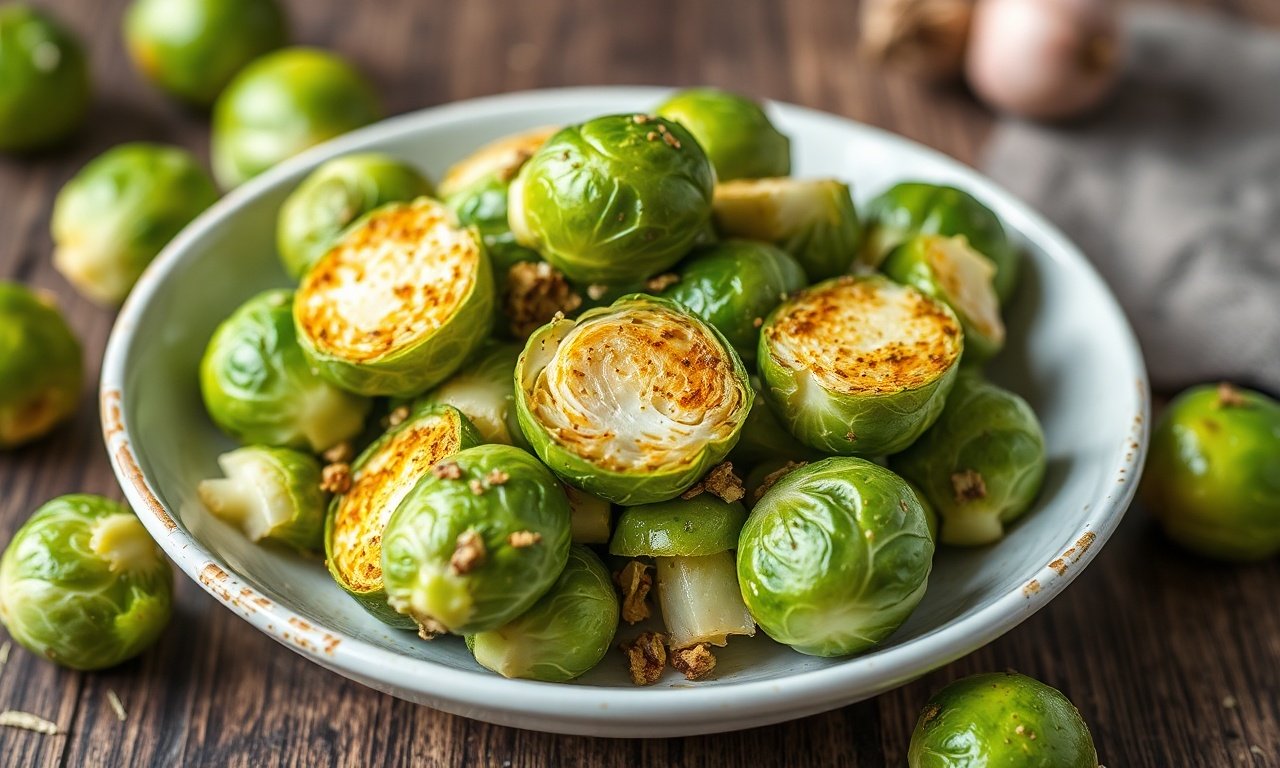
The cornerstone of exceptional Honey Garlic Brussels Sprouts is the preparation of the sprouts themselves. High-heat roasting is paramount. This method encourages the Maillard reaction, a complex chemical process between amino acids and reducing sugars that creates browning and develops a rich, savory flavor. For Brussels sprouts, this means transforming their sometimes-unpleasant raw bitterness into a delightful, slightly sweet, nutty characteristic. The outer leaves crisp up, providing a textural contrast that is utterly addictive, while the interior becomes tender and creamy.
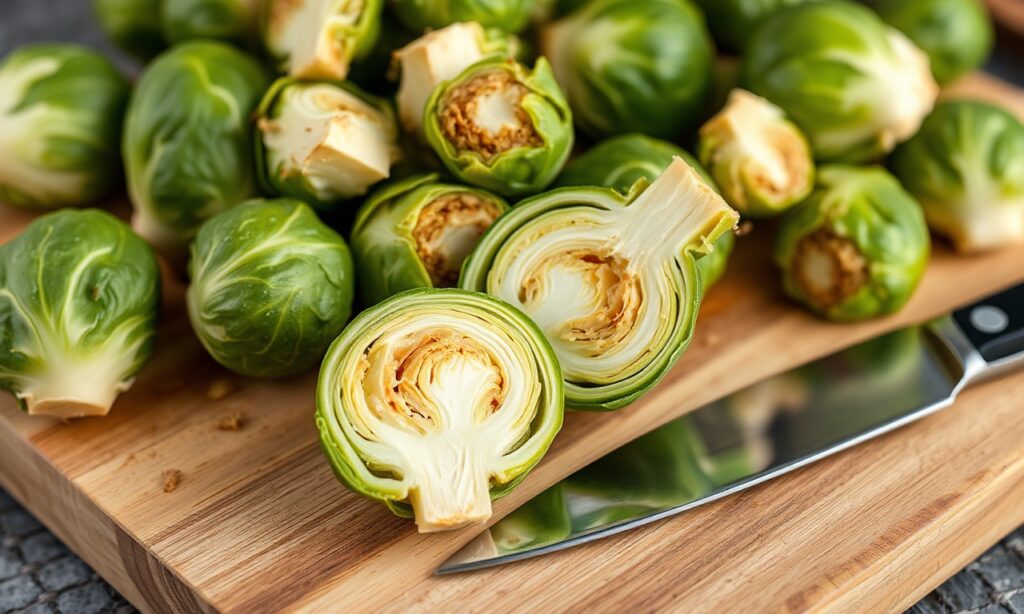
Achieving this perfect balance requires attention to detail. Size matters: sprouts that are too large will take too long to cook, potentially burning before they are tender inside. Conversely, very small sprouts can dry out. Aim for sprouts of a uniform, medium size. Trimming the woody ends and removing any loose or damaged outer leaves is crucial. This not only improves appearance but also ensures even cooking. Halving or quartering larger sprouts is essential for maximizing surface area for caramelization.
The Crucial Role of Fat
The choice of fat is also significant. While olive oil is a popular and healthy choice, its smoke point can be a limitation at the high temperatures required for optimal roasting. For a richer flavor and higher smoke point, consider using avocado oil or even a combination of olive oil and a neutral oil like grapeseed. For an even more decadent touch, a tablespoon of butter added during the last few minutes of roasting can impart a luxurious richness that complements the honey-garlic glaze beautifully.
The Honey Garlic Elixir: Crafting the Perfect Glaze
The heart of this dish lies in the eponymous honey garlic glaze. This is where the magic truly happens, transforming simple sprouts into something extraordinary. The ratio of honey to garlic is a matter of personal preference, but a balanced approach is key to avoiding an overly sweet or overpowering garlic flavor.
Ingredients for the Glaze
- Honey: Opt for a good quality, natural honey. Wildflower honey offers a complex floral note, while clover honey provides a more neutral sweetness. Avoid highly processed honeys, which may lack the depth of flavor.
- Garlic: Fresh garlic is non-negotiable. Minced garlic will infuse the glaze with its potent aroma and flavor. The amount can be adjusted based on your preference; generally, 3-4 cloves per pound of sprouts is a good starting point. For a milder, sweeter garlic flavor, consider roasting whole garlic cloves until soft and then mashing them into a paste before incorporating them into the glaze.
- Soy Sauce or Tamari: This provides the essential savory, umami base. Soy sauce offers a classic flavor, while tamari is a gluten-free alternative with a slightly richer, more nuanced taste.
- Rice Vinegar or Apple Cider Vinegar: A touch of acidity is crucial to cut through the richness and sweetness, brightening the overall flavor profile. Rice vinegar offers a milder tang, while apple cider vinegar provides a more robust, fruity acidity.
- Sesame Oil (Optional): A teaspoon of toasted sesame oil, added at the end, can lend an intoxicating nutty aroma and depth of flavor that is particularly complementary to Asian-inspired dishes.
The Elixir’s Preparation
The glaze can be prepared separately and then tossed with the roasted sprouts, or it can be brushed onto the sprouts during the final stages of roasting to allow for better caramelization. For a more intense glaze, gently simmering the ingredients together for a few minutes can help meld the flavors and thicken the mixture slightly.
The Master Recipe: Honey Garlic Brussels Sprouts
This recipe is designed for optimal flavor and texture, ensuring a consistently delicious outcome.
Ingredients:
- 1.5 lbs (approx. 680g) Brussels sprouts, trimmed and halved (quartered if large)
- 3 tablespoons olive oil, avocado oil, or grapeseed oil
- 1 teaspoon sea salt, or to taste
- ½ teaspoon freshly ground black pepper, or to taste
For the Honey Garlic Glaze:
- 3 tablespoons honey
- 3 cloves garlic, minced (about 1 tablespoon)
- 2 tablespoons soy sauce or tamari
- 1 tablespoon rice vinegar or apple cider vinegar
- ½ teaspoon toasted sesame oil (optional)
- Pinch of red pepper flakes (optional, for a hint of heat)
Instructions:
- Preheat the Oven: Preheat your oven to 400°F (200°C). Line a large baking sheet with parchment paper for easy cleanup.
- Prepare the Brussels Sprouts: In a large bowl, toss the trimmed and halved Brussels sprouts with the olive oil, sea salt, and black pepper. Ensure each sprout is evenly coated.
- Initial Roast: Spread the seasoned Brussels sprouts in a single layer on the prepared baking sheet. Avoid overcrowding the pan, as this will steam the sprouts rather than roast them, hindering crispiness. Use two baking sheets if necessary. Roast for 20-25 minutes, or until tender and starting to brown.
- Prepare the Glaze: While the sprouts are roasting, whisk together the honey, minced garlic, soy sauce (or tamari), vinegar, and optional sesame oil and red pepper flakes in a small bowl.
- Glaze the Sprouts: Remove the baking sheet from the oven. Drizzle the honey garlic glaze over the partially roasted Brussels sprouts. Toss gently to coat all the sprouts evenly.
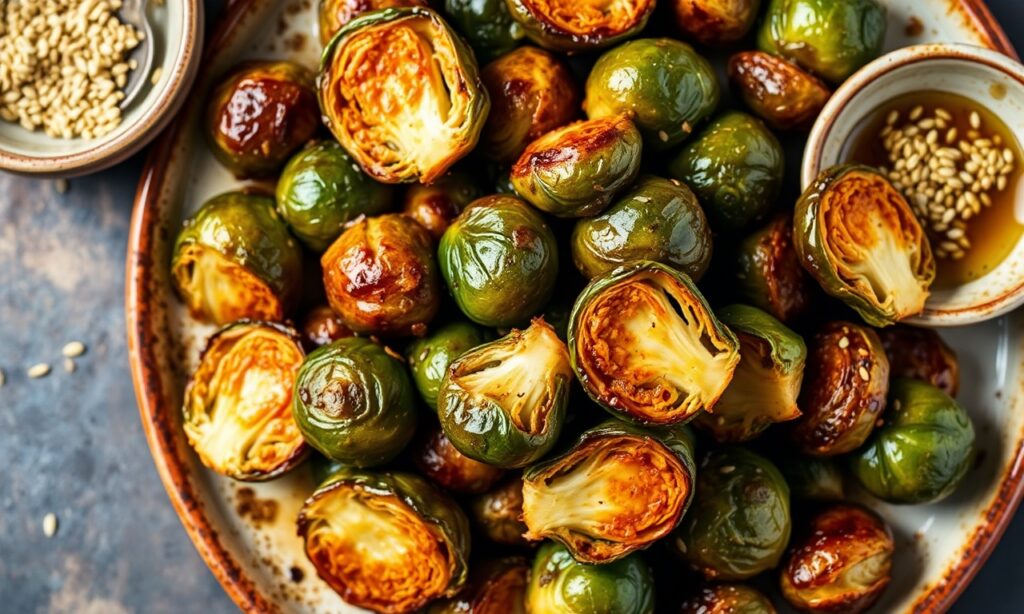
- Final Roast: Return the glazed Brussels sprouts to the oven for another 5-10 minutes, or until the glaze is bubbly and caramelized, and the sprouts are tender-crisp and beautifully browned. Keep a close eye on them during this stage, as the sugars in the honey can burn quickly.
- Serve: Transfer the Honey Garlic Brussels Sprouts to a serving dish. Serve immediately as a delightful side dish.
Expert Insights for Culinary Mastery
Elevating your Honey Garlic Brussels Sprouts from good to gourmet requires a few expert touches. These aren’t secrets held by Michelin-starred chefs, but rather nuanced understandings of flavor and technique that make a significant difference.
Consider the balance of textures. While crispiness is desirable, some may prefer a slightly softer sprout. Adjust roasting times accordingly. For a more complex flavor profile, a pinch of smoked paprika or a dash of sriracha can add intriguing dimensions. Don’t be afraid to experiment with different types of honey; buckwheat honey, for instance, has a robust, molasses-like flavor that can create a wonderfully dark and savory glaze.
Nutritional Spotlight: More Than Just Delicious
Beyond their irresistible taste, Brussels sprouts are nutritional powerhouses. A 1-cup serving (approximately 88 grams) of cooked Brussels sprouts provides a wealth of vitamins and minerals. They are an excellent source of Vitamin C, an important antioxidant crucial for immune function and skin health. According to nutritional databases, one cup of cooked Brussels sprouts can provide over 100% of the daily recommended intake of Vitamin C. They are also a good source of Vitamin K, vital for blood clotting and bone health, and a significant source of fiber, which aids digestion and promotes satiety.
The nutritional profile of the glaze also contributes. Honey, while a sugar, provides trace amounts of antioxidants and can have some antimicrobial properties. Garlic, renowned for its health benefits, contains allicin, a compound studied for its potential cardiovascular and immune-boosting effects. Studies have indicated that regular consumption of garlic may contribute to improved cholesterol levels and blood pressure.
When consumed in moderation, this dish can be a healthy and satisfying addition to your diet, offering a delightful way to increase your intake of nutrient-dense vegetables.
Approximate Nutritional Information (per serving, based on 4 servings):
- Calories: 180-220 kcal
- Protein: 3-5g
- Fat: 8-12g (depending on oil used)
- Carbohydrates: 25-35g (primarily from honey and sprouts)
- Fiber: 4-6g
- Sugars: 18-25g (primarily from honey)
The Art of Variation: Beyond the Classic
The beauty of this recipe lies in its adaptability. Once you’ve mastered the core technique, the possibilities for variation are nearly endless, allowing you to tailor the dish to your specific tastes and the ingredients you have on hand.
Spice it Up:
For those who crave a bit of heat, incorporating chili flakes into the glaze is a straightforward way to add a spicy kick. Alternatively, a drizzle of sriracha or a few thinly sliced fresh chilies added during the last few minutes of roasting can provide a more pronounced heat.
A Touch of Umami Depth:
Consider adding a teaspoon of mushroom powder or a splash of fish sauce to the glaze for an extra layer of savory complexity. These ingredients can significantly enhance the umami profile without overpowering the dominant honey-garlic notes.
Citrus Zest:
A squeeze of fresh lemon or lime juice, or the zest of an orange, added just before serving, can provide a bright, refreshing counterpoint to the rich glaze. This is particularly effective if you’ve opted for a richer oil or a sweeter honey.
Herbal Notes:
Freshly chopped herbs can add a beautiful visual appeal and a burst of freshness. Parsley, chives, or even a few sprigs of fresh thyme tossed with the sprouts after roasting can be a delightful addition.
Frequently Asked Questions
What is the best way to ensure Brussels sprouts get crispy?
To achieve maximum crispiness, ensure your Brussels sprouts are dried thoroughly after washing. Cut them into uniform halves or quarters to promote even cooking. Most importantly, avoid overcrowding the baking sheet; spread them in a single layer so they roast rather than steam. High heat is also crucial.
Can I make Honey Garlic Brussels Sprouts ahead of time?
While they are best served immediately after roasting for optimal crispness, you can prepare the glaze ahead of time and store it in an airtight container in the refrigerator. You can also roast the Brussels sprouts partially and then finish them with the glaze closer to serving time. However, the crisp texture is somewhat diminished when reheated.
What are some alternatives to honey in the glaze?
Maple syrup is an excellent natural sweetener that can be used as a 1:1 substitute for honey, offering a slightly different but equally delicious flavor profile. Agave nectar is another option, though it is a different type of sugar and may alter the texture slightly. For a sugar-free version, a sugar-free maple syrup or a monk fruit-based sweetener could be used, though the caramelization effect may be less pronounced.
Why are my Brussels sprouts bitter?
Bitterness in Brussels sprouts is often due to overcooking, especially if they are boiled. High-heat roasting helps to caramelize their natural sugars and reduce bitterness. Also, older sprouts can sometimes develop a more pronounced bitterness. Ensuring they are fresh and roasting them at the correct temperature are key to a sweet, nutty flavor.
Can I use pre-minced garlic from a jar?
While jarred minced garlic can be used in a pinch, fresh garlic offers a significantly superior flavor and aroma. Jarred garlic often has a metallic or slightly fermented taste that can detract from the delicate balance of the glaze. For the best results, always opt for fresh garlic cloves.
See also: Honey Garlic