
Summer Vegetable Tian: Beyond the Pretty Picture – Unveiling the Real Effort Behind Those Perfect Layers
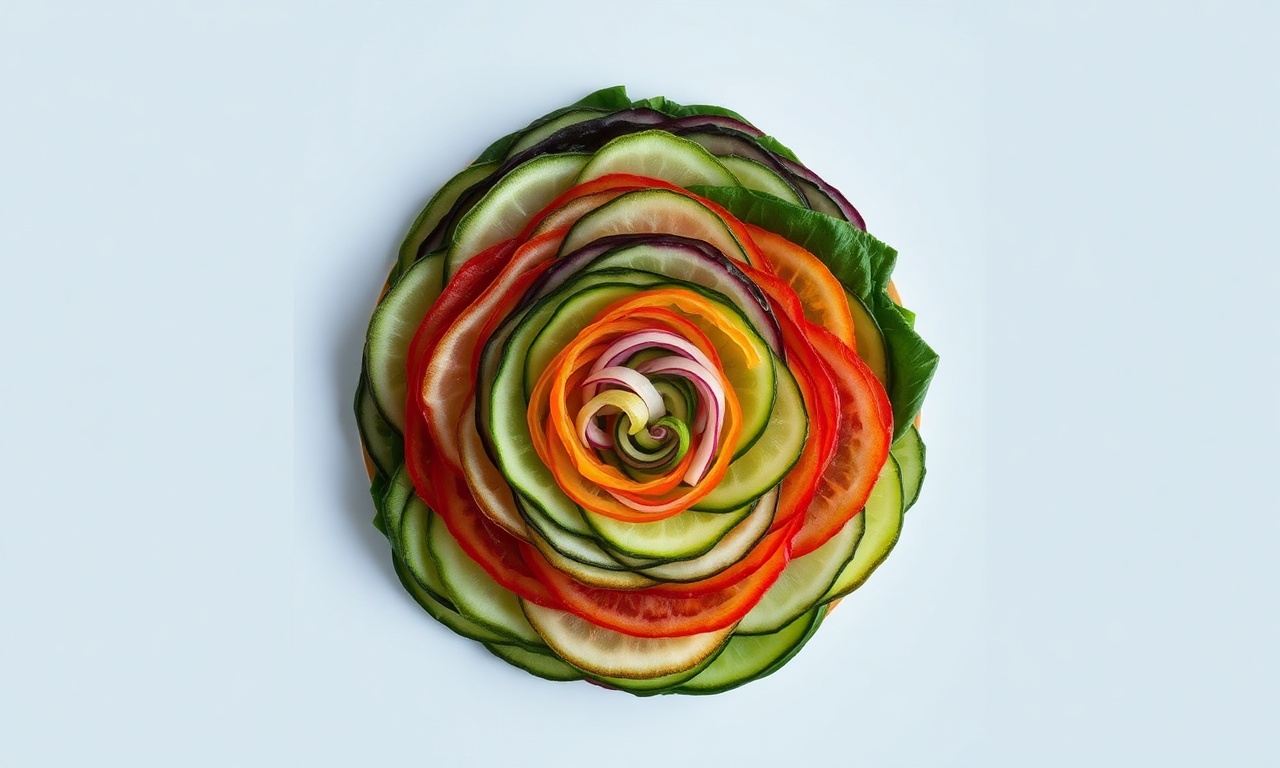
The Summer Vegetable Tian, a dish often lauded for its breathtaking visual appeal, is frequently presented as a simple assembly of thinly sliced vegetables artfully arranged in concentric circles. While its beauty is undeniable, the honest truth is that achieving truly perfect, stable, and deeply flavorful layers requires a nuanced understanding of technique, ingredient selection, and a patient hand. It’s a culinary endeavor that transcends mere aesthetics, demanding a commitment to fundamental cooking principles to unlock its full potential. Many home cooks, seduced by its Instagram-ready appearance, find themselves frustrated by a Tian that collapses, leaks, or lacks the depth of flavor expected from such a vibrant composition.
- Summer Vegetable Tian: Beyond the Pretty Picture – Unveiling the Real Effort Behind Those Perfect Layers
- The Foundation of Flavor: Selecting Your Summer Vegetables
- The Art of the Slice: Precision is Paramount
- Building the Flavor Base: The Savory Foundation
- The Art of Layering: Precision, Overlap, and Stability
- The Binder: Ensuring Structural Integrity
- The Baking Process: Patience and Precision
- The Crucial Resting Period: The Secret to Stability
- Serving Your Masterpiece: Presentation and Pairings
- Nutritional Snapshot: A Healthy Dose of Summer Goodness
- Troubleshooting Common Tian Problems
- Frequently Asked Questions About Summer Vegetable Tian
When it comes to Summer Vegetable, This isn’t a dish you can simply “throw together” if you aspire to a result that is as delicious as it is beautiful.
The true mastery of Summer Vegetable Tian lies not in the slicing, but in the understanding of how each component contributes to the final structure and flavor symphony.
This dish, a cornerstone of Provençal cuisine, is more than just a pretty face; it’s proof of the power of simple, high-quality ingredients treated with respect. Its origins are deeply rooted in the sun-drenched gardens of Southern France, where the bounty of summer vegetables – zucchini, eggplant, tomatoes, and peppers – are at their peak. Historically, a “tian” referred to the earthenware dish in which food was baked, and by extension, the dish itself. The modern interpretation, however, has evolved, emphasizing the precise layering and baking technique that defines its iconic look. Let’s peel back the layers, so to speak, and explore the realities of creating a Summer Vegetable Tian that not only looks magnificent but also delights the palate.
The Foundation of Flavor: Selecting Your Summer Vegetables
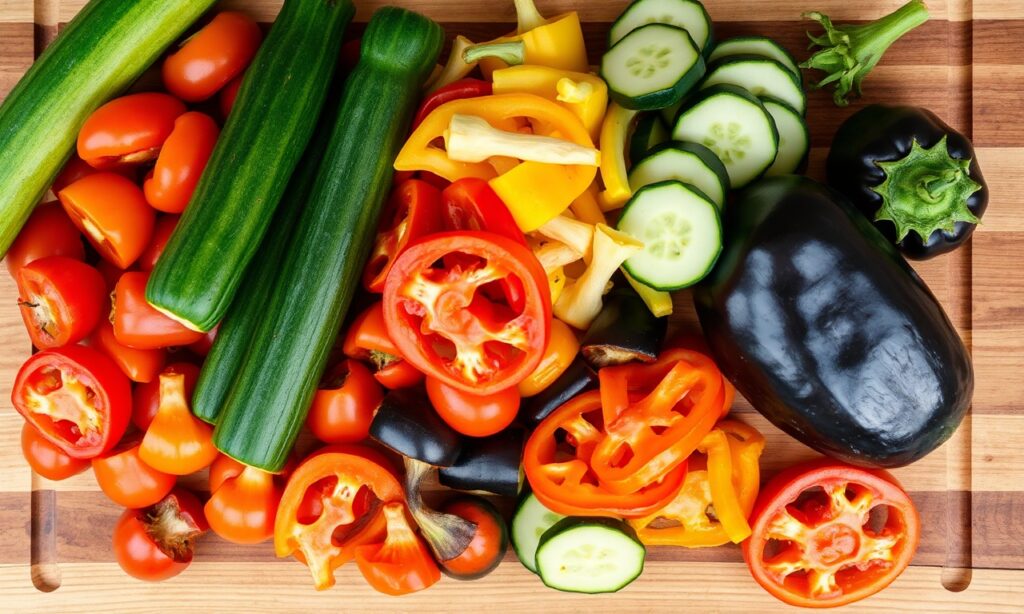
The success of any Summer Vegetable Tian hinges on the quality and type of vegetables chosen. It’s not simply about grabbing whatever is in season; it’s about selecting varieties that offer both structural integrity and complementary flavors when baked. Uniformity in thickness is paramount for even cooking and a cohesive appearance.
Key Vegetable Choices for Optimal Tian:
- Zucchini and Summer Squash: These are the workhorses of the Tian. Opt for medium-sized, firm specimens. Avoid overly large, watery squash, as they can release too much liquid and cause the Tian to become soggy. A slight bitterness in some zucchini varieties is actually beneficial, providing a counterpoint to the sweetness of other ingredients.
- Eggplant: Globe eggplants or Japanese varieties work well. Ensure they are firm and free of soft spots. Some chefs advocate for salting and draining eggplant slices beforehand to remove excess moisture and any potential bitterness, a crucial step for preventing a watery Tian.
- Tomatoes: Roma or plum tomatoes are ideal due to their lower seed and water content. Slicing them uniformly is key. Heirloom tomatoes, while beautiful, can be too watery and may not hold their shape as well.
- Bell Peppers: Red, yellow, and orange bell peppers add a burst of color and a subtle sweetness. Seed and devein them, then slice into thin, even strips or dice them to form a base layer.
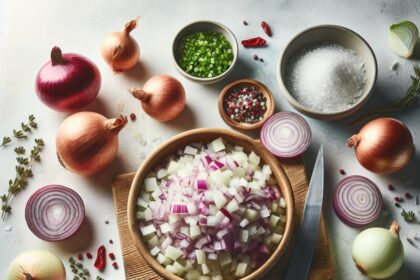
- Onions and Garlic: These aromatics form the flavor bedrock. Thinly sliced yellow or red onions and minced garlic provide a savory foundation that infuses the entire dish.
The Art of the Slice: Precision is Paramount
In the context of Summer Vegetable, This is where the visual magic truly begins, and also where many amateur attempts falter. The goal is to achieve slices that are uniformly thin – typically between 1/16th and 1/8th of an inch (2-3 mm). This consistency ensures that all vegetables cook at the same rate, preventing some from becoming mushy while others remain undercooked.
Mastering the Mandoline and Knife Skills:
- Mandoline Slicer: For most home cooks, a mandoline is an indispensable tool for achieving the perfect, uniform slice. Ensure you use the safety guard religiously. Practice on a less delicate vegetable first if you are new to using one. The goal is to create ribbons of vegetable, not thick, uneven discs.
- Sharp Chef’s Knife: If a mandoline isn’t available, a very sharp chef’s knife and a steady hand are essential. Take your time, maintaining a consistent angle and pressure. This process, while more time-consuming, can also be quite meditative.
Around Summer Vegetable, The act of slicing is not just about uniformity; it’s also about preparing the vegetables for optimal flavor infusion. For ingredients like eggplant, this is also the stage where you might perform a pre-treatment to mitigate excess moisture.
Building the Flavor Base: The Savory Foundation
Regarding Summer Vegetable, Before the vibrant vegetable layers ascend, a robust flavor base is crucial. This is often overlooked in favor of the visual spectacle, but it’s the unsung hero that provides depth and complexity. A well-seasoned, aromatic base prevents the Tian from tasting flat or one-dimensional.
Crafting the Aromatic Bed:
- Sautéed Aromatics: Begin by gently sautéing thinly sliced onions and minced garlic in olive oil. This process softens the onions and releases their sweetness, while the garlic becomes fragrant without burning.
- Herbs and Spices: Incorporate dried herbs like thyme, rosemary, or Herbes de Provence. A pinch of red pepper flakes can add a subtle warmth. The heat from the pan will help to bloom these spices, intensifying their aroma and flavor.
- Tomato Paste: A tablespoon or two of tomato paste, sautéed briefly with the aromatics, adds a concentrated umami depth that forms a rich, savory foundation for the vegetables.
- Seasoning: Generously season this base layer with salt and freshly ground black pepper. This initial seasoning is critical, as it will permeate the vegetables as they bake.
When it comes to Summer Vegetable, This aromatic layer acts as a flavorful cushion, absorbing excess moisture released by the vegetables and infusing them with savory goodness from the bottom up.
The Art of Layering: Precision, Overlap, and Stability
This is the iconic stage of the Summer Vegetable Tian, where culinary artistry meets architectural precision. The goal is to create visually stunning, stable layers that hold their shape during baking and serving.
Techniques for Perfect Stratification:
- Concentric Circles or Rows: The most classic presentation involves arranging the vegetable slices in tight, overlapping concentric circles radiating from the center, or in neat, overlapping rows. The key is consistent overlap; each slice should cover about half of the previous one.
- Alternating Vegetables: Alternate the types of vegetables to create visual interest and a harmonious blend of flavors and textures. For example, a ring of zucchini, followed by a ring of tomato, then eggplant, and so on.
- Tight Packing: Don’t be afraid to pack the vegetables snugly. This helps them stand upright and prevents the Tian from collapsing. However, avoid crushing them, which can release too much moisture too quickly.
- Building Upwards: Start from the outer edge of the dish and work your way inward, or vice versa, depending on your preferred pattern. Ensure each layer is firmly set before starting the next.
In the context of Summer Vegetable, 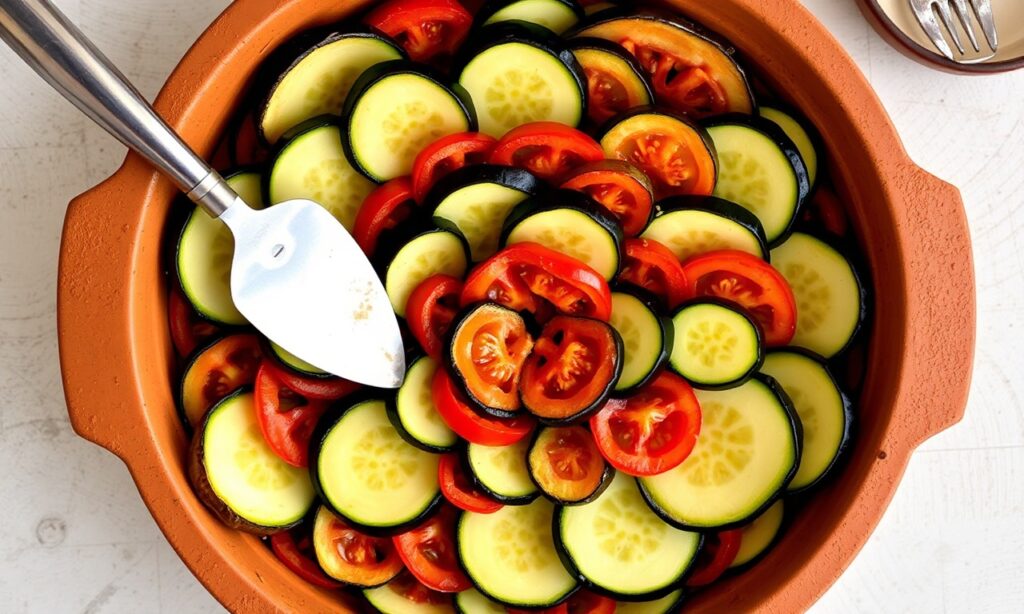
The Binder: Ensuring Structural Integrity
Around Summer Vegetable, While the vegetables themselves provide structure, a good binder is essential to keep everything together, prevent excessive liquid pooling, and enhance the overall richness of the Tian. This is where culinary science meets art.
Essential Binding Agents:
- Olive Oil: A generous drizzle of good quality extra virgin olive oil over the vegetables is non-negotiable. It lubricates the slices, aids in even cooking, and contributes to the dish’s signature flavor.
- Herbs and Seasonings: Sprinkle fresh herbs like basil, parsley, or thyme between layers, along with salt and pepper. This adds pockets of fresh flavor and visual appeal.
- Parmesan Cheese (Optional but Recommended): A light dusting of grated Parmesan cheese between layers adds a salty, umami boost and helps to bind the vegetables together as it melts.
- A Thin Layer of Sauce (Optional): Some chefs opt for a very thin layer of a smooth tomato sauce or a béchamel at the base, beneath the sautéed aromatics, for added moisture and binding. However, for a classic, lighter Tian, this is often omitted.
Regarding Summer Vegetable, The combination of oil, seasoning, and the natural starches released from the vegetables during baking creates a cohesive, flavorful dish. Research suggests that the extrusion of water from vegetables during baking, combined with the binding properties of fats and starches, contributes to the textural integrity of baked dishes like Tian.
The Baking Process: Patience and Precision
When it comes to Summer Vegetable, The baking stage is where the magic happens, transforming raw ingredients into a harmonious, tender dish. It requires careful temperature control and sufficient time to allow the vegetables to soften and meld their flavors.
Mastering the Oven:
- Preheat Appropriately: A moderately hot oven, typically around 375°F (190°C), is ideal. This heat allows the vegetables to soften without burning the edges.
- Covering for Initial Cooking: It’s often beneficial to cover the Tian loosely with aluminum foil for the first two-thirds of the baking time. This traps steam, ensuring the vegetables cook through evenly and preventing the tops from drying out or browning too quickly.
- Uncovering for Browning: Remove the foil for the final third of baking. This allows the surfaces of the vegetables to caramelize slightly and develop a beautiful, golden-brown hue. The edges should become tender and slightly crisp.
- Baking Time: Expect to bake for 45-60 minutes, or until the vegetables are tender when pierced with a knife and the liquid has reduced. The exact time will depend on the thickness of your slices and the specific vegetables used.
The Crucial Resting Period: The Secret to Stability
This is perhaps the most overlooked, yet most critical, step in achieving a Summer Vegetable Tian that doesn’t fall apart upon serving. Like many baked dishes, a Tian benefits immensely from a period of rest.
Why Resting Matters:
- Moisture Redistribution: As the Tian cools, the juices released during baking redistribute throughout the dish. This prevents a pool of liquid from forming when sliced and ensures each bite is moist and flavorful.
- Setting of Structure: The natural starches and melted cheese (if used) continue to set and bind the layers as the dish cools. This is what gives the Tian its structural integrity.
- Flavor Development: Flavors continue to meld and deepen during the resting period, resulting in a more complex and satisfying taste.
Ideally, allow the Tian to rest for at least 15-20 minutes after removing it from the oven, and sometimes even longer, before attempting to slice and serve. This patience will be rewarded with clean slices and a beautifully composed presentation.
Serving Your Masterpiece: Presentation and Pairings
Once rested, your Summer Vegetable Tian is ready to shine. Its versatility makes it a stunning side dish, a light vegetarian main, or an elegant appetizer.
Serving Suggestions:
- As a Side Dish: It perfectly complements grilled meats, roasted chicken, or fish. The freshness of the vegetables cuts through richer flavors.
- As a Vegetarian Main: Serve with a dollop of crème fraîche, a scattering of fresh herbs, or alongside a grain like quinoa or couscous.
- Appetizer: Cut into smaller portions, it makes an impressive starter for a dinner party.
- Garnishes: A final drizzle of olive oil, a sprinkle of flaky sea salt, or a few fresh basil leaves can elevate the presentation.
The visual appeal is undeniable, and the honest truth is that with careful preparation, it’s a dish achievable for any dedicated home cook. The effort is in the detail, the patience, and the understanding of how each element contributes to the final, delicious whole.
Nutritional Snapshot: A Healthy Dose of Summer Goodness
A typical serving of Summer Vegetable Tian is a nutritional powerhouse, packed with vitamins, minerals, and fiber. The exact nutritional profile will vary based on the specific vegetables used and the amount of olive oil.
- Calories: Approximately 150-250 kcal per serving (depending on oil and cheese content).
- Fiber: Rich in dietary fiber from the various vegetables, promoting digestive health.
- Vitamins and Minerals: Excellent source of Vitamin C, Vitamin A, potassium, and various antioxidants, particularly from tomatoes and peppers.
- Healthy Fats: Primarily from olive oil, which provides monounsaturated fats beneficial for heart health.
Troubleshooting Common Tian Problems
Even with the best intentions, some issues can arise. Understanding common pitfalls can help you navigate them for future Tians.
- Watery Tian: This is the most frequent complaint. It’s usually due to using watery vegetables (overripe zucchini, seedy tomatoes), not draining eggplant, or insufficient baking time for moisture evaporation. Ensure vegetables are sliced uniformly and packed snugly.
- Collapsing Layers: Often a result of insufficient resting time, or vegetables that were not sliced thinly or uniformly enough. Overcrowding the pan can also lead to steam build-up and collapse.
- Burnt Edges, Undercooked Center: Oven temperature might be too high, or the Tian was not covered for the initial baking phase. Adjust oven temperature and use foil as recommended.
- Vegetables Falling Apart: This can happen if vegetables are overcooked or if they weren’t packed tightly enough. A proper resting period is key to setting the structure.
The journey to the perfect Summer Vegetable Tian is one of meticulous preparation and patient execution. It’s a dish that rewards attention to detail, transforming humble summer produce into an edible work of art.
Frequently Asked Questions About Summer Vegetable Tian
What are the best vegetables to use for a Summer Vegetable Tian?
The most traditional and effective vegetables include zucchini, summer squash, eggplant, tomatoes (particularly Roma or plum varieties), bell peppers, and onions. The key is to select firm, fresh produce that can be sliced uniformly thin. For eggplant, a preliminary salting and draining can help reduce bitterness and excess moisture.
How do I achieve perfectly uniform vegetable slices?
A mandoline slicer is the most efficient tool for achieving consistent, paper-thin slices (approximately 1/16th to 1/8th inch or 2-3 mm). If using a knife, ensure it is exceptionally sharp and maintain a steady hand and consistent angle. Uniformity is crucial for even cooking and a beautiful, cohesive appearance.
Why does my Summer Vegetable Tian turn out watery?
Excessive moisture is a common issue. It can stem from using watery vegetables, not draining prepped ingredients like eggplant, or not baking the Tian long enough for the liquids to evaporate. Ensure your vegetables are fresh and firm, and don’t be afraid to let the Tian bake until the liquid has visibly reduced.
How long should I let the Summer Vegetable Tian rest before serving?
A resting period of at least 15-20 minutes after baking is essential. This allows the juices to redistribute, the layers to set, and the flavors to meld, ensuring the Tian holds its shape when sliced. For larger Tians, a slightly longer rest can be beneficial.
Can I make Summer Vegetable Tian ahead of time?
While it’s best served fresh, you can prepare the vegetable slicing and the aromatic base a day in advance. Store the sliced vegetables separately, perhaps lightly tossed with olive oil and lemon juice to prevent browning. Assemble and bake the Tian closer to serving time for optimal texture and appearance. Reheating can sometimes lead to a loss of crispness.
See also: Summer Vegetable