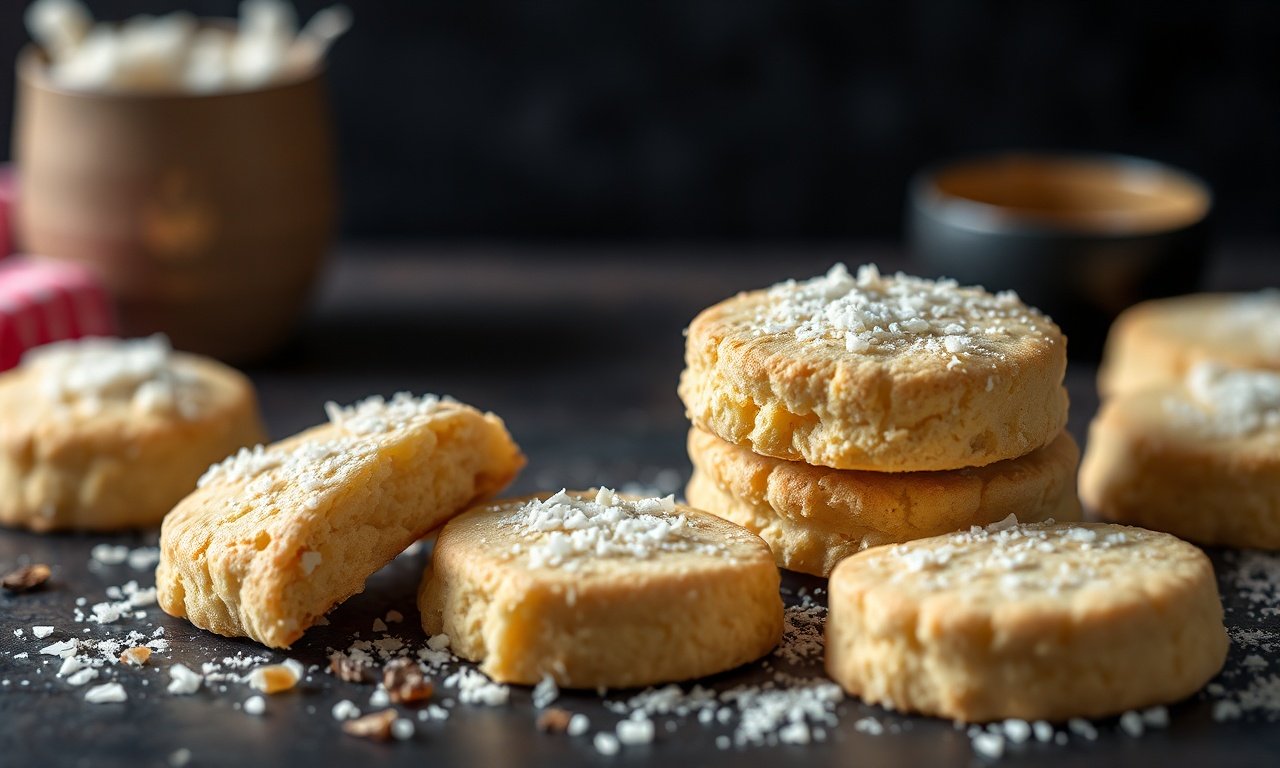

The subtle, nutty aroma of toasted coconut mingling with the buttery richness of shortbread is a culinary siren song, beckoning to those who appreciate delicate textures and nuanced flavors. Yet, achieving that coveted flaky, melt-in-your-mouth quality can feel as elusive as a mirage. We’ve all experienced it: the dense, crumbly disappointment that bears little resemblance to the ethereal shortbread of our dreams. This isn’t merely about following a recipe; it’s about understanding the fundamental science and art behind this beloved biscuit. This guide demystifies the process, offering a no-nonsense approach to make the most of truly perfect coconut shortbread, ensuring every bite is proof of masterful baking.
- The Science Behind the Flake: Deconstructing Shortbread’s Magic
- Essential Ingredients for Coconut Shortbread Mastery
- Butter: The Unsung Hero
- Flour: The Foundation
- Sugar: Sweetness and Structure
- Coconut: The Star Flavor
- Salt: Enhancing Flavor
- The Art of Dough Preparation: Patience and Precision
- The Non-Negotiable Step: Chilling Your Coconut Shortbread Dough
- Shaping and Baking: Precision for Perfection
- Troubleshooting Common Coconut Shortbread Pitfalls
- Problem: Shortbread is too hard and dense.
- Problem: Shortbread spreads excessively and loses its shape.
- Problem: Shortbread is too crumbly and falls apart easily.
- Problem: Shortbread is greasy.
- Elevating Your Coconut Shortbread: Advanced Techniques and Variations
- Nutritional Information (Approximate per Serving – 1 cookie, based on 16 cookies from a 9-inch pan):
- Conclusion: The Enduring Appeal of Perfect Coconut Shortbread
- Frequently Asked Questions About Coconut Shortbread
- H3: What is the best type of coconut to use for coconut shortbread?
- H3: Why is chilling the dough so important for coconut shortbread?
- H3: Can I use margarine instead of butter for coconut shortbread?
- H3: How can I make my coconut shortbread more flavorful?
- H3: What is the ideal oven temperature and baking time for coconut shortbread?
- The precise ratio of fat to flour is paramount for achieving shortbread’s characteristic tenderness and flakiness.
- Chilling the dough is not optional; it’s a critical step that allows the gluten to relax and the fats to solidify, preventing spread and enhancing texture.
- The type of fat used significantly impacts the final crumb; butter provides unparalleled flavor and flakiness.
- Gentle handling of the dough is essential to avoid developing excess gluten, which leads to tough shortbread.
The Science Behind the Flake: Deconstructing Shortbread’s Magic
At its core, shortbread is defined by its “short” texture, a direct result of a high fat-to-flour ratio. Unlike breads that rely on gluten development for structure and chew, shortbread actively minimizes it. Flour contains proteins that, when hydrated and worked, form gluten strands. In shortbread, the abundant fat acts as a barrier, coating the flour particles and physically inhibiting these proteins from forming strong gluten networks. This limited gluten development is what prevents the biscuit from becoming elastic and chewy, instead yielding a tender, crumbly texture.
The concept of “short” in baking refers to this tender, crumbly quality. Studies show how varying the fat content in baked goods directly correlates with changes in texture. For shortbread, a ratio typically ranging from 1:2 to 1:3 (fat to flour by weight) is considered ideal. Too little fat, and you risk a dry, hard biscuit. Too much, and the shortbread may spread excessively and become greasy, losing its structural integrity. Understanding this delicate balance is the first, and perhaps most crucial, step toward shortbread perfection.
Essential Ingredients for Coconut Shortbread Mastery
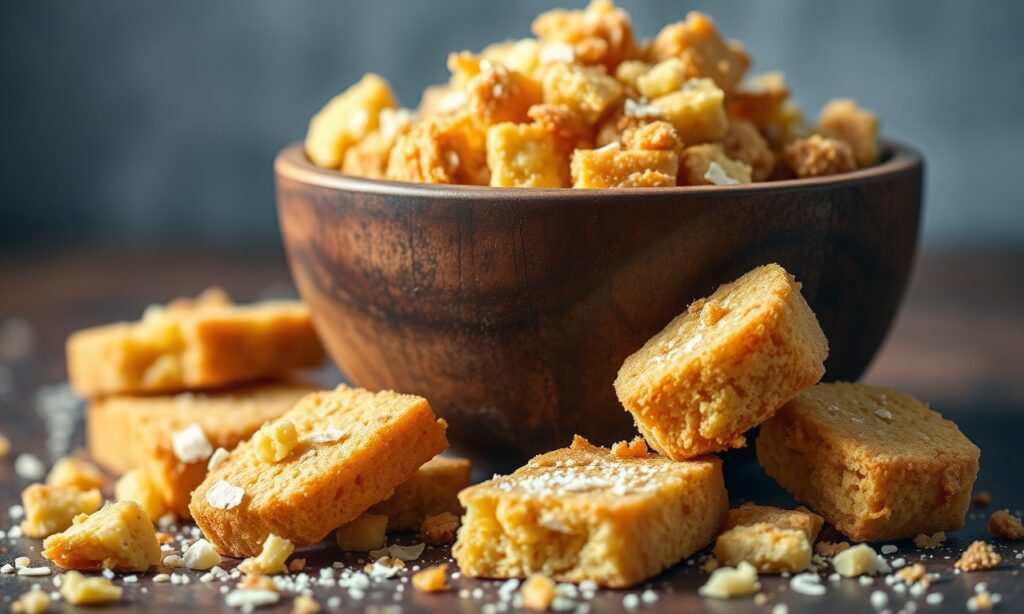
The beauty of shortbread lies in its simplicity, yet each ingredient matter significantly. For coconut shortbread, the quality and type of each component are non-negotiable for achieving superior results.
Butter: The Unsung Hero
Unsalted butter, at a crucial cold temperature, is the cornerstone of exceptional shortbread. Its fat content (typically around 80-82%) contributes significantly to tenderness, while the milk solids lend a rich, desirable flavor. Using cold butter, cut into small cubes, is paramount. This ensures that when it meets the flour, it remains in distinct pieces, creating steam pockets during baking that contribute to flakiness. Margarine or other butter substitutes often lack the necessary fat composition and flavor profile to replicate the authentic shortbread experience.
Flour: The Foundation
All-purpose flour is the standard for shortbread. Its moderate protein content is ideal, providing just enough structure without promoting toughness. Sifting the flour is a small step that yields significant benefits, aerating it and removing any lumps, which contributes to a smoother dough and a more uniform texture in the finished product. Some bakers advocate for using a portion of cake flour for an even more tender crumb, as cake flour has a lower protein content, but for classic shortbread, all-purpose flour remains the reliable choice.
Sugar: Sweetness and Structure
Caster sugar (superfine granulated sugar) is preferred for shortbread. Its fine grains dissolve more readily, leading to a smoother dough and preventing a gritty texture. Granulated sugar can be used, but its larger crystals may not fully incorporate, potentially affecting the final crumb. The amount of sugar influences sweetness, but also affects browning and crispness. A typical shortbread recipe will use a ratio of sugar to butter that is roughly equal by weight.
Coconut: The Star Flavor
For coconut shortbread, the choice of coconut is critical. Unsweetened shredded coconut or unsweetened desiccated coconut are the best options. Sweetened coconut can throw off the sugar balance and lead to overly sweet, potentially gummy shortbread. The fine texture of desiccated coconut integrates seamlessly into the dough, providing a consistent coconut flavor and subtle textural contrast. For a more pronounced coconut flavor and chew, a combination of desiccated and finely chopped toasted coconut can be used, but this requires careful attention to moisture.
Salt: Enhancing Flavor
A pinch of salt is vital, even in sweet baked goods. It doesn’t just add salinity; it acts as a flavor enhancer, balancing the sweetness and bringing out the nuanced notes of butter and coconut.
The Art of Dough Preparation: Patience and Precision
The method of combining ingredients and handling the dough is where many aspiring shortbread bakers falter. This stage requires a delicate touch and an understanding of gluten inhibition.
Creaming Method (Traditional):
The classic method involves creaming softened butter with sugar until light and fluffy. However, for shortbread, this is often modified. Instead of fully creaming, the goal is to achieve a well-combined, paste-like mixture. This is where the “rubbing-in” method, or a modified creaming, excels.
Rubbing-In Method:
This technique involves cutting the cold butter into the flour and sugar mixture using your fingertips or a pastry blender until the mixture resembles coarse breadcrumbs. This method is highly effective at coating the flour particles with fat before significant gluten development can occur.
Modified Creaming for Coconut Shortbread:
A popular and effective method for coconut shortbread involves beating softened butter with caster sugar until just combined and slightly lighter. Then, the flour and coconut are gradually added. The key is to mix only until the dough just comes together. Overmixing at this stage will lead to tough shortbread.
The Non-Negotiable Step: Chilling Your Coconut Shortbread Dough
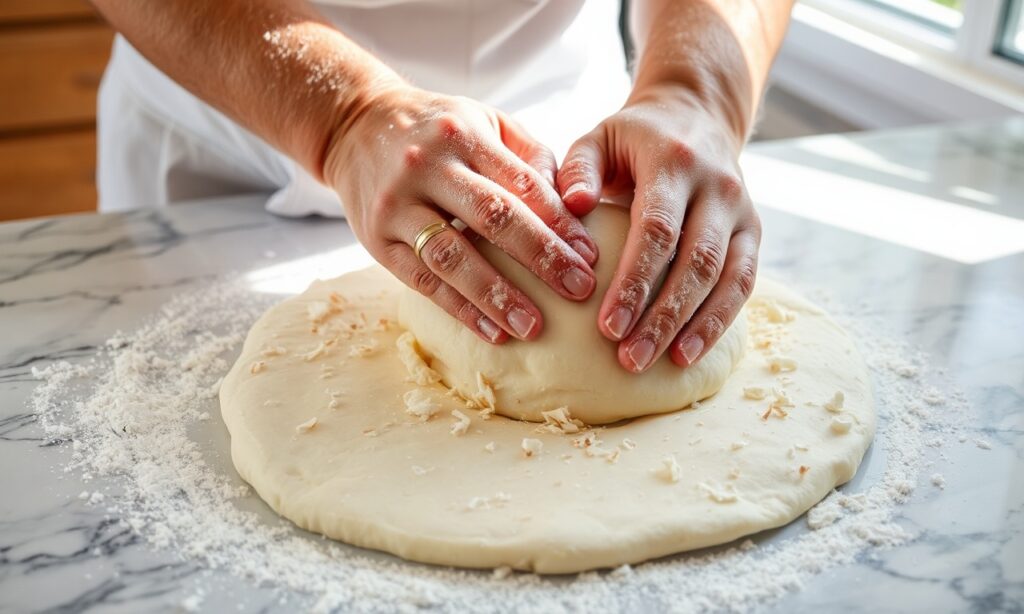
This is where many recipes falter, and where amateur bakers often cut corners. Chilling the dough is absolutely critical for achieving that perfect flaky texture and preventing excessive spreading. When the dough is cold, the butter solids are firm. As the shortbread bakes, these solid fats melt, creating steam pockets within the dough. This steam expands, pushing apart the flour particles and creating the delicate, flaky layers. If the dough is not sufficiently chilled, the butter will melt too quickly, leading to a greasier, flatter, and less flaky cookie.
A minimum of 30 minutes in the refrigerator is usually recommended, but for optimal results, especially in warmer climates or if the dough has been handled extensively, chilling for an hour or even overnight can be beneficial. The dough should be wrapped tightly in plastic wrap to prevent it from drying out or absorbing odors from the refrigerator.
Shaping and Baking: Precision for Perfection
Once the dough has had its essential chill, it’s ready for shaping and baking. The method of shaping can influence the final texture and appearance.
Rolling and Cutting:
The chilled dough can be gently rolled out on a lightly floured surface to a thickness of about ½ inch (1.25 cm). Use a sharp cookie cutter to create your desired shapes. Work quickly to keep the dough as cold as possible. Re-rolling scraps should be done with minimal handling to avoid toughening the dough.
Pressing into a Pan:
Alternatively, the dough can be pressed evenly into a baking pan (such as an 8×8 inch or 9×9 inch square pan) and then scored into portions before baking. This method is simpler and often yields a wonderfully crumbly texture, as the dough is less disturbed.
Baking Temperature and Time:
Coconut shortbread typically bakes at a moderate temperature, around 325°F to 350°F (160°C to 175°C). The lower temperature allows the shortbread to bake through evenly without the edges browning too quickly. Baking time will vary depending on thickness and oven, usually ranging from 20 to 30 minutes. The shortbread is done when the edges are lightly golden and the surface appears set, not wet. It will continue to firm up as it cools.
Cooling: The Final Frontier
Allow the shortbread to cool in the pan for about 10-15 minutes before attempting to move it to a wire rack to cool completely. This allows the delicate structure to set. Attempting to move hot shortbread can result in breakage.
💡 Expert Insight
Expert Insight: For an even more pronounced coconut flavor and a delightful crunch, toast your shredded coconut lightly before adding it to the dough. Spread the coconut in a single layer on a baking sheet and bake at 300°F (150°C) for 5-10 minutes, stirring occasionally, until fragrant and lightly golden. Let it cool completely before incorporating it into the dough. This step elevates the humble shortbread to a truly gourmet treat.
Troubleshooting Common Coconut Shortbread Pitfalls
Even with the best intentions, baking can present challenges. Here are solutions to common issues encountered when making coconut shortbread.
Problem: Shortbread is too hard and dense.
Cause: Overmixing the dough, insufficient fat, or too much flour.
Solution: Ensure you are using the correct fat-to-flour ratio and handle the dough as little as possible once the flour is added. Measure flour by weight for accuracy. If using volume, spoon and level it, rather than scooping directly from the bag.
Problem: Shortbread spreads excessively and loses its shape.
Cause: Dough not chilled sufficiently, oven too hot, or too much sugar.
Solution: Adhere strictly to the chilling times. Ensure your oven temperature is accurate with an oven thermometer. Be mindful of the sugar-to-flour ratio.
Problem: Shortbread is too crumbly and falls apart easily.
Cause: Too little fat, overworking the dough, or insufficient chilling.
Solution: Double-check your ingredient measurements, especially for fat. Ensure the dough is well-chilled and that you are not overworking it during shaping.
Problem: Shortbread is greasy.
Cause: Butter was too soft when mixed, or the dough was handled too much, causing the fat to melt.
Solution: Always use cold butter and work quickly to prevent it from softening excessively. Ensure thorough chilling of the dough.
Elevating Your Coconut Shortbread: Advanced Techniques and Variations
Once you’ve mastered the basic recipe, there are numerous ways to enhance your coconut shortbread, transforming it from a simple cookie to a sophisticated confection.
Adding Citrus Zest:
A finely grated zest of lemon or lime can add a bright, refreshing counterpoint to the rich coconut and butter. Add it with the dry ingredients.
Incorporating Spices:
A whisper of cardamom or a hint of cinnamon can add an exotic warmth. Use these sparingly, as they should complement, not overpower, the primary flavors.
Dipping and Drizzling:
For an extra touch of indulgence, dip the cooled shortbread in melted dark or white chocolate. A drizzle of melted chocolate across the top also adds visual appeal and a decadent finish. Ensure the chocolate is tempered for a professional sheen.
Layering Flavors:
Consider a thin layer of fruit preserves (like raspberry or passionfruit) between two shortbread cookies for a delightful sandwich cookie.
Nutritional Information (Approximate per Serving – 1 cookie, based on 16 cookies from a 9-inch pan):
- Calories: 150-180 kcal
- Fat: 9-12g (Saturated Fat: 7-9g)
- Cholesterol: 25-35mg
- Sodium: 20-30mg
- Carbohydrates: 15-20g (Sugars: 8-12g)
- Protein: 1-2g
*Note: Nutritional values can vary significantly based on specific ingredients and portion sizes. This is a general estimate.*
Conclusion: The Enduring Appeal of Perfect Coconut Shortbread
Achieving truly perfect coconut shortbread isn’t a dark art; it’s a methodical process rooted in understanding fundamental baking principles. By respecting the role of fat, embracing the necessity of chilling, and handling the dough with a gentle, expert touch, you unlock the secret to a biscuit that is both exquisitely tender and delightfully flaky. This guide provides the foundational knowledge and actionable steps to move beyond mere recipes and truly master the craft of coconut shortbread. The next time you crave that delicate, buttery, coconut-infused delight, you’ll know precisely how to create it, every single time.
Frequently Asked Questions About Coconut Shortbread
H3: What is the best type of coconut to use for coconut shortbread?
The best type of coconut for coconut shortbread is unsweetened shredded coconut or unsweetened desiccated coconut. These forms integrate well into the dough without adding excess moisture or sugar, which can compromise the texture and sweetness balance of the shortbread. Sweetened coconut can lead to overly sweet and potentially gummy results. For a more intense coconut flavor, you can lightly toast the unsweetened coconut before adding it to the dough, ensuring it is completely cooled.
H3: Why is chilling the dough so important for coconut shortbread?
Chilling the dough for coconut shortbread is absolutely critical for achieving its signature flaky texture and preventing excessive spread. When the dough is cold, the butter remains solid. During baking, these solid fat particles melt, creating steam pockets that push apart the flour particles, resulting in distinct, flaky layers. If the dough is not chilled sufficiently, the butter will melt too quickly, leading to a greasy, flat shortbread with a less desirable crumb. A minimum of 30 minutes, and ideally an hour or more, is recommended.
H3: Can I use margarine instead of butter for coconut shortbread?
While it is technically possible to use margarine, it is strongly discouraged if you aim for authentic, delicious coconut shortbread. Butter provides a superior flavor profile and the correct fat composition (approximately 80-82% fat) that is essential for the characteristic tenderness and flakiness of shortbread. Margarine often contains more water and different types of fats, which can lead to a greasy texture, poor flavor, and a diminished ability to create flaky layers. For the best results, always opt for high-quality unsalted butter.
H3: How can I make my coconut shortbread more flavorful?
To enhance the flavor of your coconut shortbread, consider several options. Toasting the shredded coconut before adding it to the dough can significantly deepen its nutty aroma and flavor. A pinch of sea salt is vital for balancing sweetness and enhancing other flavors. You can also introduce subtle complementary flavors by adding a finely grated citrus zest (like lemon or lime) with the dry ingredients, or a tiny amount of a warm spice such as cardamom or cinnamon. For a more decadent shortbread, a drizzle or dip in tempered melted chocolate after cooling adds another layer of richness.
H3: What is the ideal oven temperature and baking time for coconut shortbread?
The ideal oven temperature for coconut shortbread is typically between 325°F and 350°F (160°C to 175°C). This moderate heat allows the shortbread to bake through evenly without the edges browning too quickly. Baking time will vary depending on the thickness of the shortbread and your oven, but it generally ranges from 20 to 30 minutes. The shortbread is ready when the edges are lightly golden brown and the surface appears set and no longer wet. It will continue to firm up as it cools on the baking sheet.
See also: Coconut shortbread