
“The magic of a truly great brownie lies not just in its ingredients, but in the intention and technique with which it’s made. It’s a dance between science and soul.” – Chef Dominique Crenn
- The Allure of the Fudgy Brownie
- The Foundation: Essential Ingredients for Fudgy Bliss
- Chocolate: The Soul of the Brownie
- Fats: The Unsung Heroes of Moisture
- Sugar: More Than Just Sweetness
- Eggs: Binding and Structure
- The Alchemy of Mixing: Technique Matters
- Baking to Perfection: The Art of Temperature and Time
- The Crucial Cool Down: Patience is a Virtue
- Elevating Your Fudgy Brownie Game: Pro-Tips and Variations
- Frequently Asked Questions
The Allure of the Fudgy Brownie
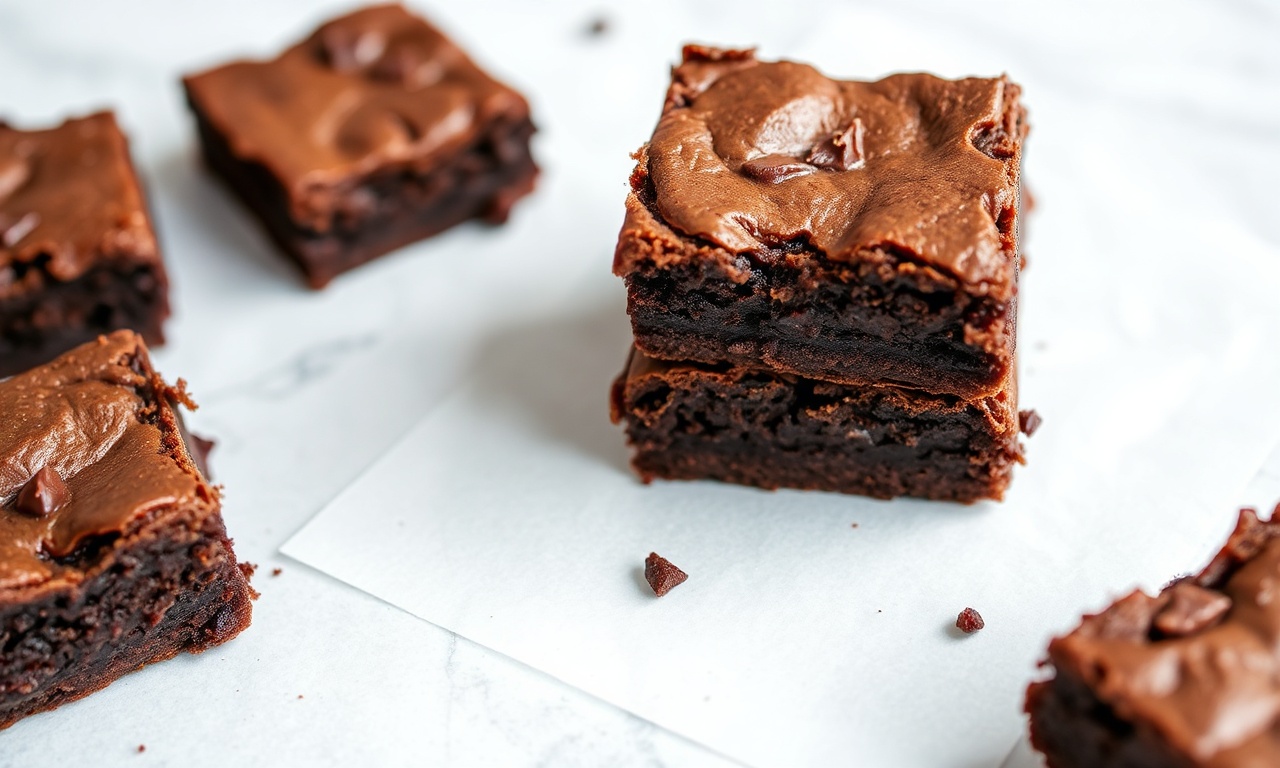
Fudgy brownies stand as titans in the pantheon of baked goods, a comfort food that transcends generations and cultures. Their unparalleled appeal lies in that irresistible contrast: a crisp, sometimes crackly exterior giving way to a dense, moist, and intensely chocolatey interior. Unlike their cakey cousins, fudgy brownies offer a more primal, almost decadent experience, a rich indulgence that satisfies deep cravings. This isn’t just a dessert; it’s an emotional anchor, a nostalgic reminder of childhood kitchens and celebratory moments. The pursuit of the perfect fudgy brownie is a culinary quest undertaken by home bakers and professional chefs alike, a journey marked by trials, errors, and ultimately, profound satisfaction.
Their enduring popularity is proof of their simple yet profound ability to bring joy.
The pursuit of the perfect fudgy brownie is a journey into the heart of chocolate’s transformative power. It’s about coaxing out its deepest flavors and richest textures.
Understanding the fundamental principles behind achieving that coveted fudgy texture is crucial. It’s not simply about following a recipe; it’s about understanding the *why* behind each step. Factors like ingredient ratios, mixing techniques, baking temperature, and even cooling time play pivotal roles in the final outcome. This article explores the nuances of chocolate selection, the role of fats, the delicate balance of flour and sugar, and the precise baking parameters that differentiate a good brownie from an extraordinary one.
Key Takeaways:
- Achieving a fudgy brownie hinges on the precise balance of ingredients, particularly fat and sugar content, and minimizing gluten development.
- The type and quality of chocolate used are paramount, directly influencing flavor intensity and texture.
- Baking time and temperature are critical; overbaking is the primary culprit behind dry brownies.
- Proper cooling is as important as baking, allowing the brownie to set and develop its signature fudgy consistency.
The Foundation: Essential Ingredients for Fudgy Bliss
The building blocks of any exceptional fudgy brownie are deceptively simple, yet their quality and proportion are paramount. Like a master painter choosing their pigments, the baker must select each component with care. At the heart of it all is chocolate, the undisputed star.
Chocolate: The Soul of the Brownie
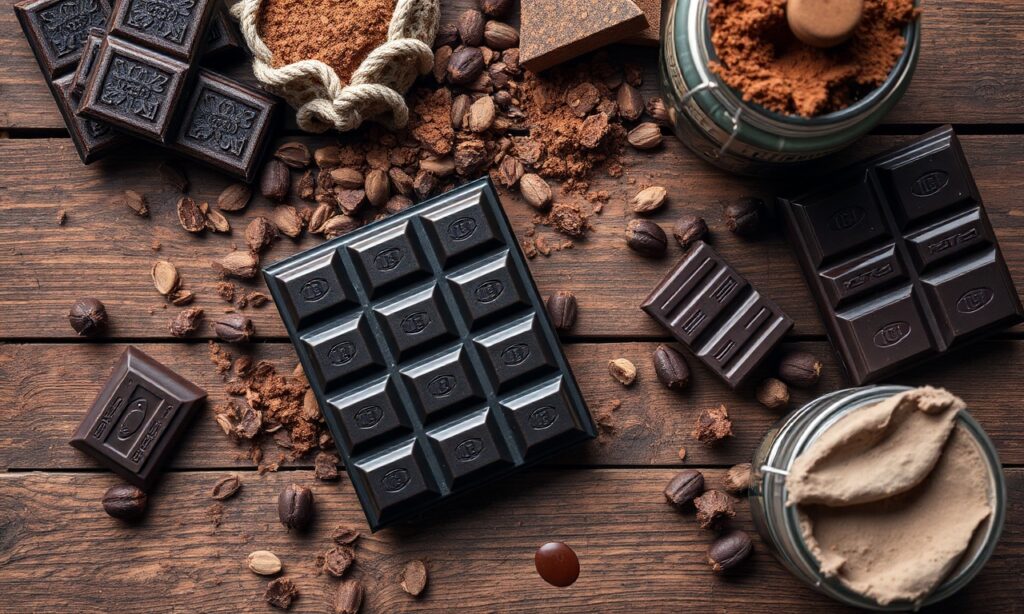
The choice of chocolate is arguably the most critical decision in brownie making. While cocoa powder provides a foundational chocolate flavor, it’s the addition of melted chocolate that imparts the rich, fudgy texture and complex taste. For true fudgy brownie perfection, a blend of unsweetened or bittersweet chocolate (often 60-70% cacao) and high-quality cocoa powder is ideal. Unsweetened chocolate provides the purest form of chocolate flavor and allows for greater control over sweetness. Bittersweet chocolate contributes to both flavor and fudginess due to its higher fat content. Avoid using milk chocolate, as its higher sugar and milk solids content can lead to a cakey texture and an overly sweet profile.
Research suggests that the fat content of chocolate significantly impacts the texture of baked goods, with higher fat percentages contributing to a softer, more tender crumb. For brownies, this translates directly to fudginess. Studies have also shown that the type of cocoa powder used can influence flavor complexity; Dutch-processed cocoa offers a smoother, less acidic flavor profile compared to natural cocoa powder, which is often preferred for its more intense, fruity notes.
Fats: The Unsung Heroes of Moisture
Fats are indispensable for achieving a fudgy brownie. They tenderize the crumb, add richness, and contribute to that desirable moist texture. Butter is the classic choice, offering unparalleled flavor and a luxurious mouthfeel. When melted, butter’s fat globules coat the flour particles, inhibiting gluten development, which is key to a dense, fudgy brownie. Some recipes opt for a combination of butter and oil. Vegetable oil, like canola or grapeseed, is flavorless and contributes significant moisture, often resulting in an even fudgier texture. However, it lacks the nuanced flavor that butter provides.
Research indicates that the type and amount of fat directly influence the rheological properties of dough and the final texture of baked goods. Higher fat-to-flour ratios generally lead to a more tender and fudgy product. For fudgy brownies, a generous amount of fat relative to flour is essential. The ratio of fat to flour is often cited as a key differentiator between cakey and fudgy brownies, with fudgy versions typically having a higher fat content.
Sugar: More Than Just Sweetness
Sugar plays a multifaceted role in fudgy brownies. Beyond providing sweetness, it contributes to moisture retention, tenderness, and the development of that characteristic crackly crust. Brown sugar, in particular, is a secret weapon for fudgy brownies. Its molasses content adds moisture and a subtle caramel note that complements the chocolate beautifully. A mix of granulated sugar and brown sugar often yields the best results, providing both structure and chewiness.
The hygroscopic nature of sugar means it attracts and holds onto water. This characteristic is crucial for preventing brownies from drying out during baking and storage. Research suggests that higher sugar concentrations can inhibit gluten formation by competing with flour proteins for water, further contributing to a tender crumb. A common ratio for fudgy brownies often involves a higher proportion of sugar to flour than in cake-like versions.
Eggs: Binding and Structure
Eggs provide structure, richness, and act as a binder. For fudgy brownies, the ratio of eggs to flour is important. Using an extra egg yolk can enhance richness and fudginess due to its higher fat content. Conversely, too many egg whites can lead to a cakier texture. The proteins in egg whites coagulate when heated, providing structure, but excessive amounts can result in a drier, more crumbly product. The precise number of eggs and the inclusion of an extra yolk are subtle yet impactful details.
The Alchemy of Mixing: Technique Matters
The method by which these ingredients are combined is as vital as their selection. Overmixing is the silent killer of fudgy brownies, leading to a tough, chewy texture due to excessive gluten development.
The Melting and Whisking Ritual
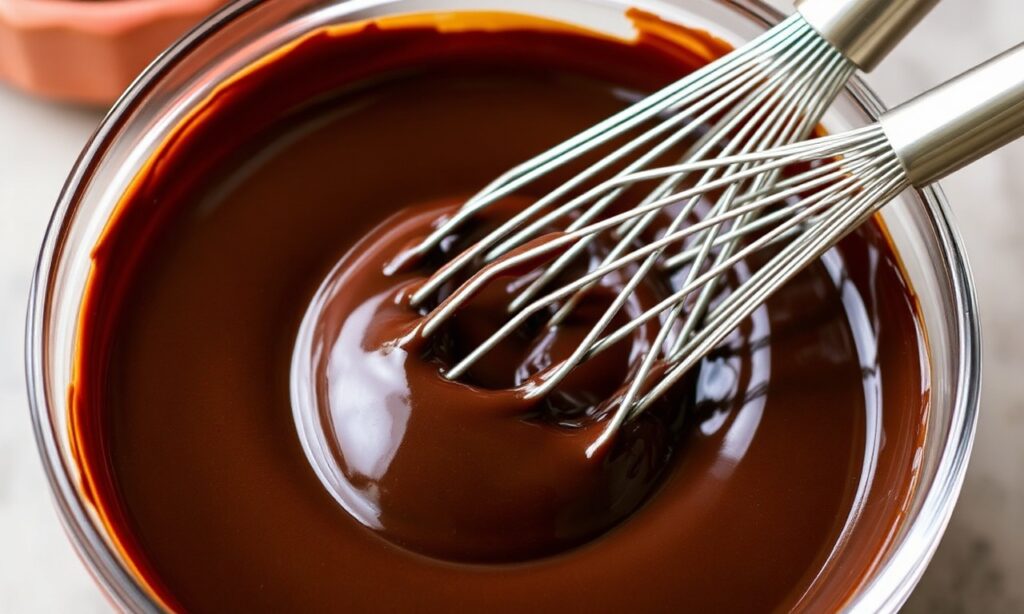
The process often begins with melting the butter and chocolate together. This can be done gently in a double boiler or in the microwave in short, controlled bursts, stirring frequently to prevent scorching. Once melted and smooth, whisk in the sugars until well combined. This step is crucial for dissolving the sugar and initiating the emulsification process, which contributes to a smooth batter.
Next, incorporate the eggs, one at a time, whisking thoroughly after each addition. It’s important not to over-whisk here; you want to incorporate them fully without incorporating too much air, which can lead to a lighter, cakier texture.
The Gentle Fold: Flour and Add-ins
When it comes to adding the dry ingredients (flour, cocoa powder, salt, and any leavening agent if used sparingly), the keyword is *gentle*. Sift the dry ingredients together to ensure even distribution and to aerate them slightly. Then, fold them into the wet ingredients using a spatula. Mix *just* until no dry streaks of flour remain. This minimal mixing is the single most important factor in preventing gluten development and achieving that dense, fudgy texture. Any further mixing will only toughen the batter. If adding chocolate chips, nuts, or other mix-ins, gently fold them in at this stage as well.
Baking to Perfection: The Art of Temperature and Time
The oven is where the magic truly solidifies, but it’s also where many fudgy brownie dreams turn into dry nightmares. Precision is key.
Temperature Control: The Golden Mean
Most fudgy brownie recipes call for a moderate oven temperature, typically between 325°F (160°C) and 350°F (175°C). A lower temperature, combined with a longer baking time, often yields a more uniformly fudgy interior. This allows the center to cook through gently without the edges becoming overdone. However, it’s crucial to remember that oven temperatures can vary significantly. An oven thermometer is an invaluable tool for ensuring accuracy.
Research indicates that consistent baking temperatures are essential for predictable results in food preparation, minimizing the risk of under- or over-cooking. Inconsistent temperatures can lead to uneven baking, with the edges cooking much faster than the center.
The Toothpick Test: A Nuanced Approach
The classic toothpick test is essential, but it needs to be interpreted with a fudgy brownie in mind. When inserting a toothpick into the center of the brownie, you are looking for moist crumbs to cling to it, not wet batter. A few moist crumbs indicate the brownie is perfectly baked for a fudgy texture. If the toothpick comes out completely clean, it’s likely already overbaked. If it comes out with wet batter, it needs more time.
The baking time will vary depending on the size of your pan, your oven, and the specific recipe, but it generally ranges from 25 to 40 minutes. It’s always better to err on the side of underbaking slightly, as the brownies will continue to cook from residual heat as they cool.
The Crucial Cool Down: Patience is a Virtue
This is perhaps the most overlooked, yet critically important, stage in achieving fudgy brownie perfection. Impatience here will undo all your hard work.
Allowing the Brownies to Set
Once removed from the oven, the brownies must be allowed to cool completely in the pan. This cooling period is when the fudgy texture truly develops. The residual heat continues to cook the interior, and the fats solidify, creating that signature dense, moist consistency. Rushing this process by trying to cut into warm brownies will result in a gooey, messy, and less-than-ideal texture.
Research on the structural changes in baked goods during cooling indicates that the solidification of fats and the rehydration of starches are key processes that contribute to the final texture and stability of cakes and brownies. Allowing adequate cooling time ensures these processes occur properly.
Slicing for Success
For the cleanest cuts and most aesthetically pleasing squares, use a sharp knife. Some bakers find it helpful to run the knife under hot water and wipe it dry between cuts. This ensures clean edges and prevents the fudgy interior from sticking to the blade. The ideal fudgy brownie should have a slight resistance when sliced, yielding to a dense, moist interior.
Elevating Your Fudgy Brownie Game: Pro-Tips and Variations
Once you’ve mastered the basics, you can explore ways to enhance your fudgy brownie experience.
Enhancing Chocolate Flavor
- Espresso Powder: A teaspoon of instant espresso powder dissolved in the melted butter and chocolate can dramatically deepen the chocolate flavor without adding any coffee taste.
- Flaky Sea Salt: A sprinkle of flaky sea salt on top just before baking or immediately after removing from the oven creates a delightful sweet-and-salty contrast that elevates the overall taste.
- Different Chocolate Varieties: Experiment with a blend of chocolates. For instance, using a combination of 70% cacao dark chocolate and a high-quality 100% cacao unsweetened chocolate can provide incredible depth.
Texture Tweaks
- Brown Butter: Browning the butter before melting it with the chocolate adds a nutty, caramel-like complexity and a slightly different richness that can be quite sophisticated.
- Malt Powder: A tablespoon or two of malted milk powder added with the dry ingredients can impart a subtle malty flavor and contribute to a chewier texture.
The Classic Fudgy Brownie Recipe
This recipe is a battle-tested foundation for achieving ultimate fudgy brownie perfection.
Yields: 16 brownies
Prep time: 20 minutes
Bake time: 30-35 minutes
Ingredients:
- Butter: 1 cup (227g) unsalted butter, cut into cubes
- Dark Chocolate: 6 ounces (170g) high-quality bittersweet or semi-sweet chocolate (60-70% cacao), finely chopped
- Granulated Sugar: 1 cup (200g) granulated sugar
- Brown Sugar: 1 cup (210g) packed light brown sugar
- Eggs: 3 large eggs, at room temperature
- Egg Yolk: 1 large egg yolk, at room temperature
- Vanilla Extract: 1 teaspoon pure vanilla extract
- All-Purpose Flour: ¾ cup (95g) all-purpose flour
- Unsweetened Cocoa Powder: ¼ cup (25g) high-quality unsweetened cocoa powder
- Salt: ½ teaspoon fine sea salt
- Optional Add-ins: 1 cup (170g) chocolate chips, chopped nuts (walnuts or pecans)
- Optional Topping: Flaky sea salt
Equipment:
- 8×8 inch (20×20 cm) baking pan
- Parchment paper
- Double boiler or microwave-safe bowl
- Whisk
- Rubber spatula
- Mixing bowls
Method:
- Prepare the Pan: Preheat your oven to 325°F (160°C). Line an 8×8 inch baking pan with parchment paper, leaving an overhang on all sides to easily lift the brownies out later. Lightly grease the parchment paper.
- Melt Chocolate and Butter: In a double boiler or a heatproof bowl set over a saucepan of simmering water, melt the butter and chopped dark chocolate together. Stir frequently until the mixture is smooth and completely melted. Alternatively, microwave in 30-second intervals, stirring between each, until smooth. Remove from heat.
- Incorporate Sugars: Whisk the granulated sugar and packed brown sugar into the melted chocolate and butter mixture until well combined and glossy.
- Add Eggs and Vanilla: Whisk in the eggs, one at a time, ensuring each is fully incorporated before adding the next. Then, whisk in the egg yolk and vanilla extract until the mixture is smooth and emulsified. Do not over-whisk.
- Combine Dry Ingredients: In a separate medium bowl, whisk together the all-purpose flour, unsweetened cocoa powder, and salt.
- Fold in Dry Ingredients: Gradually add the dry ingredients to the wet ingredients. Using a rubber spatula, gently fold until *just* combined and no dry streaks of flour remain. Be careful not to overmix.
- Add Mix-ins (Optional): If using chocolate chips or nuts, gently fold them into the batter at this stage.
- Pour into Pan: Pour the batter evenly into the prepared baking pan and spread it with the spatula to create a smooth, even surface.
- Bake: Bake in the preheated oven for 30-35 minutes, or until a toothpick inserted into the center comes out with moist crumbs attached. The edges should appear set.
- Cool Completely: Remove the pan from the oven and place it on a wire rack. Allow the brownies to cool completely in the pan, at least 2-3 hours. This is a critical step for achieving the fudgy texture.
- Slice and Serve: Once completely cooled, use the parchment paper overhang to lift the brownies out of the pan. If desired, sprinkle with flaky sea salt before slicing into squares.
Nutritional Information (per serving, approximate):
Calories: 350-400 kcal
Fat: 20-25g
Saturated Fat: 12-15g
Cholesterol: 80-90mg
Sodium: 100-150mg
Carbohydrates: 40-45g
Sugars: 30-35g
Protein: 3-4g
Fiber: 2-3g
Note: Nutritional values are estimates and can vary based on specific ingredients and portion sizes.
Frequently Asked Questions
Why are my brownies dry and cakey instead of fudgy?
This is most commonly due to overmixing the batter, which develops too much gluten, or overbaking. Using too much flour or not enough fat can also contribute. Ensure you mix the dry ingredients in gently and bake just until moist crumbs appear on a toothpick.
Can I use cocoa powder instead of melted chocolate for fudgy brownies?
While cocoa powder provides a chocolate flavor, it lacks the fat and solids that melted chocolate contributes, which are crucial for fudginess. For truly fudgy brownies, a combination of both melted chocolate and cocoa powder is ideal. Relying solely on cocoa powder will likely result in a cakier texture.
How do I get that signature crackly top on my fudgy brownies?
The crackly top is achieved through a combination of sufficient sugar, adequate mixing of eggs and sugar to create aeration, and proper baking temperature. The high sugar content draws moisture to the surface, and as it bakes and cools, it forms that desirable thin, crisp layer.
Can I make fudgy brownies ahead of time?
Yes, fudgy brownies often improve with age! They can be stored in an airtight container at room temperature for up to 3-4 days. The flavors meld, and the texture can become even more decadent.
What is the role of salt in fudgy brownies?
Salt is a flavor enhancer. In sweet baked goods like brownies, it balances the sweetness, intensifies the chocolate flavor, and adds a subtle complexity that prevents the brownies from tasting one-dimensionally sweet.
See also: Fudgy brownie