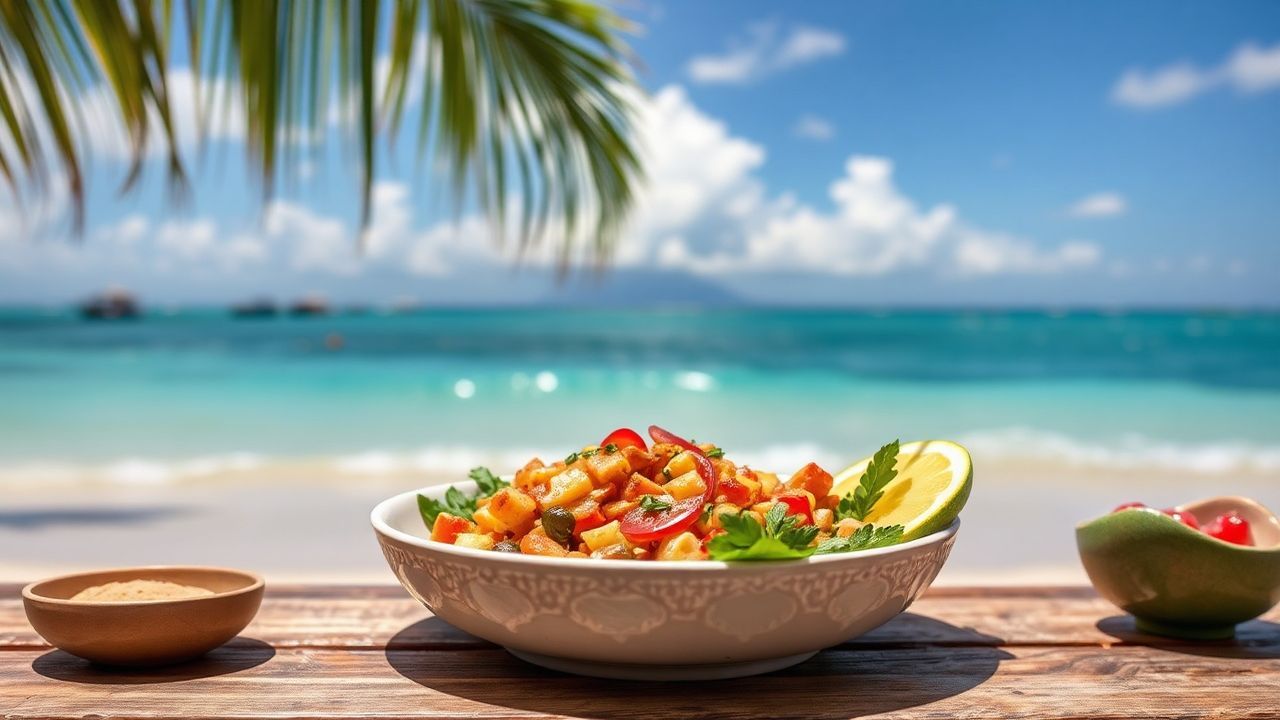

What makes the mere mention of Caribbean cuisine evoke images of sun-drenched beaches, rhythmic music, and an undeniable sense of liberation? It’s a sensory symphony, a vibrant tapestry woven from diverse cultural threads, and at its heart lies a culinary tradition that, when approached with a focus on health, becomes an unparalleled escape. This isn’t just about food; it’s about a lifestyle, a philosophy that celebrates freshness, flavor, and the sheer joy of living well. But what truly elevates healthy Caribbean recipes from mere sustenance to an ultimate escape? It’s the ingenious interplay of potent natural ingredients, time-honored preparation techniques, and a profound connection to the earth that nourishes both body and soul.
- The Foundation of Flavor: Wholesome Ingredients
- Techniques for Taste and Health: Mastering Caribbean Cooking
- A Culinary Journey: The Ackee and Saltfish Recipe
- Ingredients:
- Preparation Method:
- Nutritional Information (Per Serving, approximate):
- Expert Pro-Tips for Elevating Ackee and Saltfish:
- Beyond Ackee: A World of Healthy Caribbean Delights
- The Psychological Escape: Nourishment for the Soul
- Embracing the Healthy Caribbean Lifestyle
- Frequently Asked Questions
- What are the key health benefits of incorporating Caribbean cuisine into my diet?
- Are all traditional Caribbean recipes considered healthy, or do some need modifications?
- How can I make Caribbean dishes healthier if I have dietary restrictions, such as gluten-free or low-sodium needs?
- What are the most common spices and herbs used in healthy Caribbean cooking?
- Can I achieve authentic Caribbean flavors without using excessive salt or sugar?
The allure of the Caribbean is often tied to its perceived indulgence – rich stews, fried delicacies, and sweet treats. However, beneath this surface lies a bedrock of wholesome ingredients that have sustained islanders for centuries. The islands are blessed with an abundance of fresh produce: mangoes, papayas, pineapples, ackee, breadfruit, and a kaleidoscope of root vegetables like yams, cassava, and sweet potatoes. These are not mere flavor enhancers; they are nutritional powerhouses, packed with vitamins, minerals, and fiber. When these vibrant ingredients are masterfully combined, they create dishes that are not only delicious but inherently nourishing, offering a stark contrast to the processed, nutrient-deficient foods prevalent in many Western diets. The very act of preparing and savoring these dishes can feel like a vacation for the senses, transporting you to a place where time slows down and the focus shifts to simple, profound pleasures.
The vibrant heart of healthy Caribbean cuisine lies in its ability to transform the freshest, most colorful ingredients into dishes that are both a celebration of flavor and proof of well-being. It’s an edible vacation.
The profound impact of healthy Caribbean cuisine on well-being is increasingly recognized. Research has highlighted the health benefits associated with diets rich in fruits, vegetables, and lean proteins, all staples of the Caribbean diet. For instance, studies suggest that diets emphasizing plant-based foods are associated with a lower risk of cardiovascular disease. The Caribbean’s bounty of tropical fruits and vegetables, rich in antioxidants and fiber, directly contributes to such health outcomes. The islands’ culinary heritage, therefore, offers a compelling model for a diet that is both pleasurable and protective.
The Foundation of Flavor: Wholesome Ingredients
At its core, healthy Caribbean cooking is about celebrating the natural goodness of its ingredients. The islands are a gardener’s paradise, yielding an astonishing array of fruits, vegetables, and herbs that form the backbone of their cuisine. Think of the creamy richness of avocado, the sweet tang of ripe mango, the earthy depth of callaloo (a leafy green similar to spinach), and the fiery kick of Scotch bonnet peppers. These are not merely additives; they are the stars of the show, providing complex flavors, essential nutrients, and a spectrum of colors that are as appealing to the eye as they are beneficial to the body.
The emphasis on fresh, locally sourced produce is paramount. This minimizes the need for heavy sauces and excessive fats, allowing the inherent flavors of the ingredients to shine through. Coconut milk, a cornerstone of many Caribbean dishes, is often used in its light form or judiciously to add a subtle creaminess without overwhelming the palate. Herbs like thyme, scallions, and parsley are used generously, infusing dishes with aromatic freshness. The use of spices, such as allspice, nutmeg, and ginger, adds warmth and complexity, creating a flavor profile that is both exotic and comforting.
Furthermore, the traditional Caribbean diet often incorporates lean proteins like fish and poultry, prepared with simple yet effective techniques. Grilled, baked, or stewed fish, often marinated in citrus and herbs, is a common and healthy option. The abundance of legumes, such as beans and peas, provides plant-based protein and fiber, making many dishes naturally vegetarian or vegan-friendly. This inherent flexibility allows for a truly personalized approach to healthy eating, catering to a wide range of dietary needs and preferences.
Techniques for Taste and Health: Mastering Caribbean Cooking
The methods employed in healthy Caribbean cooking are as crucial as the ingredients themselves. Traditional techniques often prioritize methods that retain nutrients and minimize the addition of unhealthy fats. Steaming, grilling, baking, and stewing are commonplace, allowing the natural flavors of the food to develop without resorting to deep-frying. For instance, instead of frying plantains, they can be baked or lightly pan-seared to achieve a tender, caramelized sweetness.
One of the most iconic and healthy preparations is the “stew chicken” or “stew fish.” While some versions can be heavy, a healthier approach involves browning lean cuts of chicken or fish, then simmering them in a flavorful broth with aromatics like onions, garlic, peppers, and thyme, along with a controlled amount of natural thickeners like ground cassava or sweet potato. This method tenderizes the protein while infusing it with the vibrant flavors of the spices and vegetables.
Another technique that embodies the spirit of healthy Caribbean cooking is the art of marination. Citrus juices, such as lime and lemon, are not only used for their bright acidity but also for their tenderizing properties. Combined with herbs, garlic, and a touch of chili, marinades transform lean proteins into succulent, flavor-packed meals. This approach replaces the need for heavy, often unhealthy, sauces.
A Culinary Journey: The Ackee and Saltfish Recipe
To truly understand the magic of healthy Caribbean cuisine, We examine a quintessential dish: Ackee and Saltfish. This national dish of Jamaica is proof of how humble ingredients can be transformed into a culinary masterpiece that is both nourishing and deeply satisfying. Ackee, the national fruit of Jamaica, is a soft, creamy fruit that, when cooked, resembles scrambled eggs. It is rich in healthy fats and potassium. Saltfish, typically cod, is a source of lean protein. The key to making this dish healthy lies in the preparation of the saltfish and the judicious use of seasonings.
Ingredients:
- 1 lb (450g) dried salt cod (bacalhau)
- 2-3 ripe ackee fruit (fresh or canned, drained)
- 1 large onion, finely chopped
- 1-2 Scotch bonnet peppers, seeded and finely minced (adjust to spice preference)
- 2 cloves garlic, minced
- 1 sprig fresh thyme
- 2 tablespoons olive oil
- 1 medium tomato, diced
- 1/4 cup chopped fresh scallions (green onions)
- Freshly ground black pepper to taste
- Optional: A splash of water or vegetable broth
Preparation Method:
1. Prepare the Saltfish: Rinse the salt cod thoroughly under cold running water. Place it in a large bowl and cover with cold water. Soak the fish for at least 12-24 hours, changing the water every 4-6 hours to remove excess salt. Alternatively, you can boil the salt cod in several changes of water for about 15-20 minutes until softened, then drain and flake. Once softened, drain the fish, remove any skin and bones, and flake it into bite-sized pieces. 2. Rinse and Prepare Ackee: If using fresh ackee, carefully open the pods, remove the seeds and the red inner membrane, and rinse the yellow arils gently. If using canned ackee, drain it very well. Handle the ackee gently to prevent it from breaking apart. 3. Sauté Aromatics: In a large skillet or pot, heat the olive oil over medium heat.
Add the chopped onion and sauté until softened and translucent, about 5-7 minutes. Add the minced garlic, minced Scotch bonnet pepper, and thyme sprig. Cook for another 2 minutes until fragrant. 4. Add Tomatoes and Fish: Stir in the diced tomatoes and cook for 3-5 minutes until they begin to break down. Add the flaked saltfish to the skillet and stir gently to combine with the aromatics. 5. Cook the Dish: If the mixture seems dry, add a splash of water or vegetable broth. Cover the skillet and let the mixture simmer gently for about 10-15 minutes, allowing the flavors to meld and the fish to become tender. 6. Incorporate Ackee: Gently fold in the ackee arils. Cook for just 3-5 minutes more, stirring very carefully to avoid breaking up the ackee. The ackee should be heated through and slightly softened. 7. Season and Serve: Remove the thyme sprig.
Season with freshly ground black pepper. Taste and add a tiny pinch of salt only if absolutely necessary, as the saltfish is already seasoned. Garnish with chopped scallions. Serve hot.
Nutritional Information (Per Serving, approximate):
- Calories: 350-450 (depending on saltfish preparation and oil used)
- Protein: 30-40g
- Fat: 15-25g (can be reduced by using less oil and leaner saltfish)
- Carbohydrates: 15-20g
- Fiber: 3-5g
- Rich in Potassium, Vitamin C, and Omega-3 Fatty Acids.
Expert Pro-Tips for Elevating Ackee and Saltfish:
- Saltfish Preparation is Key: The most critical step for a healthy rendition is thorough desalting. Boiling the saltfish in multiple changes of water is an efficient method. For an even healthier version, opt for lower-sodium salt cod if available.
- Gentle Handling of Ackee: Ackee is delicate. Fold it in at the very end of cooking and stir minimally to maintain its distinctive shape and creamy texture. Over-stirring will result in a mushy consistency.
- Spice Control: Scotch bonnet peppers are potent. Seed them carefully and mince them finely. If you prefer less heat, use only a small piece or omit them entirely, relying on other aromatics for flavor.
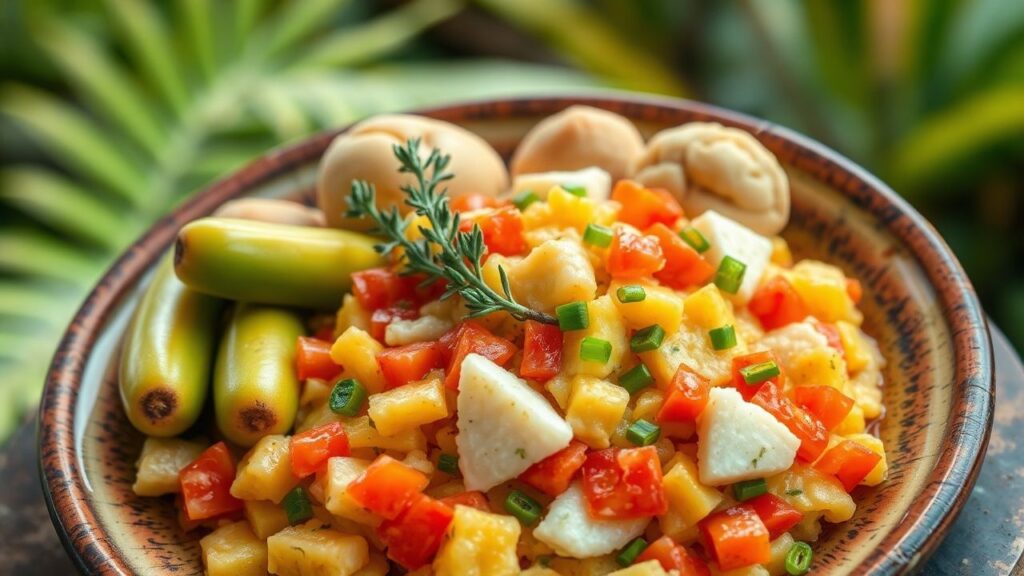
- Accompaniments Matter: Serve Ackee and Saltfish with healthy sides like boiled green bananas, boiled dumplings, or a fresh side salad rather than fried plantains or fried dumplings to keep the meal balanced.
Beyond Ackee: A World of Healthy Caribbean Delights
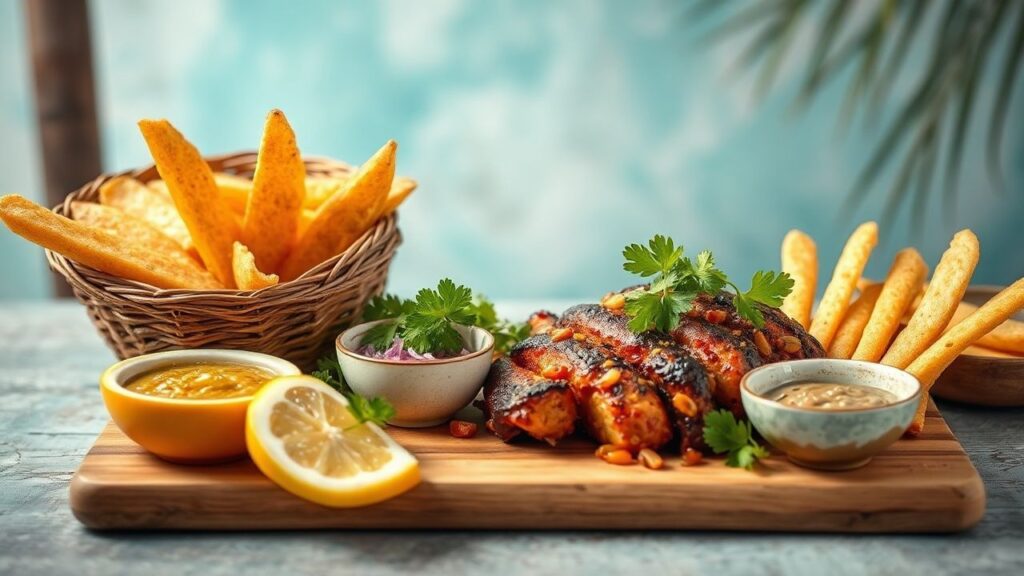
The universe of healthy Caribbean cuisine extends far beyond its most famous dishes. Consider the vibrant flavors of a Jamaican Jerk Chicken, traditionally grilled over pimento wood, which allows for a smoky flavor with less need for added fats. The marinade, rich in Scotch bonnet peppers, allspice, thyme, and ginger, is a potent blend of antioxidants and anti-inflammatory agents. Research suggests that allspice, for instance, contains compounds that may aid digestion and possess antimicrobial properties.
Another standout is the simple yet profound elegance of steamed fish, often prepared with okra, callaloo, dumplings, and a delicate spiced broth. This method locks in moisture and nutrients, creating a tender, flaky fish infused with the subtle flavors of its accompaniments. The use of callaloo, a nutrient-dense leafy green, provides a significant boost of vitamins A, C, and K, as well as iron.
The islands also boast a variety of hearty and healthy soups and stews. “Pea soup,” often made with pigeon peas or gungo peas, is a protein and fiber-rich dish, slow-cooked with root vegetables and herbs. These are often vegetarian or vegan by nature, providing a complete and satisfying meal without animal products. The slow cooking process allows the flavors to deepen, creating a comforting and nourishing bowl.
The Psychological Escape: Nourishment for the Soul
What truly makes healthy Caribbean recipes the ultimate escape is their inherent ability to nourish not just the body, but the soul. The process of preparing these dishes, from the vibrant colors of the produce to the intoxicating aromas of the spices, is a meditative experience. It’s an invitation to slow down, connect with natural ingredients, and engage all the senses. The vibrant hues of a fruit salad, the fragrant steam rising from a pot of callaloo, the satisfying crunch of toasted coconut flakes – these are sensory pleasures that transport you away from the stresses of daily life.
This culinary escape is amplified by the cultural context. Caribbean food is often associated with community, celebration, and family gatherings. Preparing and sharing these meals fosters connection and a sense of belonging, which are vital components of overall well-being. The act of cooking a traditional dish can be a way to connect with heritage, share stories, and create new memories. It’s a form of cultural immersion that offers a profound sense of contentment.
The simplicity and wholesomeness of healthy Caribbean cooking also offer a stark contrast to the often overly complicated and restrictive dietary trends. It’s a reminder that healthy eating can be delicious, joyful, and deeply satisfying, rather than a chore. The focus shifts from deprivation to abundance, from restriction to celebration. This positive framing is essential for sustainable healthy eating habits and contributes significantly to the feeling of an “escape” from mundane or unhealthy routines.
Embracing the Healthy Caribbean Lifestyle
Adopting the principles of healthy Caribbean cuisine doesn’t require a passport. It’s about embracing a philosophy of fresh, flavorful, and mindful eating.
- Prioritize Fresh Produce: Build your meals around an abundance of tropical fruits, leafy greens, and vibrant vegetables. Seek out seasonal ingredients whenever possible.
- Choose Lean Proteins: Opt for grilled, baked, or stewed fish, chicken, or plant-based proteins like beans and lentils.
- Master Flavorful Marinades: Utilize citrus, herbs, spices, garlic, and onions to create complex flavor profiles without heavy sauces.
- Embrace Whole Grains and Root Vegetables: Incorporate staples like sweet potatoes, yams, cassava, and whole grains for sustained energy and fiber.
- Be Mindful of Coconut Milk and Oils: Use them judiciously for flavor and texture, opting for light coconut milk and healthy oils like olive or avocado oil.
- Spice it Up (Wisely): Explore the diverse spice palette of the Caribbean, but be mindful of heat levels, especially with ingredients like Scotch bonnet peppers.
- Slow Down and Savor: Approach cooking and eating as a mindful practice. Engage your senses, appreciate the ingredients, and enjoy the process.
By integrating these elements into your culinary repertoire, you can unlock the restorative power of healthy Caribbean recipes, transforming your kitchen into a vibrant haven of flavor and well-being. It’s an invitation to a more delicious, nourishing, and ultimately, more joyful way of life – a true escape on a plate. The wisdom of the islands, passed down through generations, offers a potent reminder that the path to true wellness is often paved with vibrant colors, intoxicating aromas, and the simple, profound pleasure of good food shared with good company.
Frequently Asked Questions
What are the key health benefits of incorporating Caribbean cuisine into my diet?
Are all traditional Caribbean recipes considered healthy, or do some need modifications?
How can I make Caribbean dishes healthier if I have dietary restrictions, such as gluten-free or low-sodium needs?
What are the most common spices and herbs used in healthy Caribbean cooking?
Can I achieve authentic Caribbean flavors without using excessive salt or sugar?
See also: healthy caribbean