
The Allure of the One-Pot African Feast
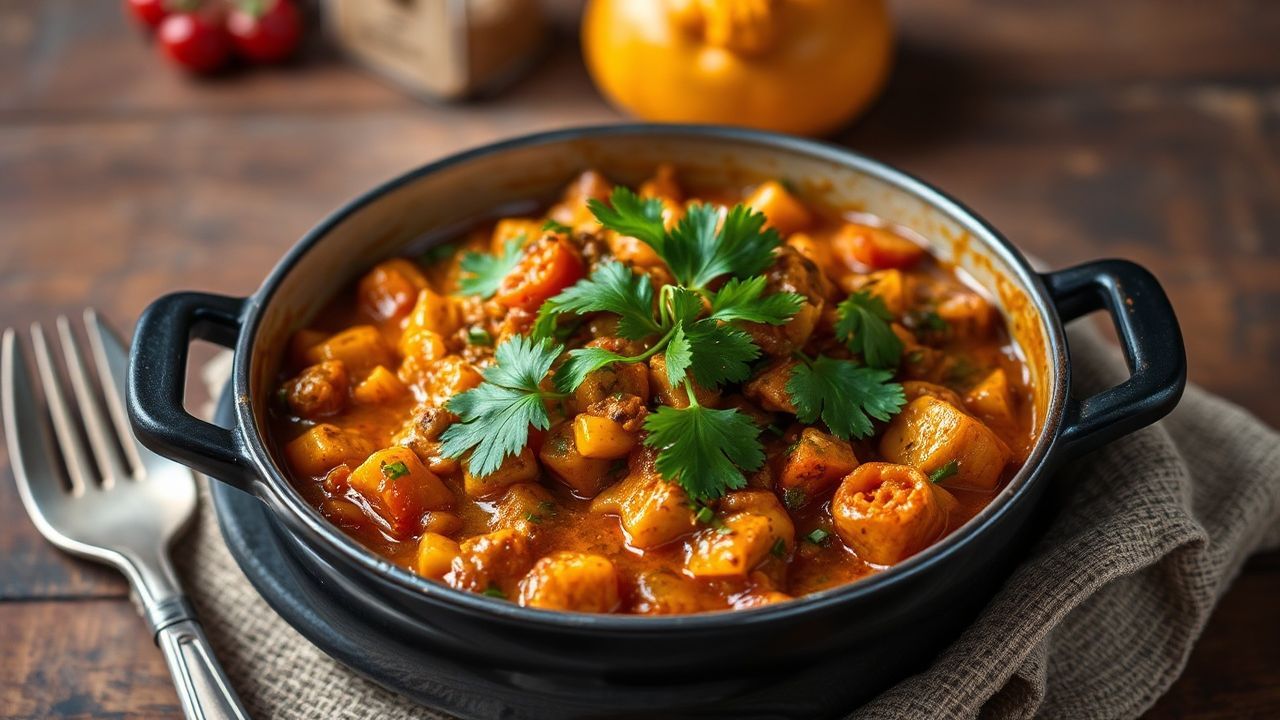
Picture this: It’s a Tuesday evening, the kind where the day has stretched long and the thought of complex cooking feels like an insurmountable hurdle. The kitchen, usually a sanctuary, now looms as a battlefield of clanging pots and endless washing up. What if, instead, you could conjure a deeply flavorful, nourishing meal from a single vessel, filling your home with intoxicating aromas and requiring minimal effort? This is the transformative promise of one-pot African dinners. They represent not just a culinary shortcut, but a profound connection to ancient traditions of communal cooking and resourceful preparation, adapted for the demands of modern life.
- The Allure of the One-Pot African Feast
- The Culinary Tapestry: Exploring Diverse One-Pot African Dishes
- Mastering the One-Pot Technique: A Step-by-Step Guide
- Chicken and Vegetable Peanut Stew: A Proven Weeknight Recipe
- Nutritional Information (Approximate per serving, without rice/couscous):
- Elevating Your One-Pot African Dinners
- The Broader Impact: Health, Culture, and Sustainability
- Conclusion: Embrace the One-Pot African Revolution
- Frequently Asked Questions
One-pot African meals are more than just convenient; they are proof of culinary wisdom, offering rich flavors with unparalleled ease.
These dishes embody a philosophy of harmony and efficiency. Across the vast and diverse continent of Africa, culinary traditions have long celebrated the art of bringing ingredients together in a single pot, allowing flavors to meld and deepen over gentle heat. This isn’t a new trend; it’s an ancestral practice, rooted in practicality and a deep understanding of how ingredients interact. From the stews of West Africa to the fragrant rice dishes of East Africa, the one-pot method is a ubiquitous thread, weaving together cultures and families.
Why One-Pot African Dinners Reign Supreme for Busy Lives
The modern weeknight is a symphony of competing demands: work, family, social obligations, and the perpetual quest for a moment of calm. In this whirlwind, the appeal of a one-pot meal is undeniable, but African one-pot dishes offer a unique confluence of benefits that elevate them beyond mere convenience. They deliver on taste, nutrition, and cultural richness, making them a truly superior choice.
The primary draw, of course, is the drastic reduction in cleanup. Think about it: one pot, one lid, maybe a single stirring spoon. This simple fact can liberate precious evening hours, transforming a chore into an opportunity for relaxation or quality family time. Beyond the practical, the intense flavor development is a significant advantage. When ingredients simmer together in a single pot, their essences intermingle and concentrate, creating a depth and complexity that is often difficult to achieve with separate cooking methods. This slow marriage of flavors is a hallmark of many traditional African cuisines, yielding dishes that are both comforting and exhilarating.
Furthermore, these meals are inherently nutritionally balanced. African cooking frequently emphasizes whole grains, lean proteins, abundant vegetables, and healthy fats (like those found in groundnuts or palm oil, used judiciously). The one-pot format encourages the retention of nutrients that might otherwise be lost in multiple cooking stages or draining processes. Research suggests that cooking methods that minimize water usage and exposure to heat can preserve water-soluble vitamins more effectively. This aligns perfectly with the philosophy of one-pot African cooking.
The Culinary Tapestry: Exploring Diverse One-Pot African Dishes
The term “African cuisine” is, of course, an oversimplification of a continent teeming with distinct and vibrant culinary traditions. However, the one-pot methodology is a unifying principle that manifests in countless delicious forms. Understanding this diversity is key to unlocking the full potential of one-pot African cooking.
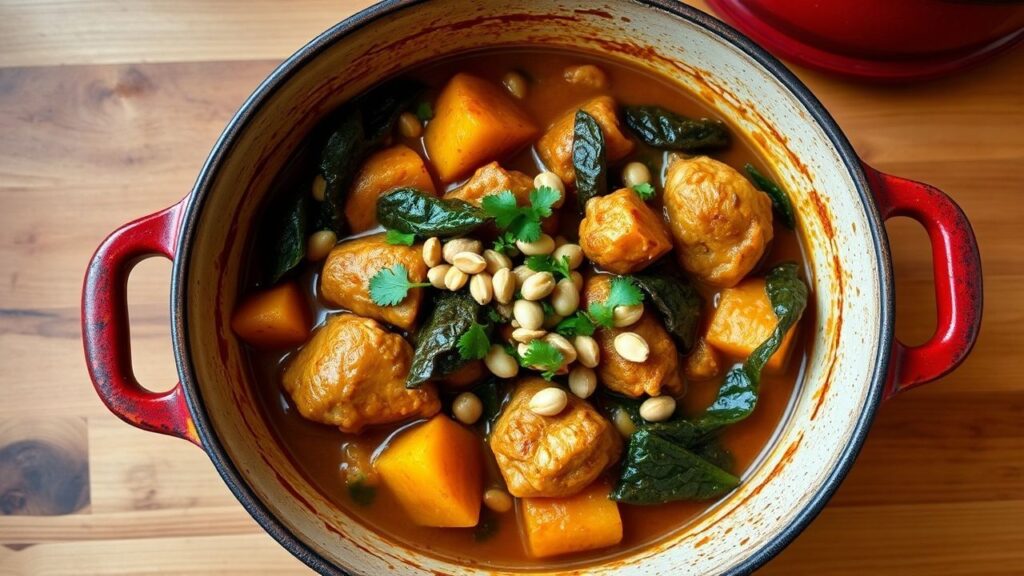
In West Africa, dishes like Jollof Rice are legendary. This iconic rice dish, cooked in a rich tomato and pepper base with spices, is a staple at celebrations and everyday meals alike. Variations abound across countries like Nigeria, Ghana, and Senegal, each with its unique spice profile and preparation nuances. Another West African gem is Groundnut Stew (or Peanut Soup). This creamy, savory concoction, often featuring chicken or beef, vegetables like okra and sweet potatoes, and a generous helping of groundnuts, is deeply satisfying and incredibly adaptable. Its richness is proof of the power of slow simmering.
Moving eastward, East African cuisines offer their own one-pot marvels. Sukuma Wiki, a Swahili dish meaning “to push the week,” typically involves collard greens or kale sautéed with onions, tomatoes, and spices, often served alongside ugali (a maize porridge). While not always a complete meal in one pot, many variations incorporate other ingredients for a more substantial dish. Pilau, a fragrant rice dish infused with aromatic spices like cardamom, cloves, and cinnamon, is another cornerstone, often cooked with meat or vegetables. The slow absorption of the spiced broth into the rice is what gives it its characteristic moistness and complex flavor.
Further south, Southern African cuisines also showcase the one-pot tradition. Bobotie, a South African national dish, is a spiced minced meat bake with a curry flavor, topped with an egg-based custard. While it involves baking, the initial cooking of the meat mixture is often done in a single pot, and many simplified versions can be adapted to a true one-pot preparation. Potjiekos, meaning “little pot food,” is a traditional stew cooked slowly in a round, three-legged cast-iron pot over an open fire, featuring a medley of meats, vegetables, and starches. The slow, even heat distribution of the pot is crucial to its success, creating incredibly tender results.
The Essential Ingredients for Authentic Flavor
While the specific ingredients will vary depending on the regional dish you’re preparing, a few core elements form the backbone of many authentic one-pot African meals, providing that distinctive depth of flavor and aroma.
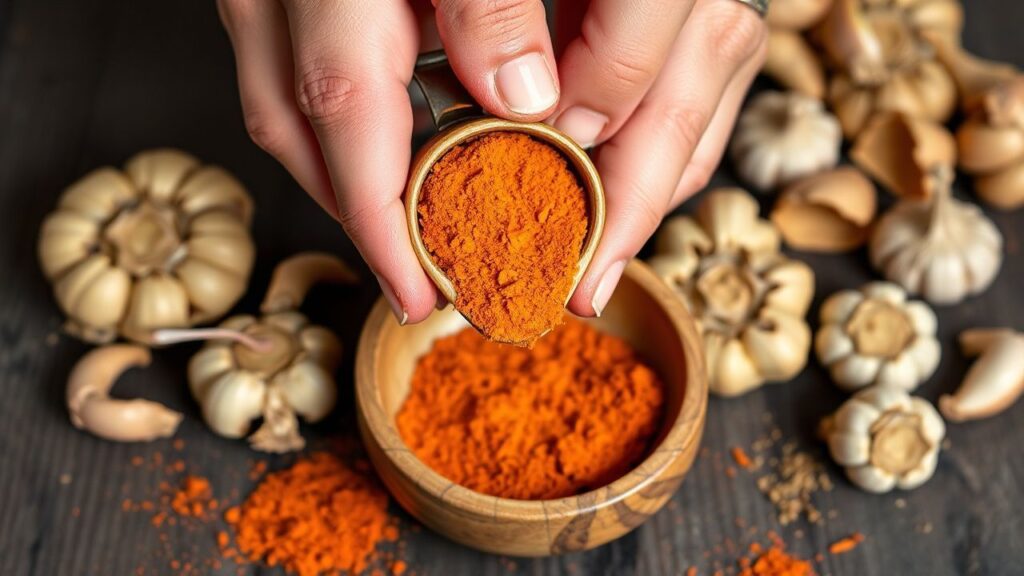
Aromatic Foundations: The flavor journey often begins with a sofrito-like base. This typically involves sautéing finely chopped onions and garlic until softened and fragrant. Ginger is another crucial aromatic, lending a warm, pungent note that is prevalent in many African spice blends. Peppers, particularly scotch bonnet or habanero in West African cooking, provide a characteristic heat and fruity undertone.
The Heart of the Dish:
- Tomatoes: Crushed or pureed tomatoes form the base of many stews and rice dishes, providing acidity and a rich, savory foundation. Fresh tomatoes are often preferred, but high-quality canned varieties work well.
- Stock or Broth: Whether vegetable, chicken, or beef, a good quality stock is essential for cooking grains and creating the simmering liquid for stews.
- Spices and Seasonings: This is where the magic truly happens. Common spices include curry powder, turmeric, cumin, coriander, paprika, cloves, cardamom, and cinnamon. Thyme and bay leaves are also frequently used. Peanut butter or groundnuts are central to many West African dishes, adding richness and a unique nutty flavor.
- Proteins: Chicken, beef, lamb, fish, and various types of beans and lentils are common.
- Vegetables: Hearty vegetables that hold their shape during simmering are ideal. Think sweet potatoes, yams, carrots, potatoes, okra, eggplant, and leafy greens like spinach, kale, or collard greens.
Mastering the One-Pot Technique: A Step-by-Step Guide
The beauty of one-pot cooking lies in its simplicity, but a few key techniques ensure optimal flavor and texture. This recipe for a simplified Chicken and Vegetable Peanut Stew serves as an excellent introduction to the principles of one-pot African cooking.
Chicken and Vegetable Peanut Stew: A Proven Weeknight Recipe
This recipe is designed for ease, flavor, and minimal cleanup, embodying the spirit of one-pot African cooking. It’s hearty, nutritious, and can be on your table in under an hour.
Yields: 4-6 servings
Prep time: 15 minutes
Cook time: 45 minutes
Ingredients:
- 2 tablespoons vegetable oil (or palm oil for a more traditional flavor)
- 1 large onion, finely chopped
- 3 cloves garlic, minced
- 1 inch fresh ginger, grated
- 1 red bell pepper, deseeded and chopped
- 1 scotch bonnet pepper, finely minced (optional, adjust to your spice preference)
- 1.5 lbs (approx. 700g) boneless, skinless chicken thighs, cut into 1-inch pieces
- 1 teaspoon curry powder
- 1 teaspoon ground turmeric
- ½ teaspoon ground cumin
- ½ teaspoon ground coriander
- ¼ teaspoon cayenne pepper (optional)
- 1 (14.5 ounce / 411g) can diced tomatoes, undrained
- 4 cups (approx. 1 liter) chicken broth
- 1 large sweet potato, peeled and cut into 1-inch cubes
- ½ cup (approx. 120g) smooth natural peanut butter
- 1 cup (approx. 150g) chopped okra (fresh or frozen)
- 2 cups (approx. 60g) fresh spinach or kale, roughly chopped
- Salt and freshly ground black pepper to taste
- Fresh cilantro or parsley, chopped, for garnish
- Cooked rice or couscous, for serving
Preparation Method:
1. Sauté Aromatics: Heat the vegetable oil in a large, heavy-bottomed pot or Dutch oven over medium heat. Add the chopped onion and cook until softened and translucent, about 5-7 minutes. Add the minced garlic and grated ginger, and cook for another minute until fragrant, being careful not to burn them. Stir in the chopped red bell pepper and scotch bonnet (if using) and cook for 2-3 minutes more. 2. Brown the Chicken: Add the chicken pieces to the pot and season with a pinch of salt and pepper. Cook, stirring occasionally, until lightly browned on all sides. 3. Add Spices and Tomatoes: Sprinkle the curry powder, turmeric, cumin, coriander, and cayenne pepper (if using) over the chicken and vegetables. Stir well to coat everything and cook for 1 minute until the spices are fragrant. Pour in the diced tomatoes and their juices. Stir to combine. 4.
Simmer the Base: Pour in the chicken broth and bring the mixture to a gentle simmer. Add the cubed sweet potato. Season with salt and pepper to taste. Cover the pot, reduce the heat to low, and let it simmer for 15-20 minutes, or until the sweet potatoes are beginning to soften. 5. Incorporate Peanut Butter and Okra: In a small bowl, whisk the peanut butter with a ladleful of the hot broth from the pot until smooth and creamy. Pour this mixture back into the pot and stir well to incorporate. Add the chopped okra. 6. Finish and Wilt Greens: Continue to simmer, uncovered, for another 10-15 minutes, stirring occasionally, until the stew has thickened and the sweet potatoes and okra are tender. Stir in the chopped spinach or kale and cook for just 2-3 minutes until wilted. 7. Serve: Taste and adjust seasoning if necessary.
Serve hot, garnished with fresh cilantro or parsley, alongside cooked rice or couscous.
Nutritional Information (Approximate per serving, without rice/couscous):
- Calories: 450-550 kcal (depending on exact ingredients and chicken thigh fat content)
- Protein: 30-40g
- Fat: 20-30g (with a good proportion of healthy monounsaturated fats from peanut butter)
- Carbohydrates: 30-40g (primarily from sweet potato and vegetables)
- Fiber: 5-8g
- Vitamins & Minerals: Rich in Vitamin A (from sweet potato and tomatoes), Vitamin C, B vitamins, iron, and potassium.
Elevating Your One-Pot African Dinners
While these recipes are designed for simplicity, there are nuances and techniques that can transform a good one-pot meal into an exceptional one, worthy of any table.
The quality of your aromatics is paramount. Using fresh garlic, ginger, and vibrant peppers makes a significant difference. Don’t be afraid to finely mince them to ensure they meld seamlessly into the sauce. Similarly, the spice blend is critical. Many African spice mixes are complex and layered. Toasting whole spices before grinding them can unlock deeper flavors. If you have the time, consider creating your own blend for maximum impact.
The choice of pot can also influence the outcome. A heavy-bottomed pot, such as a Dutch oven or a cast-iron pot, distributes heat evenly and retains it well, which is essential for slow simmering and preventing scorching. For rice dishes like Jollof, a pot with a tight-fitting lid is crucial for steaming the rice perfectly.
Finally, patience is a virtue in one-pot cooking. While it’s “one-pot,” it doesn’t mean it’s “instant.” Allowing the ingredients to simmer and meld for the recommended time is what develops that signature depth of flavor. Don’t rush the process; let the flavors develop naturally. The occasional stir prevents sticking and ensures even cooking.
The Broader Impact: Health, Culture, and Sustainability
Beyond the immediate benefits of convenience and taste, embracing one-pot African dinners offers a gateway to understanding and appreciating broader themes of health, culture, and sustainability.
From a health perspective, as mentioned earlier, these dishes often align with principles of balanced nutrition. The emphasis on vegetables, lean proteins, and healthy fats, combined with cooking methods that preserve nutrients, makes them a wise choice for those seeking wholesome meals. Research consistently advocates for diets rich in plant-based foods and lean proteins, principles that are naturally embedded in many traditional African culinary practices. The use of spices also contributes not only flavor but also potential health benefits, as many spices have been studied for their antioxidant and anti-inflammatory properties.
Culturally, one-pot meals often have roots in communal cooking and sharing. Preparing a large pot of stew or rice for a family or community gathering fosters connection and togetherness. By exploring these dishes, we engage with a diverse mix of heritage, learning about the history, rituals, and social significance attached to food across the continent. It’s an edible journey, a delicious form of cultural exchange.
The sustainability aspect is also compelling. One-pot meals, by their nature, tend to be more energy-efficient. Cooking everything in a single pot reduces the number of burners or ovens used, thereby consuming less energy. Furthermore, many traditional African ingredients are locally sourced and seasonal, aligning with principles of sustainable food systems. The resourceful use of ingredients, minimizing waste, is another inherent benefit. As global awareness of environmental impact grows, adopting such time-honored, resource-conscious cooking methods becomes increasingly relevant.
Conclusion: Embrace the One-Pot African Revolution
In the relentless pace of modern life, the search for meals that are both nourishing and effortless is a constant quest. One-pot African dinners emerge not just as a solution, but as a revelation. They offer a compelling blend of deeply satisfying flavors, robust nutrition, and remarkable simplicity, all while connecting us to rich cultural traditions. From the vibrant hues of Jollof Rice to the comforting embrace of a peanut stew, these dishes prove that culinary excellence doesn’t require an overly complicated process or an exhaustive array of specialized equipment.
By embracing the principles of one-pot African cooking, you unlock a world of delicious possibilities. You reclaim precious time, nourish your body with wholesome ingredients, and embark on a flavorful exploration of global cuisine. It’s an invitation to simplify your weeknights without compromising on taste or quality, proving that the most profound culinary experiences can often be found in the most accessible forms.
Frequently Asked Questions
What are the most common ingredients in one-pot African dishes?
Common ingredients include onions, garlic, ginger, tomatoes, various spices (like curry powder, turmeric, cumin, coriander), proteins such as chicken, beef, or fish, and hearty vegetables like sweet potatoes, yams, okra, and leafy greens. Peanut butter is a key ingredient in many West African stews.
Are one-pot African meals healthy?
Yes, one-pot African meals are generally very healthy. They often emphasize whole grains, lean proteins, and a wide variety of nutrient-rich vegetables. The cooking methods used tend to preserve nutrients effectively, and the use of spices can add antioxidant benefits.
What type of pot is best for one-pot African cooking?
A heavy-bottomed pot such as a Dutch oven or a cast-iron pot is ideal. These pots distribute heat evenly and retain it well, which is crucial for slow simmering and preventing dishes from sticking or burning. A tight-fitting lid is also important for dishes like rice.
Can I make one-pot African meals vegetarian or vegan?
Absolutely. Many one-pot African dishes can be easily adapted for vegetarian and vegan diets. Replace meat with plant-based proteins like lentils, beans, chickpeas, tofu, or a variety of hearty vegetables. Use vegetable broth instead of chicken or beef broth.
How can I adjust the spice level in one-pot African dishes?
The spice level can be adjusted by controlling the amount of chili peppers, such as scotch bonnets or habaneros, used. Start with a smaller amount, especially if you are unfamiliar with their heat, and always taste and adjust as you cook. Dried chili flakes or cayenne pepper can also be used to add heat.
See also: one-pot african