
The Soul of Ethiopian Cuisine: Unveiling Ethiopian Berbere
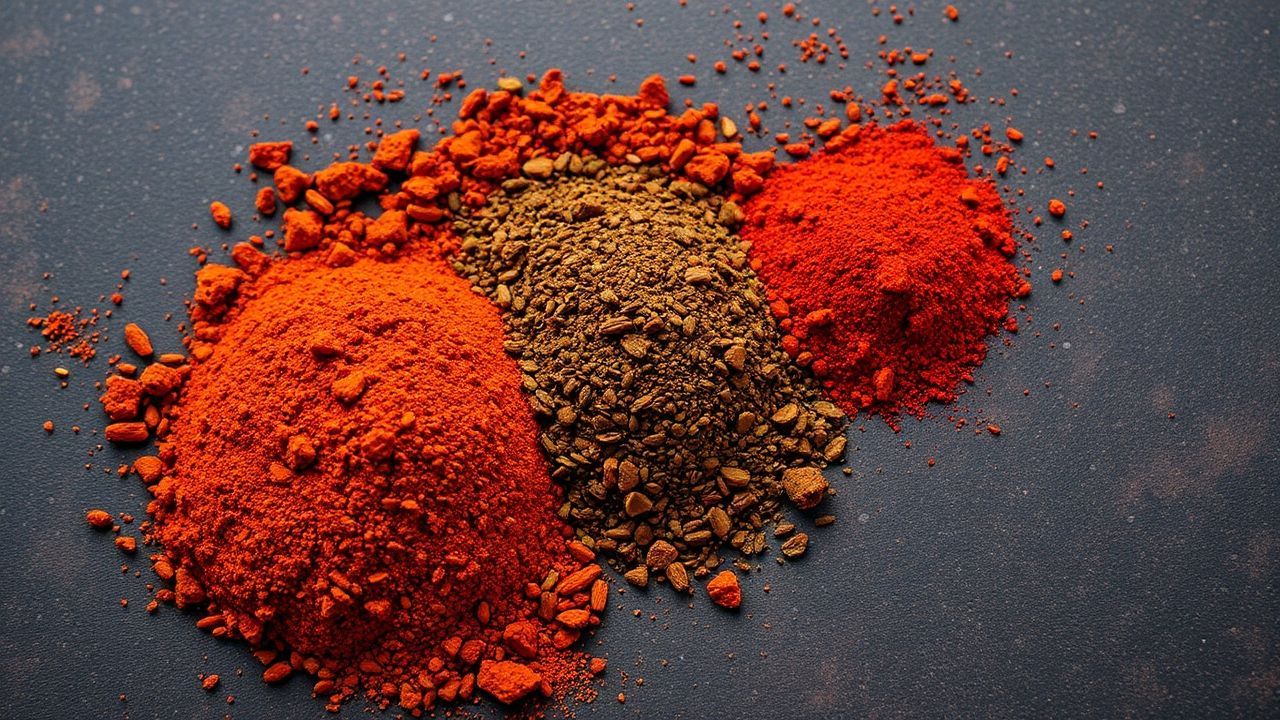
What truly elevates a meal from mere sustenance to a profound cultural experience? It’s often the intricate dance of spices, the aromatic whispers that speak of history, tradition, and the very soul of a land. In the vibrant culinary landscape of Ethiopia, few ingredients command such reverence and embody such a deep connection to heritage as *berbere*. This complex, fiery, and profoundly aromatic spice blend is not merely an ingredient; it is the beating heart of countless Ethiopian dishes, from the ubiquitous *doro wat* (chicken stew) to hearty lentil preparations and grilled meats. To truly understand Ethiopian cooking is to understand the nuanced symphony that is berbere.
- The Soul of Ethiopian Cuisine: Unveiling Ethiopian Berbere
- The Anatomy of Ethiopian Berbere: A Symphony of Spices
- Crafting Your Signature Blend: An Authentic Berbere Recipe
- Nutritional Profile: Beyond Flavor
- Unlocking Versatility: Beyond the Stew Pot
- Mastering the Heat and Flavor: Expert Tips
- Frequently Asked Questions
- H3: What is the primary difference between store-bought and homemade Ethiopian berbere?
- H3: How should I store Ethiopian berbere to maintain its freshness?
- H3: Can I substitute certain spices in the berbere recipe if I can’t find them?
- H3: How much berbere should I use in a typical stew?
- H3: Are there any health benefits associated with eating Ethiopian berbere regularly?
For generations, families have guarded their cherished berbere recipes, each a unique expression of regional variations and personal preference. It’s a spice blend that carries stories within its fragrant dust, proof of the ingenuity and resourcefulness of Ethiopian cooks who have mastered the art of transforming humble dried chilies and aromatic seeds into a culinary cornerstone. The journey to mastering berbere at home is one of sensory delight, a meticulous process that rewards patience and precision with unparalleled depth of flavor. This guide aims to demystify this iconic blend, providing you with the knowledge and a definitive recipe to recreate authentic Ethiopian berbere in your own kitchen, transforming your cooking with its unparalleled warmth and complexity.
“Berbere is not just a spice mix; it’s the olfactory signature of Ethiopian celebration, comfort, and daily life, a fragrant bridge connecting generations.”
Key Takeaways:
- Authentic Ethiopian berbere is a complex blend, integral to the nation’s culinary identity.
- Homemade berbere allows for customization and superior freshness compared to store-bought versions.
- The quality of individual spices significantly impacts the final berbere blend.
- Mastering berbere is a journey of understanding its history, components, and versatile applications.
The Anatomy of Ethiopian Berbere: A Symphony of Spices
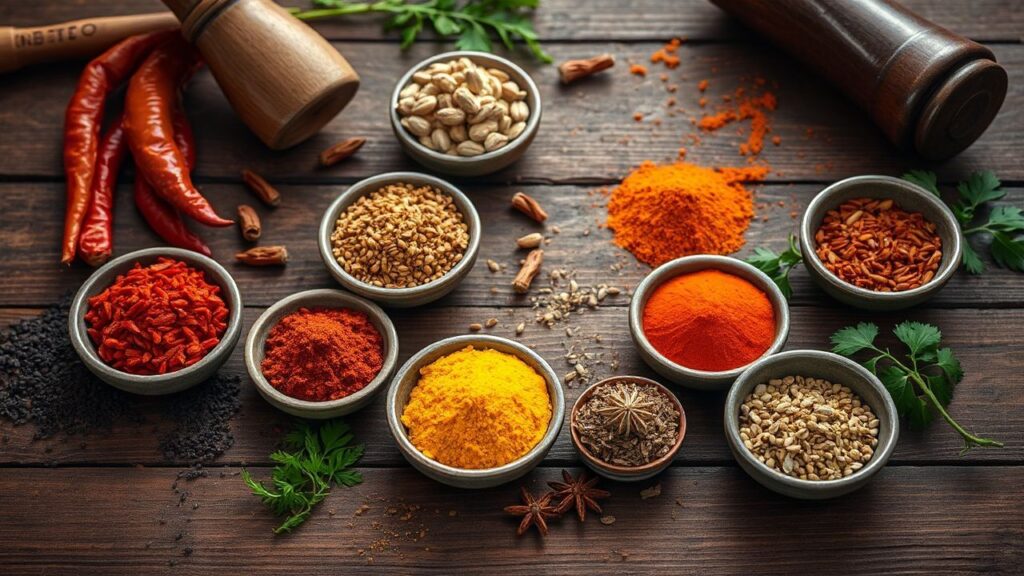
The magic of berbere lies in its intricate composition. While variations abound, a core set of ingredients forms its unmistakable foundation. At its heart are dried red chilies, providing the characteristic heat and vibrant crimson hue. The specific type and quantity of chilies used dictate the blend’s fieriness, ranging from mildly warming to intensely spicy. Beyond the heat, berbere is a masterclass in aromatic complexity, achieved through a careful balance of other spices.
Key among these are fenugreek seeds, which impart a slightly bitter, maple-like sweetness and a distinctive aroma. Coriander seeds offer a citrusy, earthy note, while cumin seeds contribute a warm, smoky depth. Ginger and garlic, often dried and ground, add pungent warmth and savory undertones. Other essential spices frequently include black pepper for a sharp bite, cardamom for its floral sweetness, cloves for their pungent, warm notes, and allspice for its complex flavor profile reminiscent of cinnamon, cloves, and nutmeg. Some recipes also incorporate turmeric for color and subtle earthiness, nutmeg for warmth, and even cinnamon for a hint of sweetness. The careful toasting and grinding of these spices are critical steps, unlocking their full aromatic potential and ensuring a harmonious blend.
Crafting Your Signature Blend: An Authentic Berbere Recipe
Creating your own Ethiopian berbere is an immensely rewarding endeavor, allowing you to tailor the spice levels and aromas to your exact preferences. This recipe provides a robust foundation, drawing on traditional principles while offering clarity for home cooks. The process begins with selecting high-quality, fresh spices. The quality of your chilies, in particular, will significantly influence the final flavor and heat. For a traditional flavor profile with a pleasant warmth, a blend of milder Kashmiri chilies (for color) and spicier varieties like cayenne or bird’s eye chilies is recommended.
Ingredients:
- 1 cup (approx. 100g) Dried Red Chilies (a mix of Kashmiri for color and cayenne/bird’s eye for heat)
- ¼ cup (approx. 40g) Fenugreek Seeds
- ¼ cup (approx. 35g) Coriander Seeds
- 2 tablespoons (approx. 25g) Cumin Seeds
- 1 tablespoon (approx. 12g) Black Peppercorns
- 1 tablespoon (approx. 15g) Ground Ginger (or 2 tablespoons fresh ginger, thinly sliced and dried)
- 1 tablespoon (approx. 15g) Garlic Powder (or 4-5 cloves garlic, thinly sliced and dried)
- 1 teaspoon (approx. 3g) Ground Cardamom
- 1 teaspoon (approx. 3g) Ground Cloves
- 1 teaspoon (approx. 3g) Ground Allspice
- ½ teaspoon (approx. 2g) Ground Nutmeg
- ½ teaspoon (approx. 2g) Ground Cinnamon
- ½ teaspoon (approx. 2g) Turmeric Powder (optional, for deeper color)
- 1 teaspoon Salt (adjust to taste)
Preparation Method:
1. Toast the Whole Spices: In a dry, heavy-bottomed skillet over medium-low heat, gently toast the dried red chilies, fenugreek seeds, coriander seeds, cumin seeds, and black peppercorns. Stir constantly to prevent burning. The chilies should become fragrant and slightly brittle, and the seeds should release their aromas. This process typically takes 5-10 minutes. Be vigilant; small seeds can burn quickly.
[TIP]Expert Insight: Toasting is paramount. It awakens the essential oils in the spices, transforming their flavor from raw and muted to deep, complex, and intensely aromatic. The subtle caramelization achieved at this stage is crucial for berbere’s signature profile. If you are unsure about toasting, err on the side of caution and remove the spices from the heat slightly earlier; you can always toast them a bit more if needed.
2. Cool and Grind: Remove the toasted spices from the skillet and spread them on a plate to cool completely. Once cooled, transfer the toasted chilies and seeds to a spice grinder or a high-powered blender. Grind them into a fine powder. You may need to do this in batches. For an even finer texture, you can pass the ground mixture through a fine-mesh sieve.
3. Combine with Ground Spices: In a large bowl, combine the freshly ground spice mixture with the ground ginger, garlic powder, ground cardamom, ground cloves, ground allspice, ground nutmeg, ground cinnamon, turmeric (if using), and salt. Mix thoroughly to ensure all ingredients are evenly distributed.
4. Taste and Adjust: Taste a small amount of the berbere blend. Adjust salt as needed. If you desire more heat, you can finely grind an additional dried chili and add it. If the flavor seems a bit too sharp, a touch more cinnamon or nutmeg can provide a pleasant warmth.
5. Storage: Store your homemade Ethiopian berbere in an airtight container in a cool, dark place. Properly stored, it will retain its potent flavor for several months, though its peak aroma is within the first 3-6 months.
Nutritional Profile: Beyond Flavor
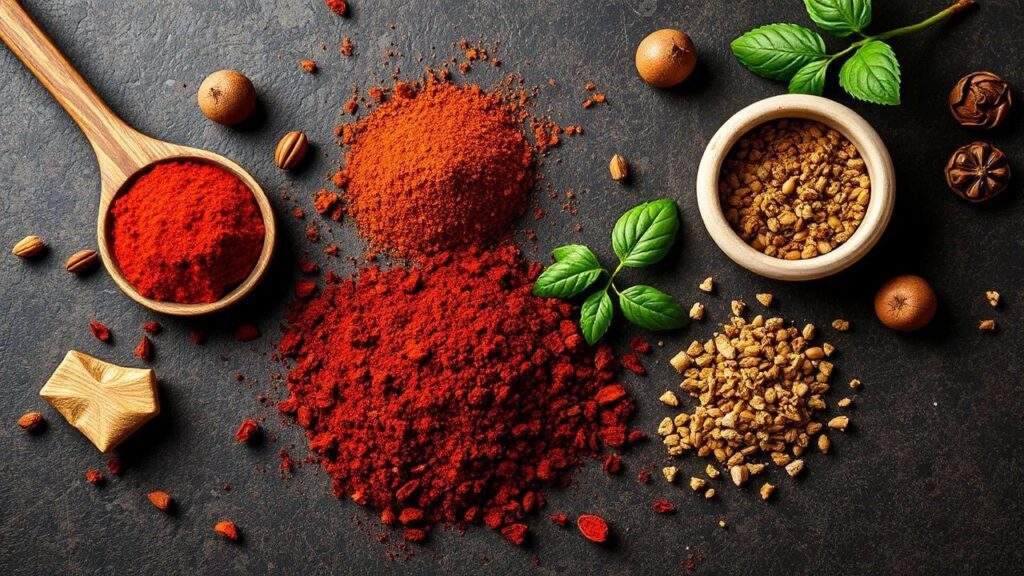
While primarily celebrated for its culinary prowess, berbere also offers a surprisingly robust nutritional profile, proof of the power of its diverse spice components. The primary ingredient, chilies, are a good source of Vitamin C, an antioxidant vital for immune function and skin health. Research suggests the potential antioxidant and anti-inflammatory properties of capsaicin, the compound responsible for chili’s heat. Fenugreek seeds, another key ingredient, are known for their fiber content and may contribute to blood sugar regulation, as indicated by some studies.
Coriander and cumin are rich in various micronutrients and antioxidants. For instance, coriander seeds contain compounds that have been investigated for their potential health benefits. While the quantities used in a typical serving of a berbere-seasoned dish are small, the cumulative effect of these nutrient-dense spices contributes to the overall healthful nature of Ethiopian cuisine.
Approximate Nutritional Information per Tablespoon (30g) of Berbere Blend (may vary based on specific spice ratios):
- Calories: 80-100
- Protein: 3-4g
- Fat: 4-6g
- Carbohydrates: 8-10g
- Fiber: 4-5g
- Vitamin C: Significant contribution
- Iron: Trace amounts
- Calcium: Trace amounts
Keep in mind that these are estimations for the spice blend itself. The nutritional impact on a final dish will depend on the other ingredients used in its preparation.
Unlocking Versatility: Beyond the Stew Pot
The true mastery of Ethiopian berbere lies not just in its creation but in its masterful application. While it is the indispensable soul of stews like *doro wat* and *misir wat* (red lentil stew), its potential extends far beyond. Consider it a vibrant flavor enhancer for marinades, rubs, and seasoning blends.
- Marinades: Whisk berbere with yogurt or oil to create a deeply flavorful marinade for chicken, lamb, or firm tofu. The spices tenderize the meat while infusing it with complex heat and aroma.
- Rubs for Roasted Meats: Apply berbere generously as a dry rub on prime rib, pork shoulder, or even a whole chicken before roasting. The high heat of the oven will bloom the spices, creating a beautifully crusted and intensely flavored exterior.
- Vegetable Roasting: Toss root vegetables like sweet potatoes, carrots, and parsnips, or cruciferous vegetables like cauliflower and Brussels sprouts, with olive oil and berbere before roasting. The blend caramelizes beautifully, transforming humble vegetables into a star component of any meal.
- Soups and Broths: A teaspoon or two of berbere can add an extraordinary depth and warmth to vegetable soups, lentil soups, or even a simple chicken broth.
- Eggs: Sprinkle berbere over scrambled eggs, omelets, or shakshuka for an immediate flavor upgrade. It adds a welcome kick and aromatic complexity that elevates breakfast.
- Dips and Spreads: For a truly unique flavor dimension, stir a small amount of berbere into hummus, labneh, or cream cheese for a sophisticated appetizer spread.
[WARNING]Pro-Caution: When working with dried chilies, particularly spicier varieties, it is advisable to wear gloves to avoid skin irritation. Also, ensure good ventilation when toasting and grinding the chilies, as the airborne capsaicin can be potent and irritating to the eyes and respiratory system.
A Real-World Scenario: Elevating Grilled Salmon
Imagine you’re hosting a dinner party and want to impress your guests with something familiar yet exciting. Instead of a standard lemon-dill salmon, try this: whisk 2 tablespoons of your homemade Ethiopian berbere with 3 tablespoons of olive oil, the juice of half a lemon, and a pinch of salt. Gently brush this mixture over salmon fillets. Grill or bake until cooked through. The result is a salmon with a stunning, crimson hue, a complex warmth that complements the richness of the fish, and an aromatic profile that will have your guests asking for the recipe. This is the power of berbere – transforming the ordinary into the extraordinary with a judicious application of this ancient spice blend.
Mastering the Heat and Flavor: Expert Tips
The creation and use of berbere involve a nuanced understanding of its components. Here are some expert tips to help you achieve exceptional results:
- Chili Selection is Key: The type of chili you use is paramount. For a vibrant red color without excessive heat, *Kashmiri chilies* are unparalleled. For a significant kick, incorporate *cayenne peppers* or even *bird’s eye chilies*. Experiment with ratios to find your perfect balance.
- Freshness Matters: Always use the freshest spices you can find. Old, stale spices will result in a dull, lifeless berbere. Grinding whole spices yourself just before combining them is ideal for maximizing aroma and flavor.
- The Toasting Technique: Do not rush the toasting process. Low and slow is the mantra. Over-toasted spices can become bitter. Listen for the fragrant release of oils, and watch for a slight darkening of color.
- Grinding Consistency: Aim for a powder that is fine enough to dissolve well in stews but still retains a pleasant texture. A spice grinder or a dedicated coffee grinder works well, but a mortar and pestle, while labor-intensive, can yield a superior texture and aroma due to the crushing action.
- The Role of Fenugreek: Fenugreek has a distinctive, slightly bitter note. Too much can overpower the blend. If you find traditional berbere too bitter, slightly reduce the amount of fenugreek seeds in your next batch.
- Balancing Sweetness and Heat: If your berbere leans too spicy, a touch more cinnamon or a pinch of brown sugar can help to round out the flavor. Conversely, if it’s too mild, a little extra ground cayenne can boost the heat.
- Infusing Oil: For an even more intense flavor experience when cooking, consider infusing a neutral oil (like vegetable or canola) with a tablespoon of berbere for about 15-20 minutes over very low heat. Strain the oil before using it in your cooking.
- Embrace the Ageing Process: Like fine wine, berbere often improves with a little age. After blending, let it sit in an airtight container for a week or two. The flavors will meld and deepen, creating a more harmonious profile.
Frequently Asked Questions
H3: What is the primary difference between store-bought and homemade Ethiopian berbere?
The most significant difference lies in freshness and flavor complexity. Store-bought berbere often uses pre-ground spices that have lost much of their volatile oils and aroma over time. Homemade berbere, especially when using freshly toasted and ground whole spices, delivers a far more vibrant, aromatic, and nuanced flavor profile. Furthermore, making it at home allows you to precisely control the heat level and the specific spice ratios, tailoring it to your personal preference, which is rarely possible with commercial blends.
H3: How should I store Ethiopian berbere to maintain its freshness?
Proper storage is crucial for preserving the potency of your homemade berbere. Always store it in an airtight container, such as a glass jar with a tight-fitting lid. Keep the container in a cool, dark, and dry place, away from direct sunlight and heat sources. A pantry or a spice cabinet is ideal. Avoid storing it near the stove, as the ambient heat can degrade the spices more quickly. When stored correctly, berbere can retain its best flavor for 6-12 months, though its peak aroma is typically within the first 3-6 months.
H3: Can I substitute certain spices in the berbere recipe if I can’t find them?
While the provided recipe offers a classic profile, some substitutions are possible, though they will alter the final flavor. For example, if you cannot find Kashmiri chilies, you can use a milder paprika for color, but the unique fruity notes will be absent. If you are out of black peppercorns, regular ground black pepper can be used, but freshly ground is always superior. However, core spices like fenugreek, coriander, and cumin are fundamental to berbere’s identity, and their absence or poor substitution will significantly impact the authenticity of the blend. It is best to seek out the specified spices for the most authentic result.
H3: How much berbere should I use in a typical stew?
The amount of berbere used in a stew is highly dependent on the desired heat level and the overall flavor profile of the dish. As a general guideline, for a stew serving 4-6 people, you might start with 2-3 tablespoons of berbere. For dishes like *doro wat*, where berbere is a primary flavor component, you might use 4-5 tablespoons or even more. It’s always best to start with a smaller amount, taste, and then add more as needed. Remember that the flavor will deepen as the stew simmers.
H3: Are there any health benefits associated with eating Ethiopian berbere regularly?
Yes, regular consumption of berbere can contribute to a diet rich in antioxidants and beneficial compounds. The blend’s ingredients, particularly chilies, are known sources of vitamins like C and contain capsaicin, which has been studied for its potential anti-inflammatory and metabolism-boosting properties. Fenugreek, coriander, and cumin also offer various micronutrients and phytochemicals that may support overall health. However, it’s important to consume berbere as part of a balanced diet and consult with a healthcare professional for personalized dietary advice. Research into the specific health impacts of blended spice consumption is ongoing.
See also: ethiopian berbere