
The Humble Power of Buckwheat: Beyond the Usual Suspects
When it comes to gluten free, Have you ever found yourself yearning for a truly satisfying breakfast or light meal that sidesteps the common pitfalls of gluten-free baking – namely, a gritty texture or an overpowering, bland flavor? The quest for perfect gluten-free alternatives can often feel like navigating a culinary minefield, where promising recipes crumble under scrutiny or result in something akin to cardboard. Yet, nestled within the ancient grains is a powerhouse ingredient that, when harnessed correctly, can transform the gluten-free experience: buckwheat. Far from being related to wheat, buckwheat is a pseudocereal, a seed botanically a distant cousin to rhubarb, and its inherent properties make it an exceptional candidate for delicate yet robust gluten-free creations.
- The Humble Power of Buckwheat: Beyond the Usual Suspects
- The Science Behind the Buckwheat Crepe: Texture, Flavor, and Gluten-Free Integrity
- Mastering the Batter: The Heart of Your Gluten Free Buckwheat Crepes
- The Cooking Technique: From Batter to Golden Perfection
- Savory Delights and Sweet Indulgences: The Versatility of Gluten Free Buckwheat Crepes
- Nutritional Insights and Expert Tips for Elevating Your Gluten Free Crepes
- Frequently Asked Questions about Gluten Free Buckwheat Crepes
- Can I make gluten free buckwheat crepes ahead of time?
- What is the best way to store leftover gluten free buckwheat crepes?
- Why are my gluten free buckwheat crepes tearing when I flip them?
- Can I use a different type of gluten-free flour instead of buckwheat?
- Are gluten free buckwheat crepes healthier than traditional wheat crepes?
This exploration into gluten free buckwheat crepes isn’t just about a recipe; it’s about understanding the nuanced science and art behind a dish that has the potential to become a staple in your kitchen, offering a delightful alternative that is both nourishing and incredibly versatile.
The true magic of gluten free buckwheat crepes lies not in their absence of gluten, but in their presence of earthy flavor and delicate texture, proving that dietary restrictions can inspire culinary innovation.
This journey will demystify the process, offering a no-nonsense analysis of what makes these crepes work, from ingredient selection to technique. We’ll explore the unique characteristics of buckwheat flour, learn how to achieve that coveted thin, pliable texture, and uncover tips that will elevate your homemade crepes from merely edible to truly exceptional. Whether you’re a seasoned gluten-free baker or just beginning to explore the world of alternative grains, prepare to be surprised by the sheer deliciousness and adaptability of these gluten free buckwheat crepes.
Key Takeaways:
- Buckwheat flour, a pseudocereal, offers a unique earthy flavor and excellent binding properties for gluten-free baking.
- Achieving a thin, pliable crepe texture requires careful batter consistency and precise cooking techniques.
- Buckwheat crepes are exceptionally versatile, suitable for both sweet and savory fillings.
- Understanding the role of resting the batter is crucial for optimal crepe texture and flavor development.
The Science Behind the Buckwheat Crepe: Texture, Flavor, and Gluten-Free Integrity
The foundation of any successful gluten-free recipe, especially one striving for delicate textures like crepes, rests on a deep understanding of its core ingredients. Buckwheat flour, the star of our gluten free buckwheat crepe recipe, presents a fascinating profile. Unlike wheat flour, which relies on gluten proteins to form a cohesive, elastic network that traps gases and provides structure, buckwheat flour lacks these proteins entirely. Instead, it contains starches and other complex carbohydrates that behave differently during cooking. The primary proteins in buckwheat are globulins and albumins, which contribute to its distinct nutty flavor and slightly coarser texture if not processed correctly.
In the context of gluten free, One of the critical aspects of buckwheat flour for crepes is its ability to absorb liquid. It tends to absorb more liquid than all-purpose wheat flour, which is why achieving the right batter consistency is paramount. A batter that is too thick will result in dense, pancake-like crepes, while a batter that is too thin will spread uncontrollably and become brittle. Research suggests that the complex carbohydrate and phenolic compound composition of buckwheat contributes to its nutritional value and unique sensory properties. For instance, studies indicate that buckwheat is a good source of rutin, a flavonoid with antioxidant properties, adding another layer of benefit to this ancient grain.
The earthy, somewhat robust flavor of buckwheat is another key characteristic. While some find it intensely flavorful, others might perceive it as slightly bitter if the flour is not fresh or if it’s used in isolation without balancing ingredients. This is where the art of recipe development comes into play. By combining buckwheat flour with a small amount of another gluten-free starch, such as tapioca starch or arrowroot powder, we can achieve a smoother texture and a more neutral base, allowing the buckwheat’s inherent flavor to shine without overwhelming the palate. This careful balancing act is what separates a merely acceptable gluten free buckwheat crepe from a truly memorable one.
Around gluten free, The absence of gluten also means that the batter won’t develop the elasticity found in traditional crepes. This necessitates a different approach to handling the batter and cooking. Instead of relying on gluten to create a pliable structure that can be stretched, we aim for a batter that, when cooked thinly, sets into a delicate yet firm sheet. This is achieved through the interaction of the buckwheat starches with heat and the presence of eggs and liquid. The proteins in the egg, when heated, coagulate and bind the starches, providing the necessary structure.
Mastering the Batter: The Heart of Your Gluten Free Buckwheat Crepes
The alchemy of creating perfect gluten free buckwheat crepes begins with the batter. This isn’t a mix-and-pour affair; it requires a thoughtful approach to ingredient integration and resting. The goal is a batter that is thin enough to spread into a delicate, lacy circle in the pan, yet substantial enough to hold together.
Essential Ingredients for Perfect Gluten Free Buckwheat Crepes
Regarding gluten free, To achieve that ideal balance, you’ll need a precise blend of ingredients. The quality of your buckwheat flour is paramount; opt for freshly milled or finely ground buckwheat flour for the best flavor and texture.
- Buckwheat Flour: 1 cup (120g) – This is the star, providing the characteristic flavor and structure.
- Tapioca Starch (or Arrowroot Powder): ¼ cup (30g) – This fine starch helps to lighten the texture and improve pliability.
- Salt: ½ teaspoon – Enhances all the flavors.
- Granulated Sugar (optional, for sweet crepes): 1 tablespoon – A touch of sweetness balances the earthiness.
- Large Eggs: 2 – Act as binders and contribute to richness.
- Milk (dairy or unsweetened plant-based): 1 ½ cups (360ml) – The primary liquid for achieving the correct consistency. Whole milk will yield richer crepes.
- Melted Unsalted Butter (or neutral oil): 2 tablespoons, plus more for greasing the pan – Adds flavor and prevents sticking.
The Art of Blending and Resting
The process of combining these ingredients is as important as their ratios.
- Dry Ingredients: In a medium bowl, whisk together the buckwheat flour, tapioca starch, salt, and sugar (if using). Ensuring these are thoroughly combined prevents pockets of starch or flour in the final batter.
- Wet Ingredients: In a separate bowl, whisk the eggs until well beaten. Gradually whisk in the milk and melted butter (or oil) until fully incorporated.
- Combine: Create a well in the center of the dry ingredients. Pour the wet ingredients into the well. Using a whisk, gradually incorporate the dry ingredients into the wet, starting from the center and working outwards. Whisk until the batter is smooth and free of lumps. This gradual incorporation helps to prevent the formation of gluten-like strands, even in the absence of gluten itself.
- Rest the Batter: This is a critical step that many home cooks overlook. Cover the bowl and let the batter rest in the refrigerator for at least 30 minutes, and ideally for 1 to 2 hours. This resting period allows the starches in the buckwheat flour to fully hydrate, leading to a smoother batter and a more tender crepe. It also allows the flavors to meld, mellowing any potential harshness from the buckwheat.
The Cooking Technique: From Batter to Golden Perfection

Once your batter is perfectly rested, the real magic of transforming it into delicate gluten free buckwheat crepes begins. The cooking process is where precision and a gentle touch are key.
Prepping Your Pan: The Foundation of Non-Stick Success
When it comes to gluten free, A good non-stick crepe pan or a well-seasoned cast-iron skillet is your best friend here.
- Heating the Pan: Place your pan over medium heat. It’s crucial to get the pan to the correct temperature. Too cool, and the batter will spread too thinly and cook unevenly; too hot, and it will burn before it cooks through. A good test is to flick a few drops of water onto the surface; they should sizzle and evaporate quickly.
- Greasing the Pan: Lightly grease the pan with a small amount of butter or oil. You can use a pastry brush or a folded paper towel dipped in melted butter. You only need a very thin layer; too much will cause the crepes to become greasy and difficult to flip. Wipe away any excess.
The Art of Spreading and Cooking
This is where the technique truly matters.
- Pouring the Batter: Once the pan is heated and lightly greased, ladle approximately ¼ cup (60ml) of batter into the center of the pan. Immediately tilt and swirl the pan in a circular motion to spread the batter evenly into a thin, round crepe. Work quickly but deliberately.
- Cooking the First Side: Let the crepe cook for about 1 to 2 minutes, or until the edges begin to lift and the surface looks set and no longer wet. You’ll see small bubbles forming on the surface.
- Flipping the Crepe: Gently loosen the edges of the crepe with a thin spatula. Slide the spatula underneath and carefully flip the crepe. If you’re feeling brave, a flick of the wrist can masterfully flip it!
- Cooking the Second Side: Cook the second side for another 30 seconds to 1 minute, or until lightly golden. It will cook much faster than the first side.
- Removing and Stacking: Slide the finished crepe onto a plate. If you are making multiple crepes, you can stack them on top of each other; the steam will keep them pliable. Repeat the process with the remaining batter, lightly greasing the pan between each crepe as needed.
Savory Delights and Sweet Indulgences: The Versatility of Gluten Free Buckwheat Crepes
The beauty of gluten free buckwheat crepes extends far beyond their preparation; it lies in their incredible adaptability to a vast array of fillings, bridging the gap between breakfast, lunch, and even a light dinner. Their inherent earthy flavor makes them a perfect canvas for both sweet and savory compositions, offering a sophisticated alternative to traditional pancakes or flour tortillas.
In the context of gluten free, For savory applications, buckwheat crepes truly shine. Imagine them as delicate wrappers for a classic French galette, traditionally made with buckwheat flour. You can fill them with a medley of sautéed mushrooms, spinach, and Gruyère cheese, or perhaps a robust ham and egg combination. A smear of crème fraîche or a dollop of sour cream, finished with a sprinkle of fresh chives, elevates these simple fillings into something truly gourmet. The slightly denser, nuttier profile of buckwheat complements the richness of cheeses and the savory notes of cured meats and sautéed vegetables beautifully.
Around gluten free, For a lighter, yet equally satisfying option, consider a filling of smoked salmon, dill, and cream cheese, or perhaps a Mediterranean-inspired mix of roasted red peppers, feta, and Kalamata olives.
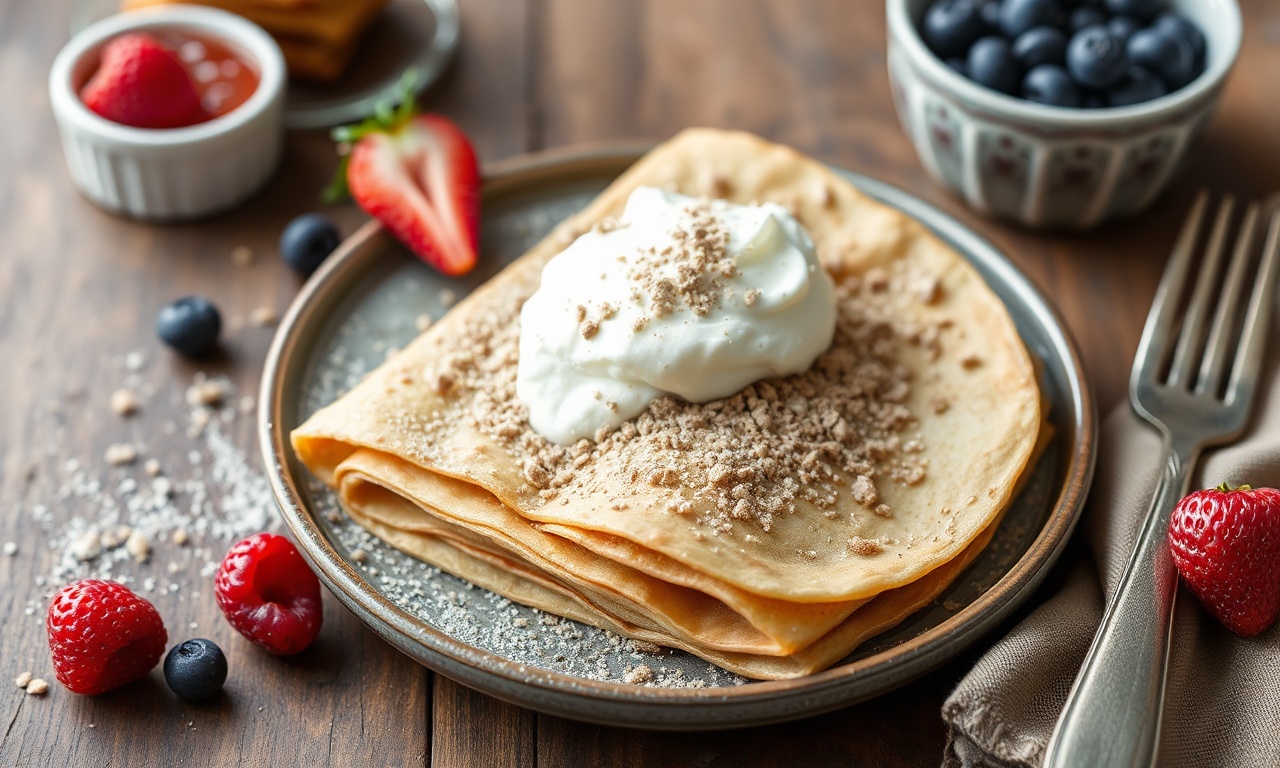
Regarding gluten free, On the sweet side, these crepes offer a delightful twist on traditional dessert crepes. Their subtle earthiness provides a sophisticated counterpoint to sweeter ingredients. Picture them filled with fresh berries and a light dusting of powdered sugar, or perhaps a classic combination of sliced apples, cinnamon, and a drizzle of maple syrup. For a more decadent treat, consider a filling of ripe bananas and a rich chocolate ganache, or a velvety lemon curd. A spoonful of whipped cream or a scoop of vanilla bean ice cream can transform these crepes into an elegant dessert fit for any occasion.
The key to successful sweet fillings often lies in balancing the sweetness of the filling with the subtle earthiness of the buckwheat.
When it comes to gluten free, A touch of lemon zest in a berry filling, or a hint of orange zest in a chocolate filling, can create a harmonious flavor profile.
In the context of gluten free, A fascinating real-world example of buckwheat’s versatility can be seen in Brittany, France, where “galettes” – savory crepes made primarily from buckwheat flour – are a regional staple. These are typically served as a complete meal, often with an egg cooked directly into the center of the galette, alongside ham and cheese. This tradition underscores the inherent savory potential of buckwheat flour and its capacity to be a satisfying main course, not just a breakfast item.

Nutritional Insights and Expert Tips for Elevating Your Gluten Free Crepes
Understanding the nutritional landscape of your gluten free buckwheat crepes adds another dimension to their appeal. Buckwheat, as a whole grain, offers a commendable nutritional profile. It is naturally rich in dietary fiber, which aids digestion and promotes satiety. Furthermore, it provides essential minerals such as magnesium, manganese, and phosphorus, and is a good source of plant-based protein. When combined with other ingredients like eggs and milk, these crepes can contribute a significant amount of protein and healthy fats to your diet, making them a more substantial and balanced choice than many refined flour alternatives.
Around gluten free, Per serving (assuming 1 crepe from a recipe yielding 6-8 crepes, filled lightly):
- Calories: Approximately 120-150 kcal (this will vary significantly based on filling)
- Protein: 4-6g
- Carbohydrates: 15-20g
- Fat: 5-8g
- Fiber: 1-2g
Keep in mind that these are approximate values for the crepe itself. The nutritional content will change considerably depending on the chosen filling. For instance, a crepe filled with cheese and ham will have a higher fat and protein content than one filled with fresh berries and a light yogurt.
Beyond the basic recipe, there are several expert tips that can truly elevate your gluten free buckwheat crepes to restaurant-quality standards.
Expert Pro-Tips for Restaurant-Quality Crepes:
- The Power of a Blend: While 100% buckwheat is traditional for galettes, for a lighter, more delicate crepe, consider a blend. A ratio of 75% buckwheat to 25% another gluten-free flour like white rice flour or even a touch of almond flour can provide a smoother texture and a less intense flavor profile, while still retaining the essence of buckwheat.
- Infuse Your Liquids: For an extra layer of flavor, consider infusing your milk. Gently warm the milk with a vanilla bean, a cinnamon stick, or a few strips of lemon zest before straining and using it in the batter. This adds a subtle aromatic complexity.
- The Sizzle and Swirl: Master the pan-to-batter transfer. The batter should hit a hot, lightly oiled pan and spread immediately. The swirling motion is key to achieving an even thickness. If the batter doesn’t spread thinly, it’s too thick. If it spreads too thinly and becomes watery, it’s too thin.
- Don’t Overcrowd the Pan: Use just enough batter to create a thin layer. For a standard 8-10 inch crepe pan, ¼ cup (60ml) is usually sufficient. It’s better to have slightly smaller, perfectly cooked crepes than large, unevenly cooked ones.
- The Flip: Practice makes perfect. A thin, flexible spatula is essential. For those who are adventurous, a quick wrist flick can achieve a dramatic and satisfying flip. If you’re less confident, the spatula method is perfectly effective.
- Serving Suggestions: For sweet crepes, a dusting of confectioners’ sugar, a dollop of crème fraîche, or a swirl of raspberry coulis are classic accompaniments. For savory crepes, a sprinkle of fresh herbs like parsley, chives, or tarragon adds a burst of freshness.
Frequently Asked Questions about Gluten Free Buckwheat Crepes
Can I make gluten free buckwheat crepes ahead of time?
Yes, gluten free buckwheat crepes can be made ahead of time. Once cooled, stack them with parchment paper in between to prevent sticking, wrap them tightly in plastic wrap, and refrigerate for up to 2-3 days. They can also be frozen; thaw them overnight in the refrigerator and reheat gently in a skillet or microwave.
What is the best way to store leftover gluten free buckwheat crepes?
Leftover crepes should be cooled completely, then stacked with parchment paper between each layer and wrapped tightly in plastic wrap or stored in an airtight container in the refrigerator for up to 3 days. For longer storage, freeze them in a single layer on a baking sheet until firm, then transfer to a freezer-safe bag or container.
Why are my gluten free buckwheat crepes tearing when I flip them?
Tearing often occurs due to a batter that is too thin, insufficient cooking time on the first side, or a pan that is not hot enough. Ensure your batter has rested and achieved the correct consistency. Cook the first side until the edges are clearly set and slightly golden. A well-greased pan also helps prevent sticking, which can lead to tearing.
Can I use a different type of gluten-free flour instead of buckwheat?
While you can technically use other gluten-free flours, it will significantly alter the flavor and texture. Buckwheat provides a unique earthy taste and a distinct structure. If you’re looking for a neutral-tasting gluten-free crepe, a blend of rice flour, tapioca starch, and potato starch might be a better alternative, but it won’t be a buckwheat crepe.
Are gluten free buckwheat crepes healthier than traditional wheat crepes?
Buckwheat crepes are generally considered healthier due to the nutritional profile of buckwheat, which is rich in fiber, protein, and minerals, and they are naturally gluten-free. Traditional wheat crepes, especially those made with refined white flour, are often lower in fiber and nutrients. However, the healthiness of any crepe also depends heavily on the fillings used.
See also: gluten free