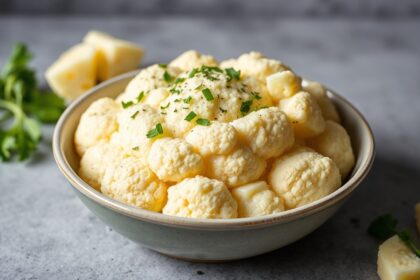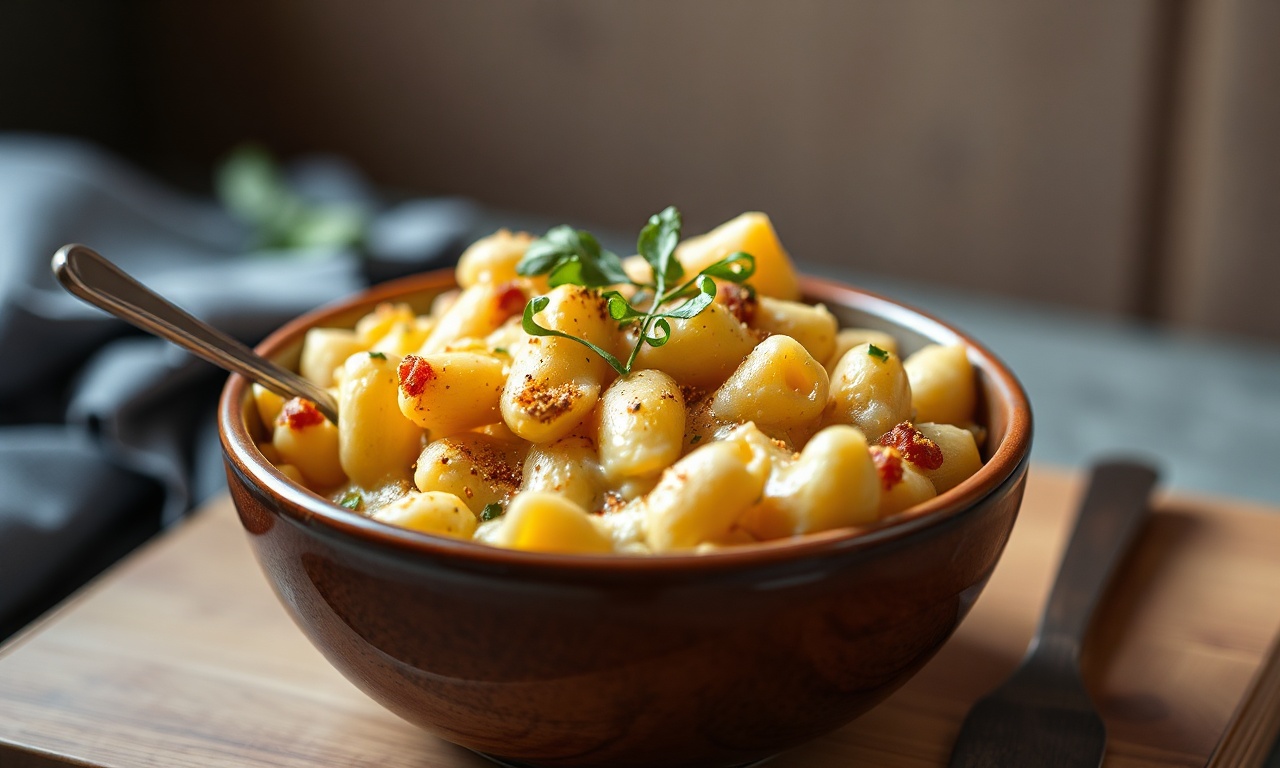

Vegan Mac has transcended its humble origins to become a culinary icon, a beacon of comfort food reimagined for a plant-based world. But what is it about this seemingly simple dish that imbues it with such definitive appeal, transforming humble ingredients into a symphony of creamy, cheesy, satisfying indulgence? It’s a question that explore the very heart of what makes food resonate with us, tapping into nostalgia, culinary innovation, and a profound understanding of flavor and texture.
- The Genesis of a Comfort Food Icon
- Deconstructing the Definitive Vegan Mac Sauce
- The Art of the Perfect Macaroni
- Crafting Your Definitive Vegan Mac Recipe
- Nutritional Information (Approximate per Serving, based on 6 servings):
- Elevating Your Vegan Mac to Restaurant Quality
- The Cultural Resonance of Vegan Mac
- Frequently Asked Questions About Vegan Mac
“Food is symbolic of love when words are inadequate.” – Alan D. Wolfelt
The enduring allure of macaroni and cheese, in its traditional dairy-laden form, is undeniable. It’s a dish deeply woven into the fabric of childhood memories, associated with warmth, security, and uncomplicated joy. Vegan Mac, in its masterful adaptation, doesn’t just mimic this beloved classic; it often surpasses it, offering a plant-based alternative that is not only ethical but also a culinary triumph in its own right. This article explores the foundational elements that make Vegan Mac so definitive, from the science of achieving that signature creaminess to the diverse ingredients that elevate it from a mere substitute to a star attraction.
We also explore a meticulously crafted recipe, offering a pathway to recreating this masterpiece in your own kitchen, alongside expert tips and insights to ensure every bite is pure bliss.
Vegan Mac is more than just a dish; it’s proof of the power of culinary evolution, proving that comfort and compassion can beautifully coexist on a single plate.
The Genesis of a Comfort Food Icon
The history of macaroni and cheese is as rich and layered as its most decadent vegan rendition. While pasta and cheese have a long, intertwined history, the modern iteration of macaroni and cheese is often traced back to the 18th century. Thomas Jefferson is credited with introducing macaroni recipes to America, and by the late 19th century, innovations like Kraft’s boxed macaroni and cheese cemented its place as a staple. The dish’s inherent simplicity – pasta coated in a creamy, cheesy sauce – made it accessible and beloved across socioeconomic lines.
The vegan movement, gaining significant traction in recent decades, presented a unique challenge and opportunity: how to replicate the rich, unctuous texture and savory depth of cheese sauce without dairy. Early attempts often fell short, resulting in watery, bland, or gritty sauces. However, a new generation of plant-based chefs and home cooks, armed with a deeper understanding of food science and a burgeoning array of innovative ingredients, began to crack the code. This evolution from imitation to innovation is what has propelled Vegan Mac from a niche alternative to a mainstream culinary darling.
Deconstructing the Definitive Vegan Mac Sauce
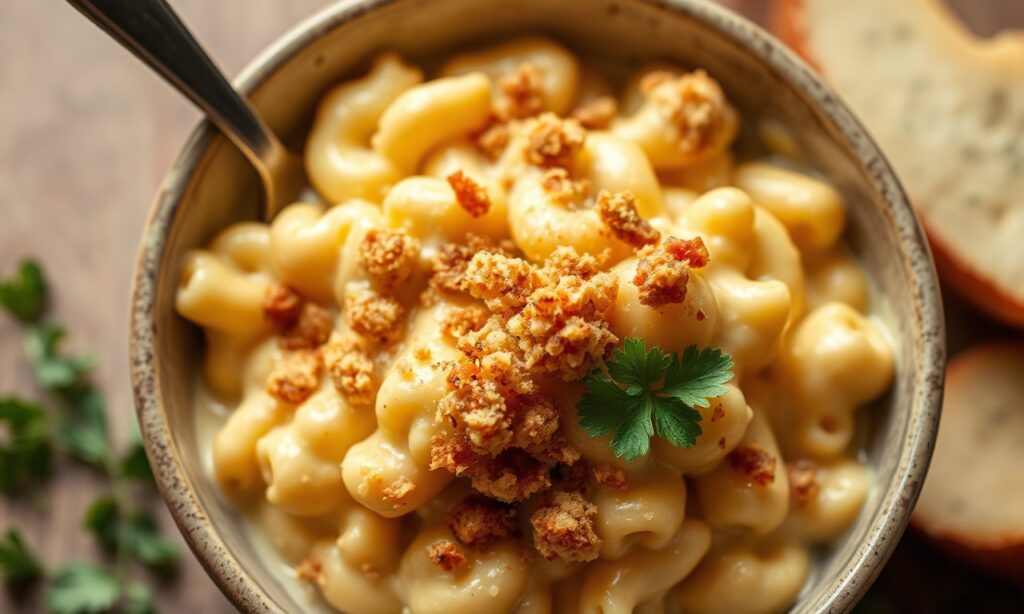
The soul of any exceptional macaroni and cheese, vegan or otherwise, lies in its sauce. Achieving that signature velvety, emulsified consistency and deeply satisfying cheesy flavor is a complex dance of ingredients and technique. For Vegan Mac, this involves understanding how to build richness and umami using plant-based components.
At its core, a superior vegan cheese sauce typically relies on a base that provides creaminess and body. This is often achieved through starchy vegetables like potatoes and carrots, which when boiled and blended, create a smooth, thick emulsion. Nuts, particularly cashews, are another powerhouse ingredient, soaking and blending into an incredibly rich and creamy foundation. Nutritional yeast is the non-negotiable hero for imparting that characteristic cheesy, umami flavor, often described as having a savory, nutty, and slightly cheesy profile. Research suggests its deactivated yeast cells are a treasure trove of B vitamins and lend a depth that is crucial for replicating the complexity of dairy cheese.
Beyond the base, other elements contribute to the overall flavor profile. A touch of acidity, often from lemon juice or apple cider vinegar, brightens the sauce and cuts through the richness, mimicking the tang of traditional cheese. Garlic and onion powder provide foundational savory notes, while mustard, particularly Dijon, adds a subtle zing and helps emulsify the sauce. For those seeking an even deeper, more complex flavor, a hint of smoked paprika can lend a subtle smokiness, reminiscent of aged cheeses. The careful balance of these elements is what transforms simple plant-based ingredients into a sauce that is both deeply comforting and remarkably sophisticated.
Key Ingredients for Vegan Mac Dominance
- Cashews: Soaked cashews form the luxurious, creamy backbone of many premium vegan cheese sauces. Their high fat content and neutral flavor profile allow them to blend into an almost dairy-like richness.
- Nutritional Yeast: This deactivated yeast is the cornerstone of vegan cheesy flavor, providing essential B vitamins and a savory, umami depth.
- Potatoes & Carrots: When boiled and blended, these starchy vegetables contribute significantly to the sauce’s thickness and smooth texture, acting as natural emulsifiers.
- Plant-Based Milk: Unsweetened and unflavored varieties, such as almond, soy, or oat milk, are used to achieve the desired sauce consistency.
- Acidity (Lemon Juice/Apple Cider Vinegar): Crucial for balancing richness and adding a subtle tang that mimics aged cheese.
- Aromatics (Garlic & Onion Powder): Essential for building a robust savory flavor base.
- Dijon Mustard: Adds a layer of complexity and aids in emulsification.
The Art of the Perfect Macaroni
While the sauce garnishes the macaroni, the pasta itself matter significantly in the overall experience of Vegan Mac. The choice of pasta shape is not merely aesthetic; it directly impacts how well the sauce clings to each bite.
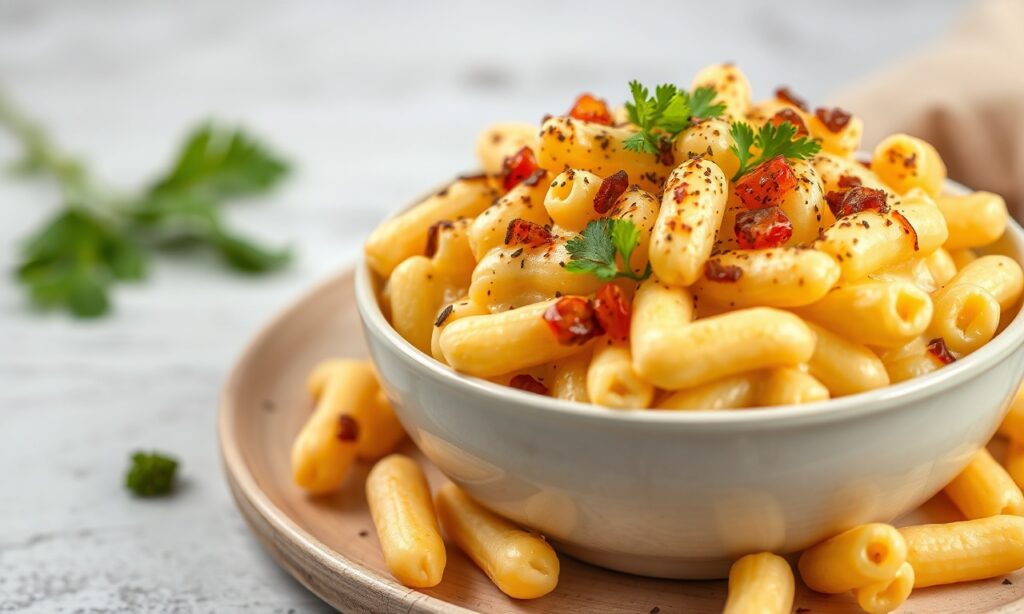
Classic elbow macaroni, with its curved shape and hollow center, is the traditional choice for a reason. It acts like a perfect little cup, cradling generous amounts of creamy sauce. However, other shapes can also yield delightful results. Shells, with their ridged surfaces and deep cavities, are excellent sauce catchers. Cavatappi, with its corkscrew shape, offers ample surface area and nooks for the sauce to adhere to. Even wider shapes like penne or rigatoni can work, provided they are cooked al dente to maintain their structure and prevent the dish from becoming mushy.
The cooking of the pasta is paramount. Overcooked pasta will disintegrate under the weight of the sauce, leading to a less appealing texture. Conversely, undercooked pasta will be unpleasantly chewy. The goal is to achieve a perfect al dente bite – tender but with a slight resistance. This ensures that the macaroni maintains its integrity throughout the saucing and baking process, providing a satisfying textural counterpoint to the smooth, creamy sauce.
Crafting Your Definitive Vegan Mac Recipe
This recipe aims to deliver a Vegan Mac that is not just a substitute, but a culinary destination in itself. It balances creamy richness with deep, savory flavors, offering a truly comforting and satisfying experience.
Ingredients:
- 1 pound (454g) elbow macaroni (or your preferred pasta shape)
- 1 cup (140g) raw cashews, soaked in hot water for at least 1 hour (or overnight in cold water)
- 1 cup (240ml) unsweetened, unflavored plant-based milk (such as almond or soy)
- 1/2 cup (120ml) vegetable broth
- 1/2 cup (75g) cooked sweet potato, mashed (about 1/2 small sweet potato)
- 1/4 cup (35g) cooked carrot, mashed (about 1/2 medium carrot)
- 1/2 cup (30g) nutritional yeast
- 2 tablespoons lemon juice
- 1 tablespoon Dijon mustard
- 1 teaspoon garlic powder
- 1 teaspoon onion powder
- 1/2 teaspoon smoked paprika (optional, for depth)
- 1/2 teaspoon salt, or to taste
- 1/4 teaspoon black pepper, or to taste
For the Topping (Optional):
- 1/2 cup (60g) panko breadcrumbs
- 1 tablespoon olive oil
- Pinch of salt
Preparation Method:
- Preheat and Prepare: Preheat your oven to 375°F (190°C). Grease a 9×13 inch (23×33 cm) baking dish.
- Cook the Pasta: Bring a large pot of salted water to a rolling boil. Add the macaroni and cook according to package directions until al dente. Drain the pasta thoroughly and set aside. Do not rinse.
- Prepare the Cashew Base: Drain the soaked cashews. In a high-speed blender, combine the drained cashews, plant-based milk, vegetable broth, mashed sweet potato, mashed carrot, nutritional yeast, lemon juice, Dijon mustard, garlic powder, onion powder, smoked paprika (if using), salt, and pepper.
- Blend the Sauce: Blend on high speed until the sauce is completely smooth and velvety. This may take 1-2 minutes, depending on your blender. Scrape down the sides as needed to ensure all ingredients are incorporated. Taste and adjust seasoning if necessary.
- Combine Pasta and Sauce: Add the drained macaroni to the blender with the sauce. Pulse a few times to gently coat the pasta, or pour the sauce over the pasta in a large bowl and toss to combine thoroughly. Ensure every piece of pasta is coated.
- Assemble and Bake: Pour the macaroni and sauce mixture into the prepared baking dish and spread evenly.
- Prepare the Topping (Optional): In a small bowl, combine the panko breadcrumbs, olive oil, and a pinch of salt. Mix until the breadcrumbs are lightly coated. Sprinkle the breadcrumb mixture evenly over the top of the macaroni and cheese.
- Bake: Bake for 20-25 minutes, or until the sauce is bubbly around the edges and the topping is golden brown and crispy. If you prefer a crispier topping, you can broil for the last 1-2 minutes, watching carefully to prevent burning.
- Rest and Serve: Let the Vegan Mac rest for 5-10 minutes before serving. This allows the sauce to thicken slightly. Garnish with fresh parsley if desired.
Nutritional Information (Approximate per Serving, based on 6 servings):
- Calories: 450-550 kcal
- Protein: 15-20g
- Fat: 20-25g (primarily healthy fats from cashews)
- Carbohydrates: 50-60g
- Fiber: 5-7g
- Vitamins & Minerals: Rich in B vitamins (especially B12 from nutritional yeast if fortified), Vitamin A (from sweet potato/carrot), and various minerals.
*Please note that nutritional values can vary significantly based on specific ingredients used, portion sizes, and whether optional toppings are included.*
Elevating Your Vegan Mac to Restaurant Quality
Achieving a truly definitive Vegan Mac often involves going beyond the basic recipe. These advanced techniques and ingredient choices can transform a good dish into an exceptional one.
The Importance of Texture and Flavor Layers
While the creamy sauce is paramount, textural contrast is what elevates a dish from merely palatable to deeply satisfying. The optional panko topping provides a crucial crunch, preventing the dish from becoming one-dimensional. However, consider other textural elements. A sprinkle of toasted nuts, such as slivered almonds or chopped pecans, can add another layer of crunch and a nutty aroma. Crispy fried shallots or onions offer a savory, caramelized crispness that is incredibly addictive.
Flavor layering is equally important. Beyond the foundational cheesy notes, consider incorporating subtle hints of other flavors. A pinch of cayenne pepper can add a gentle warmth that lingers on the palate. A whisper of truffle oil, added just before serving, can impart an earthy, luxurious aroma that truly elevates the dish. For a bolder flavor, incorporating some smoked vegan cheese shreds into the sauce can add another dimension of smoky, savory depth.
Techniques for Ultimate Creaminess
The blending process is critical for achieving a silken sauce. A high-speed blender is almost essential for breaking down the cashews and vegetables into a perfectly smooth emulsion. If you don’t have one, you may need to soak cashews for longer and blend for an extended period, pausing to scrape down the sides frequently.
When baking, ensure the oven temperature is consistent. A too-high temperature can cause the sauce to separate or the topping to burn before the inside is heated through. Allowing the dish to rest after baking is also a vital, often overlooked, step. This allows the starches in the pasta and sauce to rehydrate and thicken, resulting in a more cohesive and satisfying final product.
The Cultural Resonance of Vegan Mac
The rise of Vegan Mac is not just a culinary phenomenon; it’s a reflection of broader societal shifts. As more people embrace plant-based lifestyles for ethical, environmental, and health reasons, the demand for delicious, satisfying vegan alternatives to traditional comfort foods has soared. Vegan Mac, with its inherent ability to evoke feelings of warmth and nostalgia, has become a powerful symbol of this movement. It demonstrates that compassionate eating does not require a sacrifice of flavor or enjoyment.
Research from institutions focused on plant-based foods consistently shows significant growth in the plant-based foods market, with categories like vegan cheese and prepared meals experiencing substantial increases in sales. This trend underscores the growing acceptance and demand for high-quality vegan products that can stand alongside their conventional counterparts. Vegan Mac has become a benchmark for this culinary innovation, proving that plant-based cooking can be both accessible and deeply indulgent.
The shareability of Vegan Mac on social media platforms further attests to its broad appeal. Visually appealing, comforting, and often associated with positive emotions, it’s a dish that resonates universally. Its adaptable nature also means it can be customized to suit diverse palates and dietary needs, further cementing its status as a definitive comfort food.
Frequently Asked Questions About Vegan Mac
What is the best plant-based milk to use for Vegan Mac sauce?
The best plant-based milk for Vegan Mac sauce is typically an unsweetened and unflavored variety. Almond milk, soy milk, and oat milk are all excellent choices. They provide a neutral base that won’t overpower the other flavors, and they blend well to create a creamy texture. Avoid milks with added sugars or strong flavors, like coconut milk, unless you specifically want that flavor profile.
Can I make Vegan Mac ahead of time?
Yes, you can prepare Vegan Mac ahead of time. You can make the sauce and cook the pasta separately and store them in the refrigerator. When you’re ready to bake, combine the pasta and sauce, transfer to a baking dish, add topping if desired, and bake as directed, possibly adding a few extra minutes to ensure it heats through. The sauce may thicken considerably when chilled, so you might need to add a splash more plant-based milk or broth when reheating.
How can I make my Vegan Mac sauce thicker?
If your Vegan Mac sauce isn’t as thick as you’d like, several options exist. You can simmer the sauce gently for a few extra minutes to allow some of the liquid to evaporate. Incorporating a small amount of cornstarch or arrowroot powder slurry (mix 1 tablespoon of starch with 2 tablespoons of cold water before adding to the sauce) and simmering can also thicken it. Ensure your base ingredients, like blended cashews or potatoes, are well-balanced for optimal thickness.
What are some popular vegan cheese alternatives for Vegan Mac?
While this recipe relies on a homemade cashew-based sauce for optimal creaminess and flavor, you can also experiment with store-bought vegan cheese shreds. Look for brands that melt well and have a cheddar-like flavor profile. However, be mindful that the texture and flavor of store-bought vegan cheeses can vary greatly, and they may not always achieve the same level of creaminess as a homemade sauce.
Is Vegan Mac healthier than traditional mac and cheese?
Vegan Mac can be a healthier option than traditional mac and cheese, as it typically excludes dairy, which can be a source of saturated fat and cholesterol. Depending on the ingredients used, it can be rich in fiber, vitamins, and minerals from plant-based sources like vegetables and nuts. However, it’s still a comfort food and can be calorie-dense, so portion control is still advisable.
See also: Vegan Mac