
The Enduring Allure of Tuscan White Bean Soup
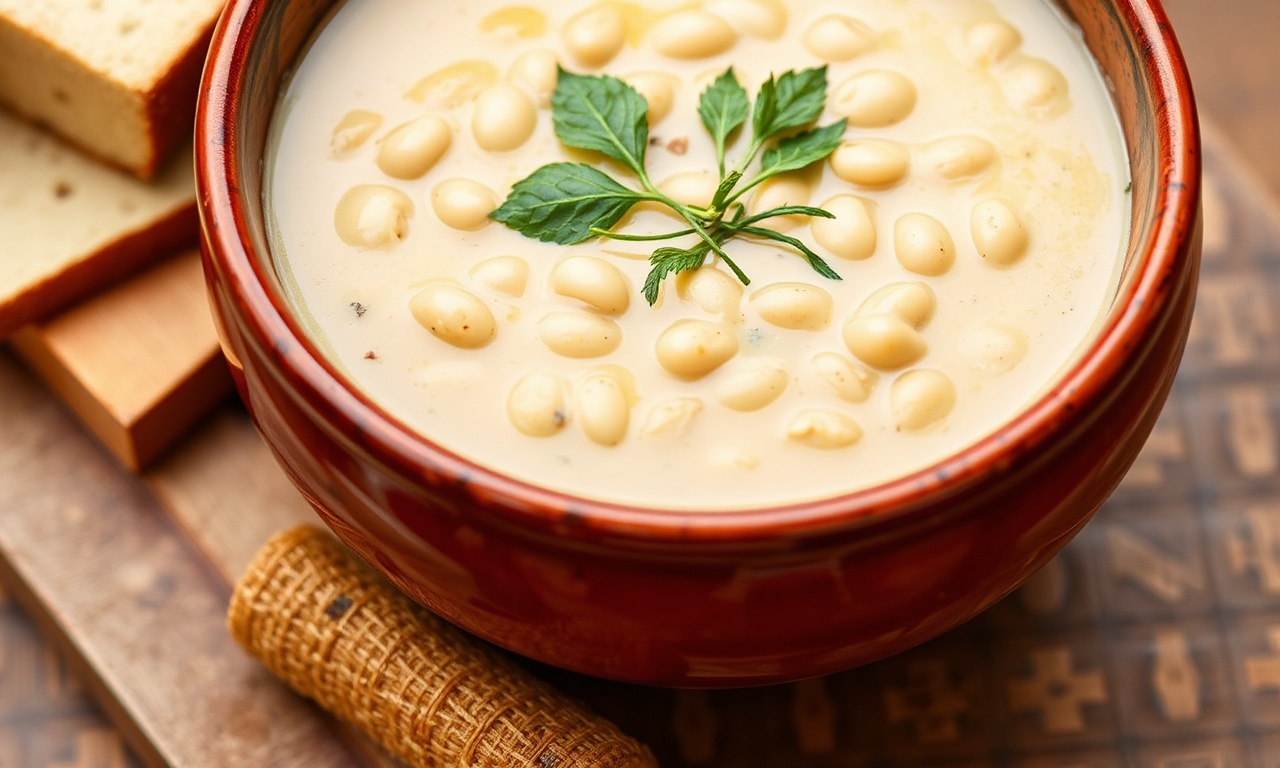
Some dishes transcend mere sustenance to become cultural touchstones. Tuscan White Bean Soup, or *Zuppa di Fagioli Toscani*, is precisely one such dish. Its humble origins in the heart of Tuscany belie a complexity of flavor that has captivated palates for centuries. This isn’t just soup; it’s proof of the Italian philosophy of transforming simple, seasonal ingredients into something extraordinary. Historically, this soup was a staple of the *contadini* (peasants), who relied on readily available legumes, vegetables, and a drizzle of precious olive oil to create hearty, nourishing meals. The resourcefulness inherent in its creation speaks volumes about Tuscan culinary heritage, where nothing is wasted and every ingredient is celebrated.
- The Enduring Allure of Tuscan White Bean Soup
- The Essential Pillars: Authentic Ingredients for Tuscan White Bean Soup
- The Humble Bean: Cannellini’s Crown Jewel
- Aromatic Foundations: Garlic, Onion, and Herbs
- Liquid Gold: The Olive Oil and Broth
- The Supporting Cast: Vegetables and Seasonings
- Mastering the Method: Crafting Authentic Tuscan White Bean Soup
- Step 1: Preparing the Beans
- Step 2: Building the Aromatic Base
- Step 3: Simmering to Perfection
- Step 4: Finishing and Serving
- Elevating Your Tuscan White Bean Soup: Expert Tips and Variations
- The Importance of Broth Quality
- Herb Infusion Techniques
- Achieving the Perfect Texture
- Exploring Flavor Variations
- Nutritional Profile: A Wholesome Bowl of Goodness
- A Taste of Tuscany: Embracing the Soul of Simple Cooking
When it comes to Tuscan White, Recent culinary trends highlight a renewed appreciation for these grounded, unfussy dishes, with global searches for “traditional bean soup recipes” seeing a significant uplift.
The true magic of Tuscan White Bean Soup lies not in exotic ingredients, but in the profound respect for simplicity and the inherent goodness of the earth.
This soup embodies the concept of *cucina povera*—literally “poor cooking”—a culinary tradition that elevated simple, peasant ingredients to an art form. It’s about coaxing maximum flavor from minimal components, a skill honed over generations in the rugged Tuscan countryside. The key lies in the quality of the ingredients, the patience in the cooking process, and the love with which it is prepared. Authentic Tuscan White Bean Soup relies on a few stellar ingredients singing in harmony. It’s a dish that warms the soul as much as it fills the belly, a comforting embrace in a bowl, perfect for a crisp autumn evening or a blustery winter day.
In the context of Tuscan White, Its popularity has cemented its status as a cornerstone of Italian home cooking, a dish that evokes memories of family gatherings and timeless traditions.
A Deeper Look at the Tuscan Culinary Philosophy
Understanding Tuscan White Bean Soup requires a brief immersion into the Tuscan approach to food. This region of Italy, nestled between the Apennine Mountains and the Tyrrhenian Sea, is characterized by its rugged terrain and a history of agricultural self-sufficiency. This has fostered a culinary ethos that prioritizes fresh, seasonal produce, high-quality olive oil, robust bread, and, of course, legumes. The Tuscan diet is inherently Mediterranean, rich in vegetables, beans, and grains, with meat often playing a supporting role rather than a starring one. This emphasis on plant-based ingredients not only reflects historical necessity but also contributes to the perceived health benefits of the cuisine.
Around Tuscan White, Research suggests that diets rich in legumes, like those common in Tuscany, are associated with improved cardiovascular health and better weight management. The Tuscan approach celebrates the natural flavors of ingredients, using herbs and aromatics sparingly to enhance rather than overpower. It’s a philosophy of restraint and respect, allowing the quality of the core components to shine through.
The Essential Pillars: Authentic Ingredients for Tuscan White Bean Soup
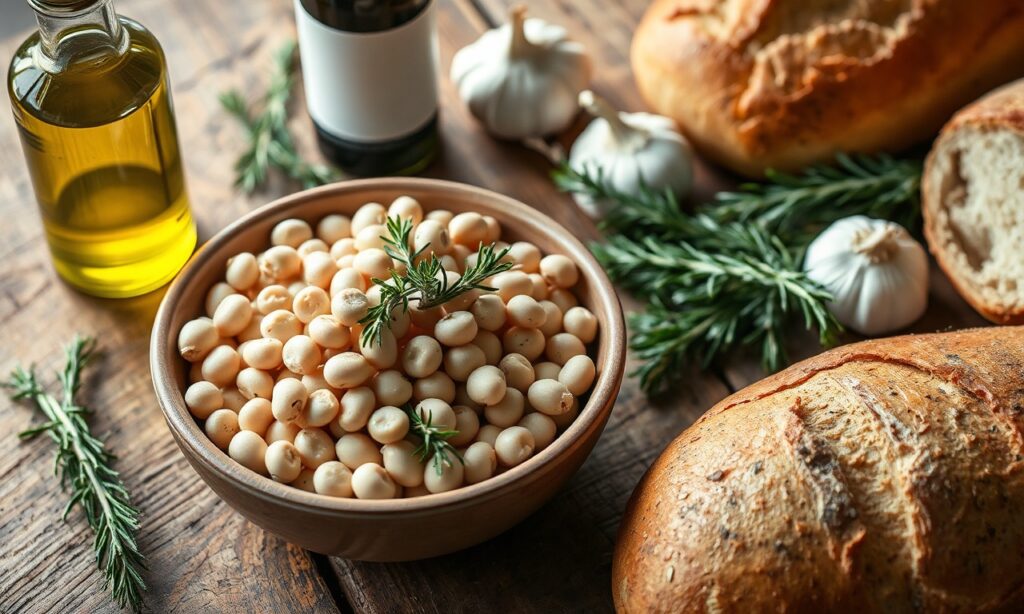
The soul of this soup resides in its carefully selected ingredients. While variations exist, a truly authentic Tuscan White Bean Soup adheres to a fundamental set of components, each playing a crucial role in building its characteristic depth and rustic charm. The foundation is, of course, the beans themselves, typically cannellini beans, prized for their creamy texture and mild, nutty flavor when cooked. Their ability to absorb surrounding flavors makes them ideal for this slow-cooked broth.
The Humble Bean: Cannellini’s Crown Jewel
Regarding Tuscan White, Cannellini beans, also known as white kidney beans, are the undisputed stars of this Tuscan classic. Their smooth, slightly mealy texture breaks down beautifully during the simmering process, lending a natural creaminess to the soup without the need for dairy. When sourcing dried beans, look for those that are plump and free from cracks or discoloration; older beans may require longer soaking and cooking times. If using canned beans, opt for high-quality brands and rinse them thoroughly to remove excess sodium and starchy liquid. The sheer versatility of cannellini beans in Italian cuisine is remarkable, forming the base for countless regional dishes.
Aromatic Foundations: Garlic, Onion, and Herbs
When it comes to Tuscan White, The aromatic base of this soup is deceptively simple yet profoundly impactful. Garlic, minced or thinly sliced, provides a pungent warmth that is essential. Onion, finely chopped, adds a subtle sweetness and depth. A few sprigs of fresh rosemary and thyme are indispensable, their earthy, fragrant notes infusing the broth with a distinctly Tuscan character. These herbs are not meant to dominate but to subtly enhance the other flavors. Some recipes might include a bay leaf for an additional layer of complexity. The quality of these aromatics is paramount; fresh, vibrant ingredients will yield a far superior result.
Liquid Gold: The Olive Oil and Broth
Extra virgin olive oil is not merely a cooking fat here; it is a flavor enhancer and a textural element. A generous drizzle of high-quality Tuscan olive oil, ideally a robust, peppery variety, is crucial for both sautéing the aromatics and finishing the soup, adding a silken richness. The liquid component typically comprises vegetable broth or chicken broth, though some purists advocate for using simply water and allowing the beans and aromatics to create the broth’s body. A good quality broth will amplify the savory notes without introducing unwanted artificial flavors.
The Supporting Cast: Vegetables and Seasonings
While the beans and aromatics take center stage, a few supporting vegetables can elevate the soup. Celery, finely diced, adds a subtle savory note and a hint of freshness. A tomato (fresh or canned crushed), or a small amount of tomato paste, can introduce a touch of acidity and color, balancing the richness of the beans. Salt and freshly ground black pepper are, of course, essential for seasoning, adjusted to taste throughout the cooking process. Some variations might include a pinch of red pepper flakes for a whisper of heat.
Mastering the Method: Crafting Authentic Tuscan White Bean Soup
The preparation of Tuscan White Bean Soup is proof of slow cooking and the development of deep flavors. It’s a process that rewards patience and attention to detail, transforming humble ingredients into a culinary masterpiece. The key is to build layers of flavor progressively, allowing each component to contribute its unique character to the final dish.
Step 1: Preparing the Beans
If using dried cannellini beans, the process begins the day before. Soaking the beans is crucial for softening them and reducing cooking time.
- Rinse and Sort: Thoroughly rinse the dried beans under cold running water. Spread them on a clean surface and pick out any small stones, debris, or shriveled beans.
- Soak the Beans: Place the sorted beans in a large bowl and cover them with at least three times their volume of cold water. Let them soak for at least 8 hours, or preferably overnight. Alternatively, use the quick-soak method: cover beans with water, bring to a boil for 2 minutes, then remove from heat, cover, and let stand for 1 hour.
- Drain and Rinse: After soaking, drain the beans in a colander and rinse them again thoroughly.
Step 2: Building the Aromatic Base
This stage is where the foundational flavors of the soup begin to develop. The gentle sautéing of aromatics in olive oil is critical for unlocking their essence.
- Sauté Aromatics: Heat a generous amount of extra virgin olive oil in a large, heavy-bottomed pot or Dutch oven over medium heat. Add the finely chopped onion and diced celery. Sauté, stirring occasionally, until the vegetables are softened and translucent, about 6-8 minutes. Do not allow them to brown significantly.
- Add Garlic and Herbs: Add the minced garlic and fresh rosemary sprigs (and thyme, if using). Cook for another 1-2 minutes until fragrant, being careful not to burn the garlic, which can turn bitter. If using tomato paste, stir it in now and cook for a minute to deepen its flavor.
Step 3: Simmering to Perfection
This is the heart of the cooking process, where time and gentle heat meld the ingredients into a harmonious whole.
- Combine Ingredients: Add the drained and rinsed beans to the pot with the sautéed aromatics. Pour in enough vegetable or chicken broth (or water) to cover the beans by about 2 inches. If using a whole tomato, add it now.
- Season and Simmer: Bring the mixture to a gentle boil, then reduce the heat to low, cover the pot, and let it simmer. The cooking time will vary depending on the age and type of beans, but generally expect 1.5 to 2.5 hours, or until the beans are very tender. Stir occasionally to prevent sticking.
- Check Consistency and Seasoning: Once the beans are tender, remove the lid. If the soup is too thin, you can mash some of the beans against the side of the pot with a spoon to thicken it naturally, or simmer uncovered for a bit longer. If using a whole tomato, remove and discard it now. Season generously with salt and freshly ground black pepper to taste.
Step 4: Finishing and Serving
The final touches are as important as the initial steps in bringing out the soup’s full potential.
- Rest and Infuse: For the best flavor, allow the soup to rest off the heat for at least 15-20 minutes before serving. This allows the flavors to meld and deepen.
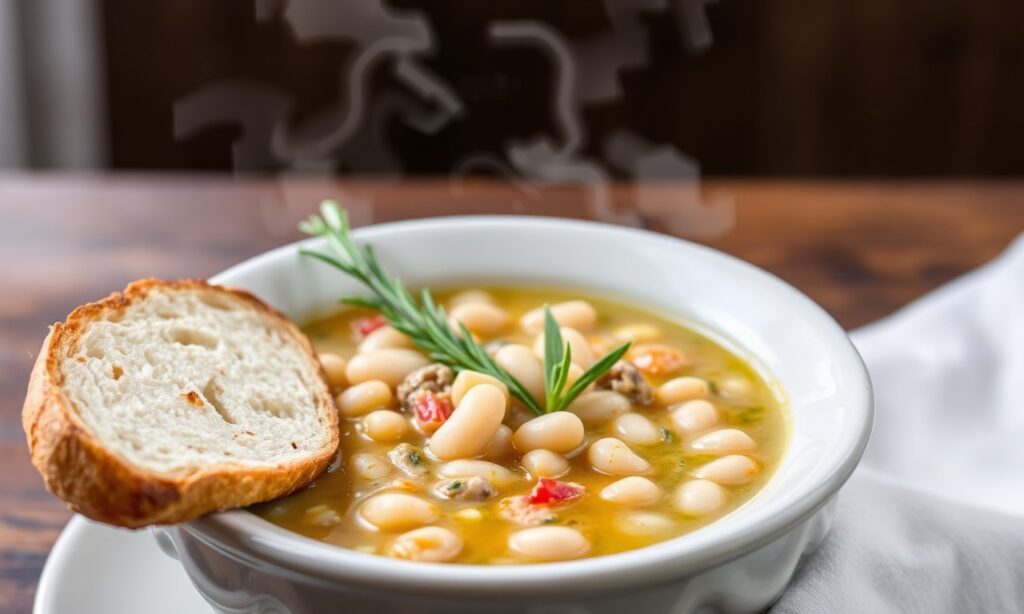
- Serve: Ladle the hot soup into warm bowls. Drizzle generously with high-quality extra virgin olive oil. Serve with crusty bread for dipping. Some people enjoy adding a sprinkle of fresh parsley or a grating of Parmesan cheese, though these are considered optional additions to the most traditional versions.
Elevating Your Tuscan White Bean Soup: Expert Tips and Variations
While the basic recipe for Tuscan White Bean Soup is inherently satisfying, a few expert touches can elevate it from good to truly exceptional. These insights, drawn from seasoned chefs and traditional practices, focus on enhancing flavor, texture, and presentation.
The Importance of Broth Quality
The liquid base of your soup is as critical as the beans themselves. While water can be used, a well-made vegetable or chicken broth will impart a far richer, more complex flavor. If you have the time, homemade broth is unparalleled. Look for low-sodium varieties if using store-bought to better control the final seasoning. The subtle umami from a good broth forms a crucial layer in the soup’s overall flavor profile.
Herb Infusion Techniques
While adding fresh herbs directly to the simmering soup is standard, consider a more nuanced approach for deeper flavor. You can tie the rosemary and thyme sprigs together with kitchen twine and remove them before serving, ensuring a gentler infusion. Alternatively, for a more potent herbal note, bruise the herb stems slightly before adding them to the pot.
Achieving the Perfect Texture
The ideal Tuscan White Bean Soup is neither too watery nor too thick. It should have a comforting, slightly hearty consistency that coats the back of a spoon. As mentioned, mashing some of the beans is the traditional method for thickening. For a smoother finish, you can also carefully transfer about a quarter of the soup to a blender (or use an immersion blender) and process until smooth, then return it to the pot.
Exploring Flavor Variations
While the classic recipe is divine, don’t hesitate to explore subtle variations. A touch of smoked paprika can introduce a gentle smokiness, particularly appealing in colder months. Some regional variations incorporate a small amount of kale or spinach stirred in during the last few minutes of cooking for added nutrition and color. A squeeze of lemon juice just before serving can brighten the flavors and cut through the richness.
Nutritional Profile: A Wholesome Bowl of Goodness
Tuscan White Bean Soup is not only a culinary delight but also a powerhouse of nutrition. Its plant-based nature, rich in fiber and protein, makes it a satisfying and healthy choice. While exact nutritional values can vary based on specific ingredients and portion sizes, a typical serving offers a substantial nutritional profile.
Per Serving (approx. 1.5 cups):
- Calories: 250-350
- Protein: 10-15g (primarily from beans)
- Fiber: 10-15g (excellent source)
- Healthy Fats: 8-12g (from olive oil)
- Vitamins and Minerals: Good source of iron, potassium, magnesium, folate, and B vitamins.
The high fiber content contributes to digestive health and promotes a feeling of fullness, making it an excellent option for weight management. The protein from the beans aids in muscle repair and satiety. The use of olive oil provides monounsaturated fats, which are beneficial for heart health. The inclusion of vegetables and herbs further enhances the micronutrient profile. Research suggests that diets rich in beans and legumes may be associated with a reduced risk of cardiovascular disease and type 2 diabetes.
A Taste of Tuscany: Embracing the Soul of Simple Cooking
Tuscan White Bean Soup is more than just a recipe; it’s an invitation to slow down, to appreciate the beauty of simple ingredients, and to savor the profound comfort that can be found in a well-prepared bowl of soup. It’s a dish that embodies the heart of Italian home cooking, proof of the fact that true culinary excellence often lies not in complexity, but in the skillful transformation of the ordinary into the extraordinary. Whether enjoyed on a chilly evening or as a light lunch, this soup offers a genuine taste of Tuscany, a warm, rustic embrace that nourishes both body and soul.
Its enduring appeal lies in its authenticity, its healthful qualities, and its ability to transport us to the rolling hills of Italy with every delicious spoonful.
Frequently Asked Questions
H3: Can I make Tuscan White Bean Soup ahead of time?
Yes, absolutely. Tuscan White Bean Soup often tastes even better the next day, as the flavors have more time to meld and deepen. Allow it to cool completely, then store it in an airtight container in the refrigerator for up to 3-4 days. Reheat gently on the stovetop over low heat, adding a splash of broth or water if it has become too thick.
H3: What kind of beans are best for Tuscan White Bean Soup?
The most traditional and highly recommended beans for authentic Tuscan White Bean Soup are cannellini beans. Their creamy texture and mild, slightly nutty flavor are ideal. Other large white beans, like Great Northern beans, can be used as substitutes, but cannellini beans will yield the most authentic result.
H3: Should I soak dried beans overnight?
Soaking dried beans overnight is highly recommended. It significantly reduces their cooking time, ensures more even cooking, and helps to make them more digestible by reducing the compounds that can cause gas. If you forget to soak them overnight, the quick-soak method (boiling for a few minutes, then letting them sit in hot water for an hour) is a viable alternative.
H3: Can I make this soup vegan?
Tuscan White Bean Soup is inherently very close to being vegan. The traditional recipe typically uses vegetable broth and no dairy. Ensure you use a high-quality vegetable broth and omit any optional additions like Parmesan cheese to keep it entirely vegan. The richness comes from the beans and olive oil, not animal products.
H3: What can I serve with Tuscan White Bean Soup?
The classic accompaniment to Tuscan White Bean Soup is crusty Italian bread, perfect for dipping into the flavorful broth. You can also serve it with a simple side salad, perhaps dressed with a lemon vinaigrette, to add a fresh contrast. Some enjoy a sprinkle of fresh parsley or a drizzle of chili oil for an added kick.
See also: Tuscan White